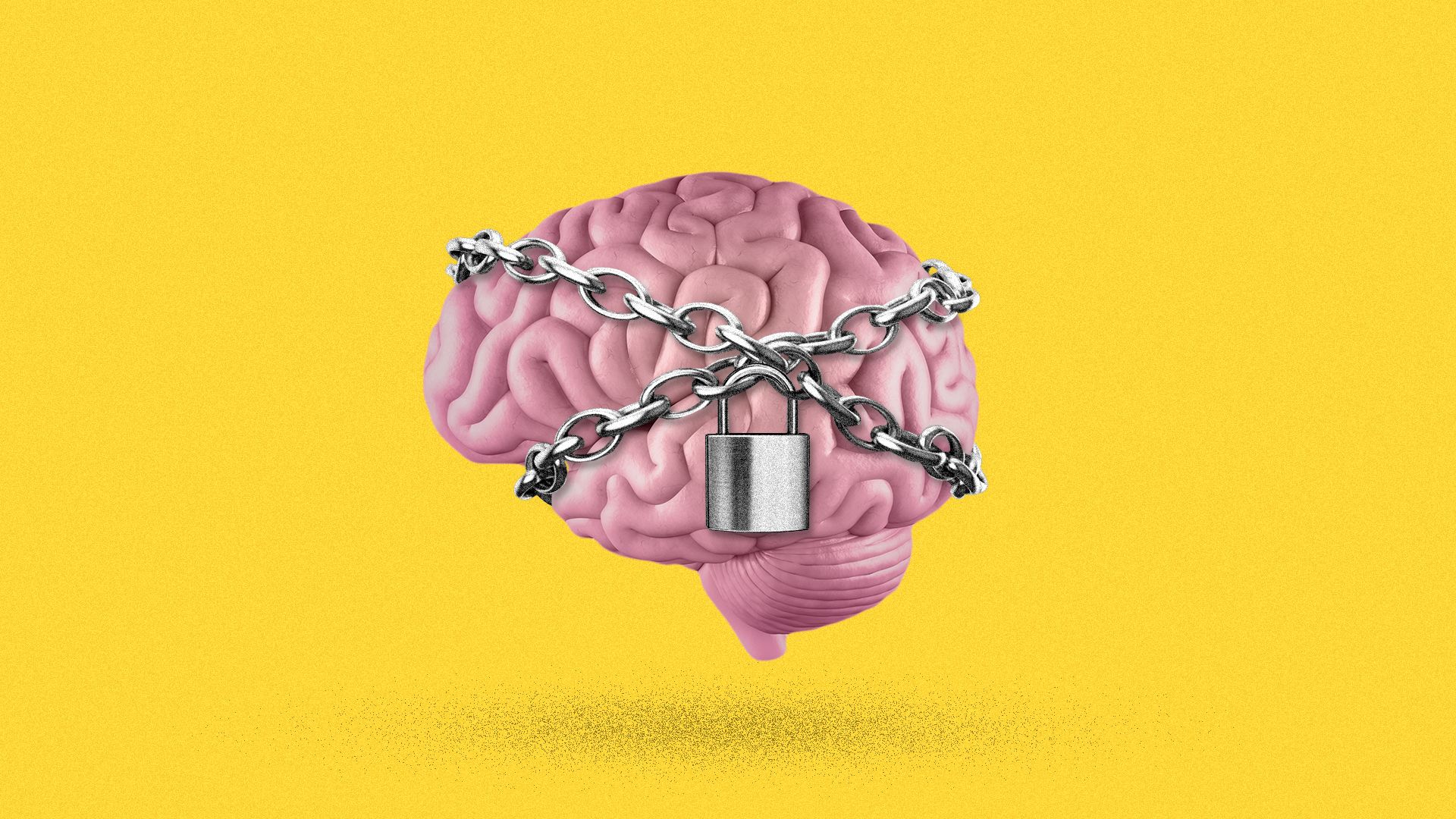
Brain–computer interfaces, once used exclusively for clinical research, are now under development at several wealthy startups and a major tech company, and rudimentary versions are already popping up in online stores.
Why it matters: If users unlock the information inside their heads and give companies and governments access, they're inviting privacy risks far greater than today's worries over social media data, experts say — and raising the specter of discrimination based on what goes on inside a person's head.
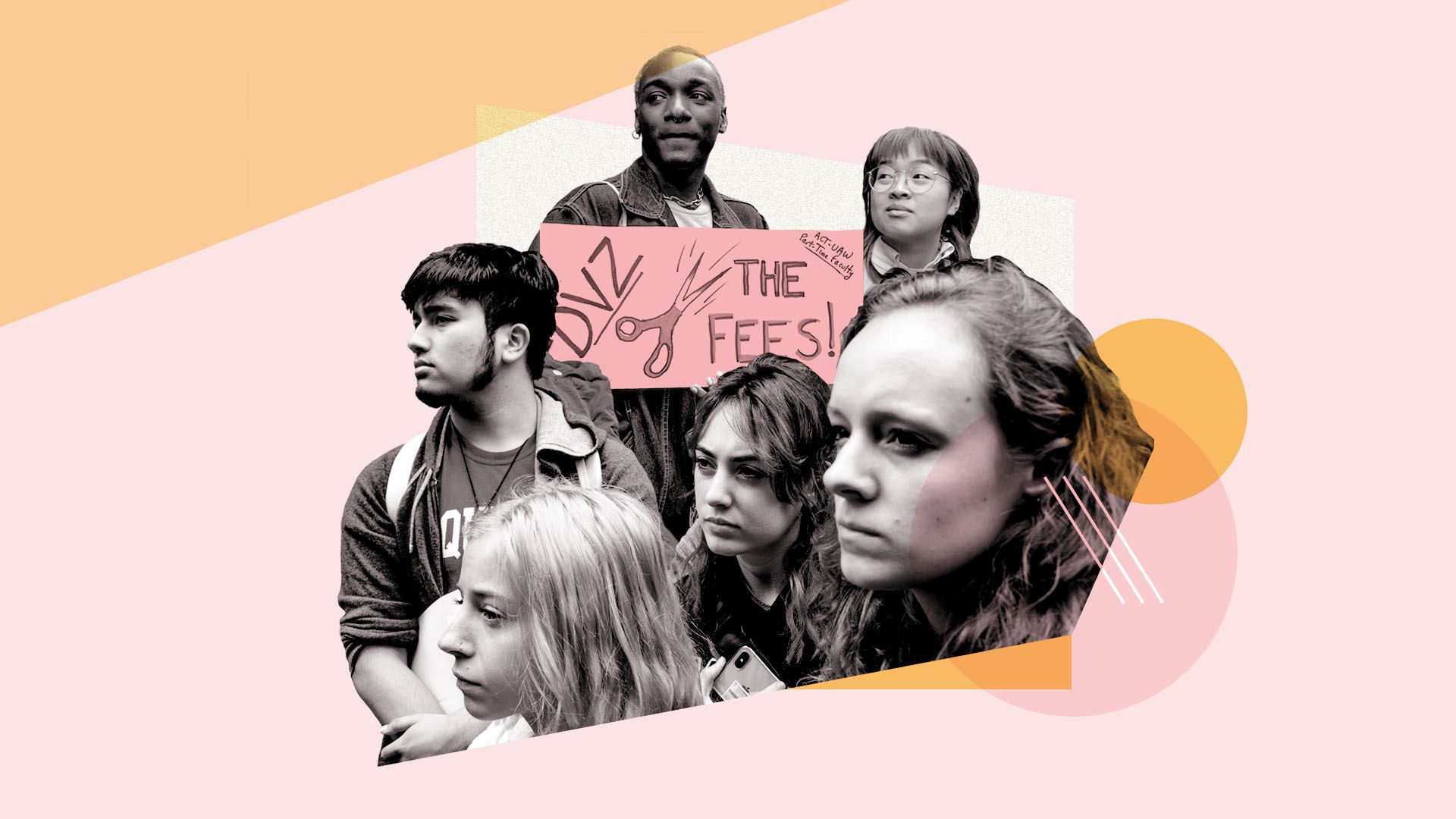
U.S. colleges and universities — historically cornerstones of society — are wrestling with a wave of rapid changes coming at the U.S.
The big picture: Higher education institutions — private, public, for-profit and not — are buckling in the face of demographic shifts, the arrival of automation, declining enrollment, politicalheadwinds and faltering faith in the system.
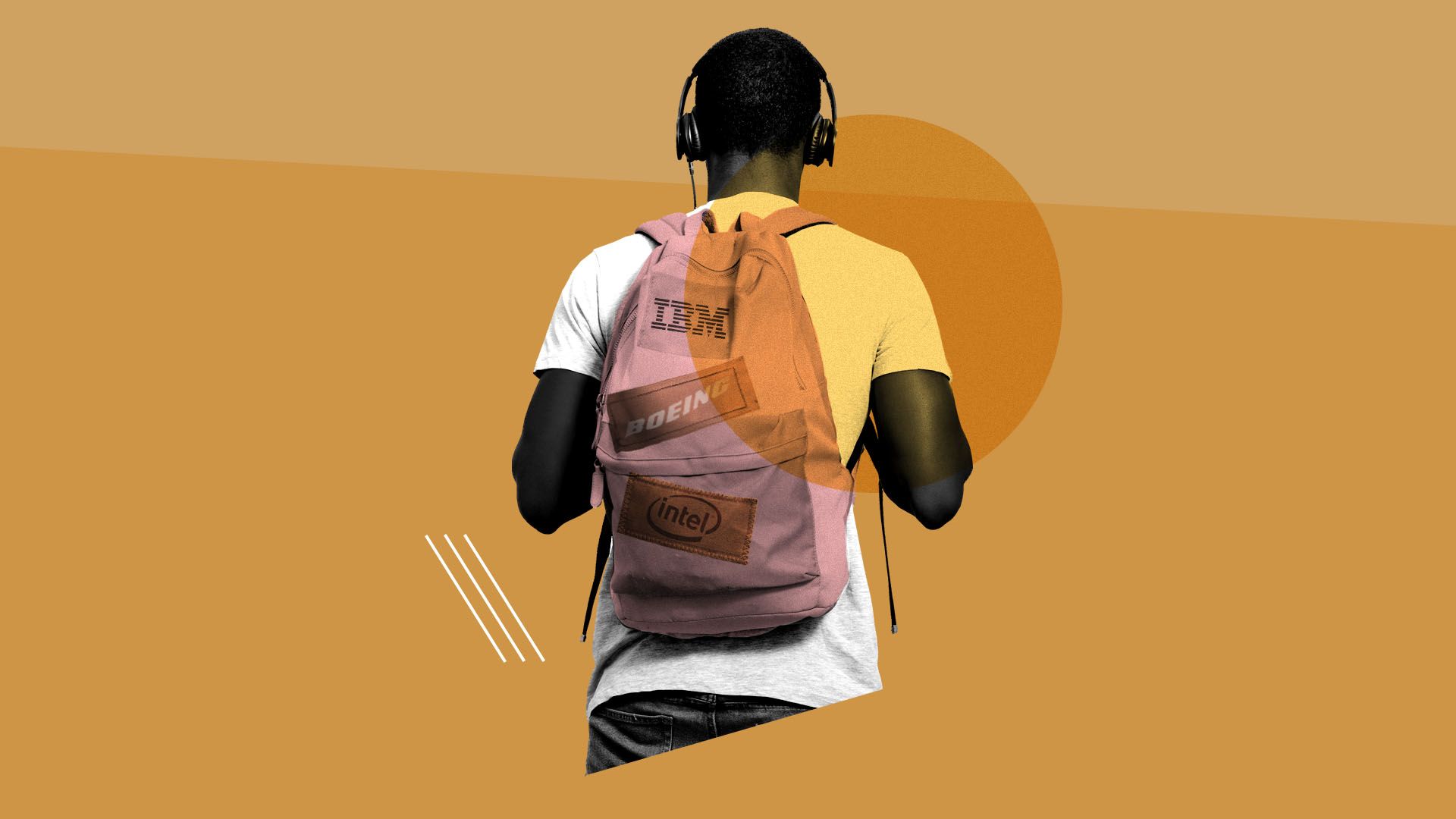
U.S. colleges aren't producing enough graduates with the skills companies need. So corporations are partnering with community colleges and alternative credentialing programs to build worker pipelines.
Driving the news: Virginia Gov. Ralph Northam announced on Friday that a cloud computing degree program developed with Amazon Web Services will be expanded to colleges statewide in Virginia, where the company has major data center operations.
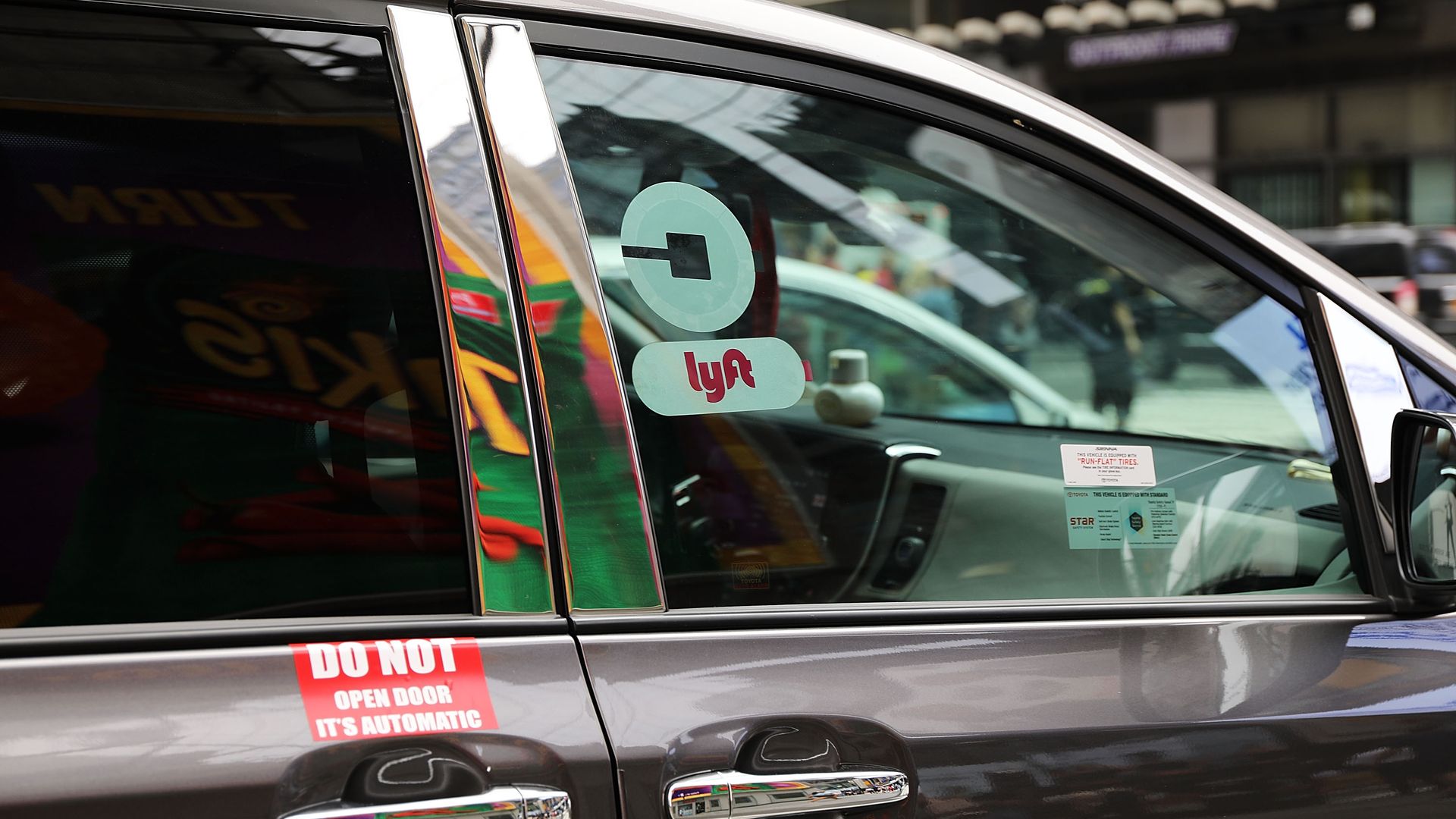
Uber filed a lawsuit on Friday against New York City to overturn rules limiting the time ride-hail drivers can spend in high-traffic areas, claiming the city's "cruising cap" rule will make it harder for drivers to make money and calling it "a rushed and unlawful process."
What they're saying: Mayor Bill de Blasio stressed in August that the city's e-haling caps "have resulted in increased wages and families finally have some relief." Uber argues drivers' pay will decrease and riders will wait longer.
Facebook announced Friday that it suspended "tens of thousands" of apps following a lengthy investigation into the third-party developers that share data with the tech giant.
Why it matters: The company is facing immense regulatory pressure over its privacy practices and data dominance. In particular, the Massachusetts attorney general's office has reportedly been working to unseal documents related to the app investigation.
Billions of dollars are flowing into autonomous vehicle development from all corners of the auto and tech industries, with no clear path to success for anyone.
Why it matters: Self-driving technology is not a first-mover, winner-take-all contest. Technology advancements matter, but companies will need to carve out a profitable business model that capitalizes on their strengths — and stop investing in races they can't win.
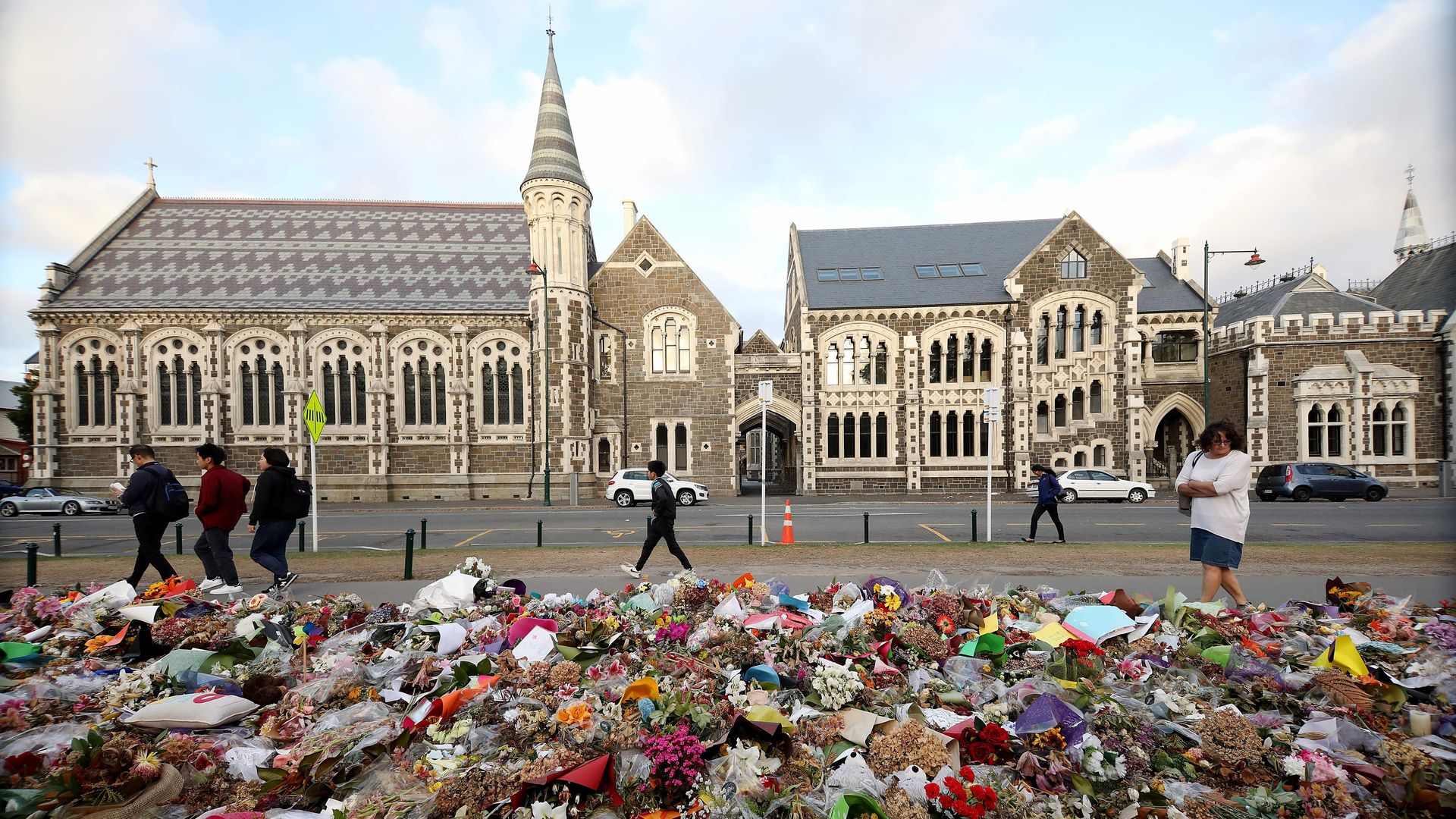
The Christchurch Call, an effort to reduce violent extremist content online that was launched by governments and tech companies in the wake of the Christchurch, New Zealand, shootings, has gained fresh support.
Driving the news: More countries are expected to soon sign onto the pledge — with the new additions expected to be announced next week at the UN General Assembly in New York.
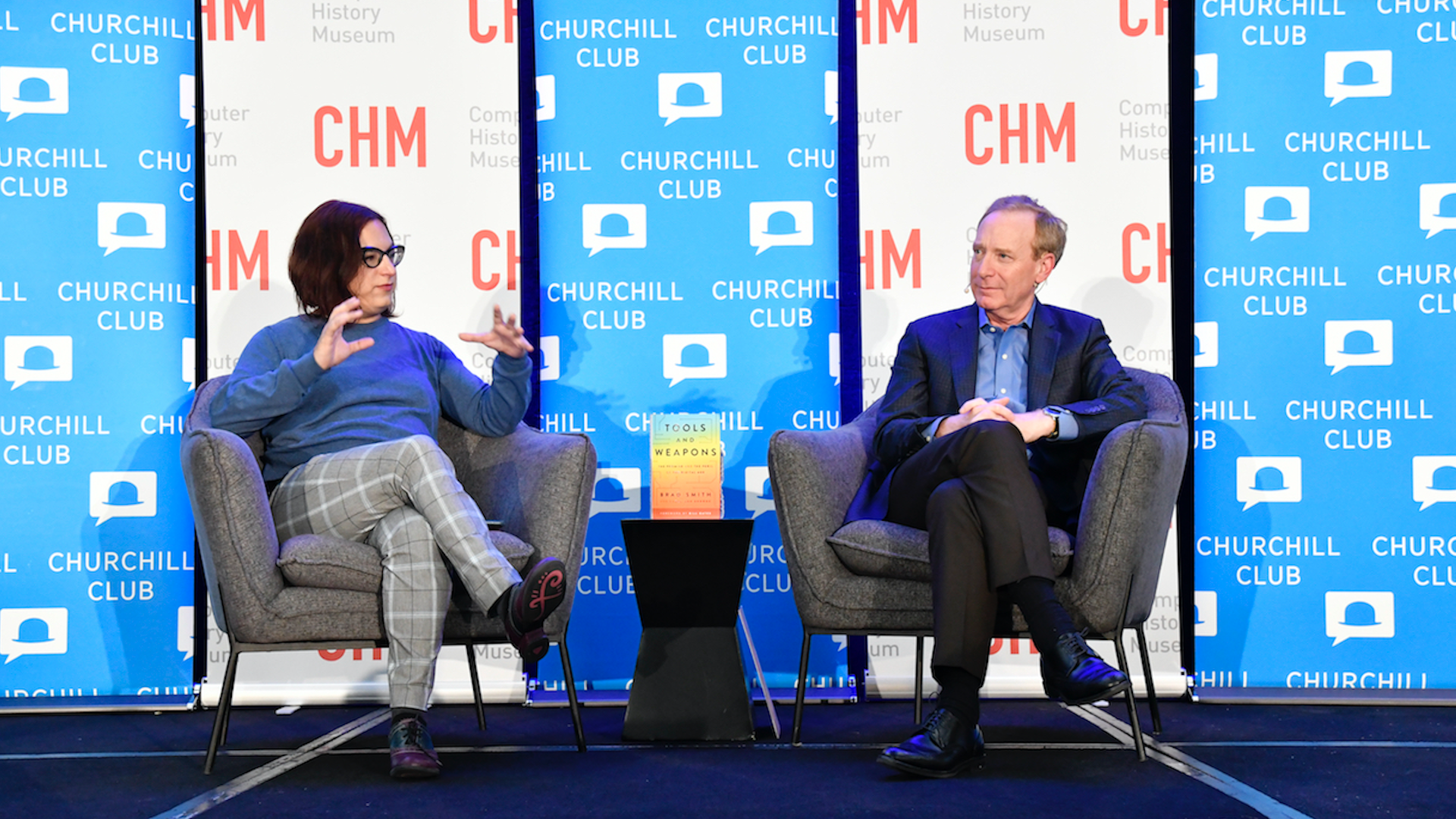
On Monday, I asked Microsoft president Brad Smith, who is all too familiar with antitrust battles, whether he thinks the antitrust investigation caused Microsoft to miss shifts in technology, such as the iPhone.
Why it matters: Microsoft wasn't broken up, as one judge initially ordered, but it spent years battling in court and ultimately was forced by regulators around the globe to pay fines and offer Windows customers in some places the ability to choose a different browser.
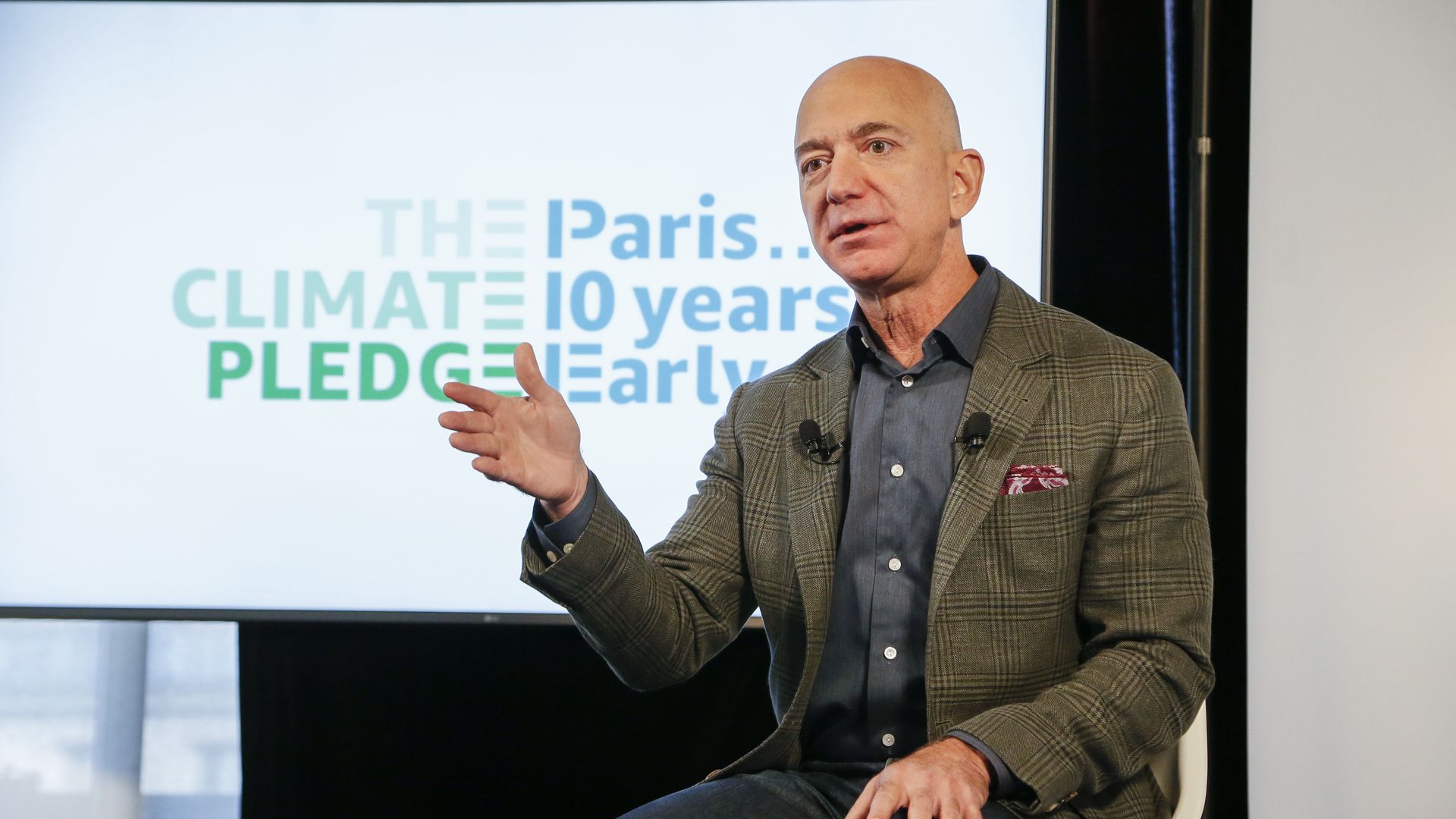
Part of Amazon's sweeping climate change plan is to deploy 10,000 electric delivery vans made by the startup Rivian as soon as 2022, and 100,000 by 2030 — and perhaps much faster.
Why it matters: It's a major sign that that deep-pocketed players see Rivian as well positioned among the electric vehicle startups to cross the bridge into substantial commercial production.