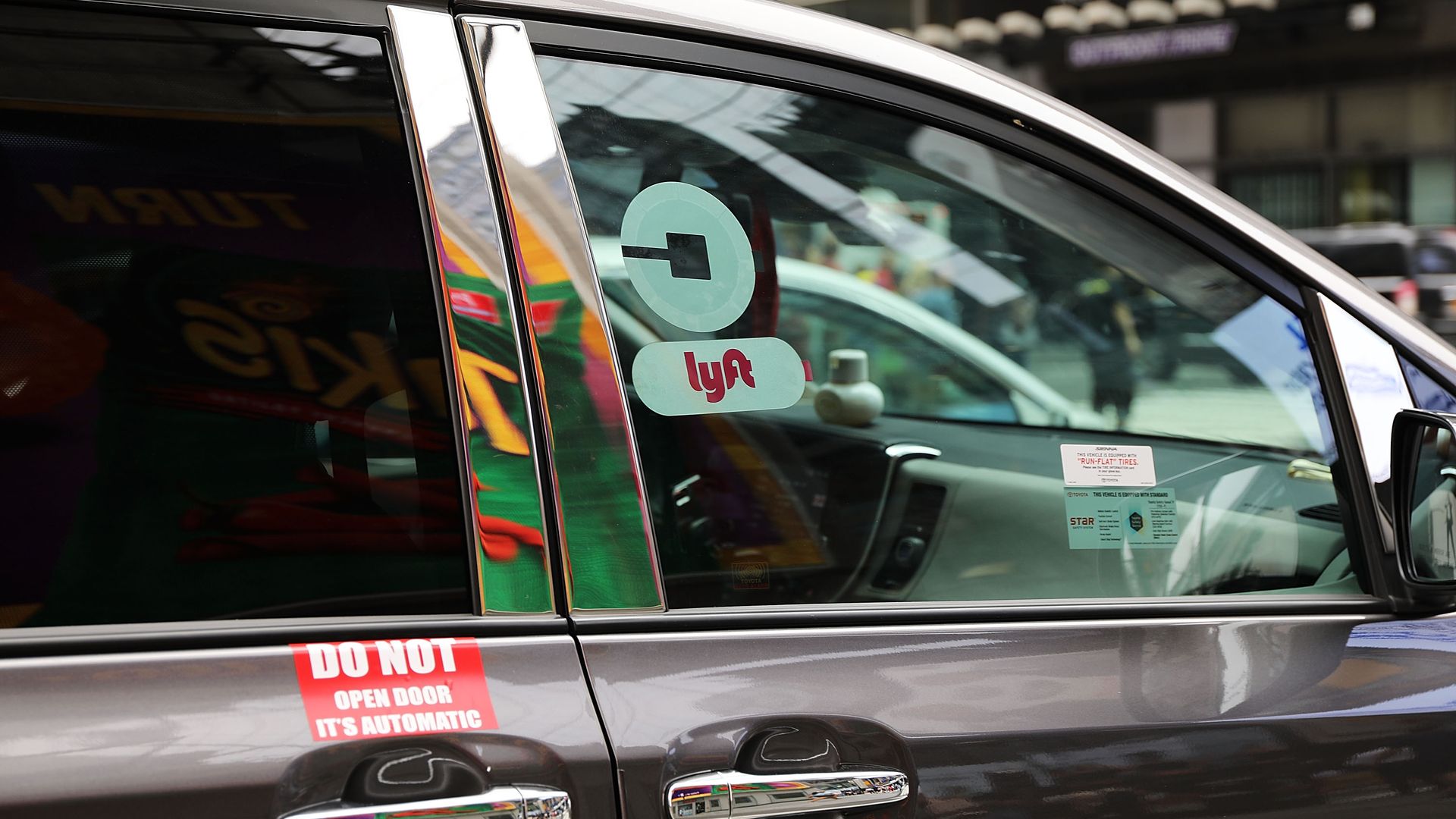
Uber filed a lawsuit on Friday against New York City to overturn rules limiting the time ride-hail drivers can spend in high-traffic areas, claiming the city's "cruising cap" rule will make it harder for drivers to make money and calling it "a rushed and unlawful process."
What they're saying: Mayor Bill de Blasio stressed in August that the city's e-haling caps "have resulted in increased wages and families finally have some relief." Uber argues drivers' pay will decrease and riders will wait longer.
Facebook announced Friday that it suspended "tens of thousands" of apps following a lengthy investigation into the third-party developers that share data with the tech giant.
Why it matters: The company is facing immense regulatory pressure over its privacy practices and data dominance. In particular, the Massachusetts attorney general's office has reportedly been working to unseal documents related to the app investigation.
Billions of dollars are flowing into autonomous vehicle development from all corners of the auto and tech industries, with no clear path to success for anyone.
Why it matters: Self-driving technology is not a first-mover, winner-take-all contest. Technology advancements matter, but companies will need to carve out a profitable business model that capitalizes on their strengths — and stop investing in races they can't win.
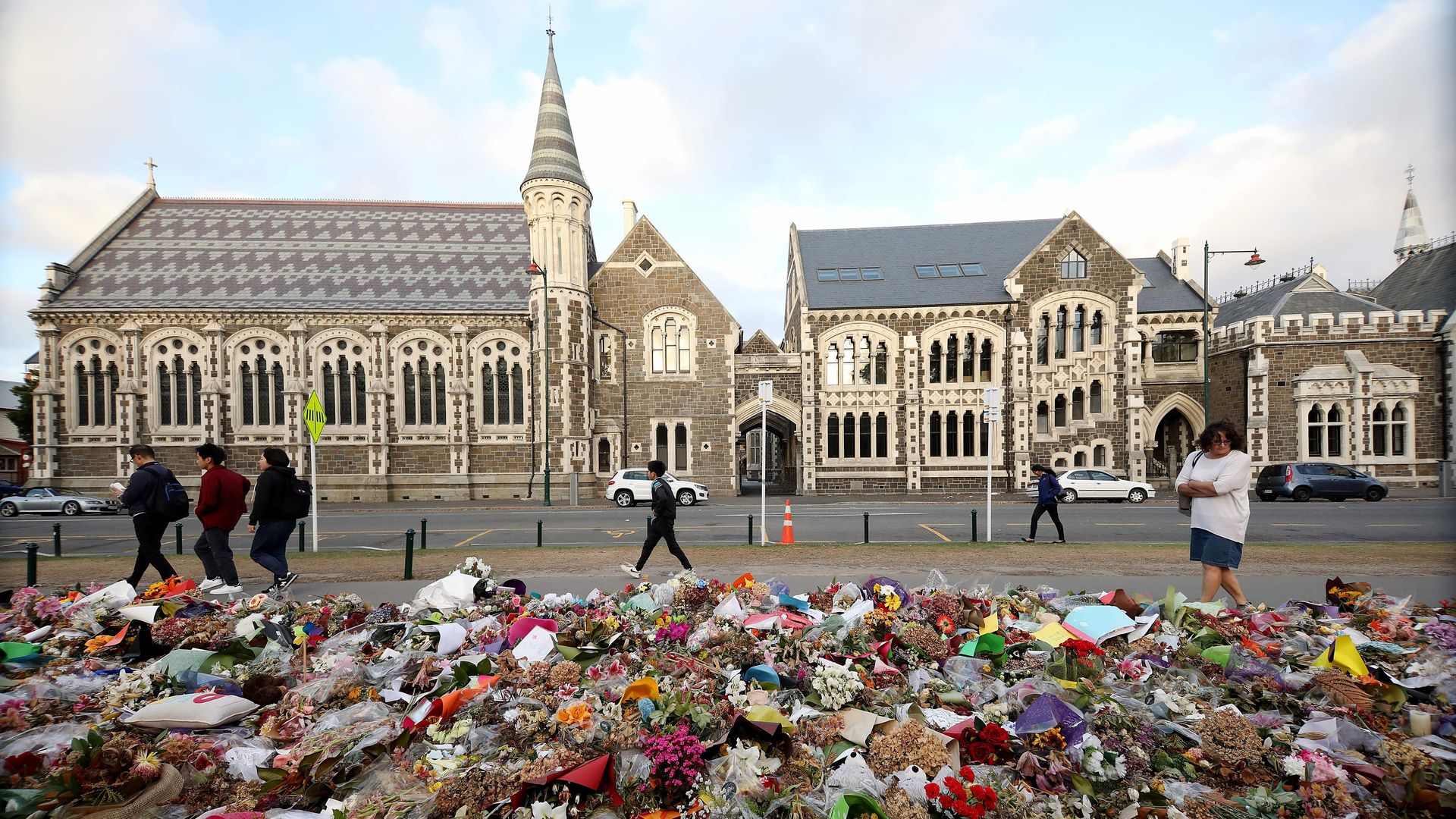
The Christchurch Call, an effort to reduce violent extremist content online that was launched by governments and tech companies in the wake of the Christchurch, New Zealand, shootings, has gained fresh support.
Driving the news: More countries are expected to soon sign onto the pledge — with the new additions expected to be announced next week at the UN General Assembly in New York.
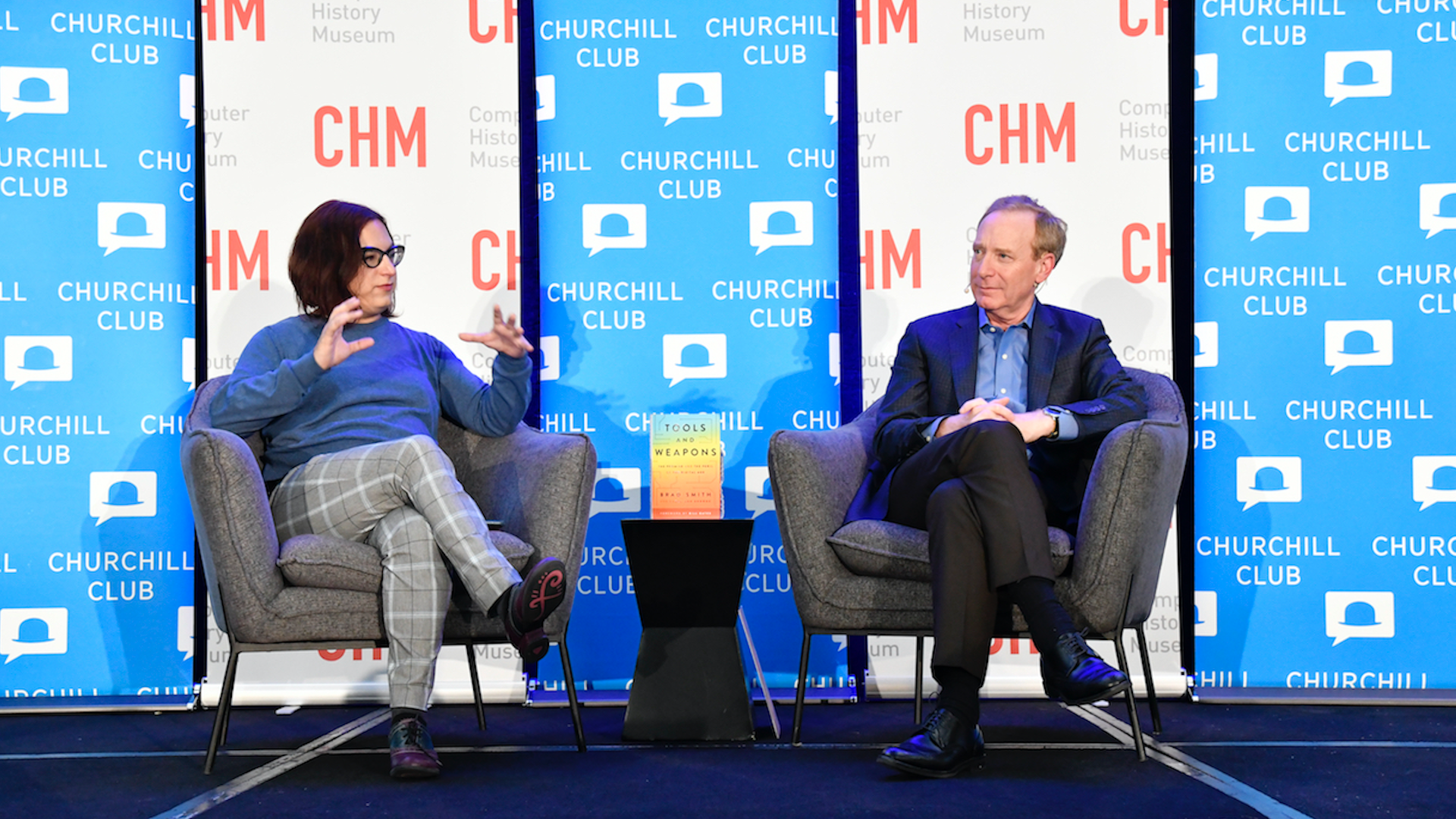
On Monday, I asked Microsoft president Brad Smith, who is all too familiar with antitrust battles, whether he thinks the antitrust investigation caused Microsoft to miss shifts in technology, such as the iPhone.
Why it matters: Microsoft wasn't broken up, as one judge initially ordered, but it spent years battling in court and ultimately was forced by regulators around the globe to pay fines and offer Windows customers in some places the ability to choose a different browser.
Part of Amazon's sweeping climate change plan is to deploy 10,000 electric delivery vans made by the startup Rivian as soon as 2022, and 100,000 by 2030 — and perhaps much faster.
Why it matters: It's a major sign that that deep-pocketed players see Rivian as well positioned among the electric vehicle startups to cross the bridge into substantial commercial production.
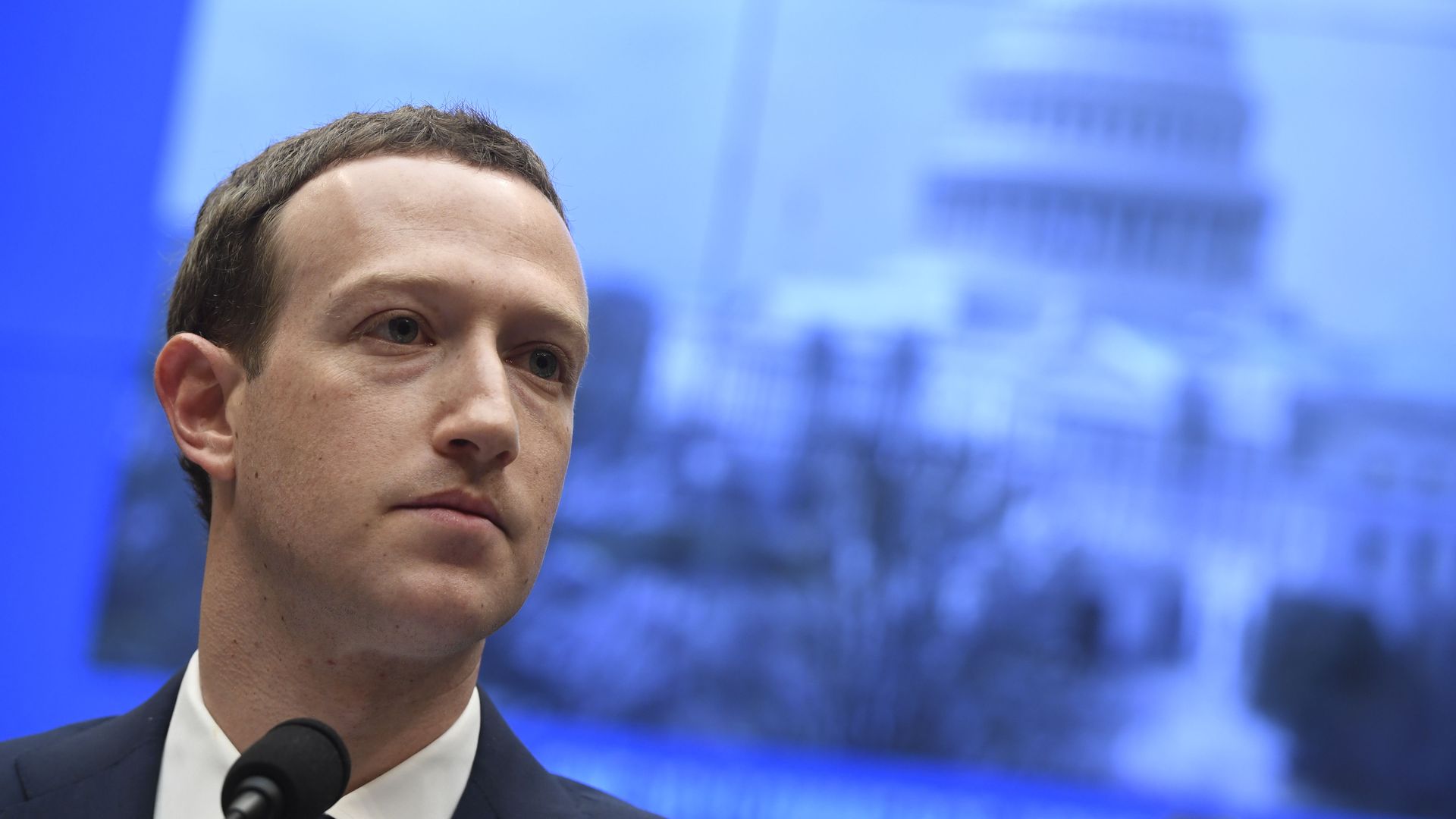
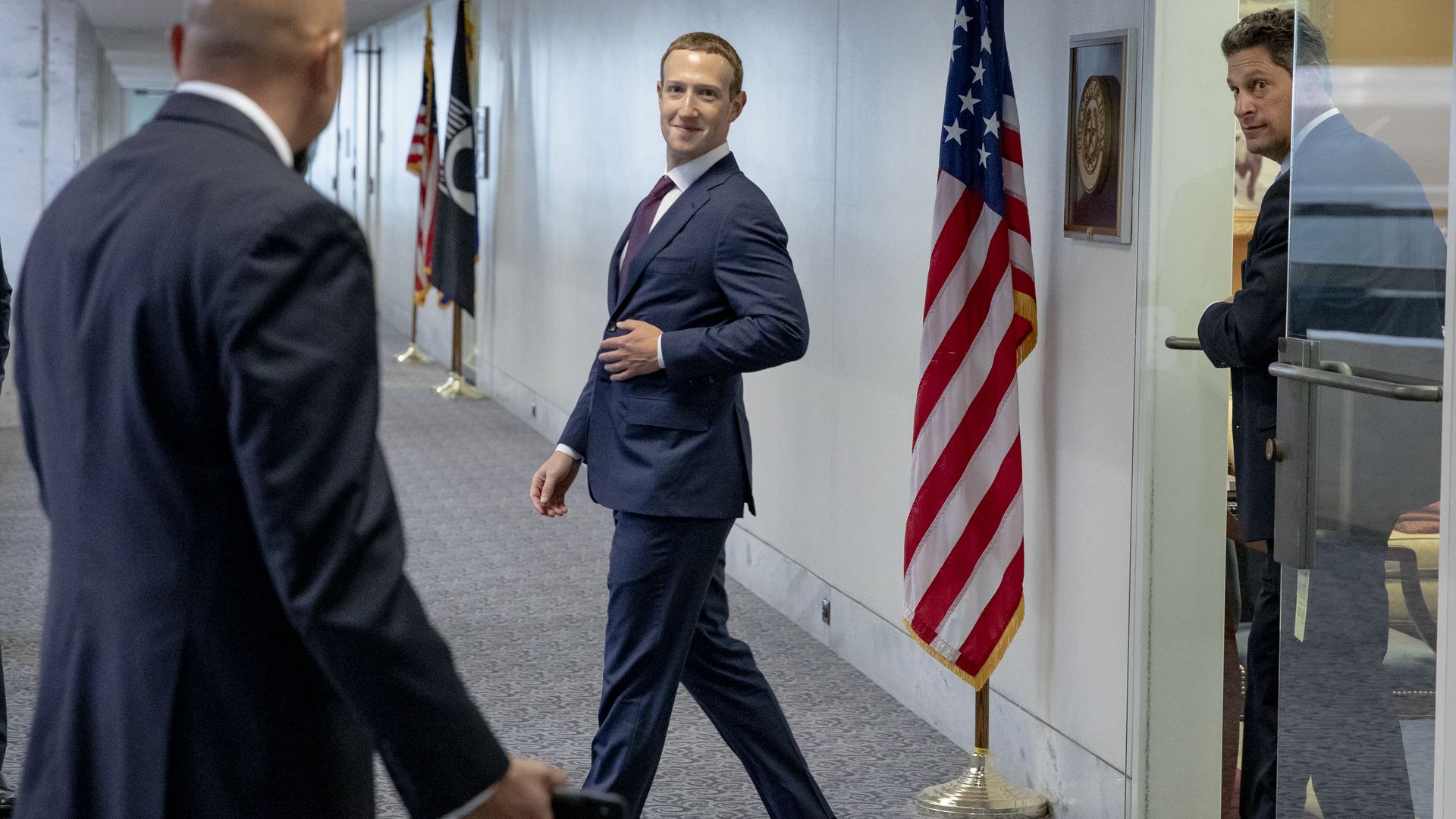
Facebook CEO Mark Zuckerberg met with key senators and then visited President Trump at the White House Thursday, as his company navigates an increasingly dense maze of antitrust probes and regulatory initiatives.
Why it matters: With this week's private dinners, senatorial sit-downs and presidential audience, Zuckerberg aims to move Facebook beyond playing defense and toward a meaningful dialogue on regulating the internet, sources tell Axios.
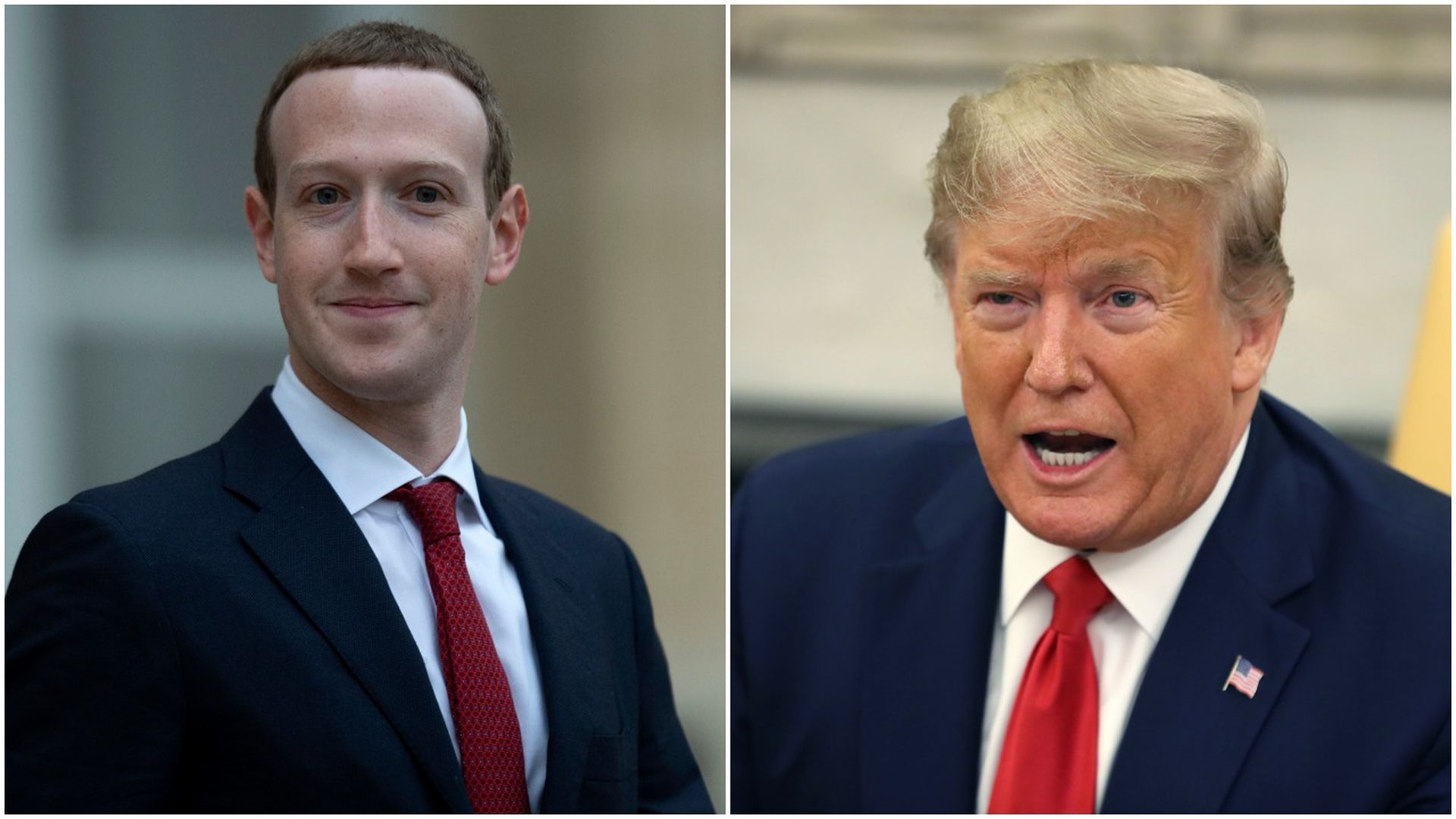
Facebook CEO Mark Zuckerberg held an unannounced meeting with President Trump during his visit to Washington on Thursday, Axios has learned.
Why it matters: With Facebook under pressure from regulators and lawmakers on privacy and other issues, Zuckerberg turned to personal diplomacy with the president on his first visit to D.C. since he testified before Congress last April. Zuckerberg also ate dinner with a group of senators on Wednesday and held a number of meetings on Capitol Hill.
A new feature in Mozilla and, soon, Chrome web browsers will stop snoops — from your boss to criminals — from tracking which sites you visit. But the same technology also has opponents, as many groups fighting child exploitation say it will hamper their work, and a few internet experts argue it will undermine security.
The big picture: The feature, known as DNS over HTTPS (DoH), has a lot of support in the internet engineering and privacy communities, including the Internet Engineering Task Force, a key internet standards body. But as in the larger debate over encryption, privacy benefits can have downsides for some parties.
Customers have to wait another day to buy the latest iPhones, but starting Thursday they can update existing phones to the latest operating system.
Why it matters: iOS 13 won't magically add a third camera to the back of your phone, but it will deliver other features found on the latest iPhones, including dark mode, Sign in with Apple and improved maps and photos.
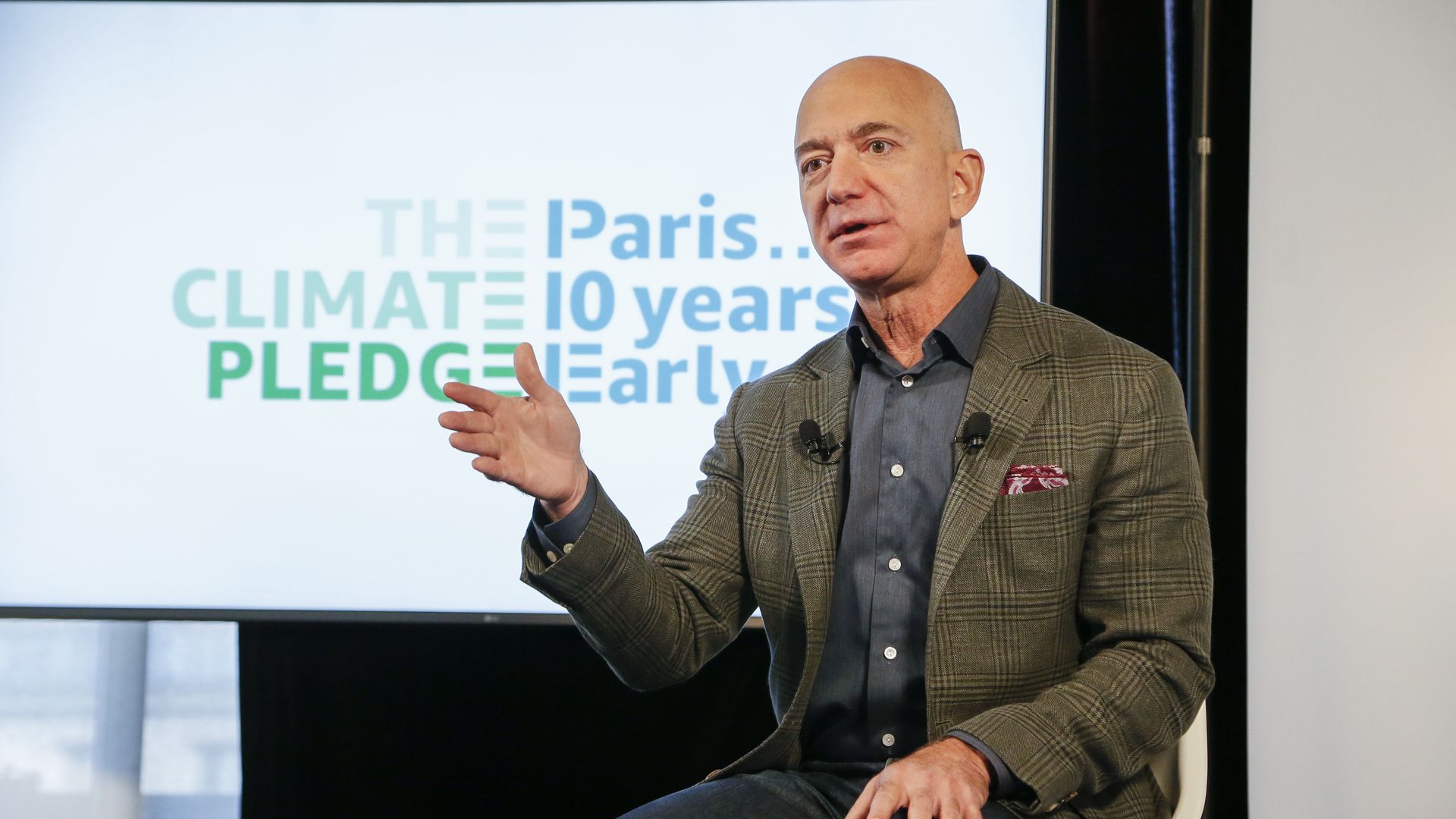
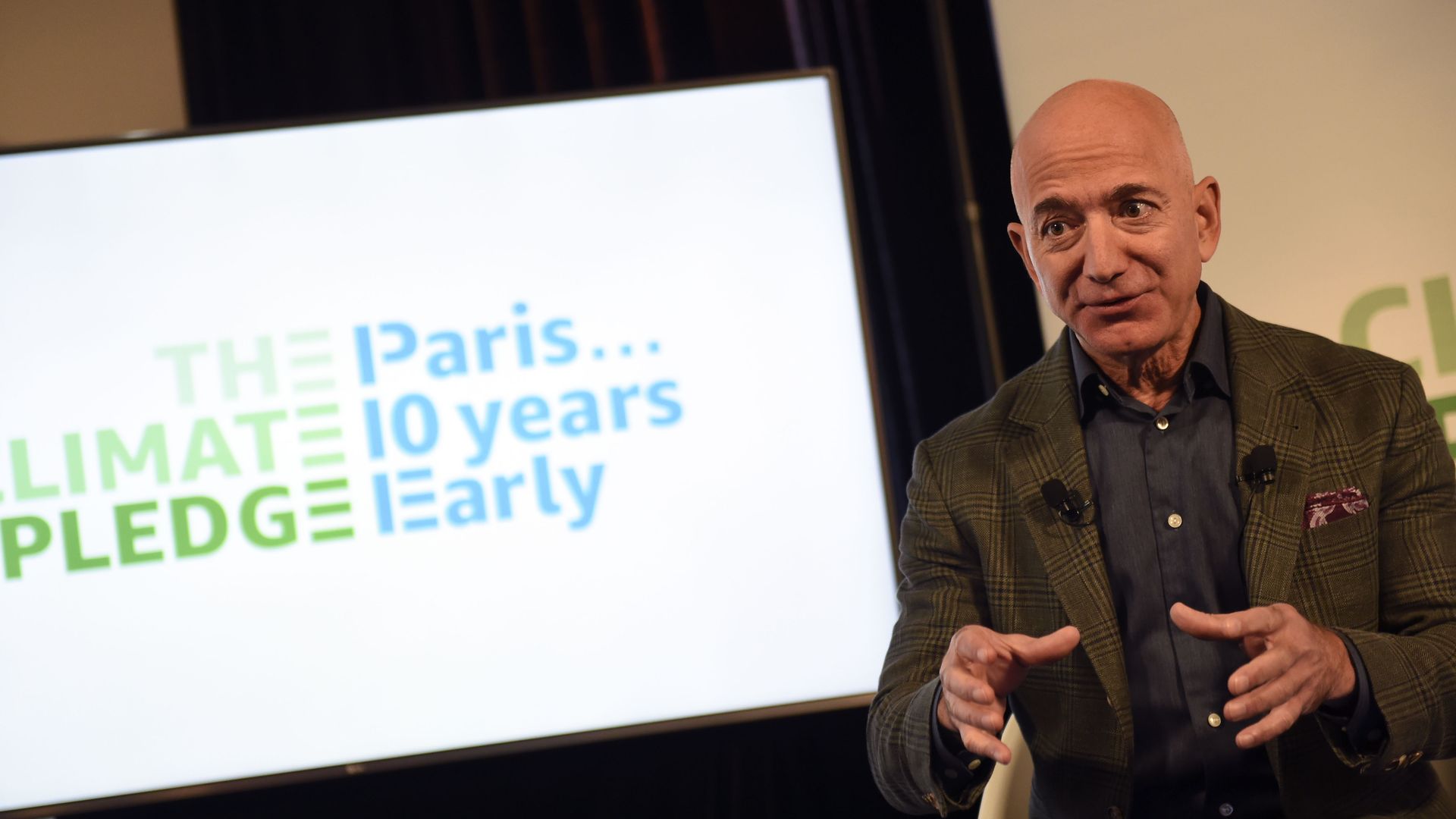
Jeff Bezos announced Amazon’s Climate Pledge — to hit the Paris climate accord goal of carbon neutrality in 2040, 10 years early — Thursday in Washington, D.C.
Why it matters: More than 1,000 Amazon employees in Seattle plan to walk out Friday as part of the Global Climate Strike, CNBC reports. And over 8,200 have signed an open letter to Bezos to lower Amazon's carbon footprint.
Microsoft plans to buy back as much as $40 billion in stock and raise its dividend to 51 cents a share, the company said Wednesday. It's the third time Microsoft has authorized a package that large, following $40 billion buybacks in 2013 and in 2016.
The big picture: S&P 500 companies are again picking up the pace of buybacks after a major lull in the second quarter, with tech companies leading the way.
At an MIT conference on Wednesday, a journalist pointedly asked Russian President Vladimir Putin whether he would interfere again in U.S. elections. Putin demurred.
What's happening: The world leader was actually a glitchy deepfake. His face was a real-time AI-generated mask that made a performer look like Putin on screen — but because the mask stopped at the forehead, this was Putin with a fresh head of hair.
For the last 2 years, Amazon has largely been a subplot in the global backlash against Big Tech, with much of the scrutiny on Facebook, Uber and Google — until now.
Why it matters: Amazon is one of the richest companies in history, and for decades, no amount of bad news has stuck to it. Now, an onslaught of regulatory investigations and critical coverage is putting the behemoth on the defensive.
Facebook CEO Mark Zuckerberg discussed election security and privacy with a group of senators over dinner ahead of his return to Capitol Hill Thursday, said a spokesperson for Sen. Mark Warner (D-Va.), who organized the meeting.
Why it matters: Per Axios' Mike Allen, Zuckerberg is returning to Washington to meet with lawmakers for the first time since he testified before Congress in April 2018. He's trying to engage with Washington at a time when pressure on Facebook is rising from regulators and legislators around the world.















/2019/09/16/1568645733017.gif?w=3840)