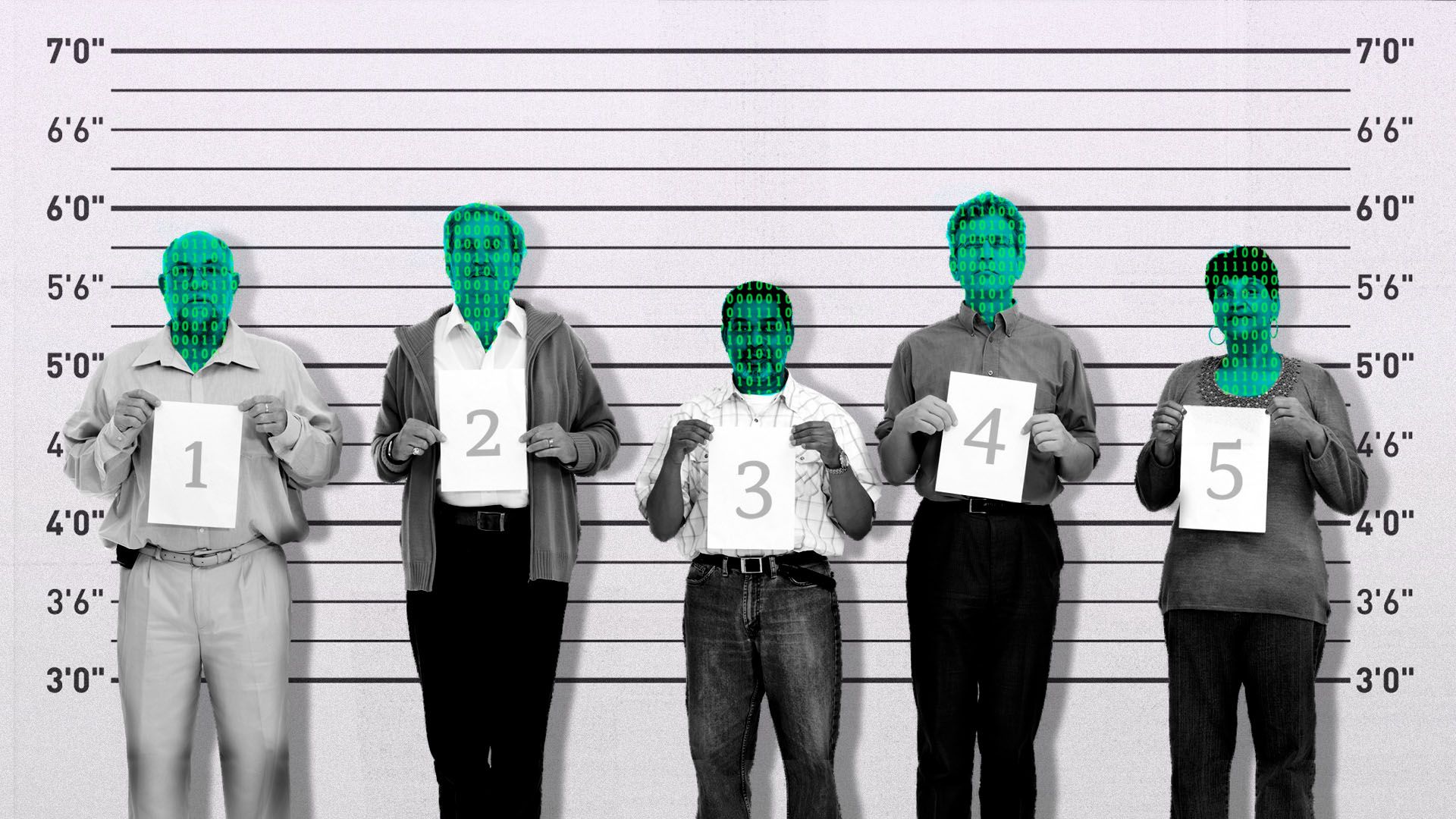
Tech giants, startups and academic labs are pumping out datasets and detectors in hopes of jump-starting the effort to create an automated system that can separate real videos, images and voice recordings from AI forgeries.
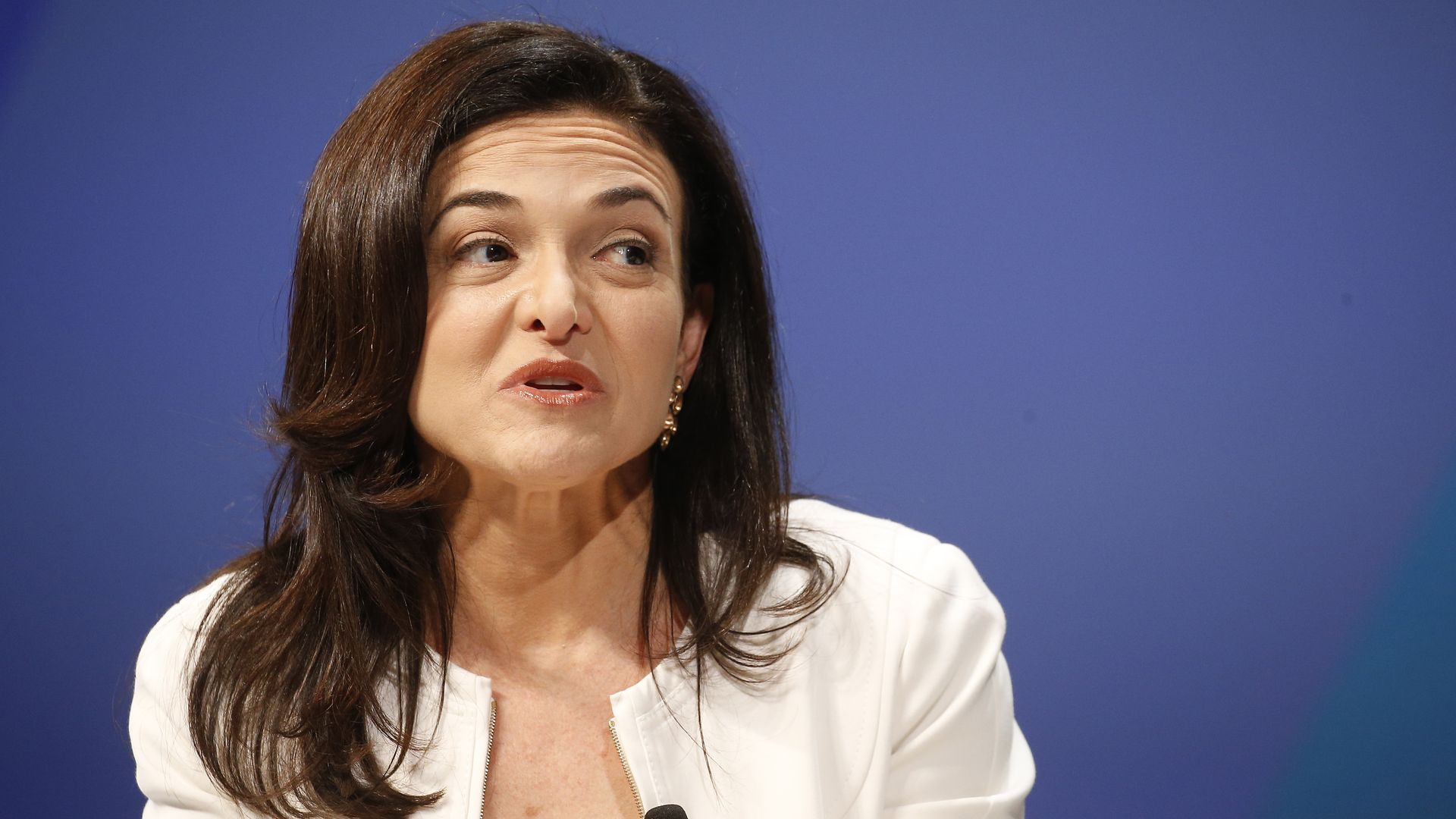
Facebook COO Sheryl Sandberg spent Thursday in Atlanta as part of a town hall Facebook held with a number of civil rights groups. Nearly 100 people took part in the 5-hour meeting, which comes ahead of a civil rights audit due before the end of the year.
Why it matters: Facebook has come under fire for a number of actions and policies, including providing a forum for white supremacy and allowing targeted advertising that facilitates discrimination.
There are technology breakthroughs still needed before we get to strap on a pair of affordable, lightweight augmented reality-glasses with all-day battery life that seamlessly overlay information over an unobstructed view of the real world — but the time to start preparing for that future is now.
Why it matters: Augmented reality offers a range of enticing possibilities, but also will raise fresh concerns about privacy, advertising and just how much we want our lives to revolve around constant connectivity.
Google has hired Ohio Republican Sen. Rob Portman's chief of staff Mark Isakowitzto run its Washington, D.C. public policy office.
Why it matters: Isakowitz takes the job as Google is facing increasing regulatory pressure over its market dominance, its handing of misinformation, privacy and accusations of censoring conservative viewpoints, Axios' Kim Hart emails.
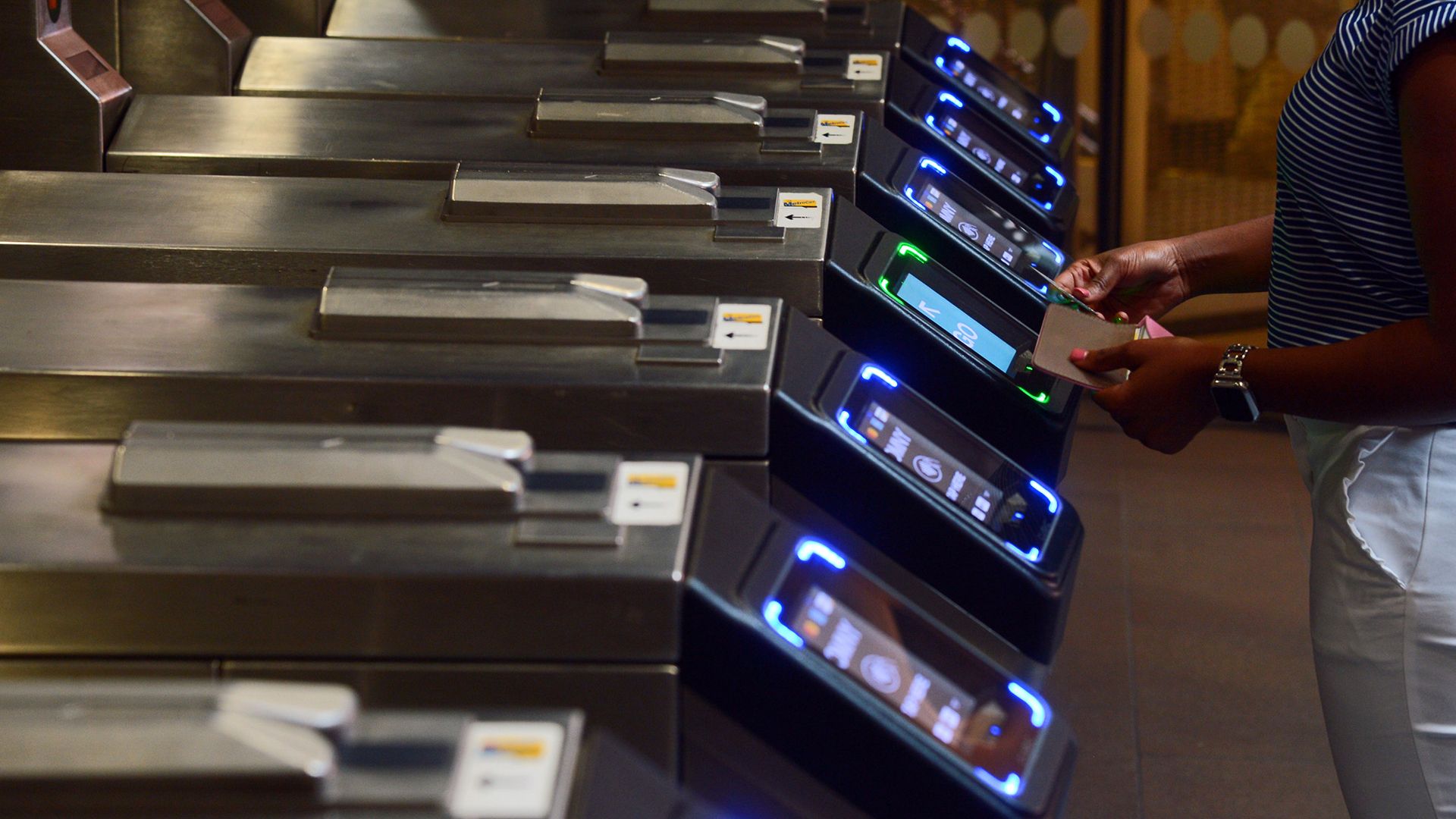
The New York City subway system recently reached 1 million “taps” in its contactless payment system, as a growing number of public transit agencies adopt the payment technology for its convenience and efficiency.
Why it matters: Contactless payment technology can bring down operating costs and act as a test case for subsequent attempts to make subways more accessible and modern.
More state Medicaid programs are making it easier for patients to use ride-sharing companies like Uber and Lyft as a non-emergency transportation benefit, Kaiser Health News reports.
Why it matters: More than 2 million Medicaid enrollees under 65 years old delayed their care in 2017 because they lacked transportation, per a federal survey.