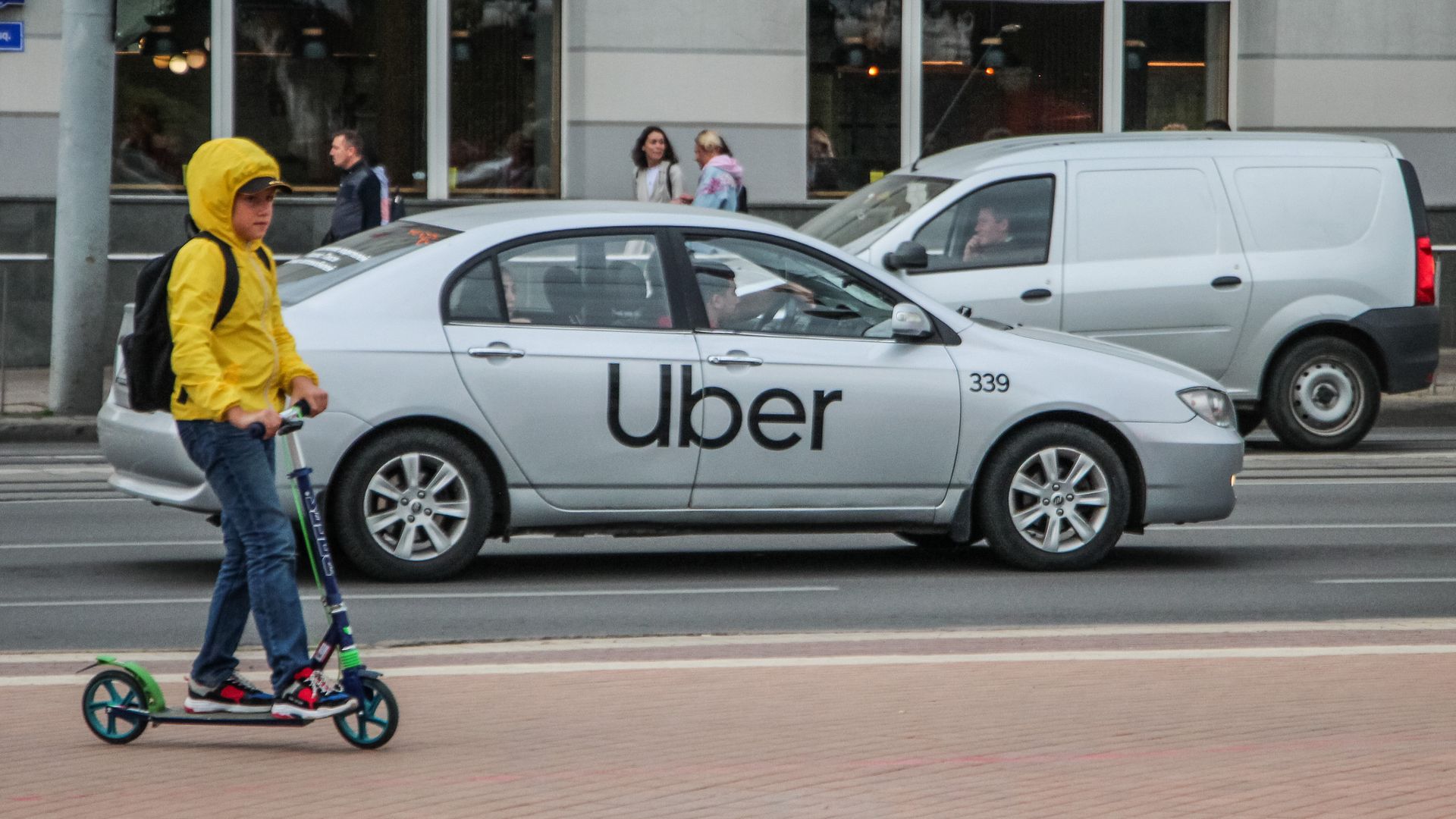
Uber is testing out a feature that will let uncomfortable riders audio record their trips and send it to the company, according to Jane Manchun Wong, a developer known for reverse engineering apps to find unreleased features.
Why it matters: The rideshare company has been criticized for the safety of its app and for its handling of violence, sexual harassment and assault during rides.
With impeachment hogging Congress' agenda, no national privacy law is likely to pre-empt California's stringent rules from going into effect next year — and activists in the state are already gearing up to put an even tougher initiative on the state's 2020 ballot.
Why it matters: California's rules often become de facto national standards. Home to Google and Facebook, this is where the tech industry's user-tracking, ad-targeting economy was born, but now it's also where efforts to tame the industry keep sprouting.
Globally, no city is even close to being prepared for the challenges brought by AI and automation. Of those ranking highest in terms of readiness, nearly 70% are outside the U.S., according to a report by Oliver Wyman.
Why it matters: Cities are ground zero for the 4th industrial revolution. 68% of the world's population will live in cities by 2050, per UN estimates. During the same period, AI is expected to upend most aspects of how those people live and work.
A landmark privacy law in California, which kicks in Jan. 1, will give Golden State residents the right to find out what a company knows about them and get it deleted — and to stop the company from selling it.
Why it matters: It could effectively become a national privacy law, since companies that are racing to comply with it may give these privileges to non-Californians, too.