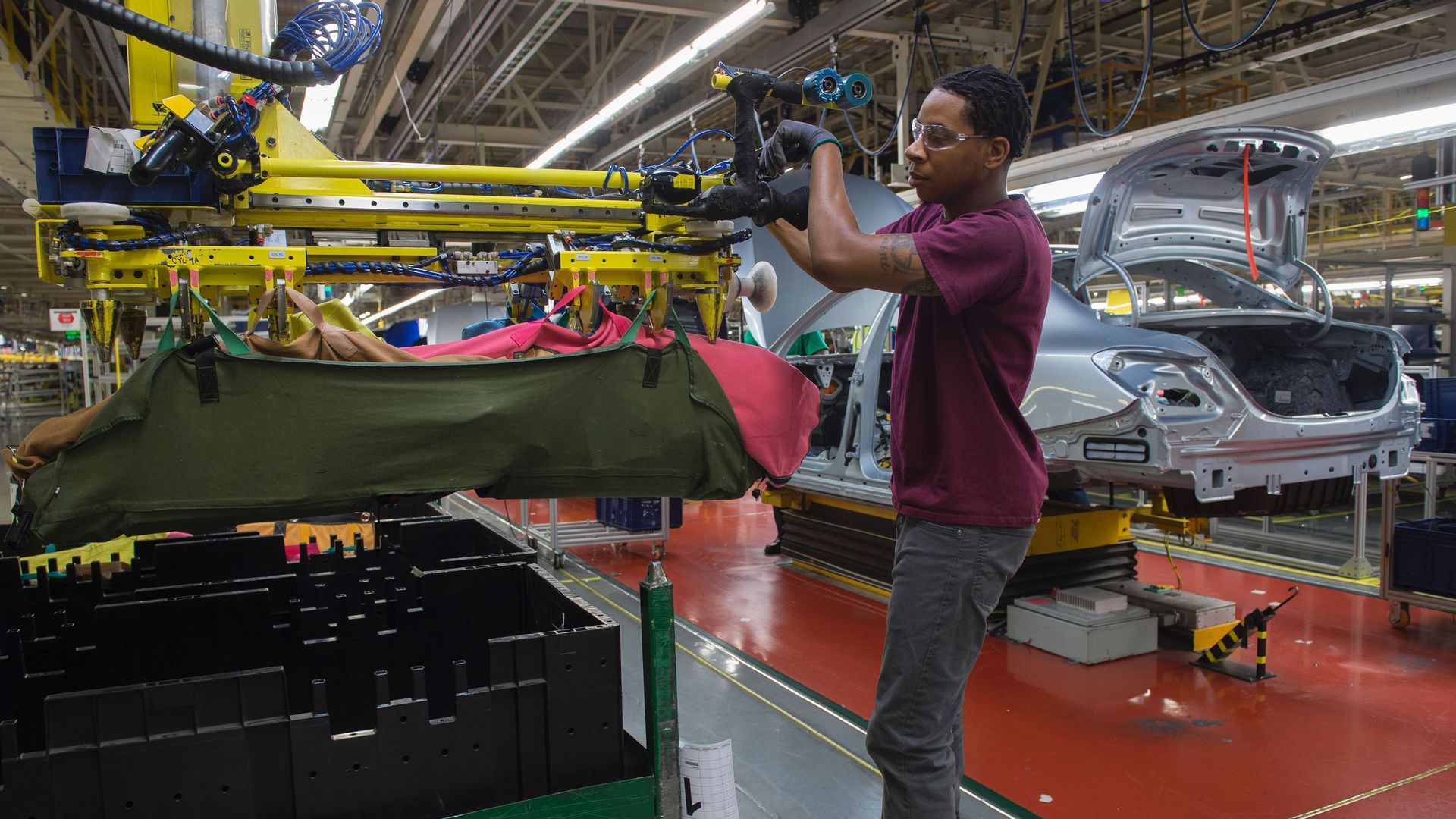
Job automation has become a key factor in economic anxiety in recent years. As 2020 campaigns begin, Republicans are far more likely than Democrats to live and work in regions with highly automatable jobs, according to a new analysis from Brookings.
Driving the news: Brookings' Mark Muro, Jacob Whiton and Robert Maxim find a correlation between susceptibility to automation and red congressional districts. In the 2018 midterms, they found that 46 of the 50 congressional districts most exposed to automation elected Republicans. Similarly, all 50 of the least-exposed districts are represented by Democrats.
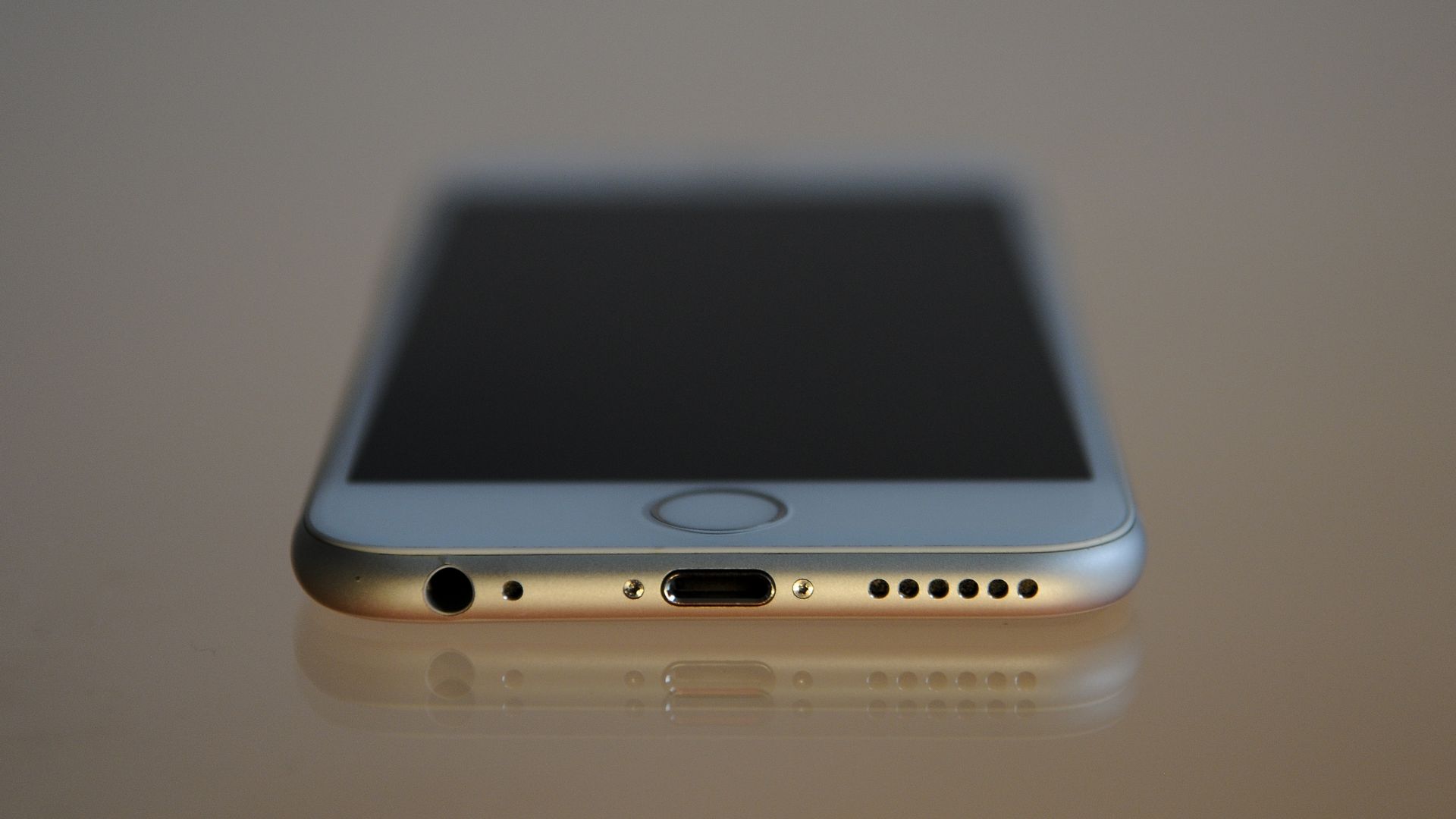
A federal trade judge has determined that Apple infringed on a Qualcomm patent and therefore some older iPhone models should be banned from U.S. import, Bloomberg reports.
Why it matters: This is another round in a broad legal dispute that spans cases in multiple venues in countries across the globe. The threat of an import ban — which the full U.S. International Trade Commission would have to approve — is more likely to make a difference to Apple than any potential fine.
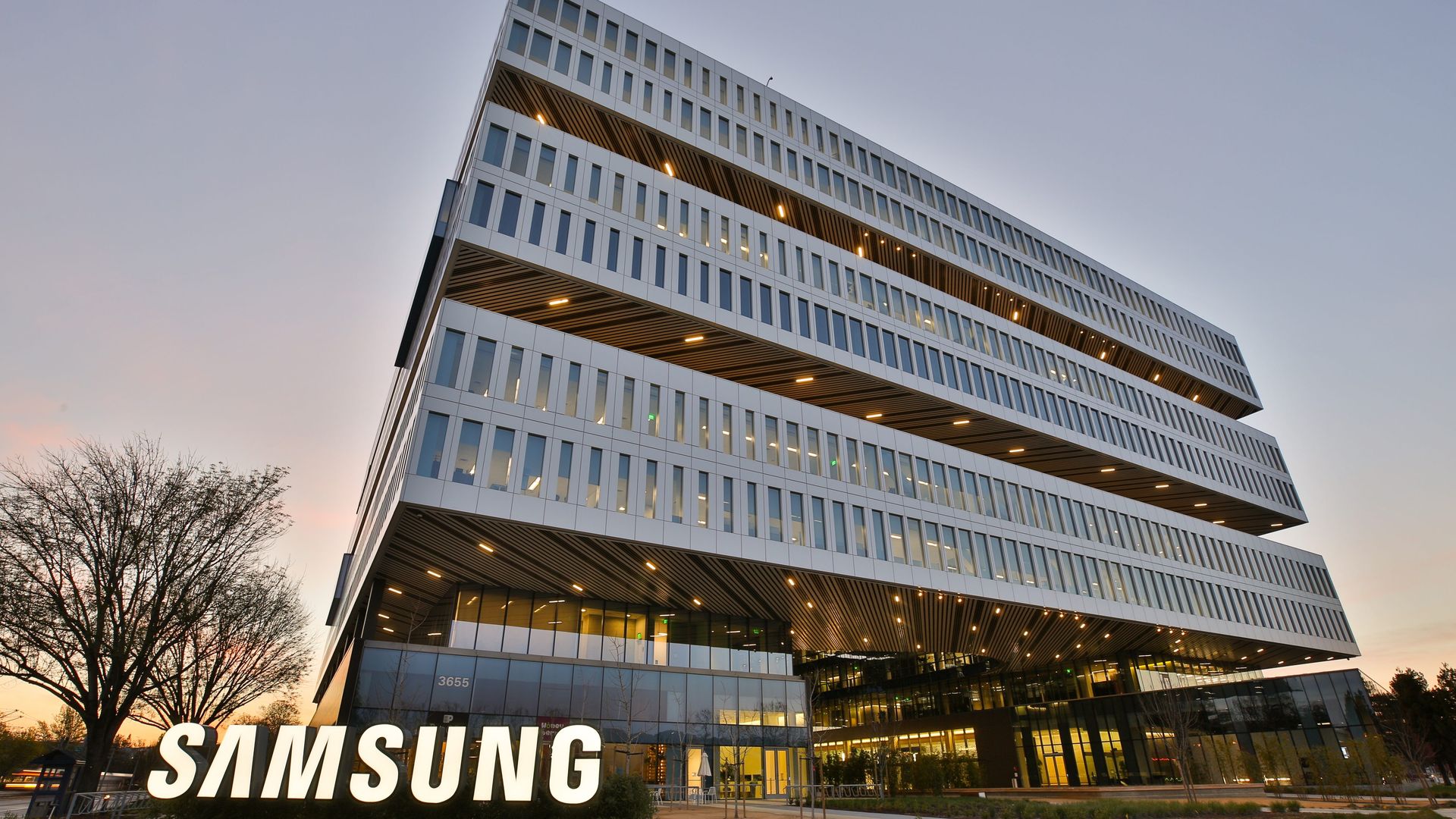
Samsung Electronics warned on Tuesday that its first quarter profits will fall short of expectations amid weakness in its chips and display businesses.
Why it matters: The shortfall is in Samsung's component business, indicating that the issue extends well beyond Samsung's own consumer electronics products and suggests sluggishness throughout the industry.
The Federal Trade Commission has issued orders to 7 U.S. broadband providers, including AT&T, Verizon, T-Mobile, Comcast and Google Fiber, demanding they hand over information about their privacy practices and how they monetize consumer data — including those practices the companies have chosen to keep under wraps.
Details: The FTC wants to know what kind of personal information these companies are collecting from users and how they're using that data, including whether they are sharing it with third parties. The FTC has requested the companies also share whether consumers have a choice in the collection and use of their data and whether users who opt-out of collection are punished.
The European Union's parliament signed off on a controversial copyright law on Tuesday.
Why it matters: The rules have been criticized by major web companies as well as activists. They say that it will undermine basic principles of the internet that have allowed content to flow freely across the web.
Apple's reputation for launching products that transform entire markets could become a casualty of its transition from selling gadgets to peddling "services" — the company's catch-all label for the grab-bag of TV, news media and gaming bundles it announced Monday.
Why it matters: Apple's genius under Steve Jobs lay in focusing on a very small number of unique products, but its new offerings are scattershot additions to already crowded media marketplaces. Some may prove hits, others may flounder — but none of them looks poised to "change the world," no matter how many times Apple and its partners repeat that phrase.
The big picture: As Lyft prepares to go public, it's still grappling with ride-hailing drivers' top complaint: insufficient earnings. The company is aiming to help them not by giving them a bigger slice of their fares (which it could do by cutting its commissions), but rather by cutting the drivers' costs.
Google is launching the Local Experiments Project, an effort to fund dozens of new local news websites around the country and eventually around the world. The tech giant says it will have no editorial control over the sites, which will be built by partners it selects with local news expertise.
Why it matters: Big tech companies like Google and Facebook are often blamed for the demise of the local news business model. Now, both are trying to fix the broken local news ecosystem for the sake of their audiences, which they say crave more local news.
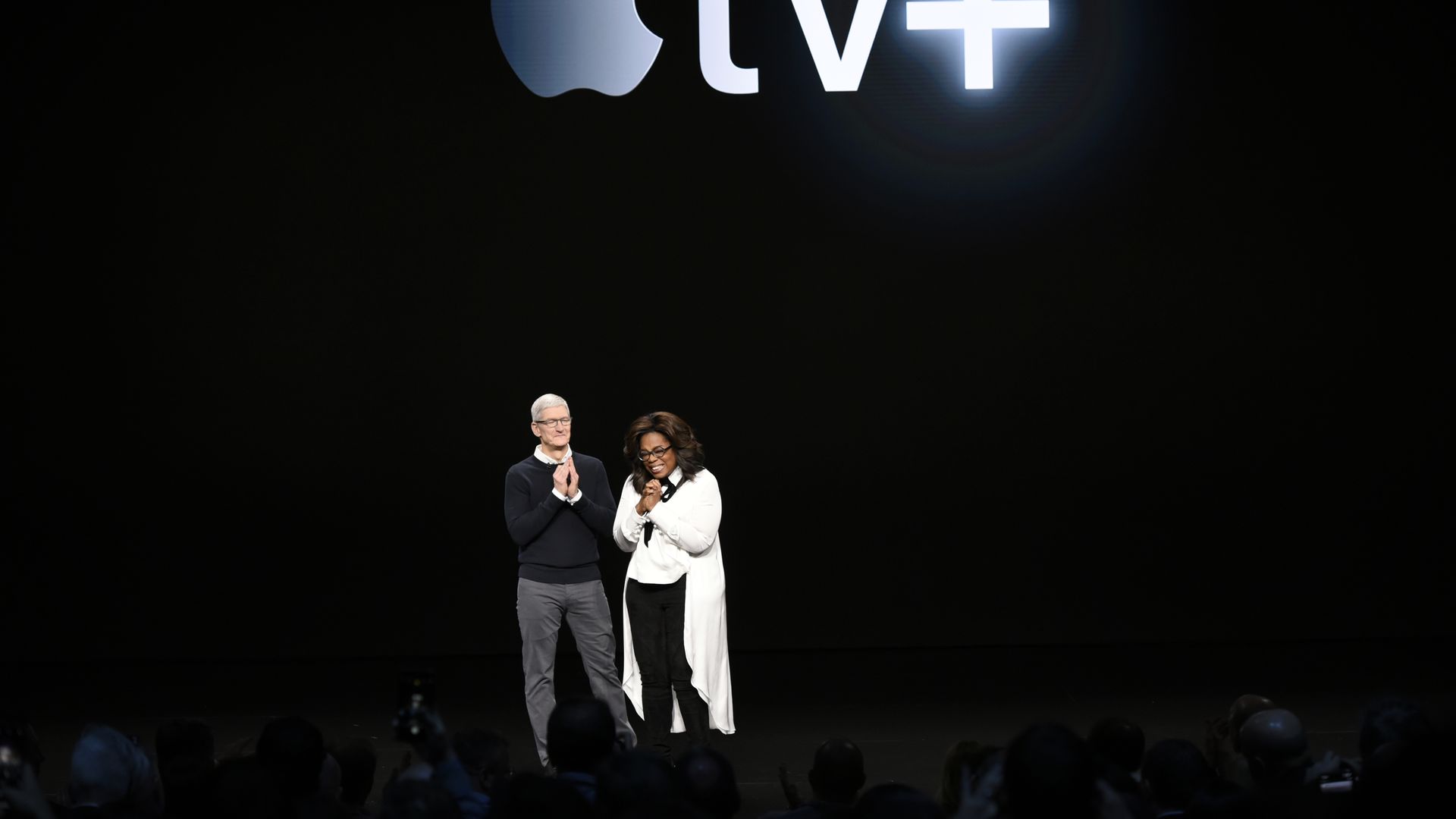
Apple paraded some of Hollywood's biggest stars on stage Monday to unveil its master plan to take on the media business. But for what was supposed to be Apple's big coming-out party, the company left some basic questions unanswered.
The bottom line: Apple made it clear that in order to build a big media business, it will need to lean heavily into the billions of Apple devices already in customers' hands. But it hedged on spelling out what all of those services would look like, which ultimately softened its big pitch to take on Hollywood.
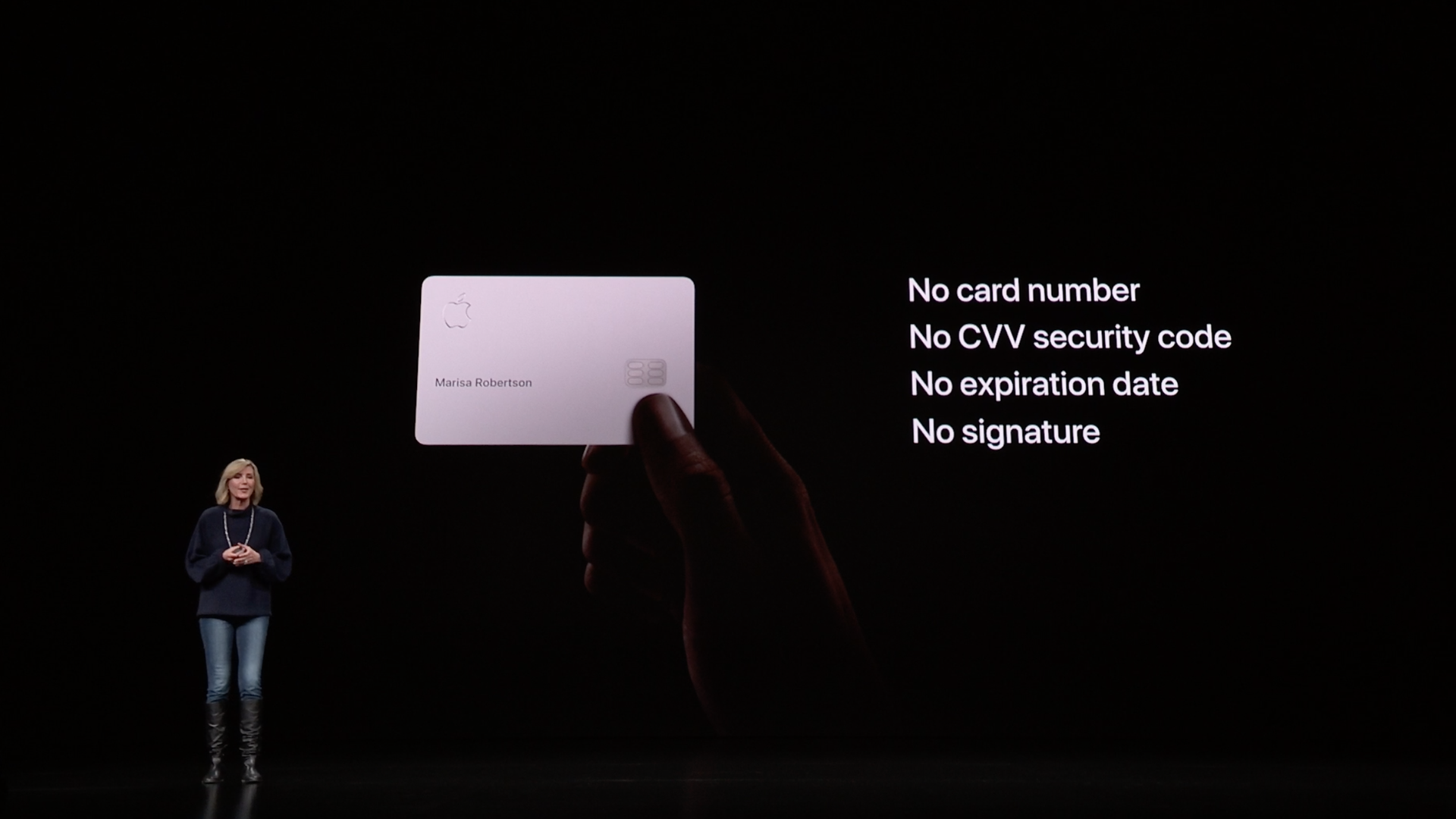
Most Apple products are expensive. You want them, but you hate how much you're forced to pay for them. They often use premium materials, too. When the titanium PowerBook was launched in January 2001, it started at $2,599 — $3,750 in today's dollars. The titanium Apple Card, by contrast, launched Monday with great fanfare, is entirely free.
Why it matters: This is an ambitious attempt by both Goldman and Apple to break into the world of consumer finance. But gaining significant market share from the giants in the space will not be easy.
Uber confirmed early Tuesday its long-rumored acquisition of Middle East ride-hailing company Careem for $3.1 billion.
The bottom line: Uber has been shedding its operations in several regions as it seeks to streamline its business, so this acquisition suggests it sees important market growth and potential in the Middle East.