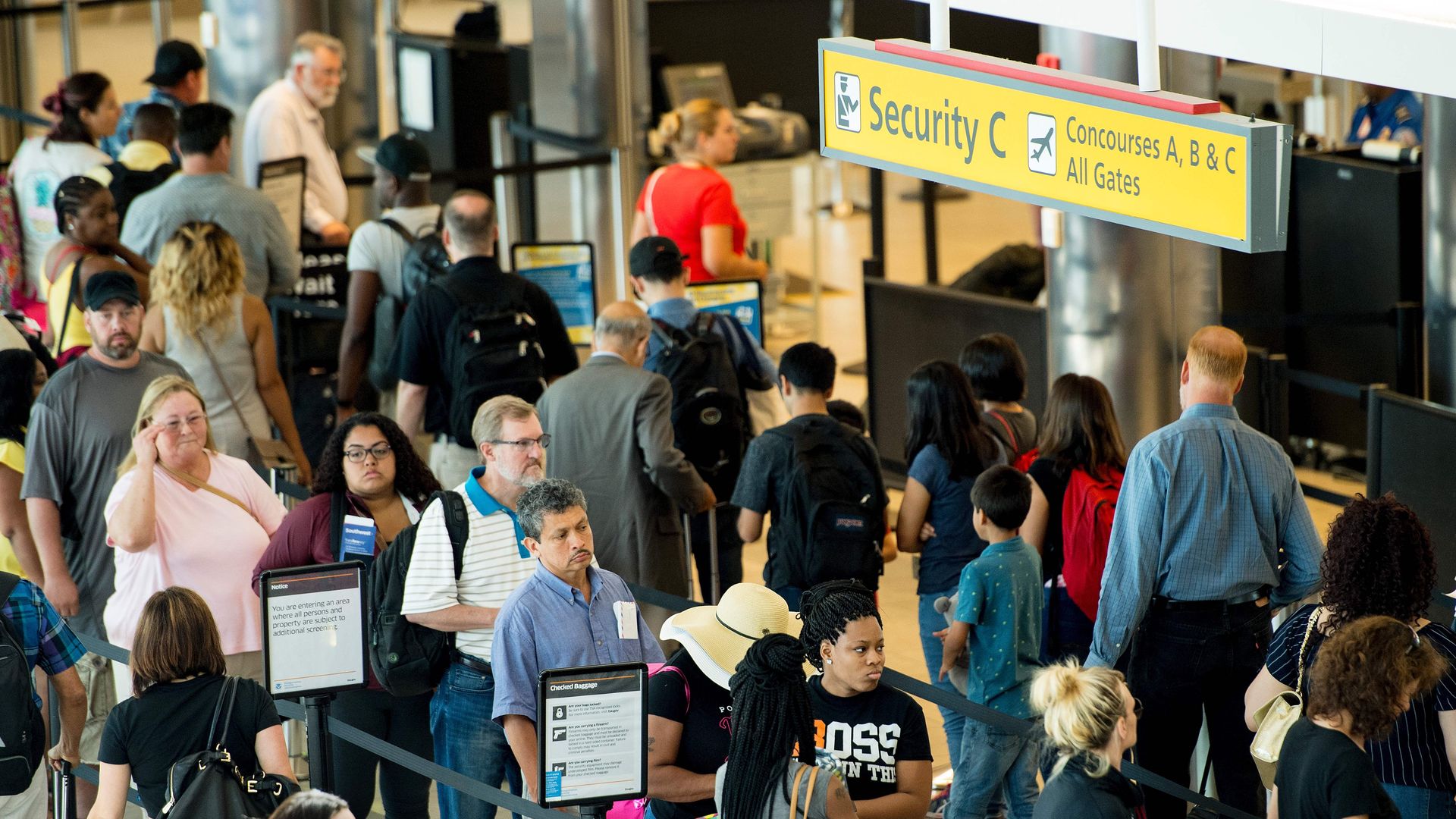
Baltimore/Washington International Thurgood Marshall Airport was forced to close a security checkpoint Saturday and exercise a contingency plan due to "excessive callouts" by TSA agents.
The big picture: TSA agents and other airport personnel have been working without pay for almost an entire month, with the government shutdown now on its 29th day. Lawmakers have speculated that pressure on the U.S. aviation system — if it reaches a point of total dysfunction — could be the breaking point that leads to President Trump and Democrats striking a deal to reopen the government.
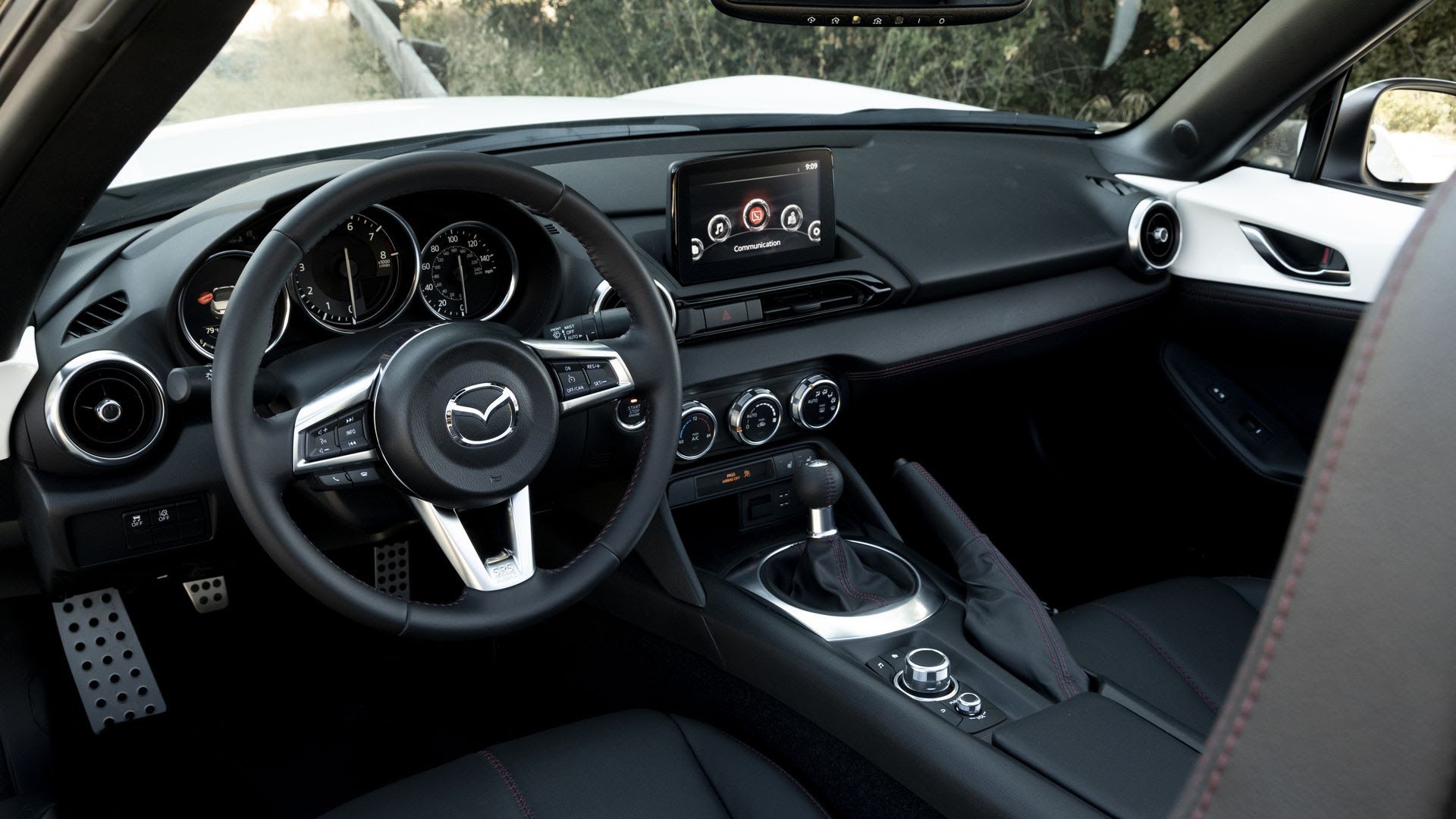
It's the middle of January and I'm tooling around Detroit in a two-seat Mazda Miata MX-5 RF convertible. There's something depressing about driving a droptop in the dead of winter. You want nothing more than to fold down the top and feel the breeze in your hair.
So I admit I wasn't enthusiastic about stuffing myself, down parka and all, into the low-slung coupe with the retractable aluminum hardtop — until I pressed the clutch and peeled out onto the icy street.
As we've chronicled before, Big Tech is at war with itself. Now, Microsoft is pitted against Amazon on their home turf.
Driving the news: Microsoft announced that it would commit $500 million to building affordable housing in Seattle. In doing so, it showed up its neighbor Amazon, which fought publicly and bitterly with the city of Seattle over a per-employee "homelessness tax." Microsoft has grabbed all the kudos in Seattle, even though Amazon is involved in a slew of charities itself.
A freshman congresswoman who has held office for less than a month is dominating the Democratic conversation on Twitter, generating more interactions — retweets plus likes — than the six most prolific news organizations combined over the last 30 days.
The big picture: AlexandriaOcasio-Cortez is miles behind President Trump in the influence of her Twitter account. But he's the president — she's a new member of Congress who shot out of a cannon following the midterm elections. And she has far more power on Twitter than the most prominent Democrats, including the congressional leaders and the likely 2020 presidential candidates.
U.S. regulators at the Federal Trade Commission have met to discuss punishing Facebook over its privacy practices with a record-breaking fine that could exceed $22.5 million, the Washington Post’s Tony Room and Elizabeth Dwoskin report.
Why it matters: This would be the first major punishment against Facebook in the U.S. since its Cambridge Analytica scandal, Axios' David McCabe notes. It indicates the investigation, which began last year, has reached a later stage where the agency’s principals are considering possible actions. The devil will be in the details, which the Post says aren’t final yet.
Traditional SUVs and sports cars were the stars at this week's preview of Detroit auto show, but behind the scenes, some auto industry executives openly fretted about an uncertain future, including big questions about whether society is ready for self-driving cars.
The big picture: Autonomous vehicles are supposed to make the roads safer and improve access to transportation for all. To prepare for their arrival, automakers are placing huge bets to transform their businesses, with massive implications for jobs and consumers.
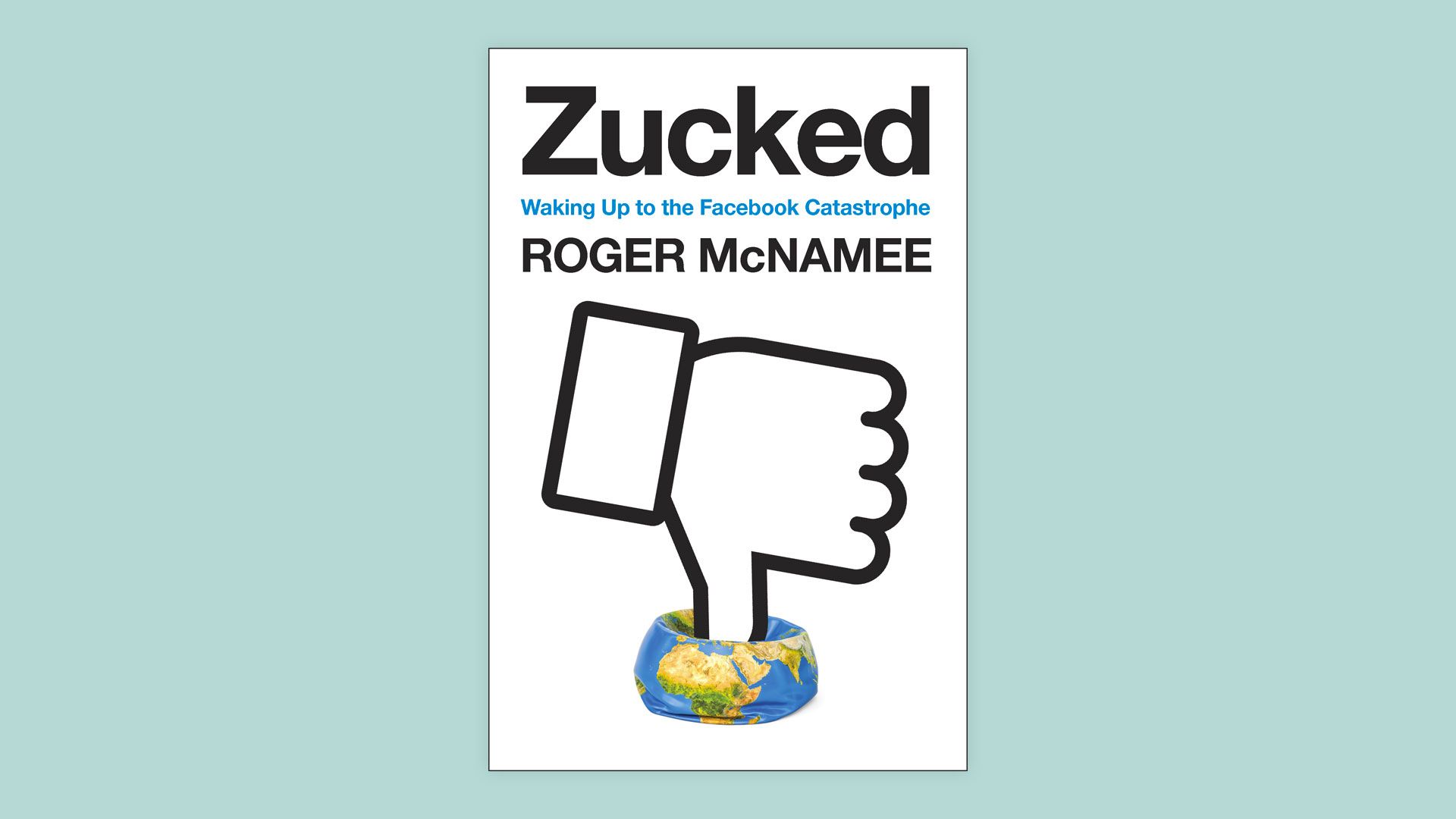
In his new book, due out next month, Facebook investor Roger McNamee reiterates his claims that the social network is bad for society while also offering fresh details on his efforts to bring regulatory attention to the company.
Why it matters: McNamee’s status as a one-time adviser to Facebook founder Mark Zuckerberg has made him one of the company’s most prominent critics. But Facebook is pushing back: "The reality is Roger McNamee hasn’t been involved with Facebook for a decade," said a spokesperson.
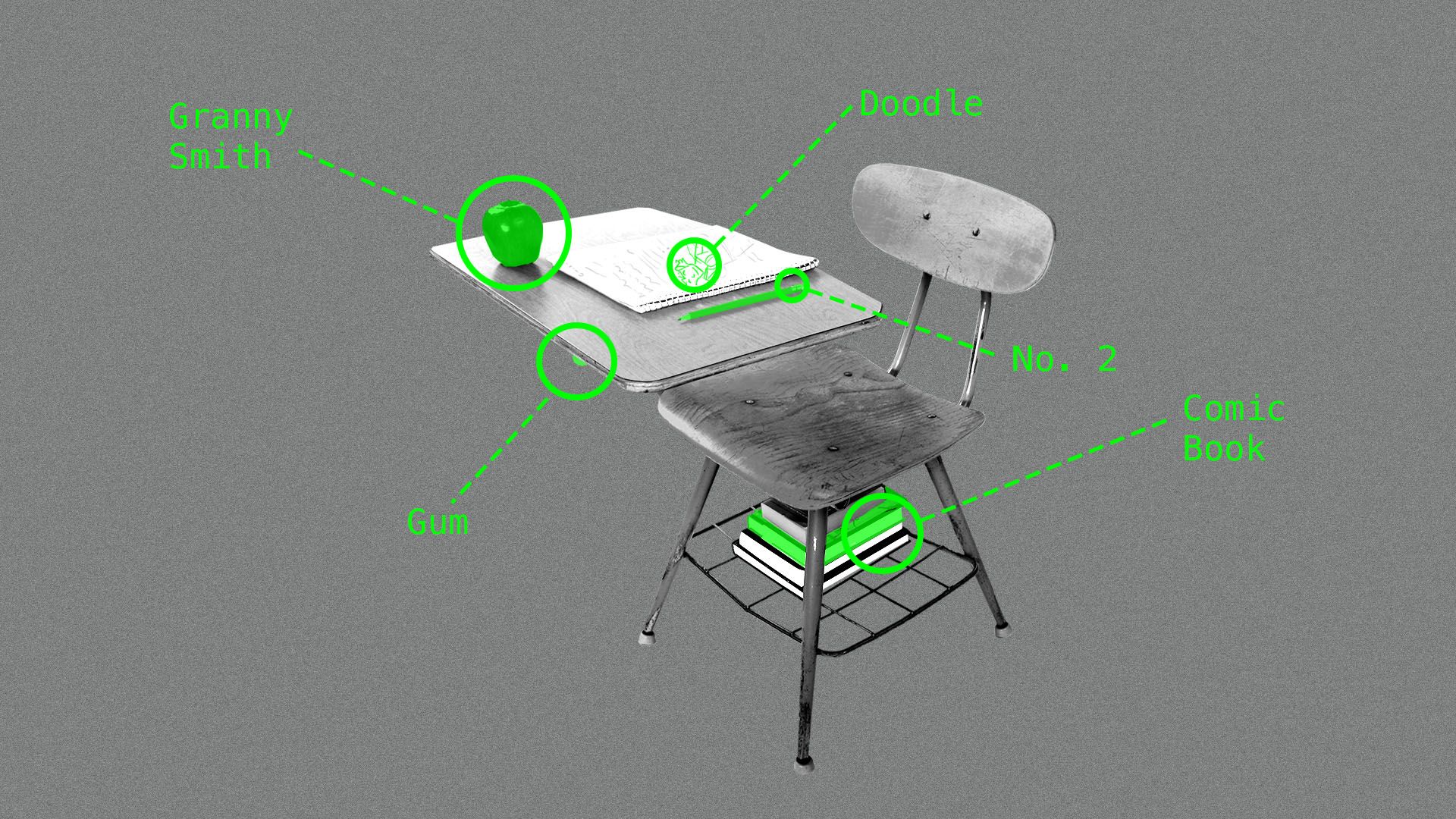
A new breed of intelligent video surveillance is being installed in schools around the country — tech that follows people around campus and detects unusual behaviors.
Why it matters: This new phase in campus surveillance responds to high-profile school shootings like the one in Parkland, Florida, last February. School administrators are now reaching for security tech that keeps a constant, increasingly sophisticated eye on halls and classrooms. One drawback: a major blow to student privacy.