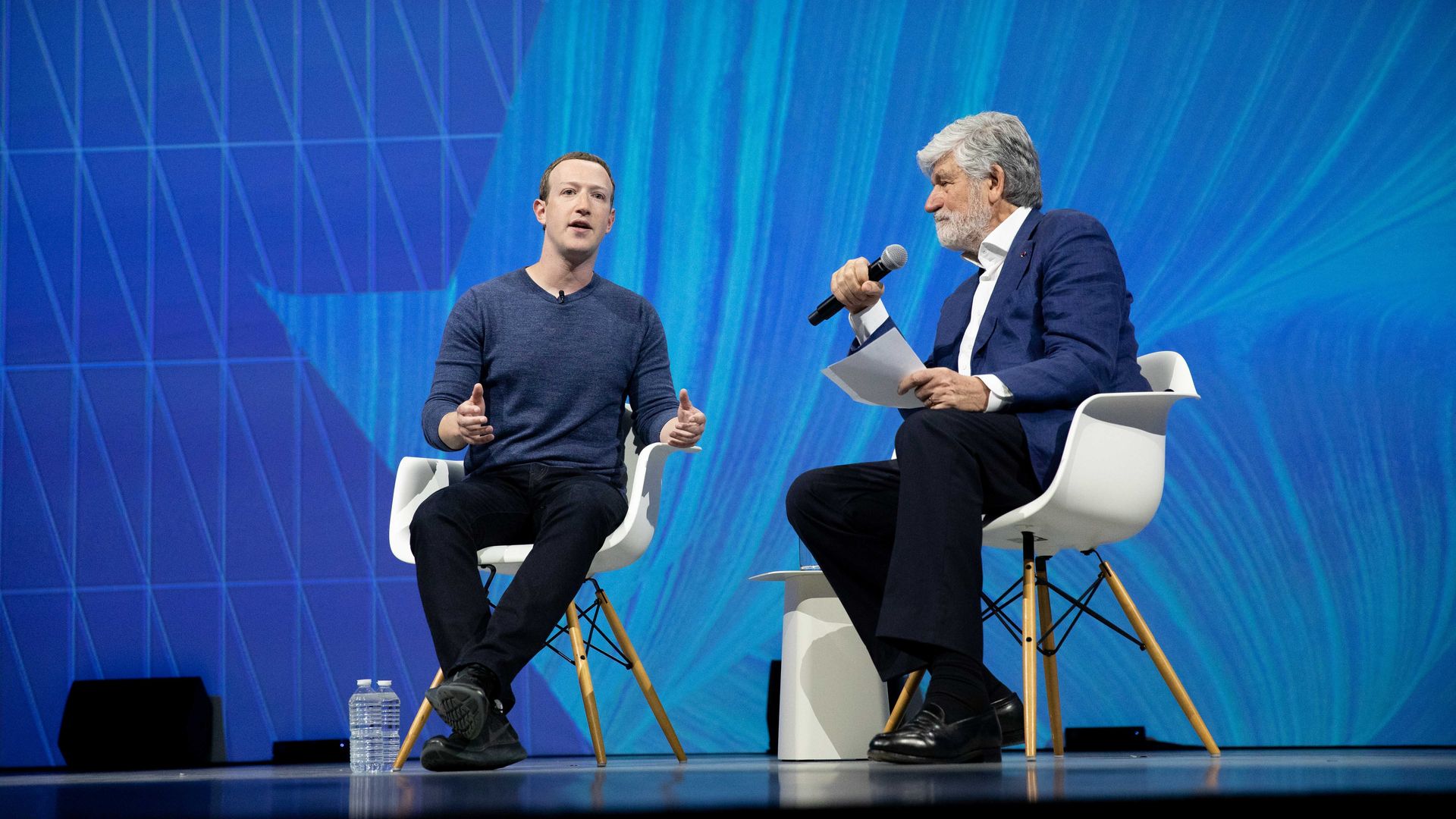
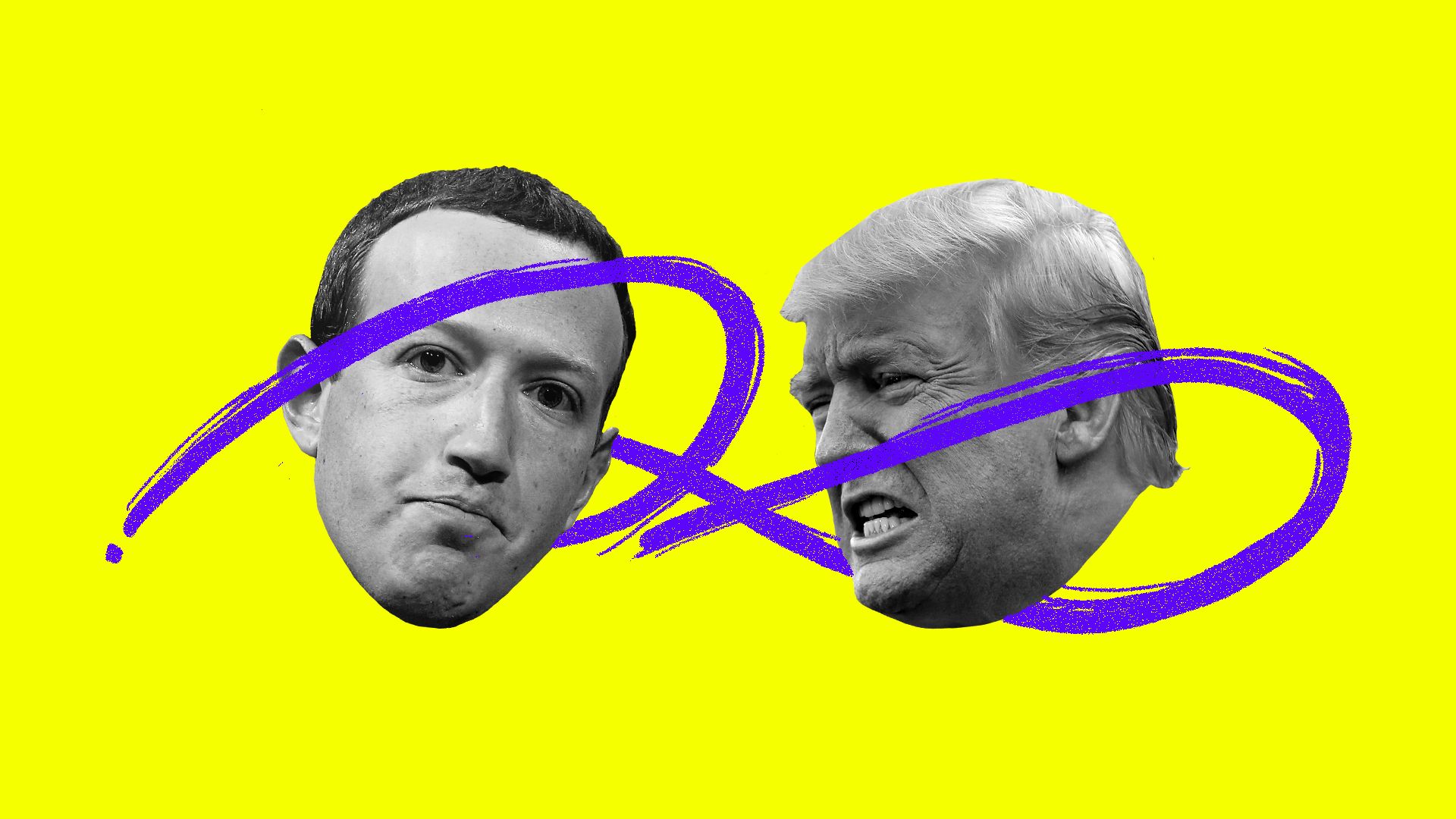
Facebook CEO Mark Zuckerberg said Tuesday his "personal challenge" for 2019 is to "host a series of public discussions about the future of technology in society — the opportunities, the challenges, the hopes, and the anxieties."
Why it matters: These challenges are synced to the company's goals and public relations needs (previously he learned Chinese or toured the U.S.). This year's goal reflects the way engaging with public concerns about its impact on people and society has become a necessity, not a luxury, for Facebook.
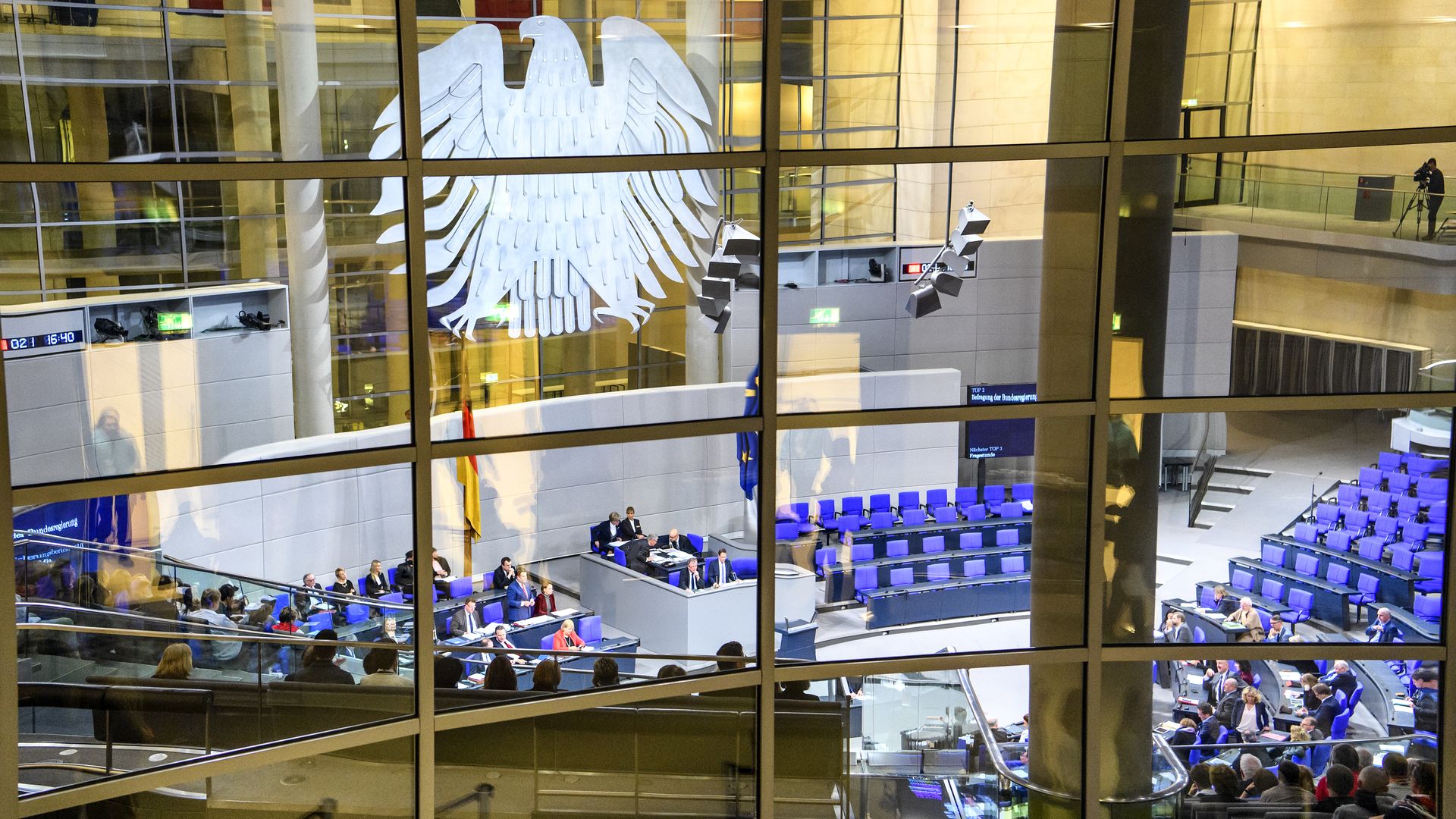
The big picture: The attack heightened concerns about the German government's ability to curb attacks targeting citizens' personal data. The suspect published information from individuals from every leading political party in Germany — except the far-right Alternative for Germany. Officials did not provide any information regarding the man's political views, according to the Times.
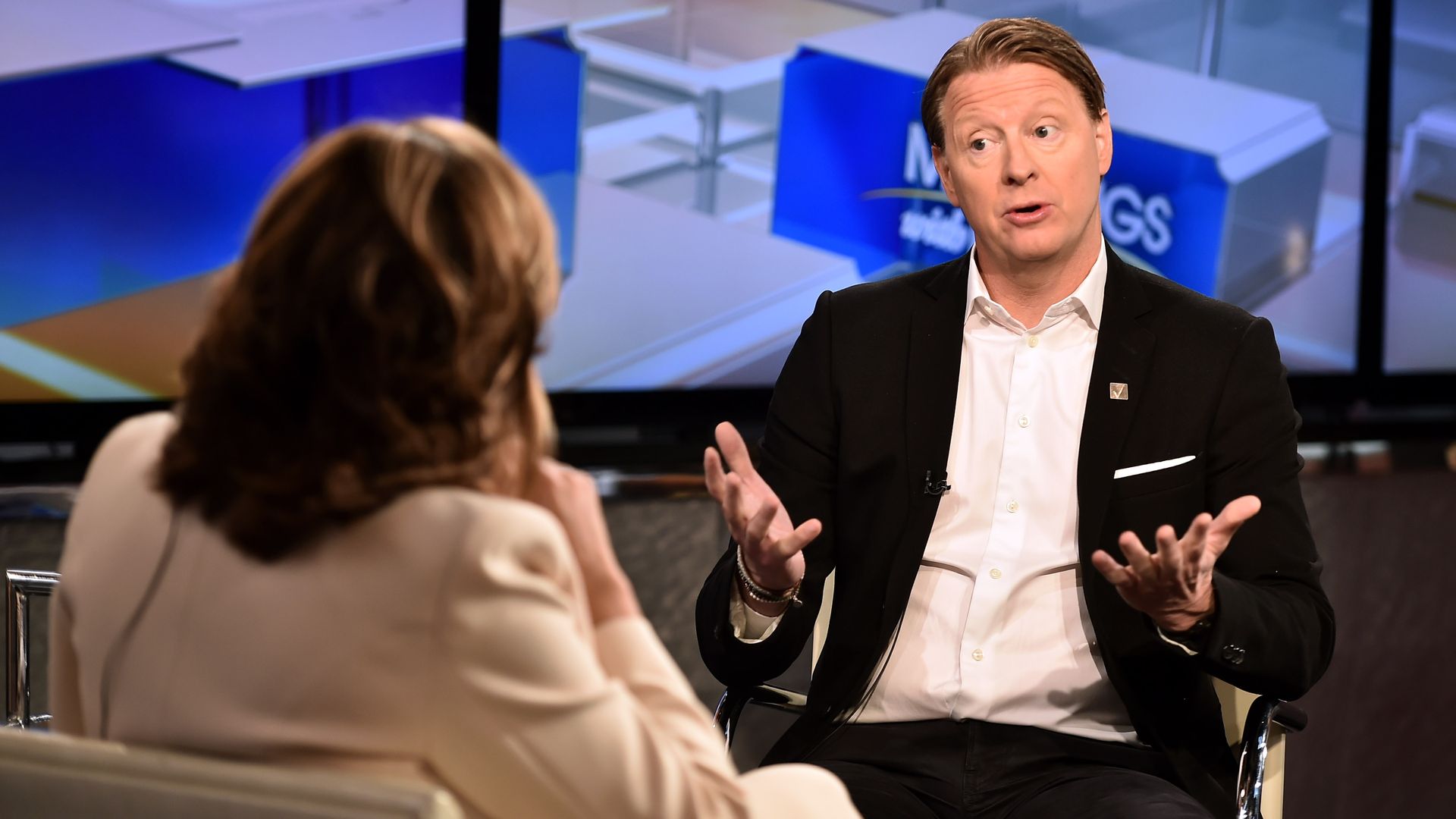
Verizon CEO Hans Vestberg isn't ready to ditch the telecom company's media unit, but he tells Axios it will have to make money without leveraging data from the company's wireless and wireline subscribers.
Why it matters: This is a sharp departure from the company's original premise for buying Yahoo and AOL: that Verizon could use its detailed data on subscribers to take on Google and Facebook, which together dominate digital advertising.
Amazon is quietly piloting a program to let brands like Maybelline and Folgers pay to send free samples to consumers — all based on what the retail giant already knows they're likely to buy.
Why it matters: Turning free samples into new targeted ads plays to Amazon's strength as a trusted delivery service of everyday goods, something Americans already expect from the company. Amazon is betting the sample strategy is something its biggest competitors — Google and Facebook — can't match.
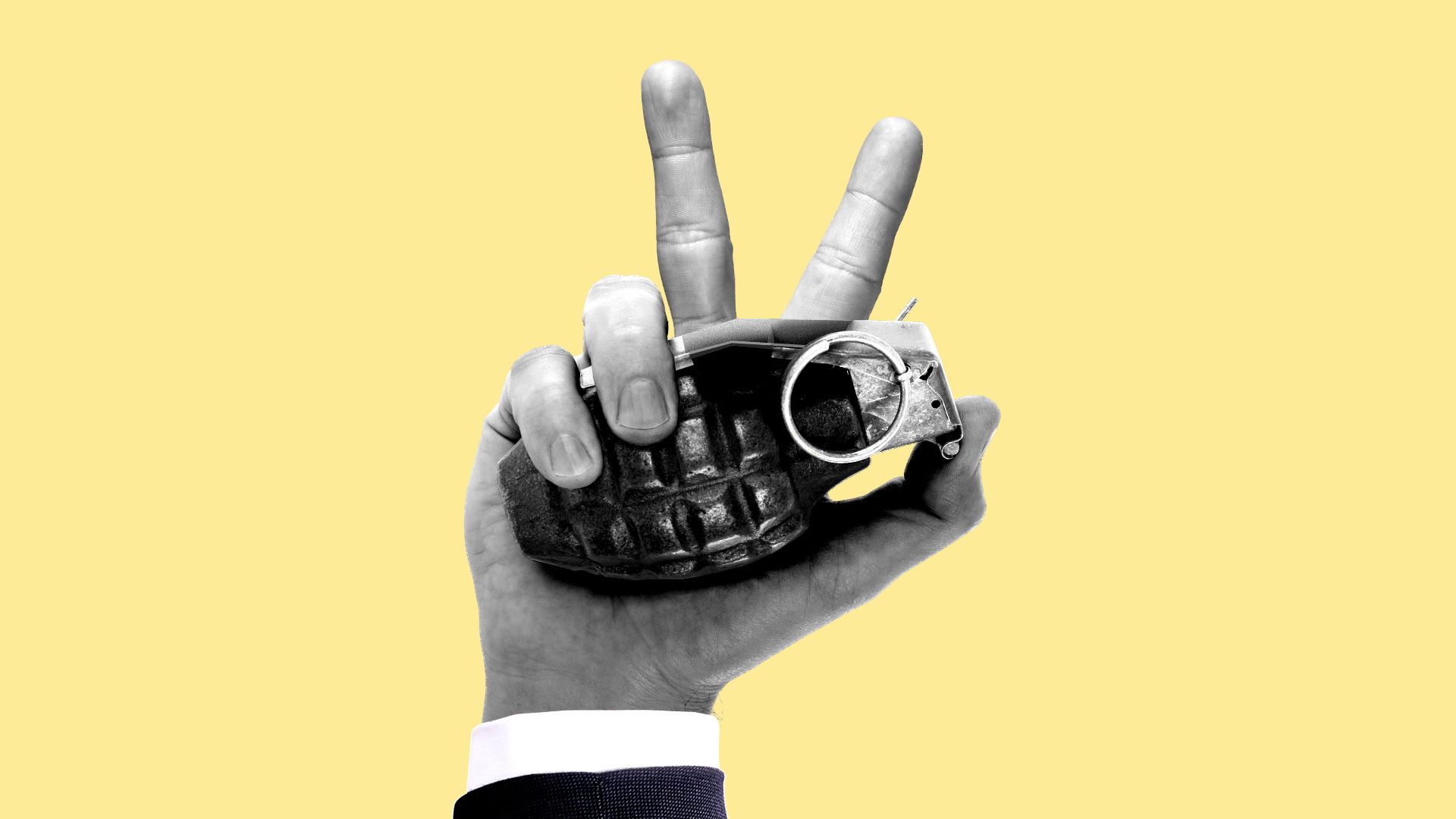
The most positive thing that can be said about 2018 is that, despite ultra-brittle geopolitics and an elevated risk of miscalculation amid much taunting by President Trump, no big new wars broke out.
Quick take: In my overall geopolitical forecast last January, I said that flashpoints across the planet — in Iran, North Korea and Russia, to name a few — created extremely ripe conditions for an accidentally lit match to ignite a disaster. Among the main wild cards in 2018: "willful leaders needling each other."
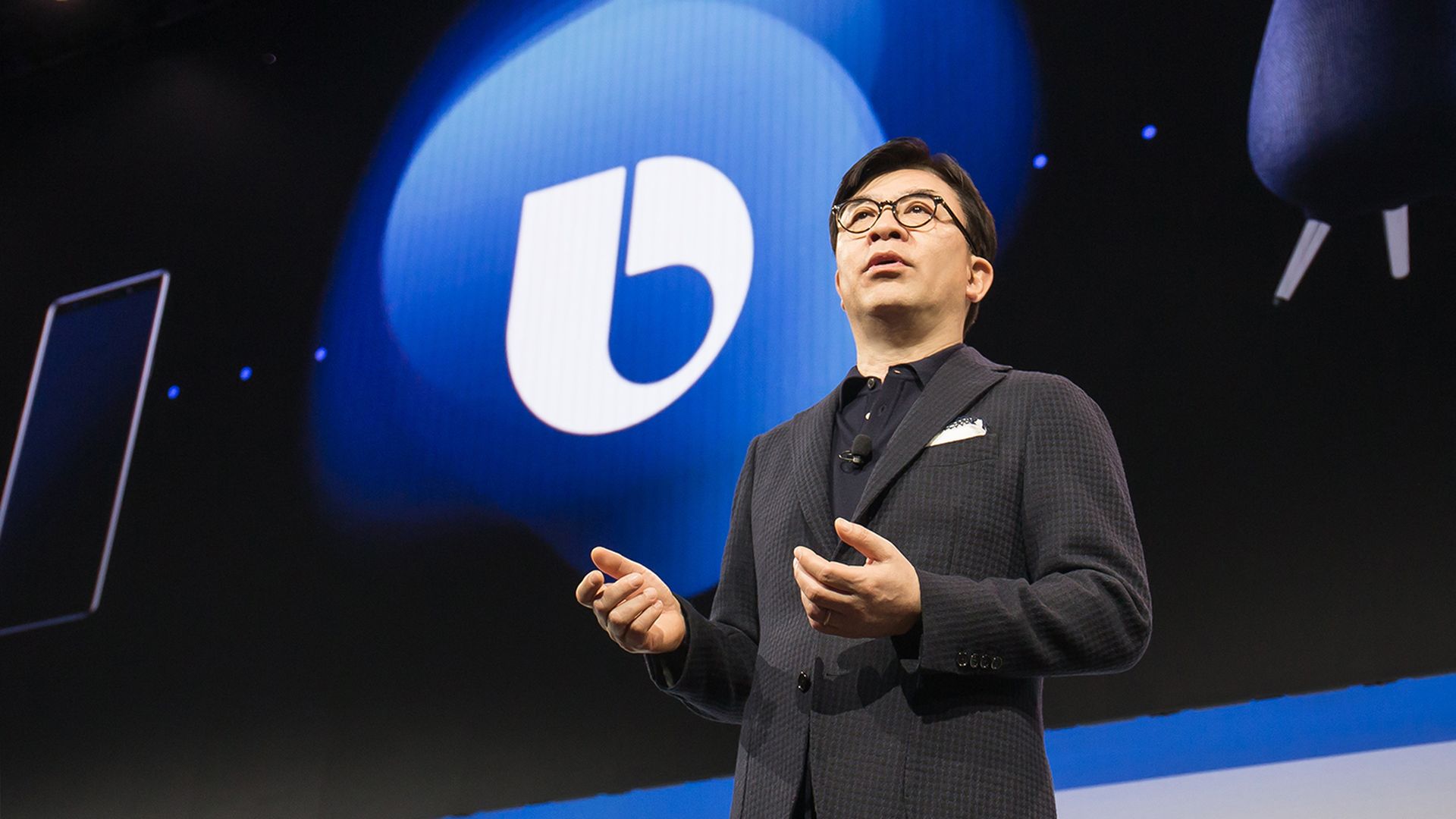
Samsung is using CES to announce its entry into the robotics business and show off several prototypes, including an exoskeleton that augments human muscles as well as more modest home devices.
Why it matters: The Korean electronics giant sees robots as a natural evolution for both its appliance and mobile businesses.
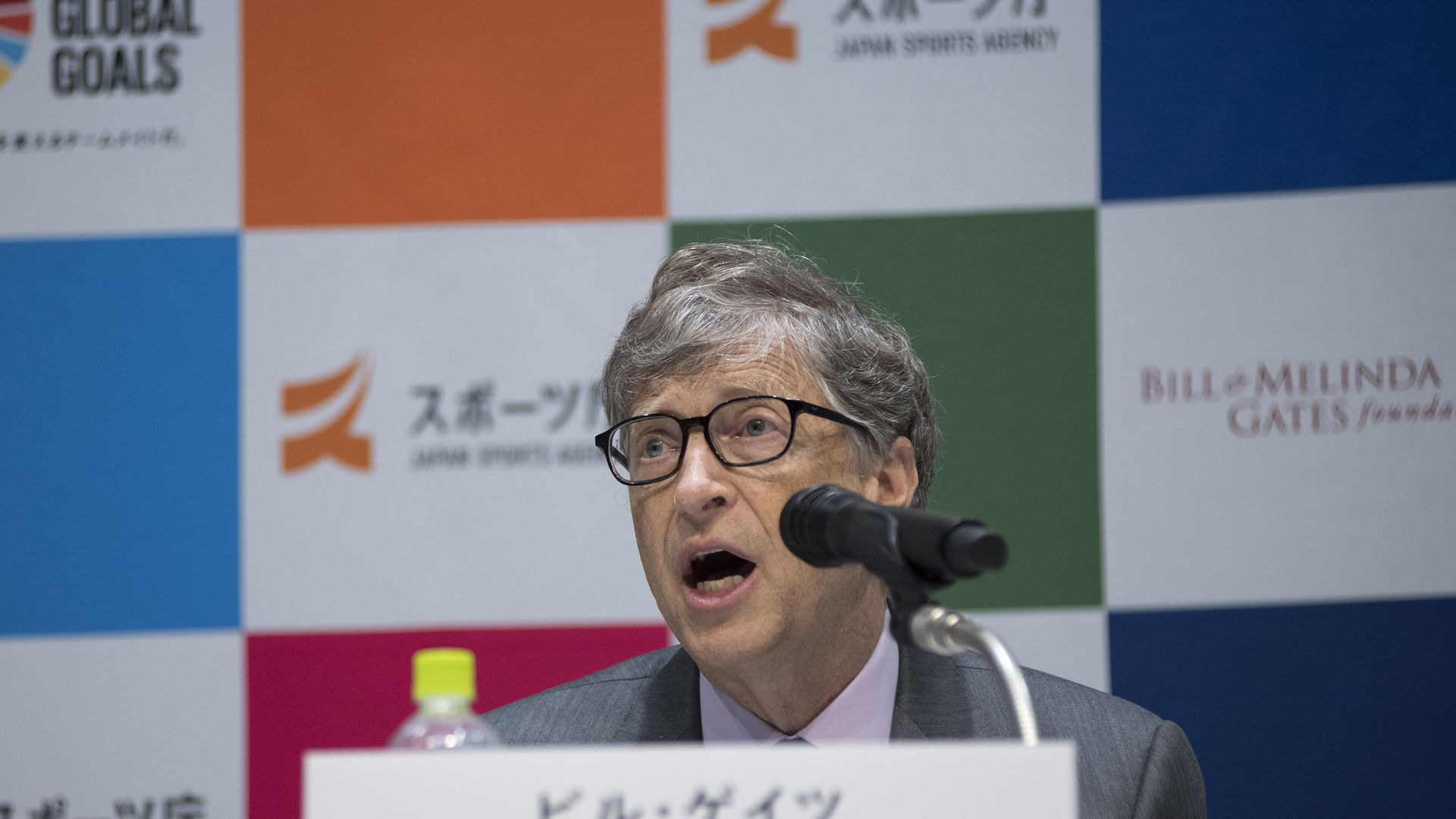
A top Trump administration official called on Bill Gates to work with the Energy Department on building an advanced nuclear reactor in America after the billionaire shelved plans to do so in China.
Driving the news: Gates said late last year that his nuclear-energy company, TerraPower, won’t be building a pilot project in China due to restrictions the Energy Department recently placed on technology deals with China. In comments to reporters Monday on another initiative, Deputy Energy Secretary Dan Brouillette said of Gates: “We hope we can work with them and bring them back.”
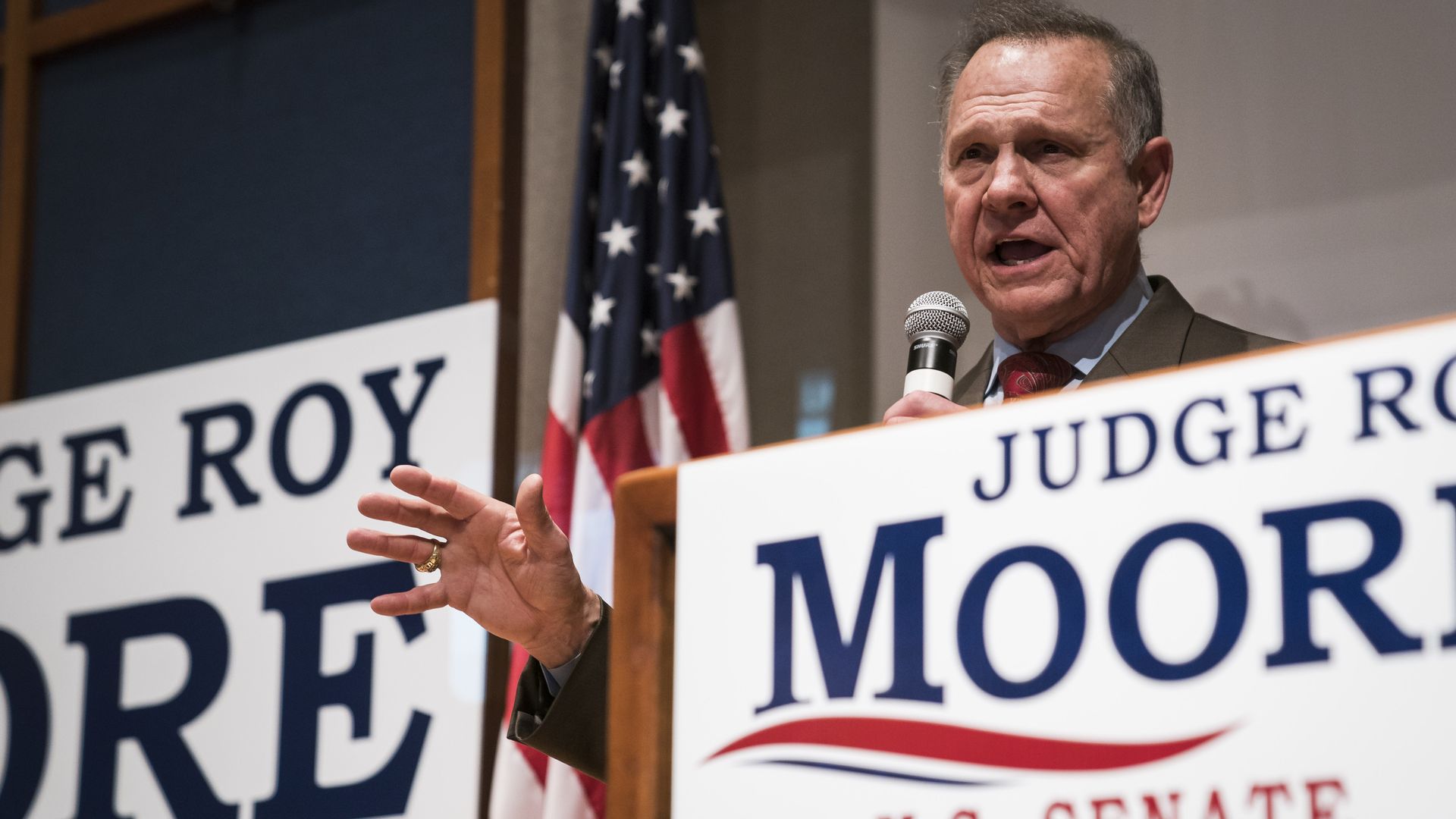
Fake social media accounts that advocated for a statewide alcohol ban in Alabama in 2017 were actually a progressive ploy to dissuade moderate Republicans away from voting for Roy Moore in the state's Senate race that year, the New York Times reports.
Why it matters: Politicians from both the left and right have always used media manipulation tactics in order to boost their election efforts. However, technology and social media have increasingly blurred the lines on what's real and what isn't. It's the second such small-scale effort used by Democratic operatives in the race, per NYT, which uncovered a ploy last month to imitate Russian tactics in an attempt to divide potential Moore voters.
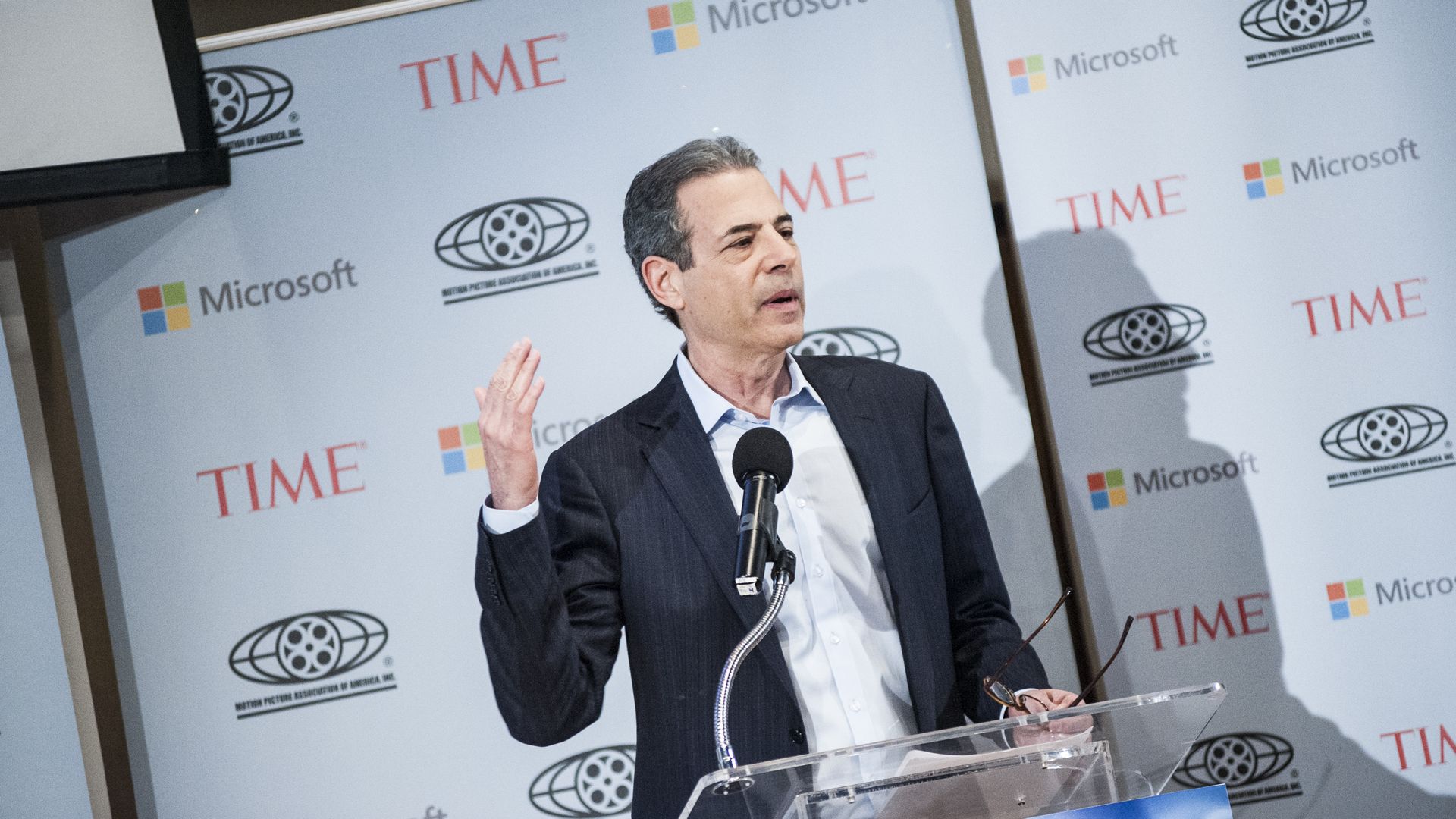
Richard Stengel — MSNBC political analyst, and former Under Secretary of State in the Obama administration — tells me he has finished a book called "Info Wars: How We Lost the Global Information War."
The backdrop: Stengel, former editor of TIME and CEO of the National Constitution Center, has been working on the book since the end of the Obama administration, and will offer it to publishers this week.
The tech giants are facing a barrage of tough, negative coverage, with some of the same dynamics that drive saturation coverage of President Trump.
Why it matters: Facebook better get used to it — and Twitter and Google's YouTube can see the increased scrutiny they're likely to get ahead of the 2020 presidential race. The tech giants are facing the sustained cycle of negative coverage that has been experienced by the likes of Monsanto, big oil and big banks.
CES , the consumer electronics trade show in Las Vegas this week, will see a battle play out to connect everything from refrigerators and cameras to toilets and showers.
The big picture: Today's consumers have a choice whether to allow voice assistants like those from Google and Amazon into their home — a choice that may vanish as more devices gain internet connection and as built-in voice assistants become routine add-ons. This means the time is now to set technical, legal and social standards.









/2019/01/07/1546839829783.gif?w=3840)