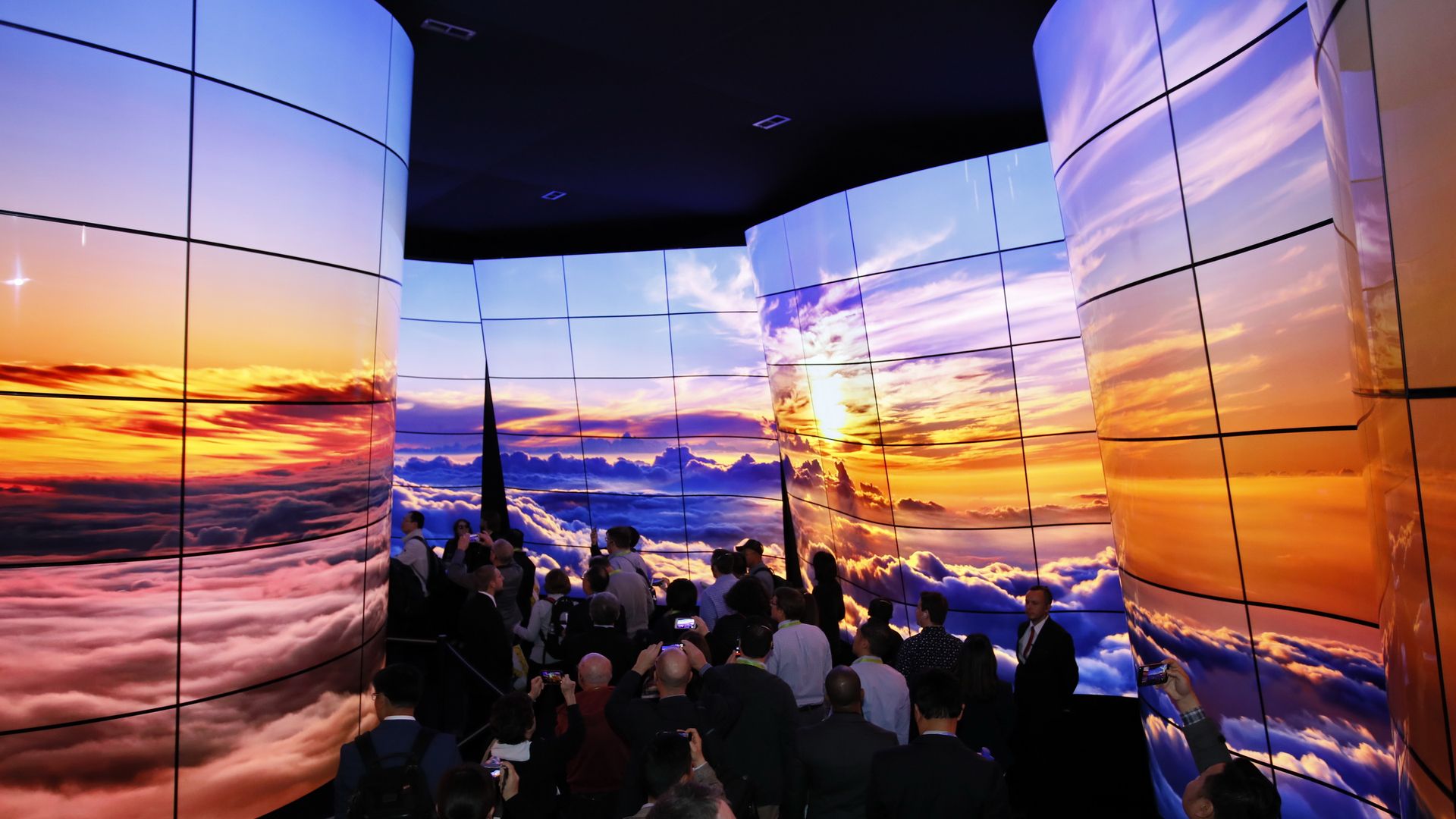
There is a ton of tech news coming out of Las Vegas this week, but Axios has you covered with all the big news in one place — here.
The big picture: The big story — so far — is just how much the big tech companies are partnering with one another. Apple's AirPlay is finding its way onto TVs from Samsung, LG and Vizio, while Google's Assistant and Amazon's Alexa are also landing on a wide range of new hardware.
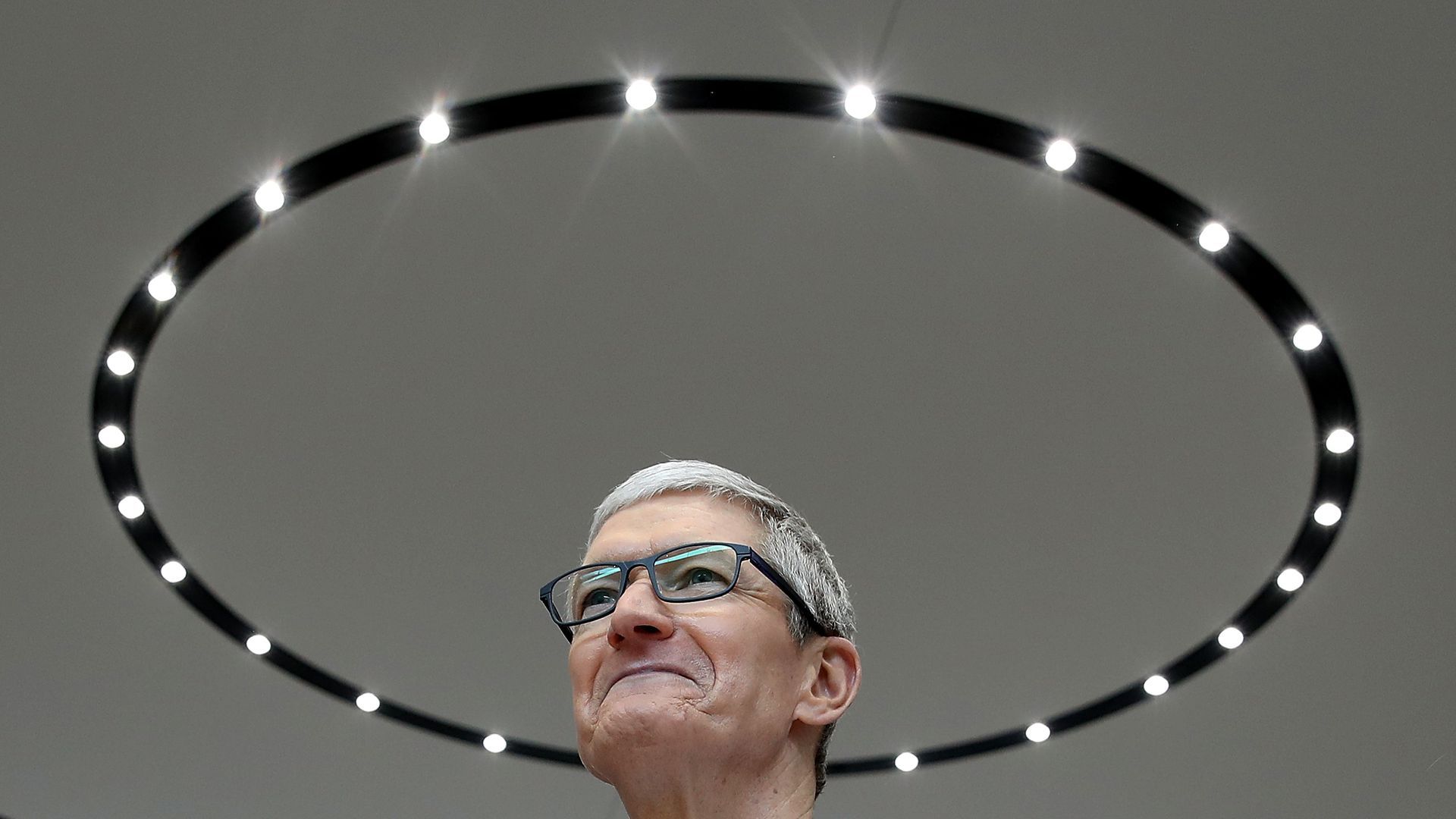
With all the TV maker partnerships Apple announced at CES, plus its earlier content deals, it's clear that video service is Apple's next big thing. But as Apple CEO Tim Cook made clear in a CNBC interview Tuesday, transforming consumer health is Apple's next really big thing.
Why it matters: Apple desperately needs its next act, as its recent earnings warning makes clear. The smartphone market has matured to the point where the innovations are more incremental and that isn't where Apple shines.
Today's AVs aren't ready to drive themselves in all situations, but they could be enlisted to make traditional car-sharing services more efficient.
Why it matters: Companies like Zipcar and Car2Go could lower their operating costs and edge into the autonomous driving world by using early-stage AVs to navigate between rental customers. And every mile driven by a person would still be a mile the AV learns, helping to map roadways.
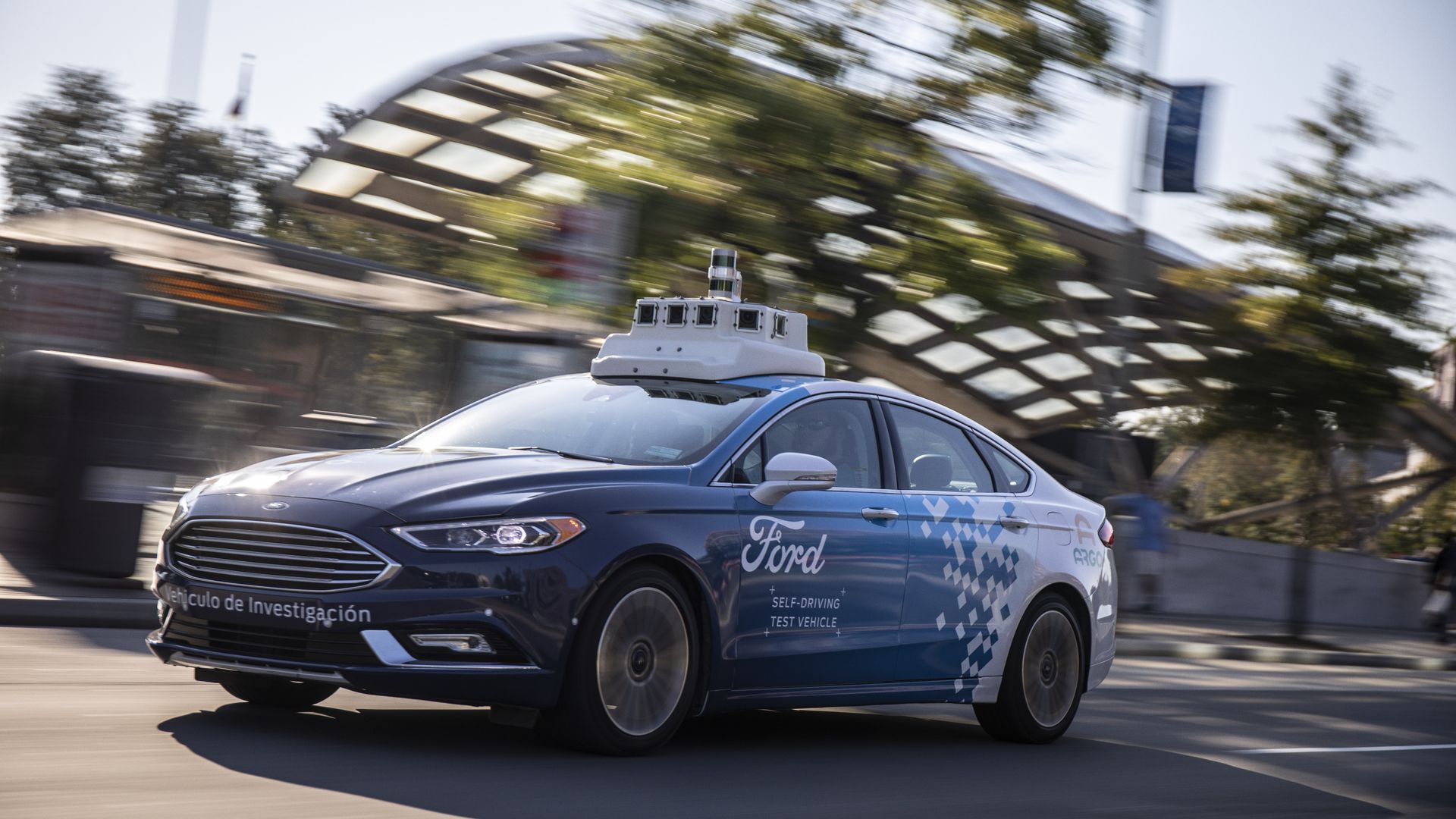
Ford will continue its push toward "mobility" to position itself as a key player in autonomous vehicles, even as the traditional car industry seems headed for a down cycle and the realistic timeframe for AVs is being adjusted to later, several company executives tell Axios.
Why it matters: Though Ford still gets most of its revenue selling personal vehicles, the company sees a world where people rely on a much wider mix of transportation modes. To transform itself for its AV goals, Ford has made a range of acquisitions and has brought more of its technology development in-house.
For automated vehicles to succeed, drivers will need to be able to trust them. But it'll be just as important for cars to understand who's driving, and how they're doing, so they can share control at the right times.
Why it matters: Lack of trust is one of the biggest obstacles to the adoption of automated vehicles.But trust is a relationship — a shared acknowledgement of risk. So it’s important for both cars and drivers to understand one another’s skills and limitations.
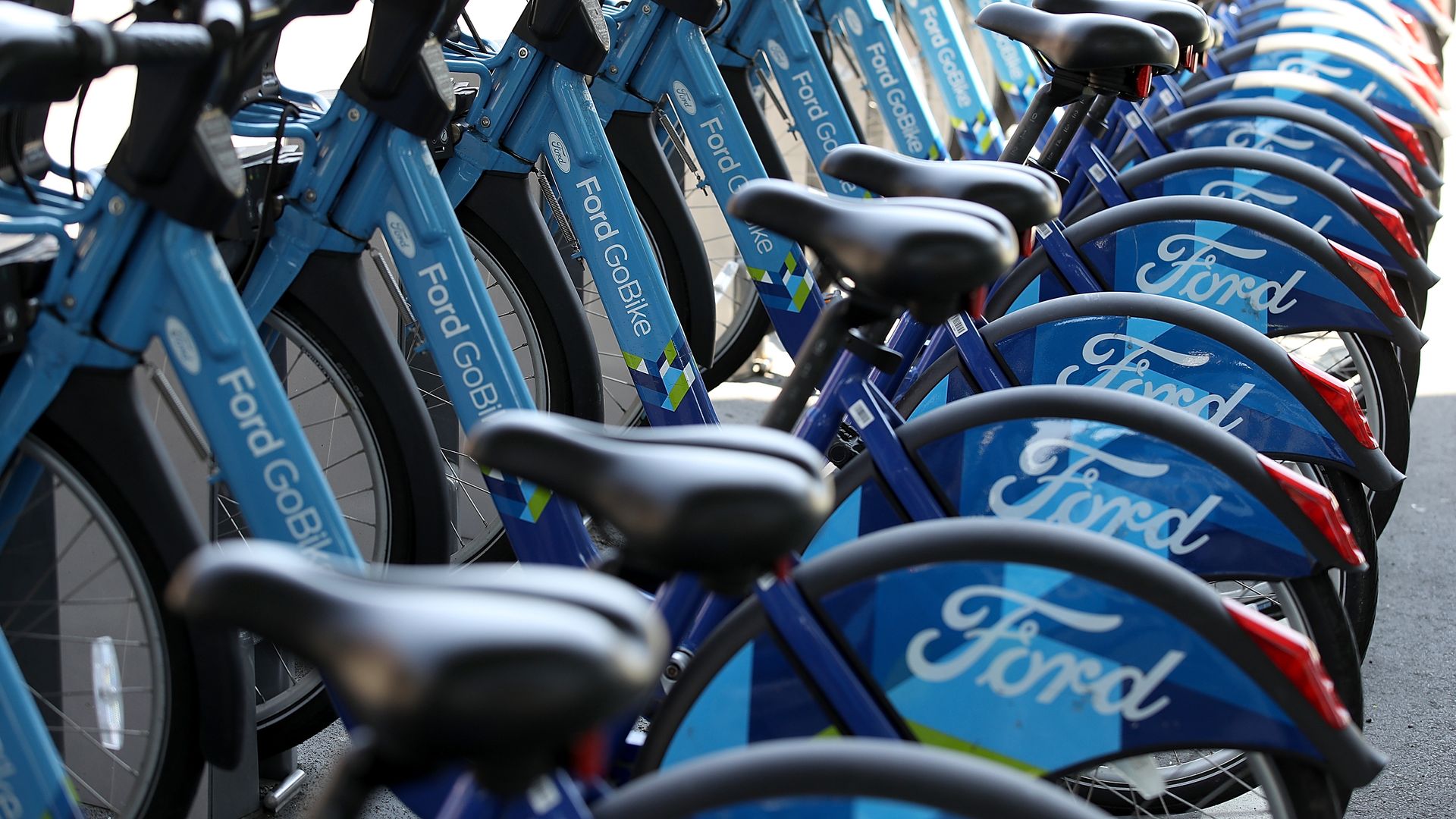
Ford plans to "unwind" its sponsorship of a bike-sharing service in the San Francisco area, now owned by Lyft, Ford executive VP Marcy Klevorn told Axios.
Why it matters: Ford's involvement in the deal that saw Motivate's bikes branded as Ford GoBike was part of a larger effort on the company's part to transform itself into more than just a carmaker, especially as alternate transportation services have flourished and autonomous vehicles enter the equation.
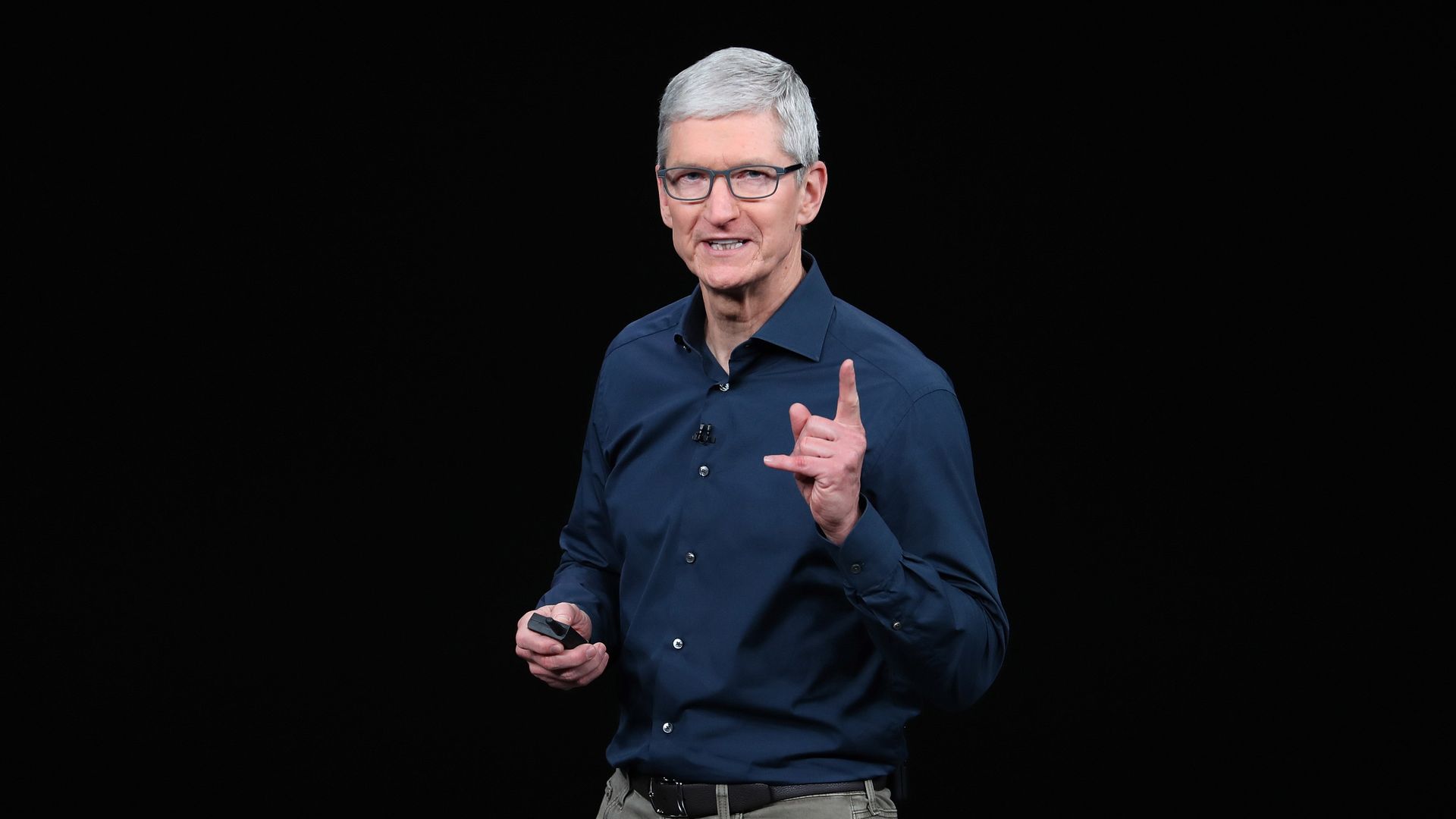
Apple CEO Tim Cook told CNBC on Tuesday that the company will roll out more services to its growing healthcare footprint this year, adding that health will be the tech giant’s "greatest contribution to mankind."
The big picture: Though Cook didn't offer any specifics, the company has recently been investing in health and wellness programs through the Apple Watch, adding features that can monitor users' heart rates and detect falls. Apple has also hired dozens of doctors, an indication of its broader health care aspirations.
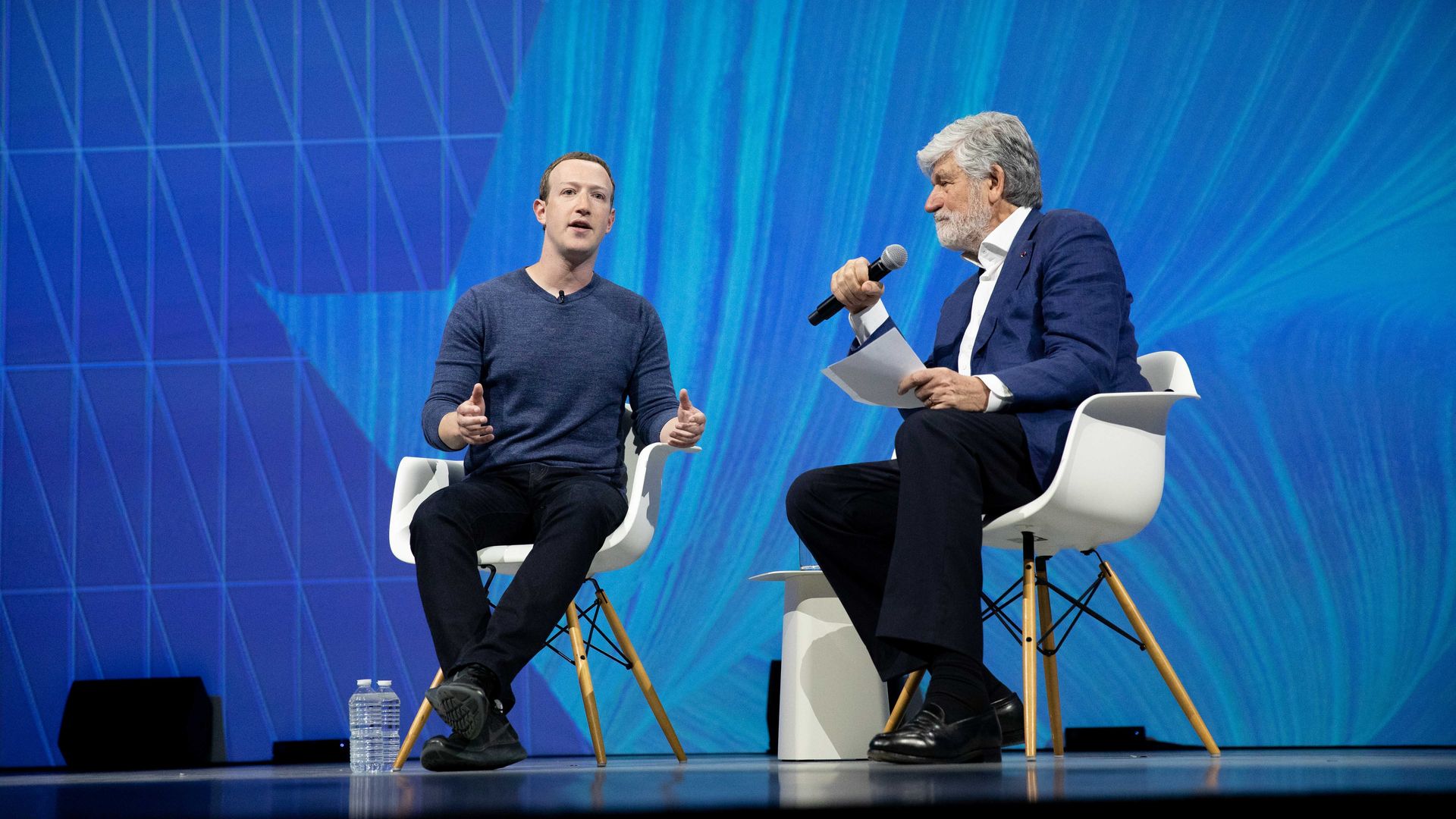
Facebook CEO Mark Zuckerberg said Tuesday his "personal challenge" for 2019 is to "host a series of public discussions about the future of technology in society — the opportunities, the challenges, the hopes, and the anxieties."
Why it matters: These challenges are synced to the company's goals and public relations needs (previously he learned Chinese or toured the U.S.). This year's goal reflects the way engaging with public concerns about its impact on people and society has become a necessity, not a luxury, for Facebook.
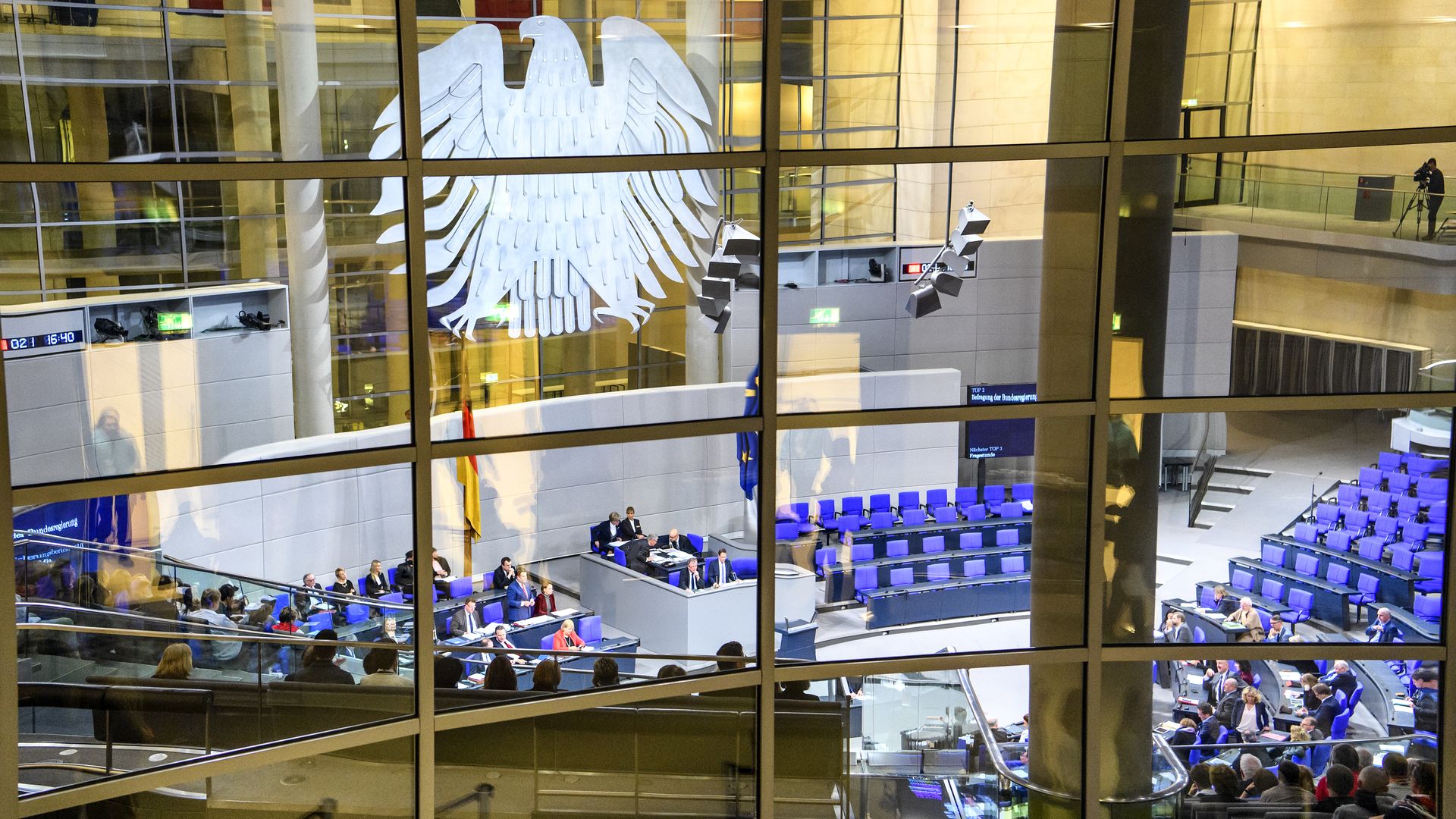
The big picture: The attack heightened concerns about the German government's ability to curb attacks targeting citizens' personal data. The suspect published information from individuals from every leading political party in Germany — except the far-right Alternative for Germany. Officials did not provide any information regarding the man's political views, according to the Times.
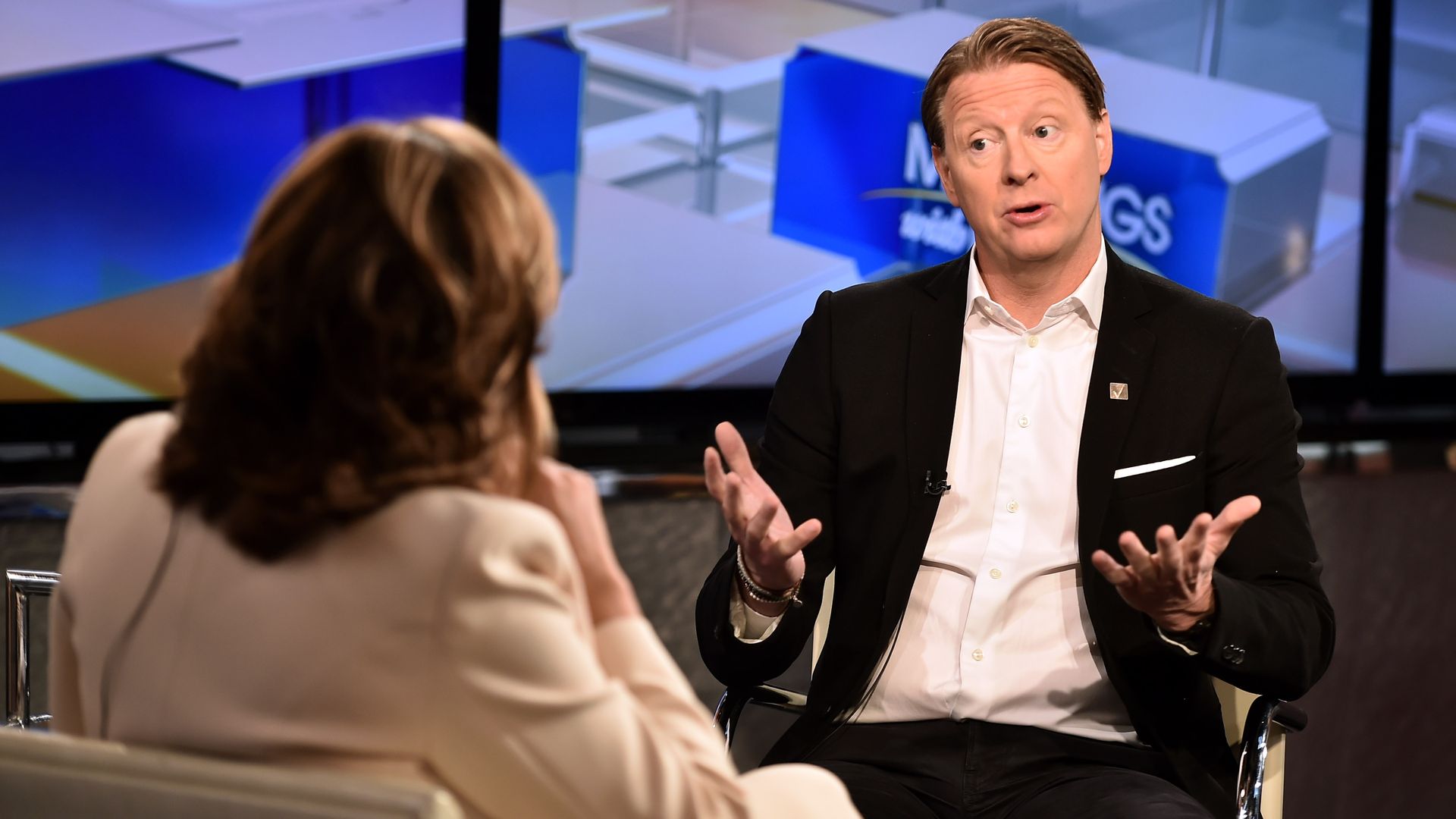
Verizon CEO Hans Vestberg isn't ready to ditch the telecom company's media unit, but he tells Axios it will have to make money without leveraging data from the company's wireless and wireline subscribers.
Why it matters: This is a sharp departure from the company's original premise for buying Yahoo and AOL: that Verizon could use its detailed data on subscribers to take on Google and Facebook, which together dominate digital advertising.
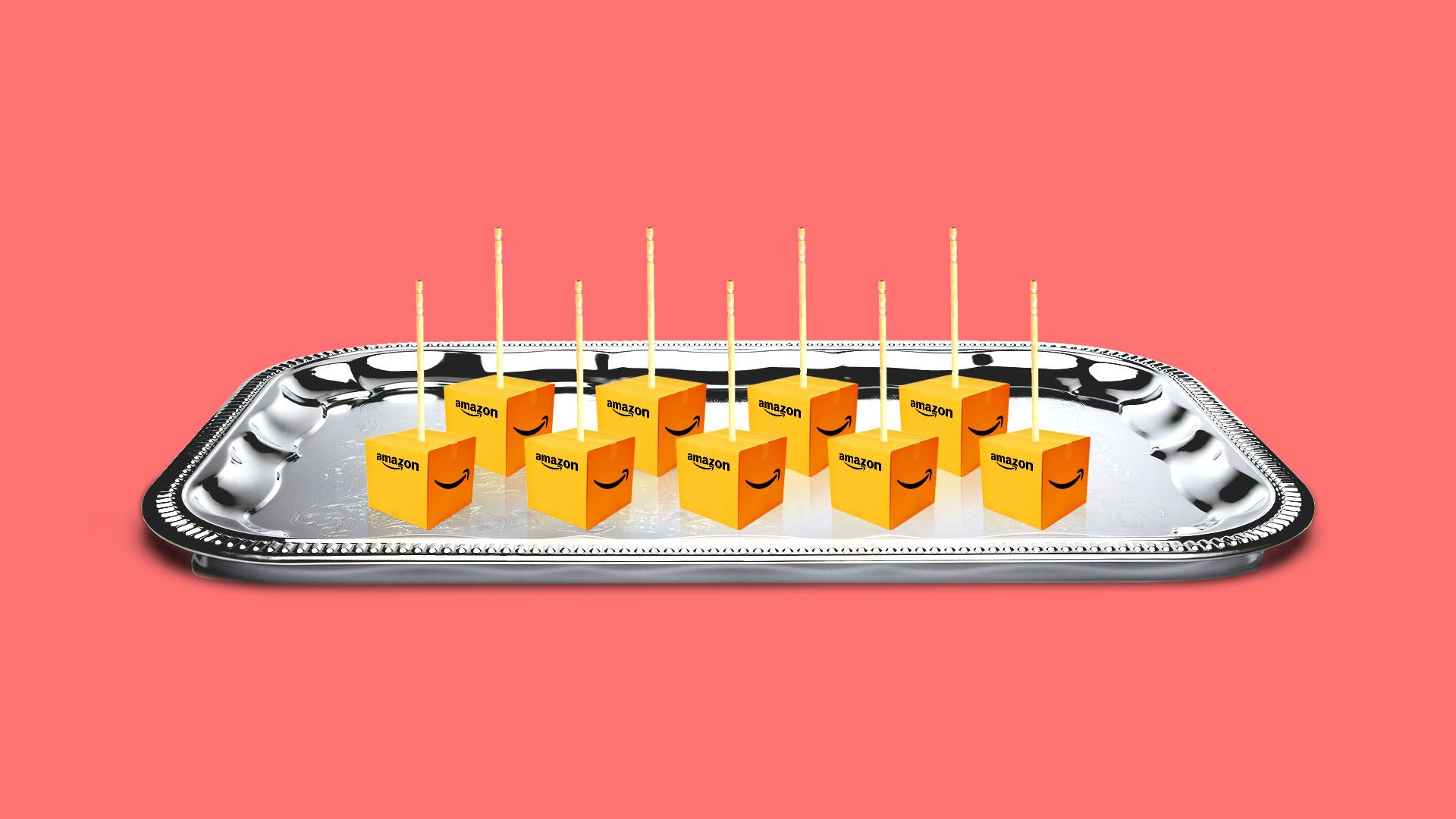
Amazon is quietly piloting a program to let brands like Maybelline and Folgers pay to send free samples to consumers — all based on what the retail giant already knows they're likely to buy.
Why it matters: Turning free samples into new targeted ads plays to Amazon's strength as a trusted delivery service of everyday goods, something Americans already expect from the company. Amazon is betting the sample strategy is something its biggest competitors — Google and Facebook — can't match.



/2019/01/08/1546989685605.gif?w=3840)