The U.S.-directed arrest of Huawei CFO Meng Wanzhou in Canada sounds an alarm for the increasingly contentious dynamic between China and the U.S.
Why it matters: When it comes to 5G, Huawei is the fastest horse in a thinning race, with potential to gain a monopoly in the next decade. But the U.S. has now launched a global campaign against the company without a serious domestic alternative for 5G infrastructure.
Apple said Thursday it would temporarily stop selling the iPhone 7 and iPhone 8 in its stores in Germany after a court there issued an injunction in a Qualcomm-related lawsuit.
Details: The ruling applies to iPhones that infringe on a Qualcomm patent related to power management, specifically those with an Intel modem and a chip from Qorvo.
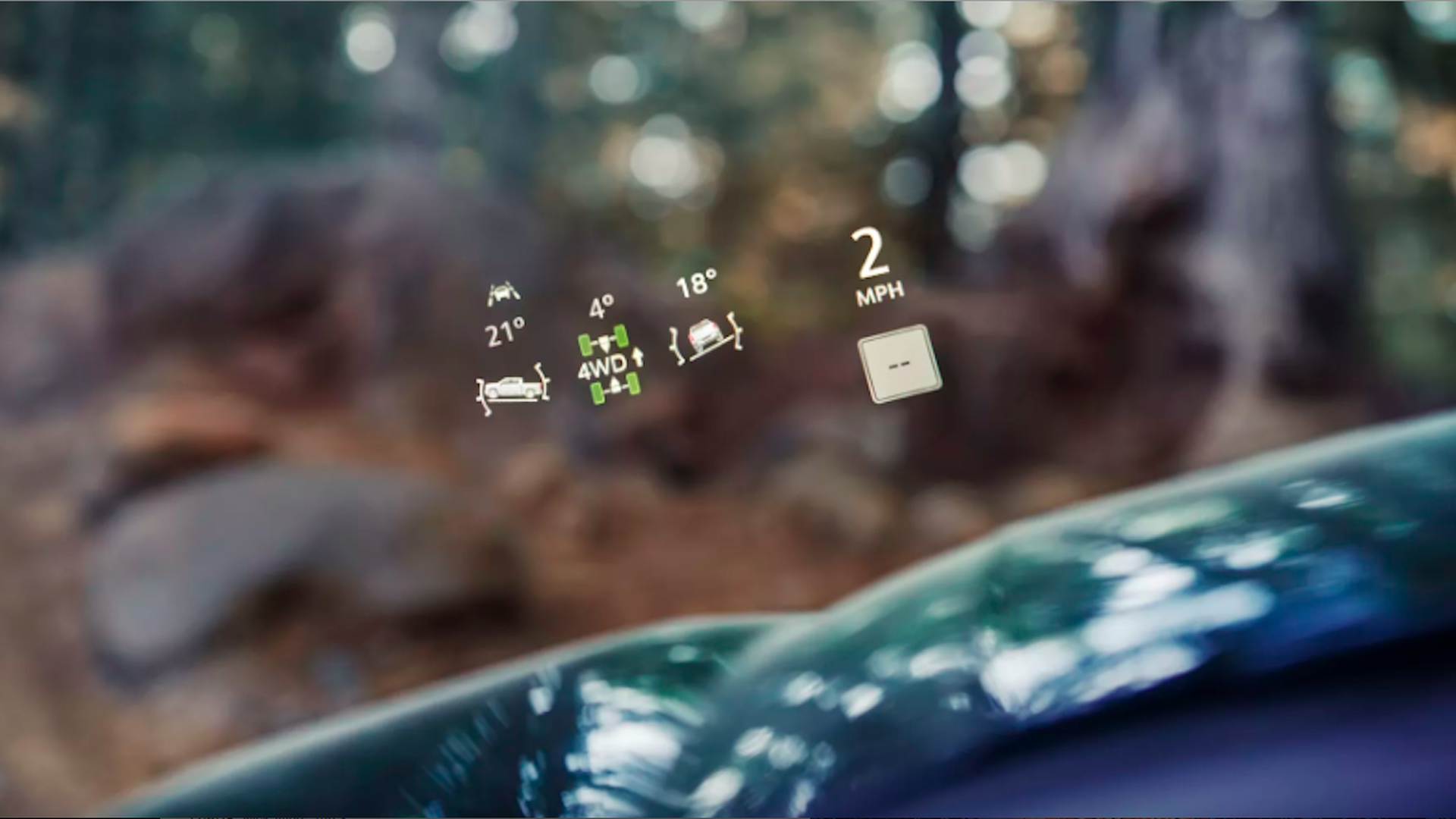
I spent a week in the 2019 GMC Sierra Denali pickup truck, one of three finalists in the truck category for the North American Car, Utility and Truck of the Year (NACTOY) awards.
The big picture: There's an escalating race as pickups get more luxurious and more high-tech — and more expensive. The Sierra Denali Ultimate I drove had all the bells and whistles along with a $68,235 price tag.
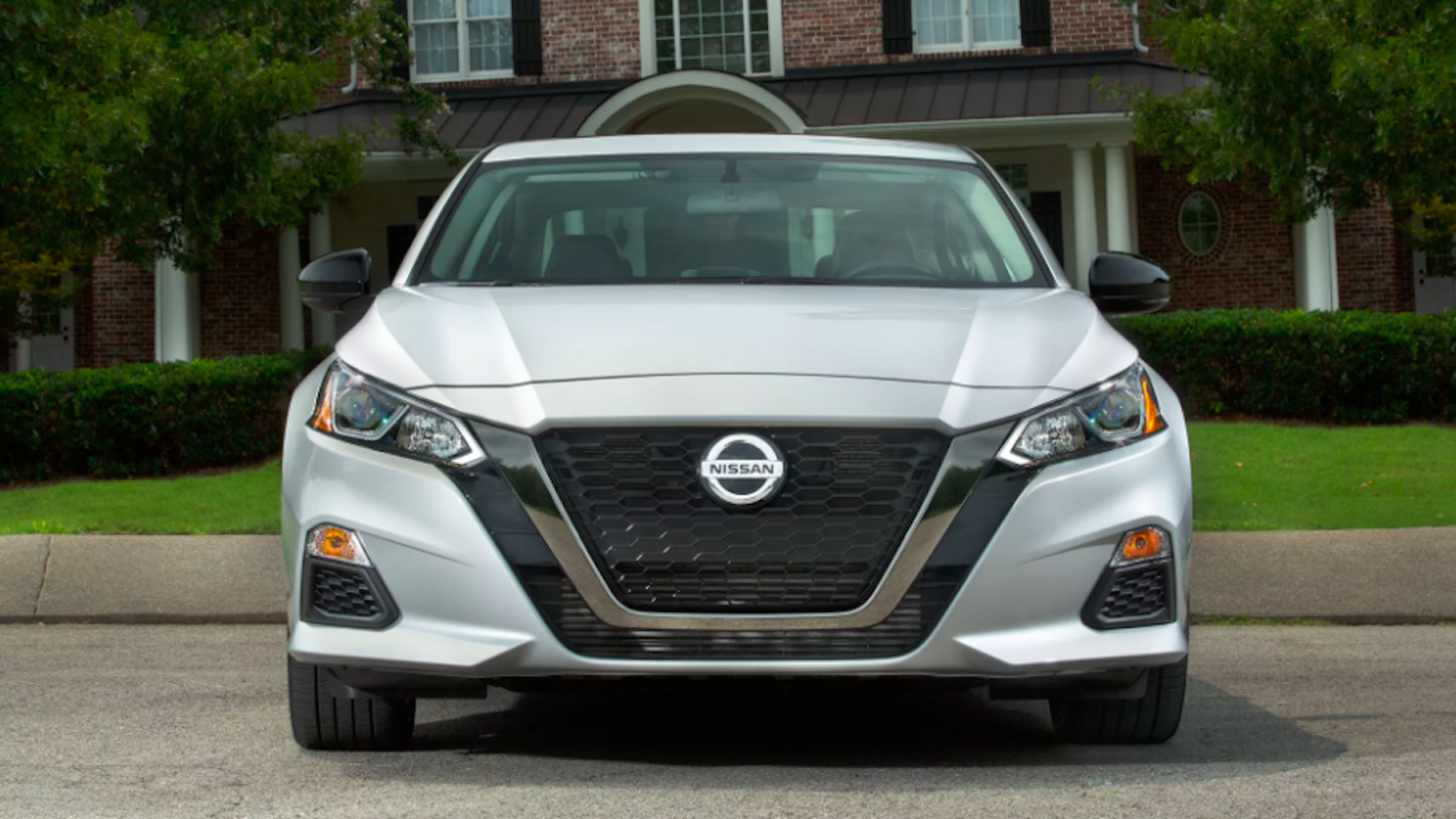
This week's ride is the 2019 Nissan Altima, the perennial runner-up in a shrinking sedan market behind the Toyota Camry and Honda Accord.
The big picture: The redesigned Altima looks to shake things up with the addition of optional all-wheel-drive (which the Camry and Accord don't offer), two new engine choices and a huge array of active-safety features.
Automated vehicle technology is moving fast — too fast to regulate, some would argue — but there are ways the industry can collaborate to ensure safety without stifling innovation.
The big picture: Tech and automotive companies are developing proprietary AV driving systems and strategies, from robo-taxis to delivery pods to heavy-duty trucks. If each shared their own critical safety data collected during testing, experts say they could use it to define standards and practices to guide future development.
As the rapid growth of e-commerce continues — it accounted for 42.5% of all retail sales growth last quarter — it's putting pressure on the U.S. trucking industry, which is already facing a 63,000-driver shortage, and bolstering the case for autonomous trucks.
Why it matters: The trucking industry's driver shortage is projected to hit 175,000 drivers by 2026 and may push retailers toward using autonomous trucks even sooner than passenger AVs are deployed.
In crafting new privacy laws to cover tech giants' vast appetite for user data, lawmakers are finding that they're having to draw up new rules for the old-fashioned brick-and-mortar world, too.
Why it matters: Consumer data is now the most valuable asset for nearly all companies — not just digital ones. Most large businesses operate simultaneously in both realms, and the boundaries between data's use online and offline have blurred.
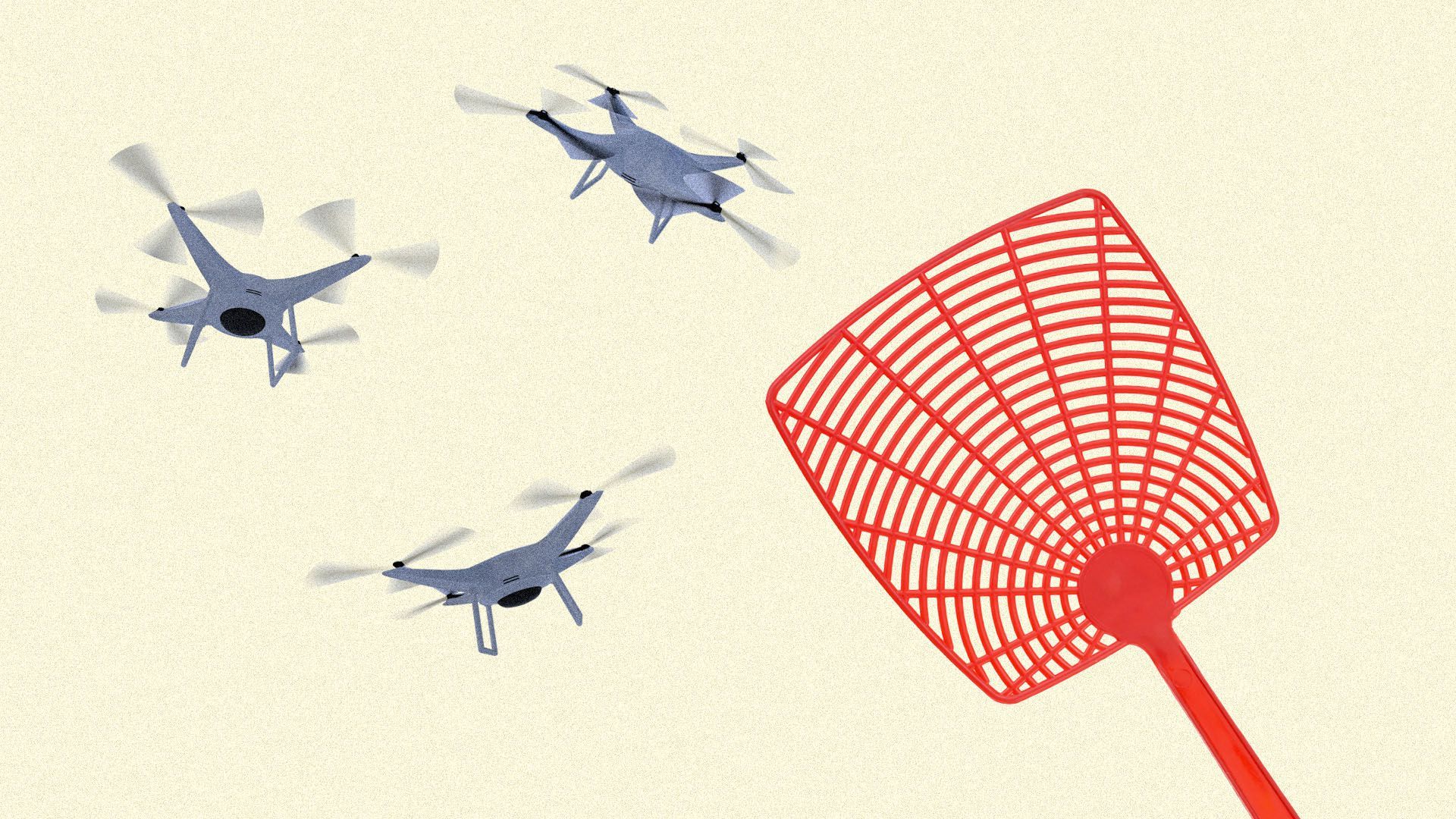
We still know very little about the drones that have shut down Gatwick, the U.K.'s second busiest airport, but their example is a painful reminder of our transportation system's vulnerabilities.
The big picture: This is why drone manufacturers want rules to prevent incidents like this that significantly damage trust in the nascent industry. In the U.S., the Federal Aviation Administration was expected to craft regulations this year. That didn’t happen, and drone companies aren’t happy.
Kim Hart, filling in for Dan, spoke with Axios tech reporter David McCabe to discuss Facebook's latest user data sharing nightmare, the rest of the tech giant's disastrous 2018, and what it means for Facebook means going into next year.
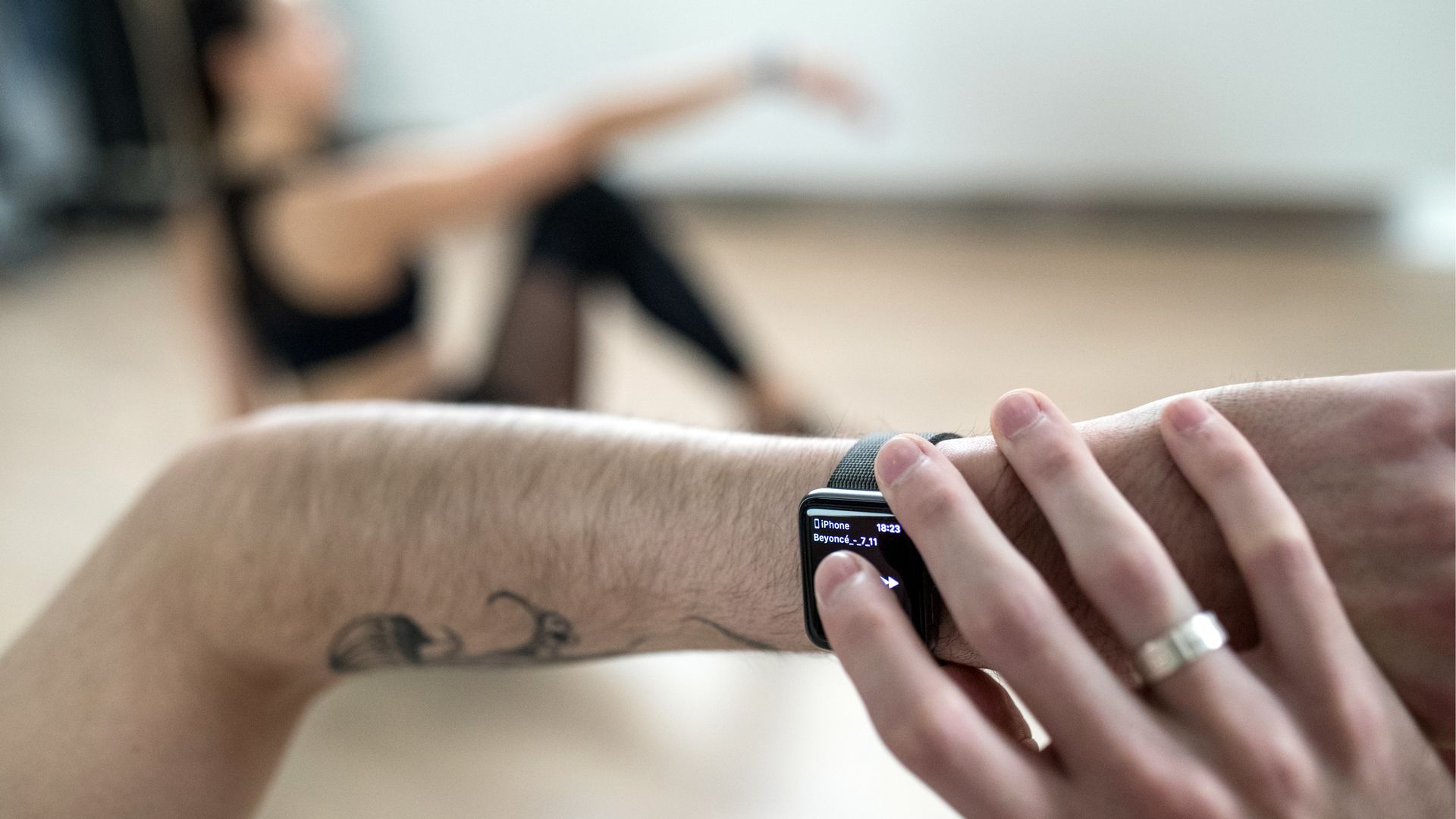
Apple is looking to patent a technique for automatically generating exercise recommendations.
Why it matters: Apple has been spending a significant amount of time and energy on its fitness efforts, including establishing a lab dedicated to fitness tracking. The application, filed in June 2017 and published Thursday, covers machine learning algorithms that can use data like vital signs and workout information, to suggest particular exercises.
The race to win the U.S. smart speaker market is heating up as Google and Apple begin to close in, very slowly, on Amazon's dominance.
Why it matters: Tech companies can expand their data-based ads and commerce businesses dramatically through smart speaker usage. There are also billions of dollars at stake in smart speaker hardware sales.
Facebook is closing out 2018 the way it started — under attack for betraying users' trust and oversharing their personal information.
The big picture: That's not how it was supposed to go. 2018 was going to be the year Mark Zuckerberg finally fixed Facebook. Instead, it became the year Facebook's founder and CEO began admitting that some of Facebook's problems couldn't be fixed.
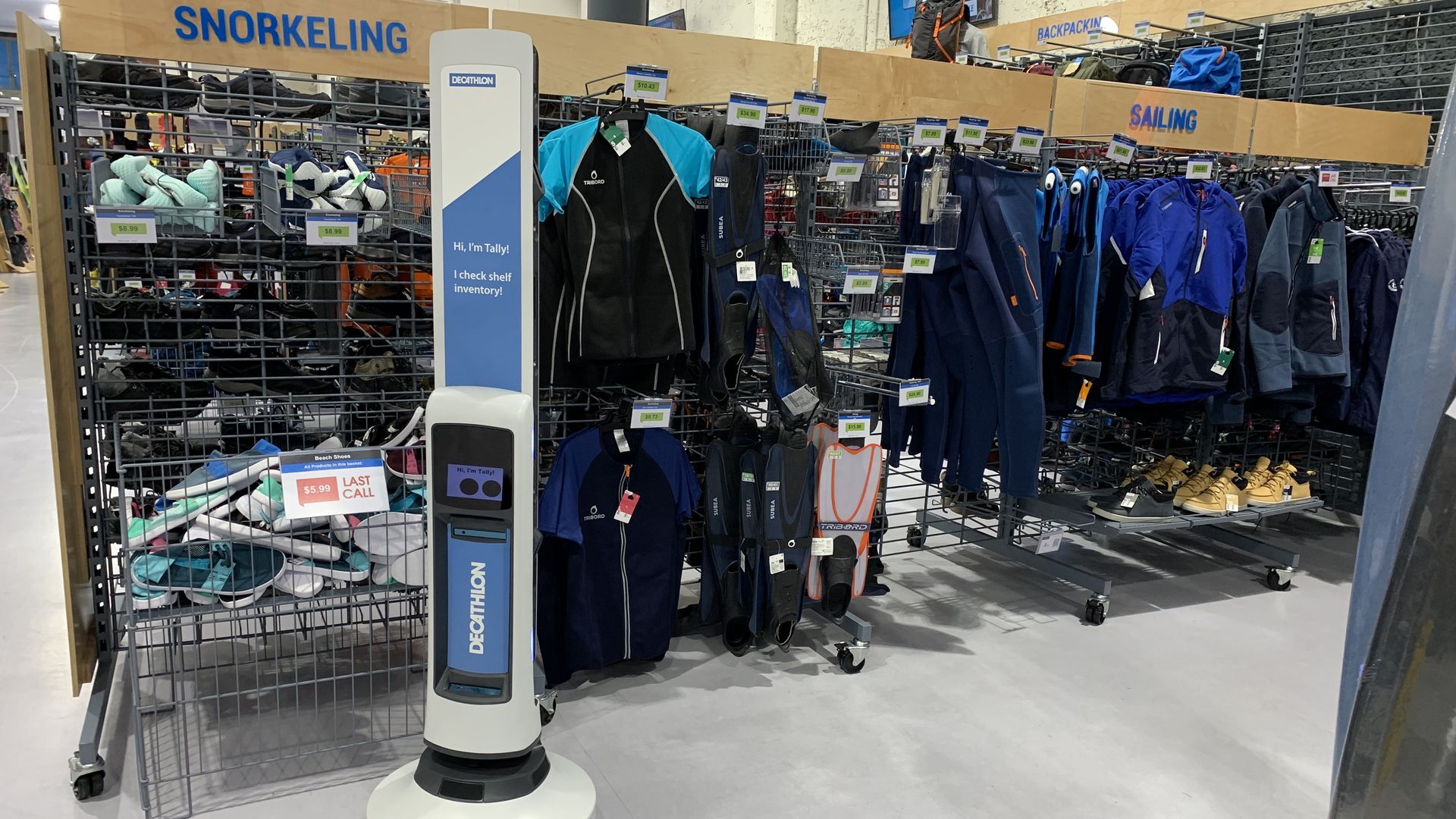
Bleeping and whirring through the aisles of a sporting goods store in downtown San Francisco, Tally — a tall, wheeled robot bristling with sensors — was doing what it promises: It was counting. The bot, made by Simbe Robotics and trundling through a Decathlon store, uses its sensors to read electronic merchandise tags, twirling this way and that to pinpoint products.
The big picture: Robots have long helped to assemble cars and move products around enormous warehouses. But Tally is the latest in a slow bot invasion into increasingly visible spaces, like sidewalks, malls and restaurants.




/2018/12/21/1545397924003.gif?w=3840)








/2018/12/19/1545251909946.gif?w=3840)