For more than a year, we have reported exceedingly pessimistic forecasts about the future of jobs: Robots and automation, we've written, are likelier than not to wipe out a large portion of current U.S. employment by 2030 or so. But there are ways to both cushion the blow of automation and meet the challenge posed by China.
Driving the news: The problem isn't only that companies seem likely to automate at a faster and faster pace, but that the U.S. and other advanced economies are doing little to get prepared. Meanwhile — in a tech race against the U.S. — China is in a headlong push to deploy as much advanced robotics as it can.
Reid Hoffman — co-founder of LinkedIn, Greylock partner and co-author of the new "Blitzscaling: The Lightning-Fast Path to Building Massively Valuable Companies" — joins a venture-capital roundtable for Barron's.
What's next: "People think cloud computing is already big, so they move on. But combining multiple sources of data with VR and AI techniques has stunning implications. Would you rather have your average radiologist or a trained AI program read your films? This transformation is just beginning."
Amazon is caught in a surprise grassroots battle with local critics who are furious that it's been promised billions of taxpayer dollars to put jobs in New York, Arlington and Nashville, the winners of its search for a second headquarters.
Why it matters: Amazon won the top-down battle, with support from governors, mayors and economic development organizations. But it’s now confronting bottom-up outrage from activists and local lawmakers who were cut out of the bidding process.
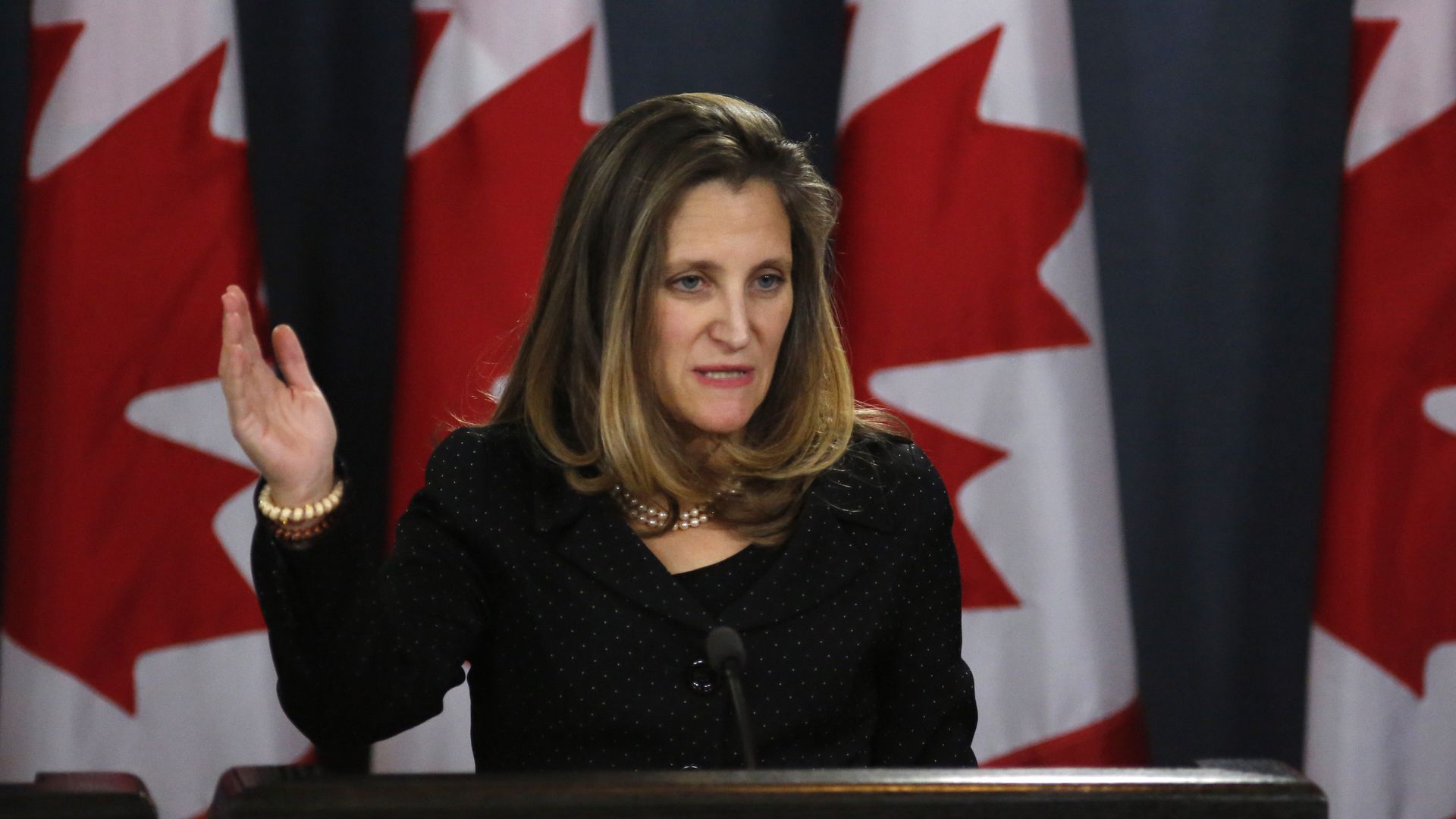
Canadian Foreign Minister Chrystia Freeland said on Saturday that the detention of two Canadian citizens in China is "worrying not only for Canada but for the world," the New York Times reports.
The big picture: U.S. experts view the arrests of writer Michael Spavor and former diplomat Michael Kovrig as "direct retaliation" by China for Canada's detention of Huawei executive Meng Wanzhou, who stands accused of violating U.S. sanctions on Iran. Canada maintains that Meng was given "absolute access to due process" and will be able to appeal an extradition request from the U.S. The Times reports that Kovrig, meanwhile, has been subjected to hours of interrogation and possible mistreatment by Chinese authorities.