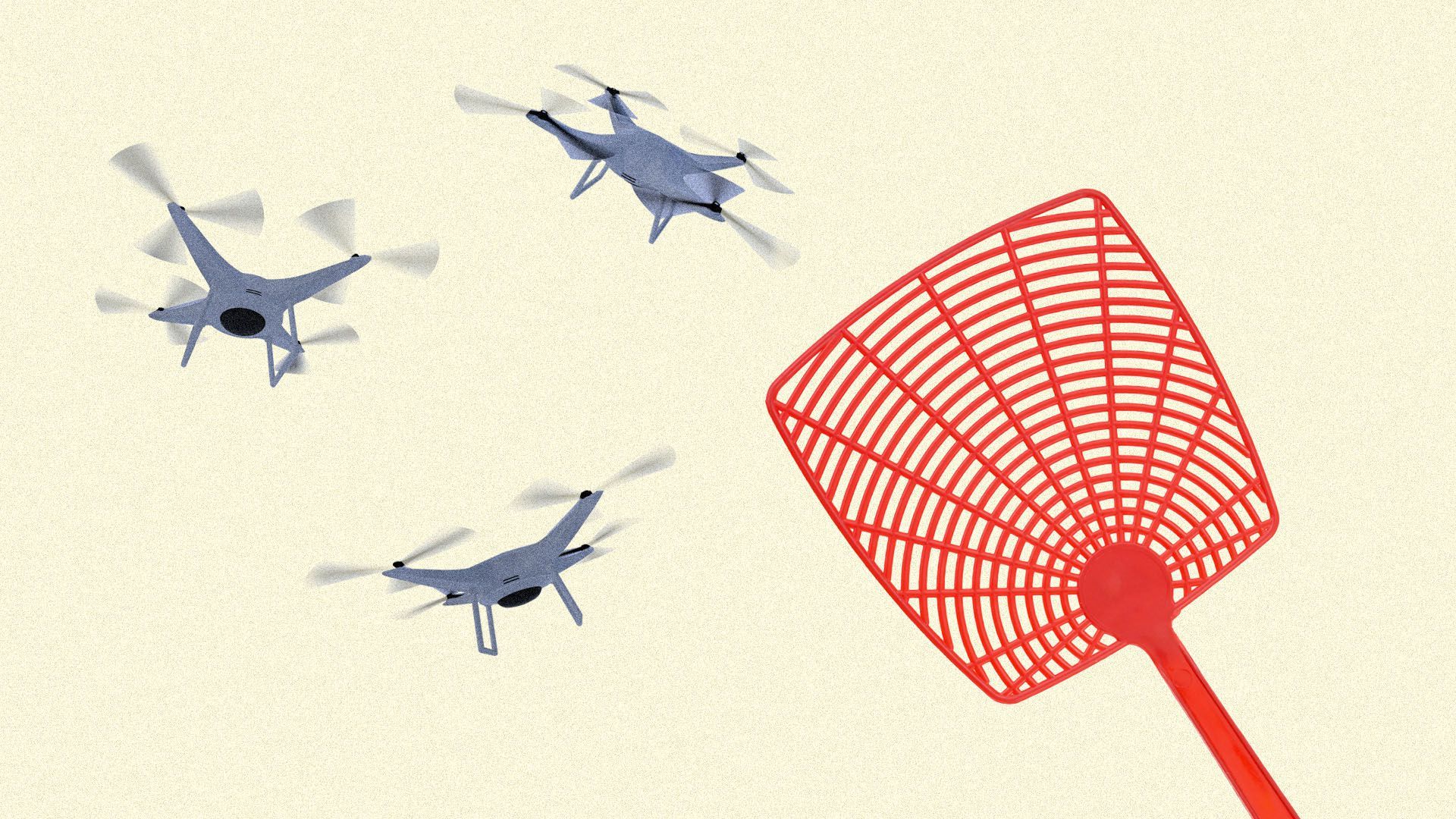
We still know very little about the drones that have shut down Gatwick, the U.K.'s second busiest airport, but their example is a painful reminder of our transportation system's vulnerabilities.
The big picture: This is why drone manufacturers want rules to prevent incidents like this that significantly damage trust in the nascent industry. In the U.S., the Federal Aviation Administration was expected to craft regulations this year. That didn’t happen, and drone companies aren’t happy.
Kim Hart, filling in for Dan, spoke with Axios tech reporter David McCabe to discuss Facebook's latest user data sharing nightmare, the rest of the tech giant's disastrous 2018, and what it means for Facebook means going into next year.
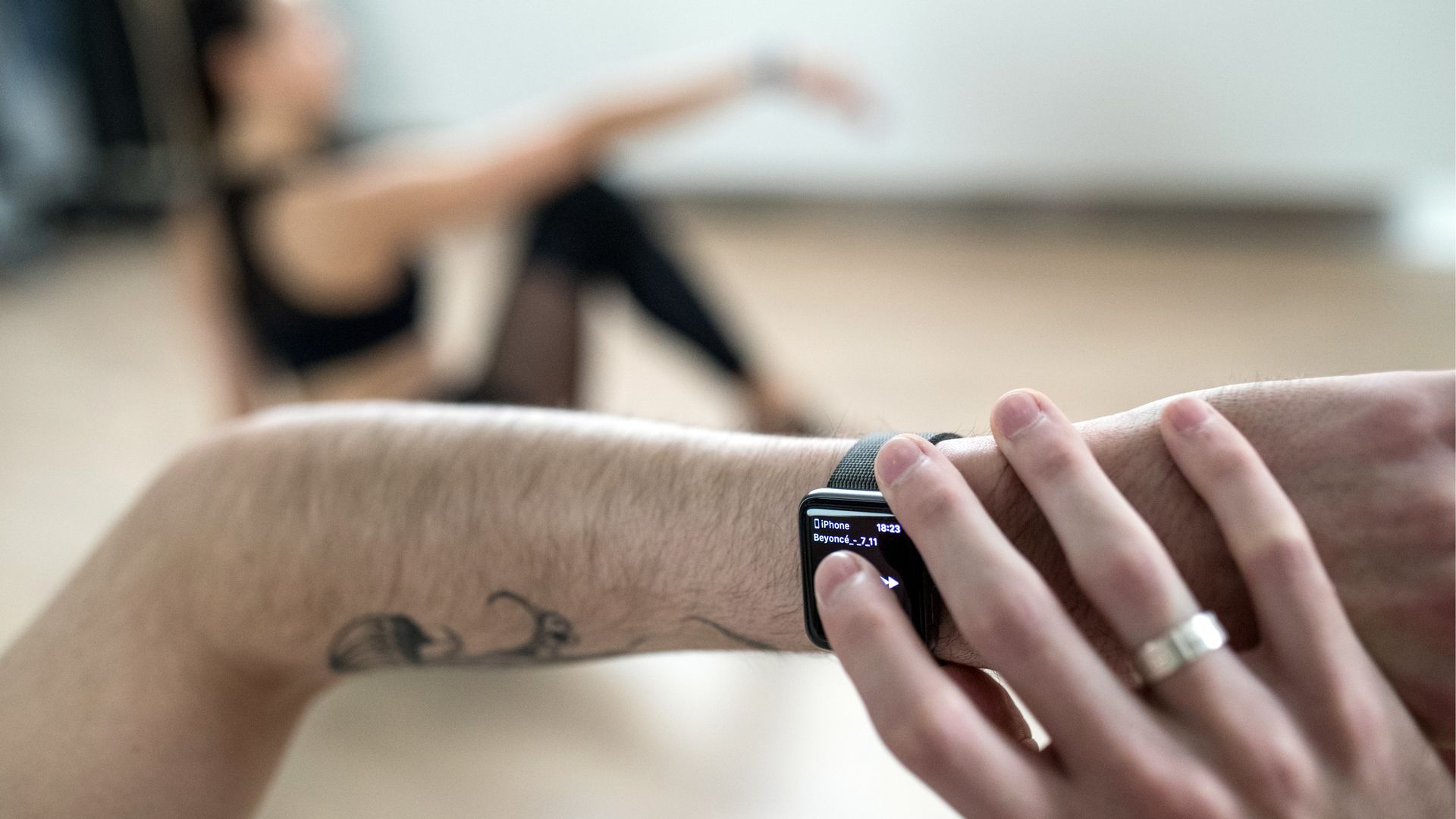
Apple is looking to patent a technique for automatically generating exercise recommendations.
Why it matters: Apple has been spending a significant amount of time and energy on its fitness efforts, including establishing a lab dedicated to fitness tracking. The application, filed in June 2017 and published Thursday, covers machine learning algorithms that can use data like vital signs and workout information, to suggest particular exercises.
The race to win the U.S. smart speaker market is heating up as Google and Apple begin to close in, very slowly, on Amazon's dominance.
Why it matters: Tech companies can expand their data-based ads and commerce businesses dramatically through smart speaker usage. There are also billions of dollars at stake in smart speaker hardware sales.
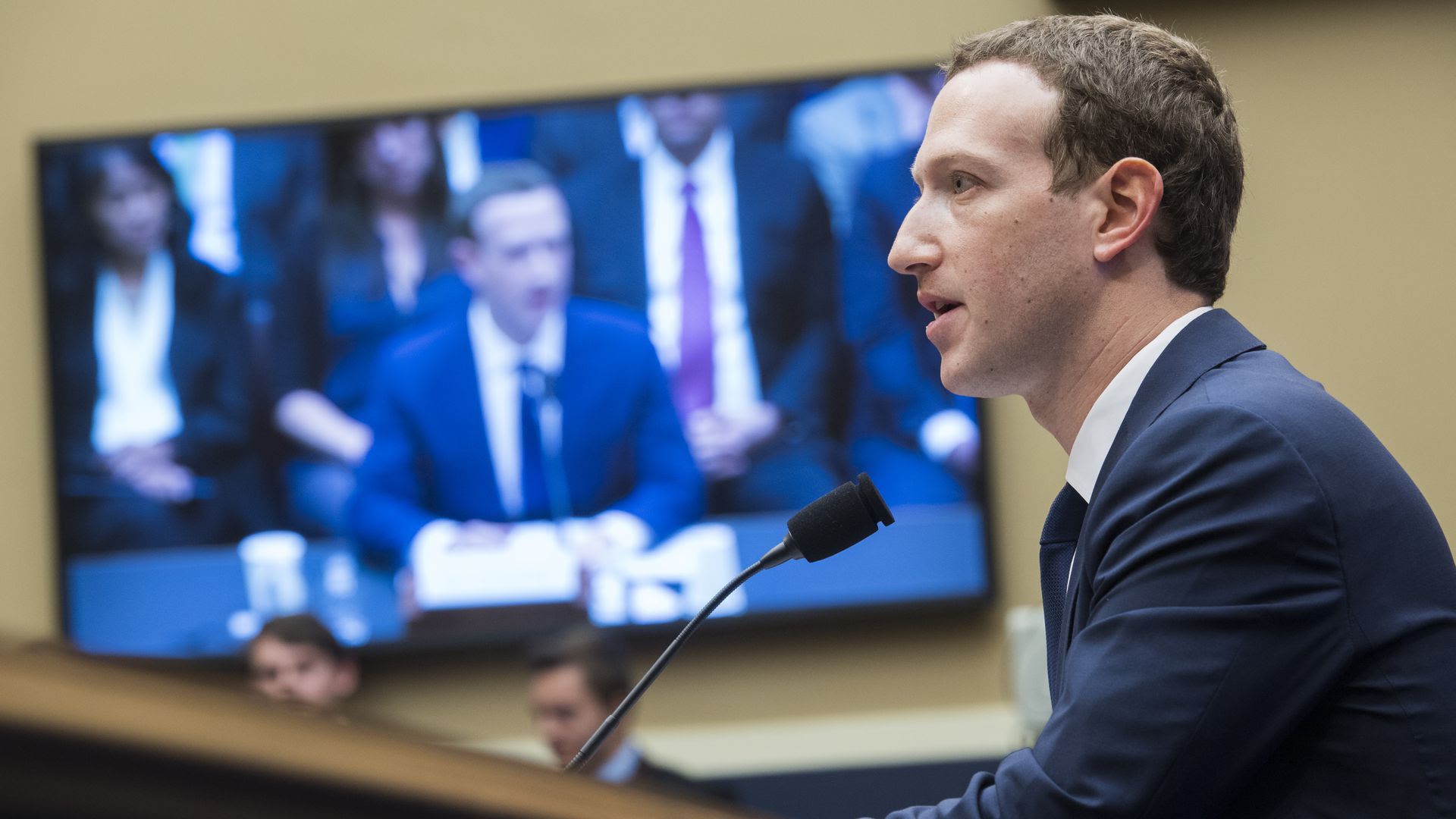
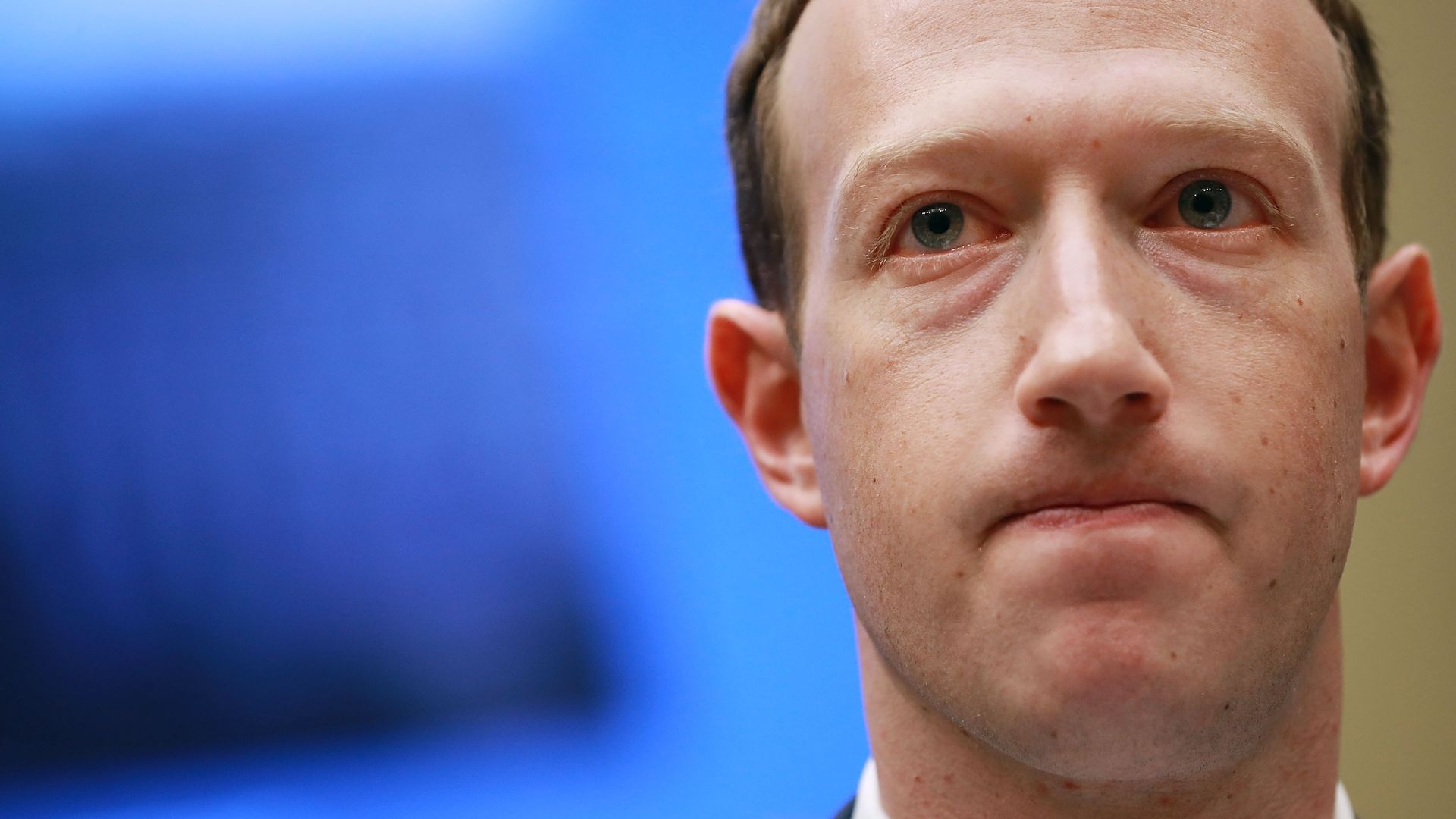
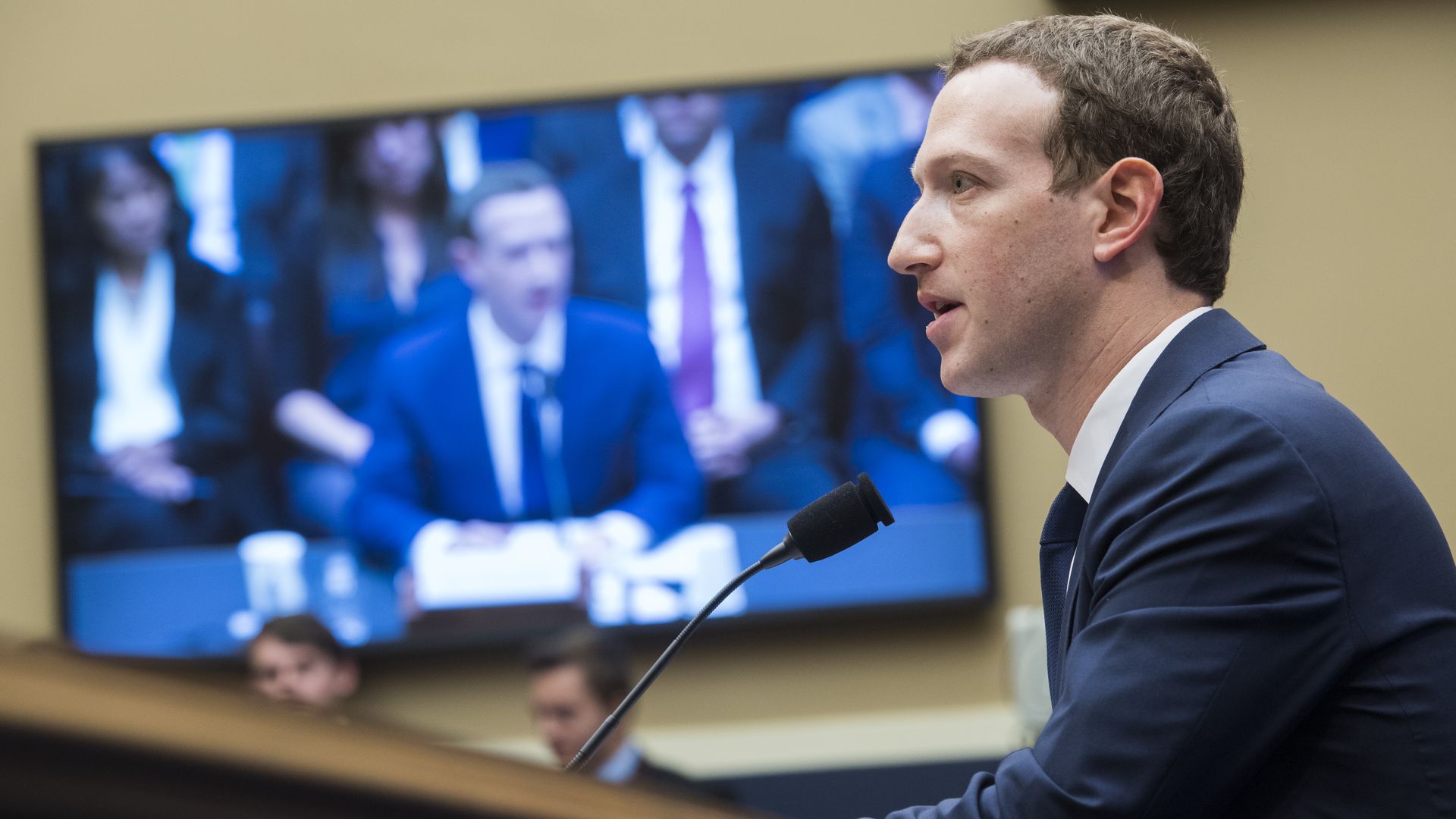
Facebook is closing out 2018 the way it started — under attack for betraying users' trust and oversharing their personal information.
The big picture: That's not how it was supposed to go. 2018 was going to be the year Mark Zuckerberg finally fixed Facebook. Instead, it became the year Facebook's founder and CEO began admitting that some of Facebook's problems couldn't be fixed.
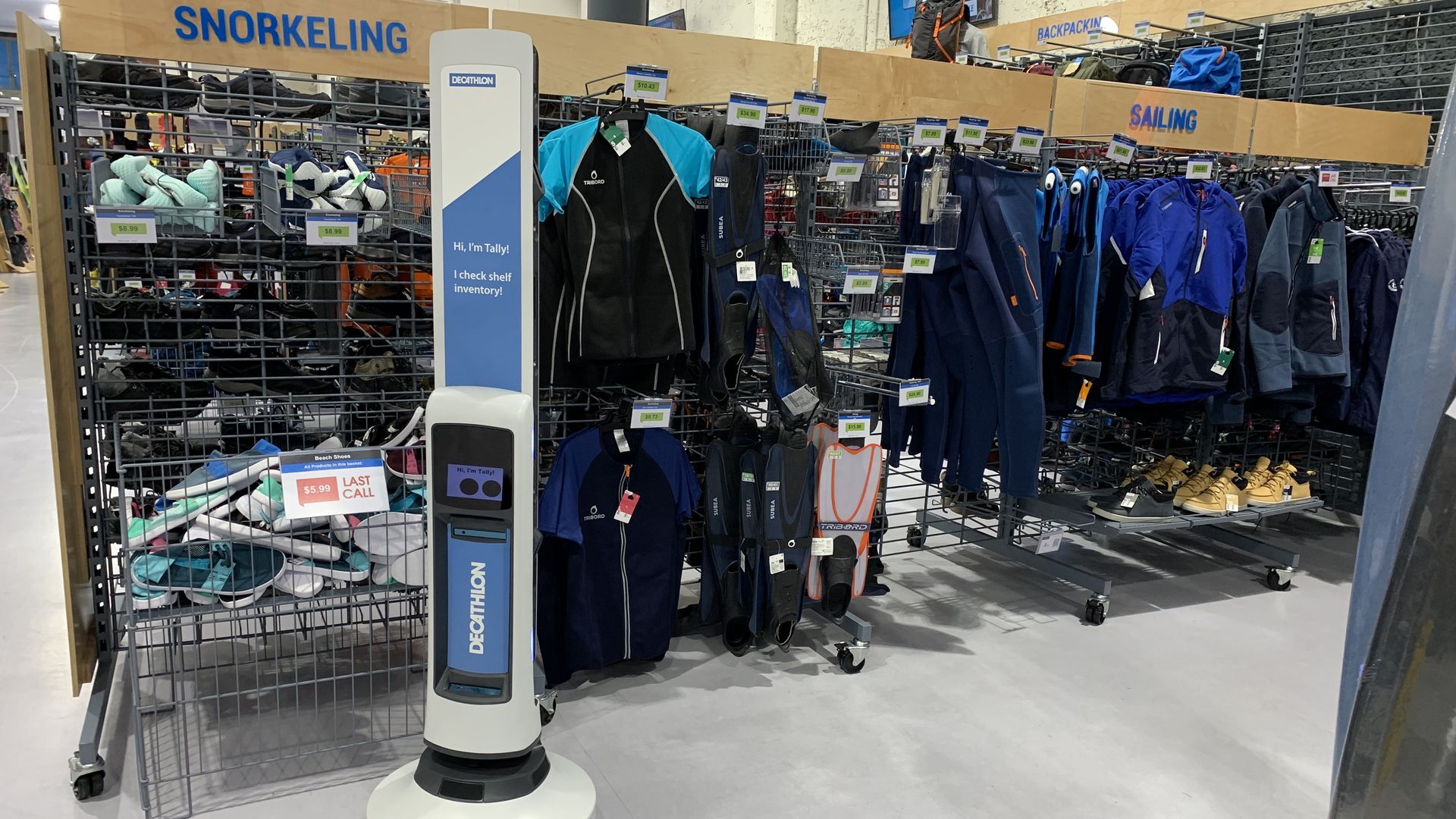
Bleeping and whirring through the aisles of a sporting goods store in downtown San Francisco, Tally — a tall, wheeled robot bristling with sensors — was doing what it promises: It was counting. The bot, made by Simbe Robotics and trundling through a Decathlon store, uses its sensors to read electronic merchandise tags, twirling this way and that to pinpoint products.
The big picture: Robots have long helped to assemble cars and move products around enormous warehouses. But Tally is the latest in a slow bot invasion into increasingly visible spaces, like sidewalks, malls and restaurants.
Earlier this month, Ed Felten — a Princeton professor and former adviser to President Obama — chided an international audience of artificial intelligence experts packing a cavernous Montreal convention center.
What he's saying: For too long, AI hands have been hiding in their basements, in effect playing God by deciding which technology is ultimately released to the masses, Felten said. Stop assuming that you know what's best for people, he admonished his listeners, and instead dive into the already-raging public debate of what happens next with AI.
In the latest barrage of Facebook privacy news, a fresh report from the New York Times on Tuesday night suggested that Facebook gave its partners even wider access to more user data (including private messages) for a longer time than previously known — and then, Wednesday, the District of Columbia’s attorney general sued Facebook over a slew of privacy complaints.
Why it matters: Silicon Valley insiders have a pretty thick skin when it comes to how much tech companies know about their users and how much they share with partners. Even still, Tuesday's revelations were a shock.
The District of Columbia’s attorney general sued Facebook Wednesday for allegedly letting outside companies, including the political consulting firm Cambridge Analytica, improperly access user data and for failing to properly disclose that fact.
Why it matters: The regulatory action comes as the Federal Trade Commission is also investigating Facebook over the privacy scandal, which sparked greater scrutiny of the way Silicon Valley has vacuumed up consumer data.
A fresh report from the New York Times on Tuesday night suggests that Facebook gave its partners even wider access to more user data (including private messages) for a longer time than previously known.
Why it matters: Silicon Valley insiders have a pretty thick skin when it comes to how much tech companies know about their users and how much they share with partners. Even still, Tuesday's revelations were a shock.
For all the talk of cars without drivers, the deployment of autonomous vehicles might still require humans controlling them from a distance. Most major AV companies are testing or planning to incorporate remote control — or teleoperations — in their robot-driven cars.
The big picture: Automated vehicles need help making decisions in complex situations, which is why the hype about fully self-driving cars remains unfulfilled. With humans taking the wheel via remote control, some companies hope to speed AV deployment, but questions remain about safety.
The big picture: AV developers have focused on improving how their cars respond to pedestrians, bicyclists and other cars on the road, but they must also address the challenges presented by infrastructure. Using AI and advanced image stabilization, AV companies are building better tools to map and assess road conditions.
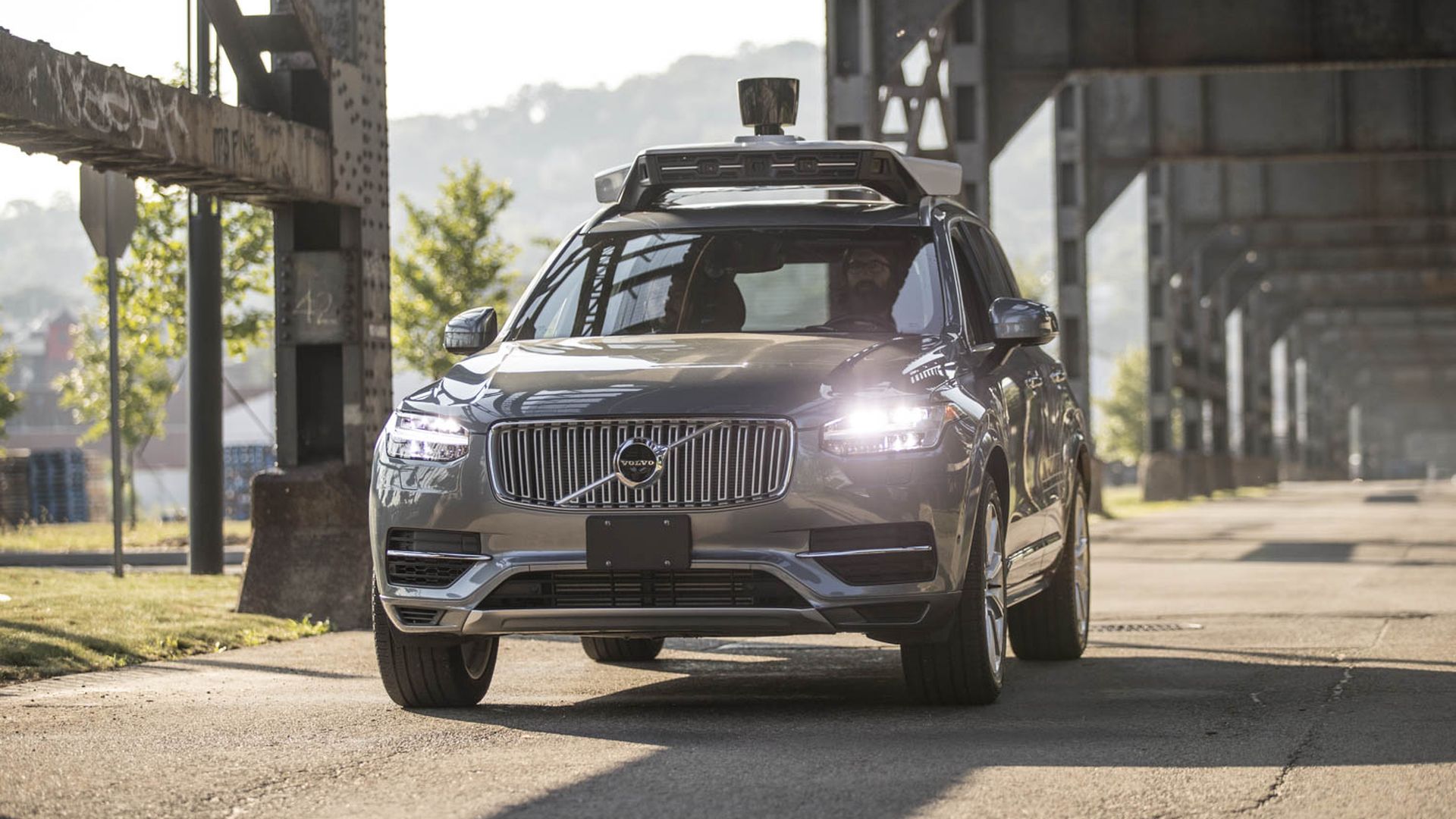
The Pennsylvania Department of Transportation has approved Uber’s request to resume testing of autonomous vehicles on public roads in the Pittsburgh area, reports the AP's Tom Krisher.
The big picture: The decision comes about nine months after testing was suspended following a crash in Tempe, Arizona, in which an autonomous test vehicle operated by Uber struck and killed a pedestrian.
Facebook gave technology companies more access to personal user data than was previously made public, according to "hundreds of pages of Facebook documents" obtained by the New York Times.
Why it matters: Facebook's privacy practices are the subject of an ongoing investigation by the Federal Trade Commission. Per the Times, the new records portray the "most complete picture yet" of Facebook's practices of sharing its users' data. Facebook has been under intense scrutiny in recent months after it disclosed a major security breach that could have left as many as 50 million users' accounts vulnerable.






/2018/12/19/1545251909946.gif?w=3840)