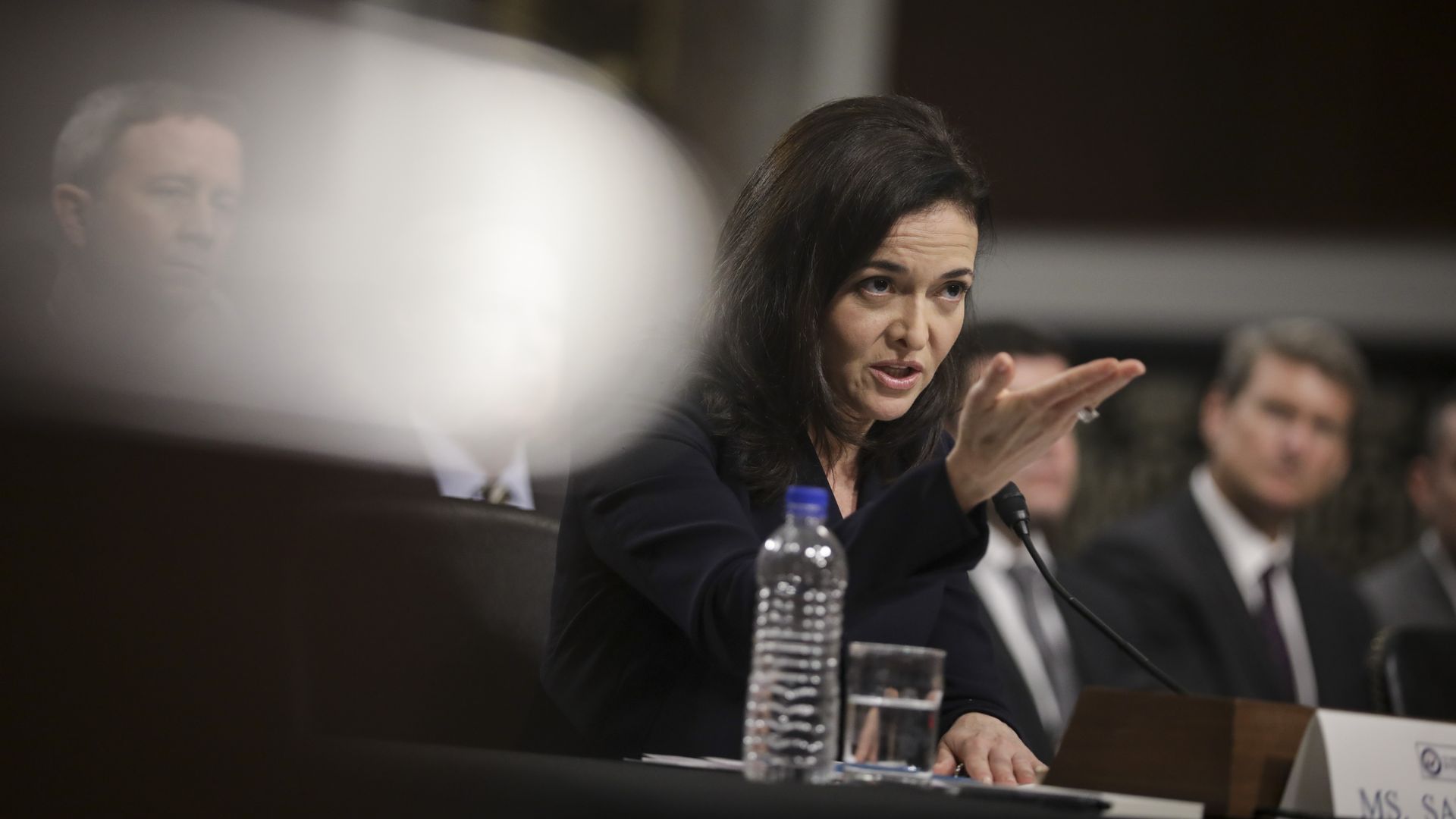
Facebook COO Sheryl Sandberg said Tuesday that the company needed to do better to protect civil rights on its platforms.
Why it matters: Civil rights groups have pushed the social network for years to better tackle harassment. This year — after a consulting firm hired by Facebook tried to link some of its critics to liberal billionaire George Soros — activists were able to get Facebook to agree to update the public on a civil rights audit into its platform.
Facebook announced last week that the criteria used to determine whether someone is a daily active visitor of its product "Watch" is by measuring whether a user spends at least 1 minute on the Watch platform per day, but Axios has confirmed that those 60 seconds do not need to be consecutive.
Why it matters: In order for Facebook to lure advertisers who typically buy ads on television to purchase video ads on Watch, it needs to convince them that the social platform's audience is just as engaged with shows on Watch. But TV networks measure a "view" of a show based on whether a show was watched for 60 consecutive seconds.
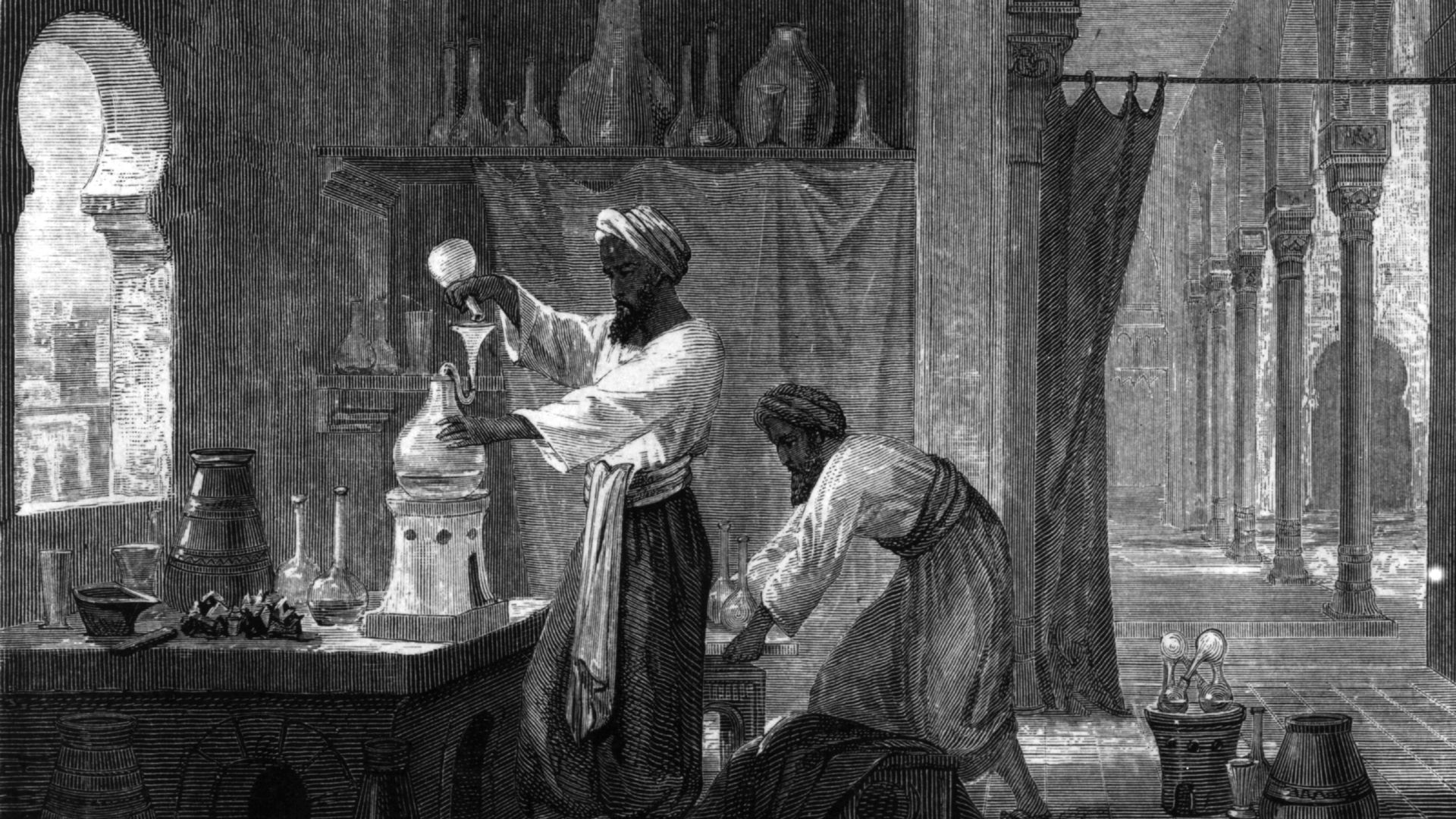
Ever since science became a formal discipline some five centuries ago, academic research — a fundamental driver of innovation — has, on and off, seemed broken: Scientists have cranked out too many incremental advances, fallen behind on the best research in their field and produced unreplicable work.
Driving the news: Now, some are again rethinking the process, hoping that artificial intelligence could be the long-sought highway to faster and more reliable scientific discovery.
Google’s search engine project for China, Dragonfly, "effectively ended" after Google’s privacy team found out engineers were secretly gathering people’s searches in China to produce a prototype for a censored search engine and confronted Google executives about it, per a report from The Intercept.
What happened: The engineers were largely moved to different projects or told to stop using those searches from China, which has "stopped progress" on the project, one source told The Intercept. Per Google, many privacy and security engineers have been consulted in the process. Google declined to comment specifically on The Intercept report and pointed to CEO Sundar Pichai's testimony last week on Capitol Hill.
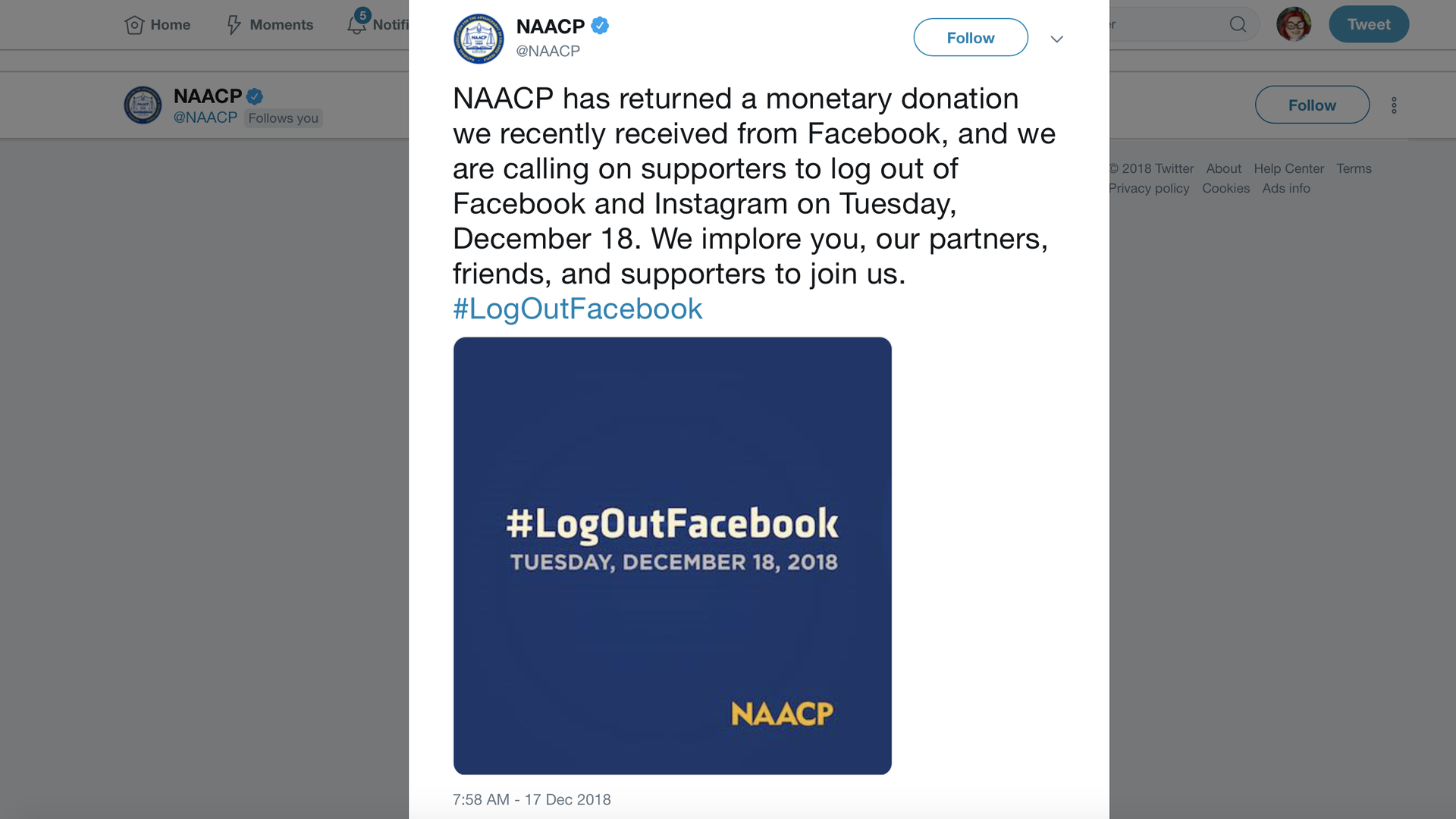
The NAACP has returned a donation from Facebook and called for a daylong boycott of the social network Tuesday following revelations of how its platform was used to manipulate black voters in the 2016 presidential election.
Why it matters: It's another pressure point on Facebook, already under fire from governments, privacy groups and others.
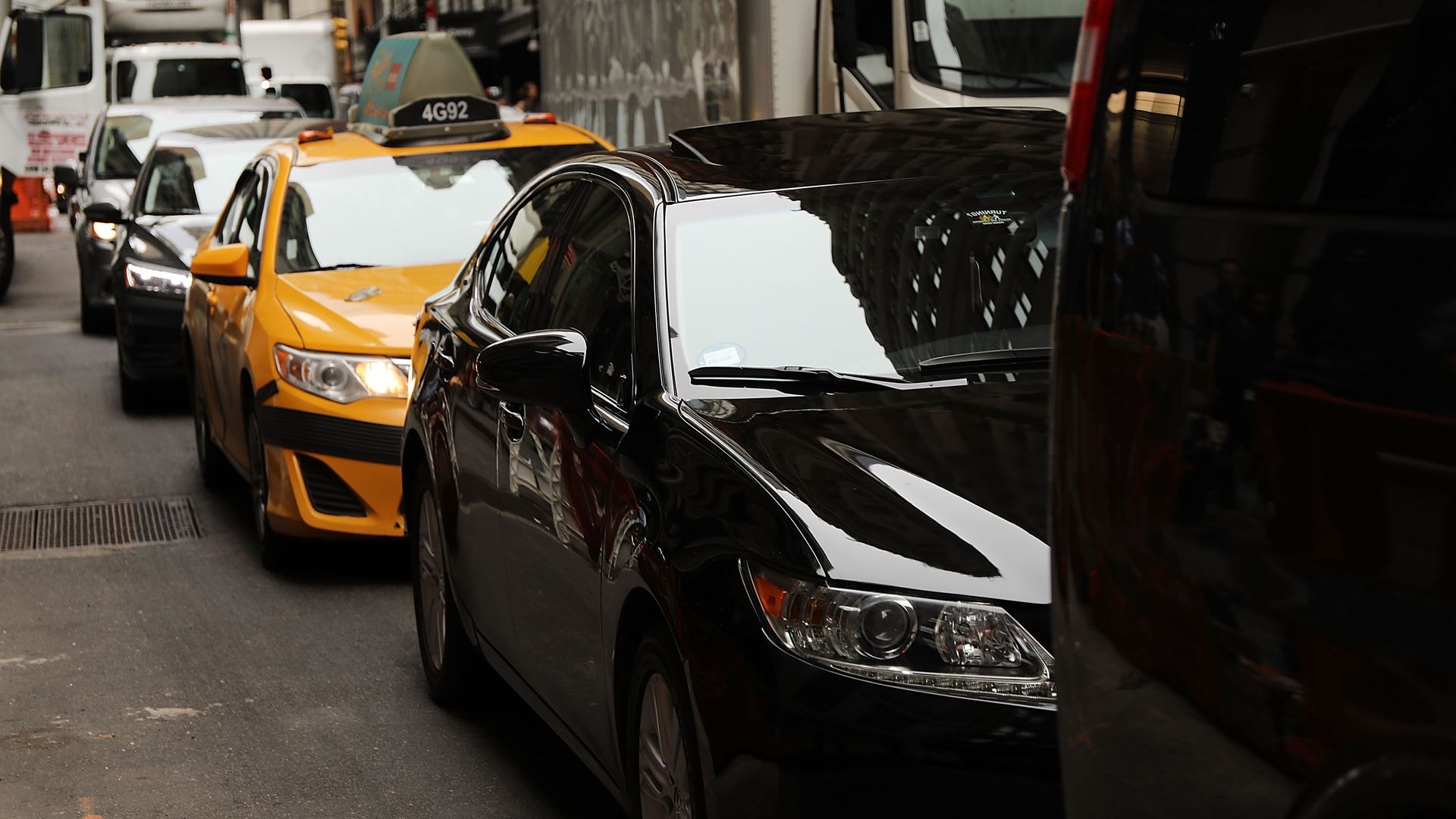
A new congestion fee in Manhattan's busiest zones and an upcoming first-of-its-kind minimum wage rule for ride-sharing drivers will cause the costs of using Uber and Lyft around New York City to spike in 2019, Bloomberg reports.
The big picture: The $2.75 fee for ride-sharing vehicles — $2.50 for yellow taxis — takes effect Jan. 1 as a part of Uber- and Lyft-backed efforts to reduce congestion, allowing ride-sharing services to complete trips faster and pick up more customers. Meanwhile, Uber has fought against the new wage rules for its drivers set to come into effect later in January as well as a freeze on ride-sharing licenses in New York.
This year Facebook made a habit of waiting to disclose privacy issues to the public or, after damaging stories broke, failing to get ahead of questions it would inevitably face.
Why it matters: Experts advise institutions facing public crises to respond fully and fast, make potentially damaging revelations all at once, and avoid drip-drip-drip scenarios that erode credibility. Facebook has often taken the opposite path, multiplying the damage its controversies have dealt to its reputation and its business.
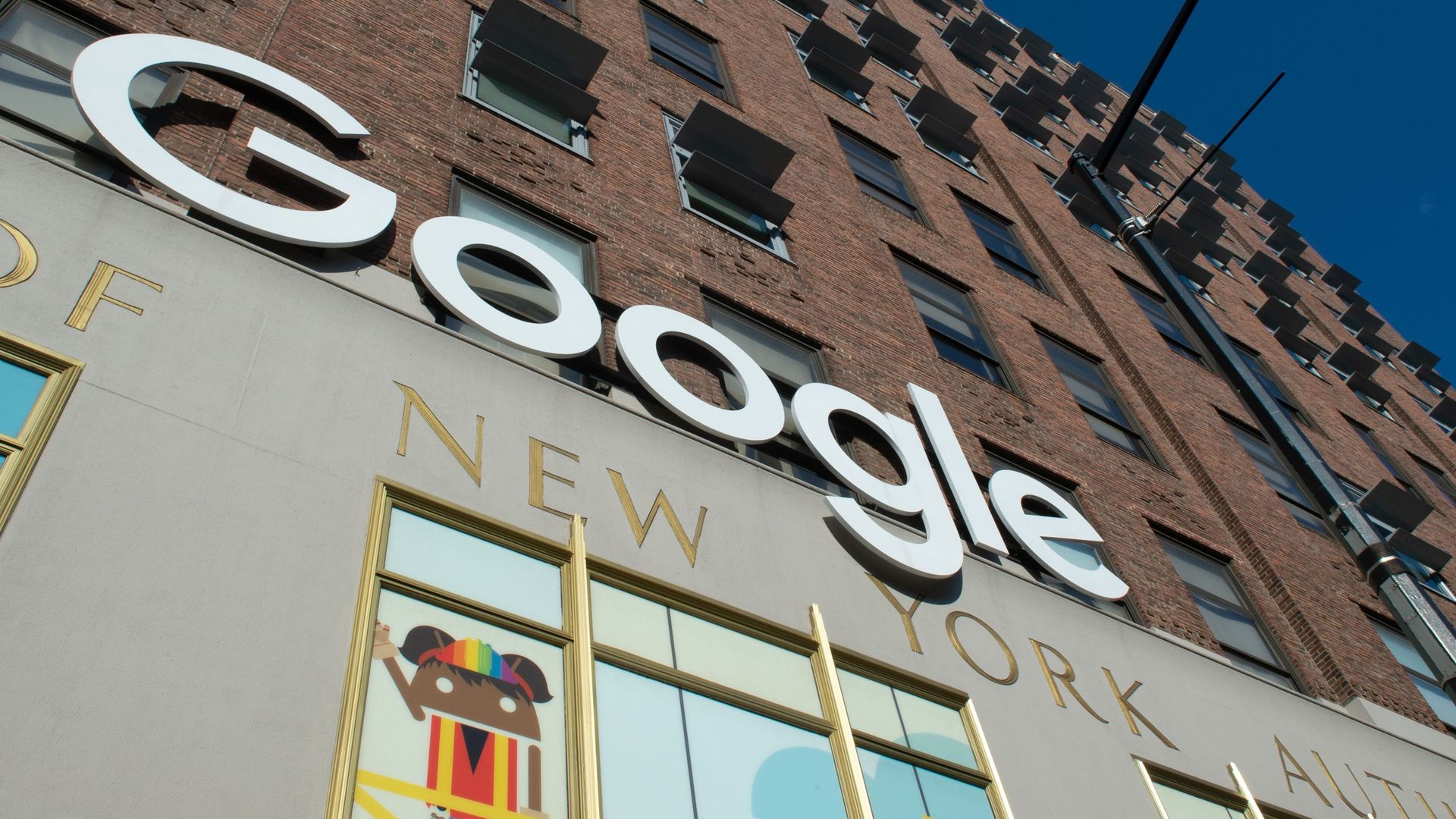
Google announced Monday it plans to spend $1 billion and lease three new properties as it expands its New York City presence.
The bottom line: With the new investment — and the $2.4 billion purchase of Chelsea Market earlier this year — Google says it will have the capacity to more than double its New York workforce, already at more than 7,000 workers.
The lawyer representing Apple’s contract manufacturers in their legal battle with Qualcomm spoke out Sunday night, criticizing the company both for its business tactics and for implying settlement talks were underway when there were none.