Uber's losses continue to grow this quarter, as the ride-hailing giant doubles down on competitive markets, but it's also touting the growth of its food delivery business, UberEats, whose gross bookings grew more than 150% in the past year.
Why it matters: Uber plans to go public next year, but it has yet to turn a profit.
Dan talks about Amazon heading to Long Island City, New York with one of its two new headquarters with the Deputy Mayor of New York Alicia Glen. Then in the "Final Two" Dan talks about Dell and how Democrats and Republicans see the stock market differently.
Greetings from New York City, where the local tabloids are aghast at the more than $1.8 billion in incentives used to lure Amazon to Queens.
Why it matters: Not only do some critics feel the money could best be spent elsewhere — a questionable argument, since the $1.8 billion is intended to come from the new, Amazon-related revenue — but they're also concerned with the per-employee incentives, which are more than twice what Arlington, Virginia, is paying.
Hungry for more Wi-Fi capacity, the telecom industry is looking to snatch control of underutilized airwaves reserved for the auto industry. But this is coming just as carmakers begin to make progress on developing and adopting technologies for connected and autonomous cars that currently rely on that spectrum.
The big picture: Tech and telecom companies have been fighting for years over spectrum to support exploding demand for mobile services and smartphones. Automakers have had exclusive access to a band of spectrum for almost 20 years but haven't done much with it, prompting telecom providers to argue, "Use it or lose it."
Most AVs use a combination of lidar, radar and cameras to survey their environment, but these technologies can fall short in even mildly inclement weather, and few AV systems meaningfully incorporate external data on weather and road conditions.
The big picture: Fully automatedAVs will need to be able to pull and analyze information from various sensors on and off the vehicle to safely navigate. Despite industry optimism, however, getting this technology up to speed will likely take years.
News of Waymo’s robotaxi launch, Uber’s return to public road testing, and Zoox’s plans for full commercial deployment in 2020 have kept the AV companies aiming to produce all key components themselves in the spotlight. But major contributions are being made by a sometimes overlooked but equally critical group of horizontal suppliers, who are carving out highly specialized technical niches as suppliers.
The big picture: As AV technology advances, vertical companies — whether legacy automakers, tech companies or startups — are likely to become increasingly dependent on horizontal players for mapping, simulation, tele-operations and more. For all its new technology, the AV industry may end up with a tiered system just like that of its conventional car predecessor.
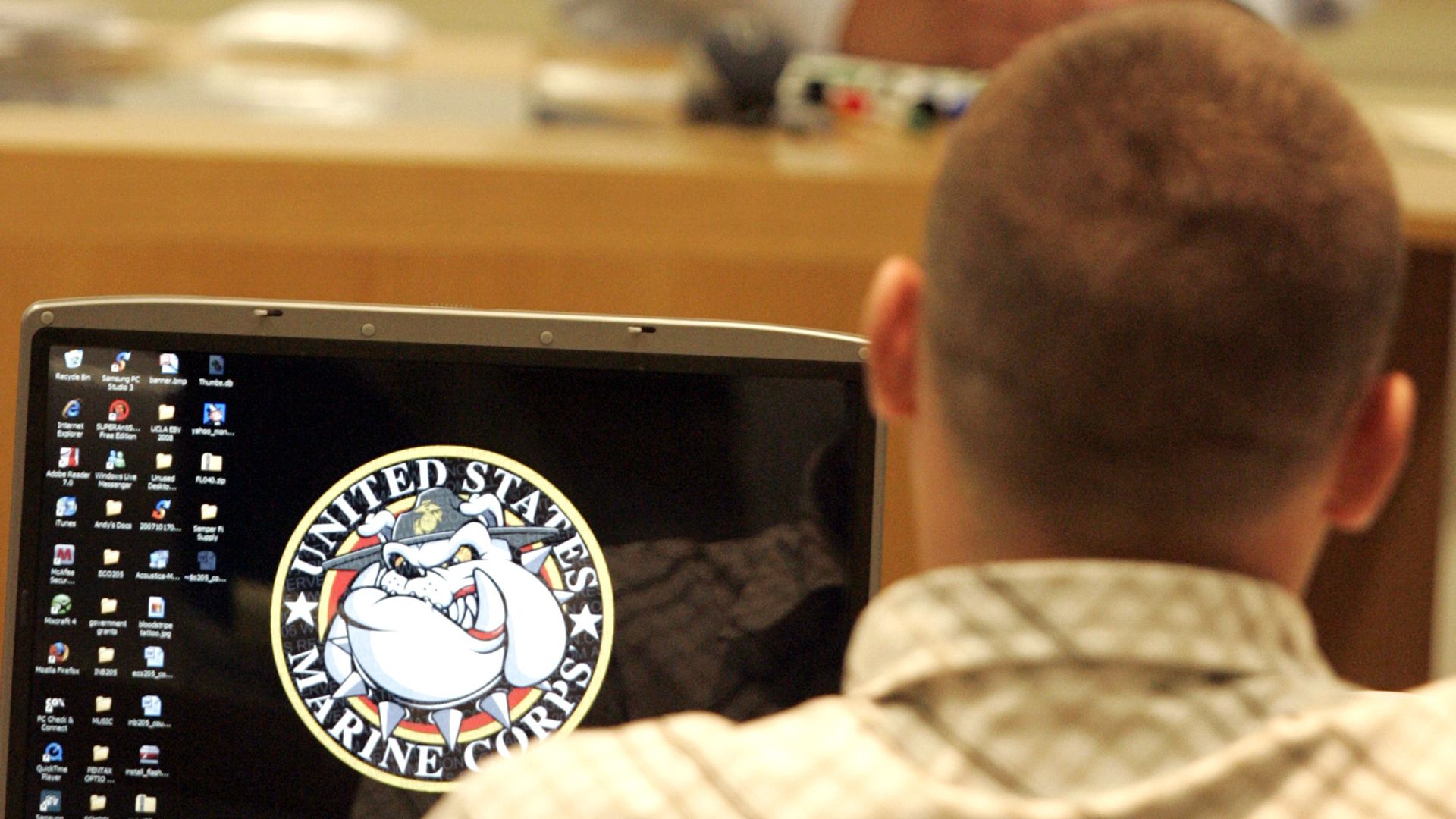
For a month, two disabled veterans in Texas labeled photos taken by drones, drawing lines around objects and identifying them. Their work will be used to train artificial intelligence systems.
Why it matters: Physical disabilities or a mental health condition like PTSD can make it difficult for a veteran to work in a traditional office or work site. But data labeling can be done on a computer from home.
LinkedIn, the business and employment network, says it expects to bring in roughly $2 billion from its media business — mostly via ad revenue — by the end of this fiscal year.
Why it matters: LinkedIn has been hesitant to reveal specific revenue numbers around its media efforts since it was acquired by Microsoft in 2016, but is doing so now to highlight the growth of its ad business, which can be in part attributed to user engagement.
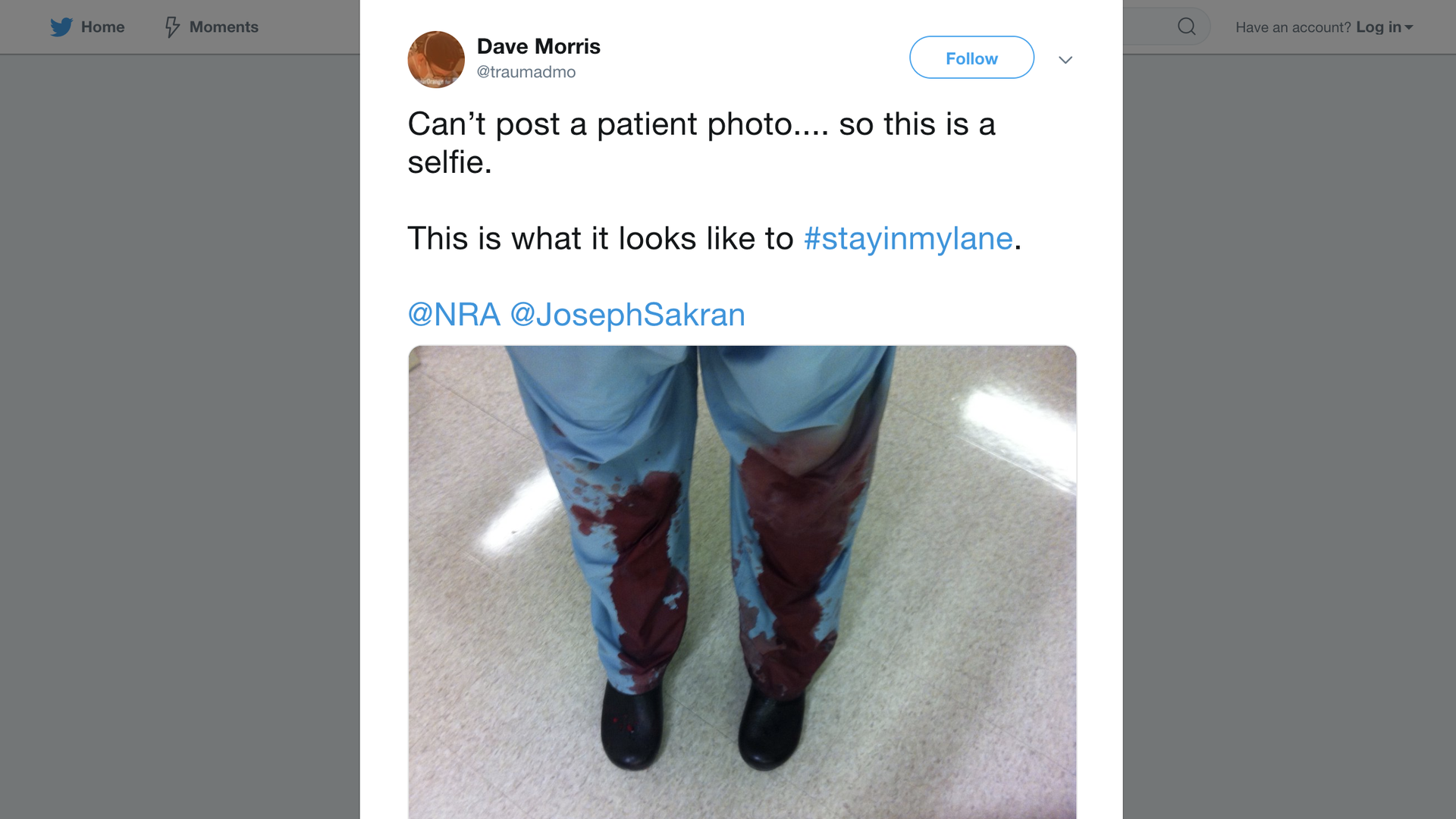
Doctors are the latest group to use Twitter to make the case for gun control, going viral with pictures graphically showing the impact of gun violence on U.S. society.
Driving the news: The mass response comes after the NRA tweeted that doctors should "stay in their lane" as a response to a paper released by the American College of Physicians. Doctors seized on the NRA tweet, responding with bloody photos and a variety of hashtags, including #ThisIsMyLane, #ThisIsOurLane and #ThisisEveryonesLane.
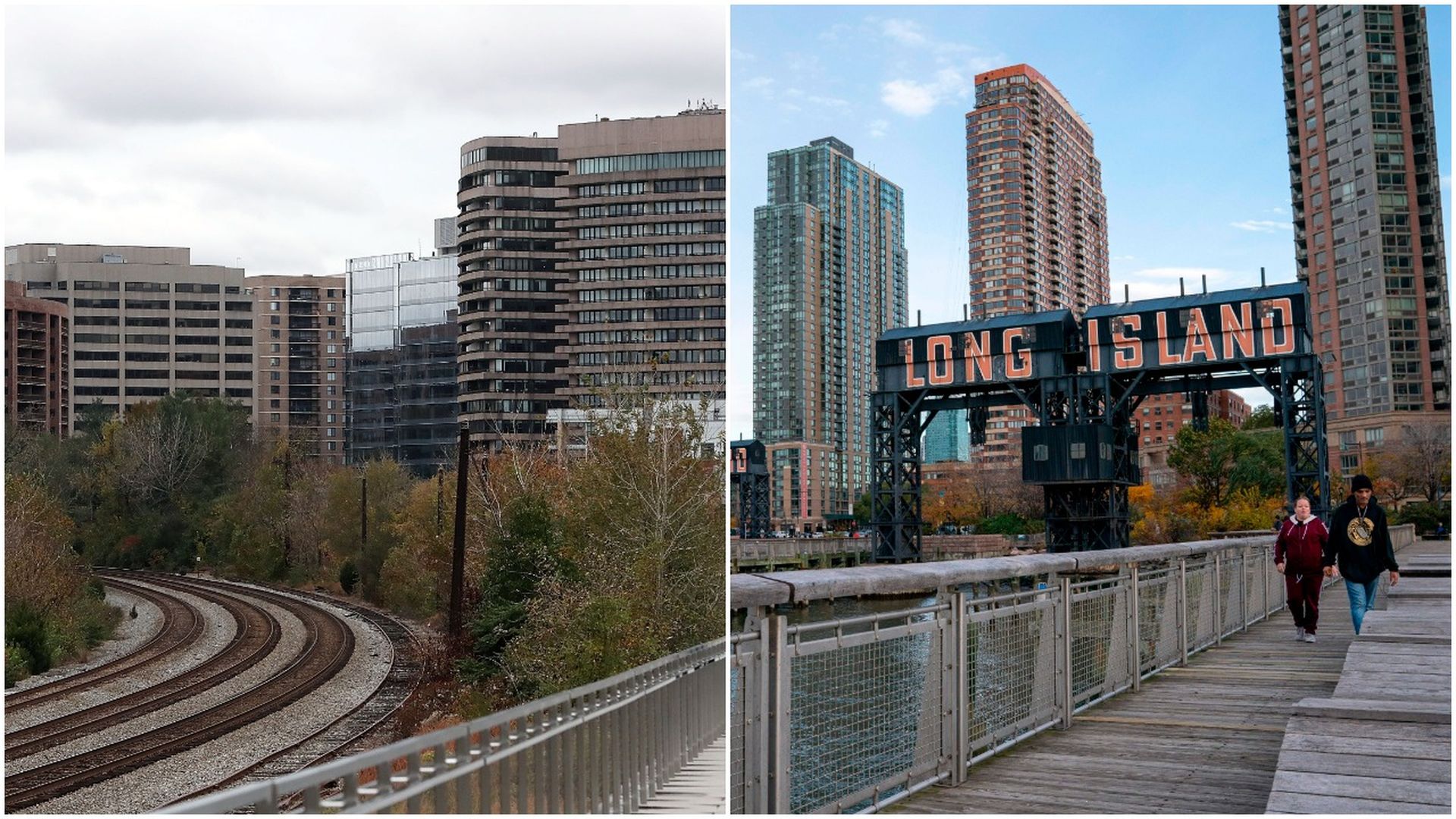
Amazon will split its HQ2 between Virginia’s National Landing and New York’s Long Island City, with construction starting as soon as 2019 for new offices to house the 25,000 high-paid tech jobs each city will get. Nashville was also chosen for a new operations center and slated to receive 5,000 jobs.
Why it matters: Dozens of cities vied for the promise of new jobs, economic stimulus and the cachet of "tech hub." For the winners, the new Amazon headquarters came at a price: New York is giving Amazon $1.5 billion in tax credits and other incentives; Arlington is offering $573 million; and Nashville $102 million per the Washington Post.
Dan and Axios media reporter Sara Fischer discuss why President Trump keeps arguing that big media companies violate antitrust law, and how his views could affect actions by a Justice Department that just lost Jeff Sessions.
Public and tech sector officials had mixed reactions on Tuesday to Amazon's confirmation that Crystal City in northern Virginia and New York's Long Island City are the planned sites for its second and third headquarters.
The big picture: While some officials see the move as a major investment, bringing jobs and huge financial possibilities, others view it as an unnecessary surge in already wealthy and overcrowded metropolitan areas that could make life more difficult for the citizens who already live there.
Amazon has officially announced that Crystal City (adjacent to the Pentagon outside D.C.) and New York City's Long Island City will become its second and third hubs.
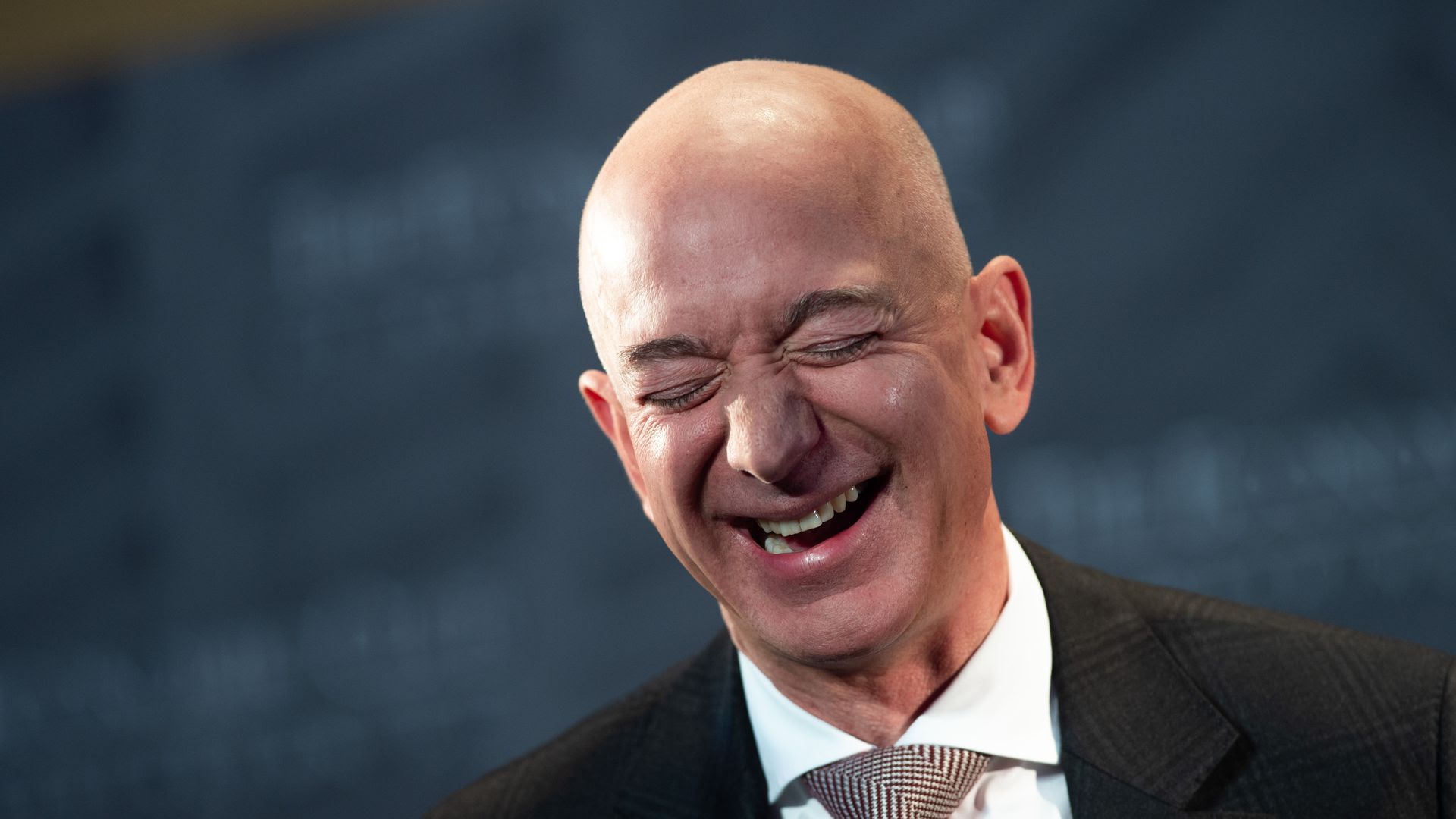
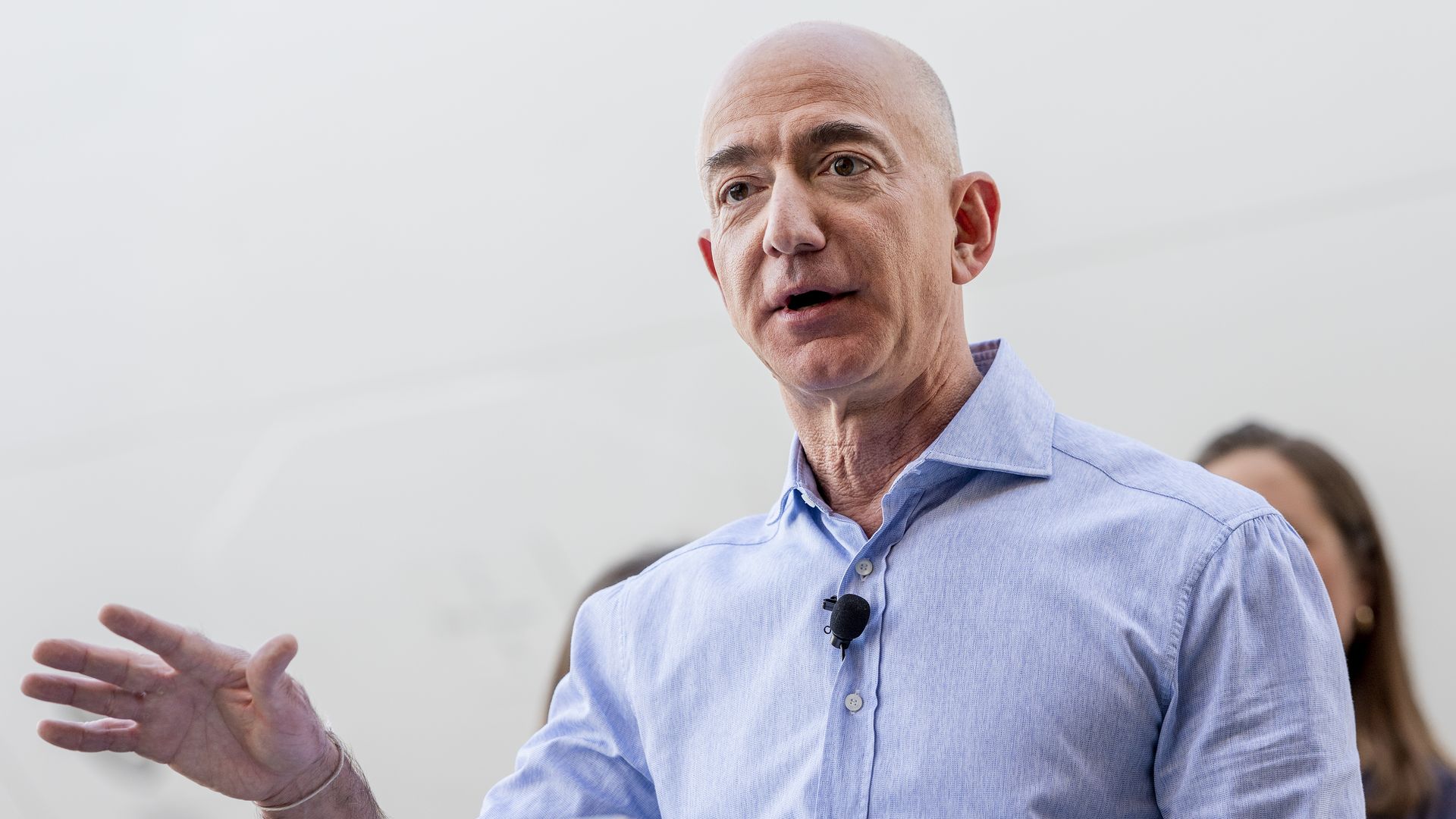
“We are excited to build new headquarters in New York City and Northern Virginia. These two locations will allow us to attract world-class talent that will help us to continue inventing for customers for years to come. The team did a great job selecting these sites, and we look forward to becoming an even bigger part of these communities.”
— Amazon founder and CEO Jeff Bezos
Why it matters: Each city will be on the receiving end of a massive investment by Amazon, with 25,000 jobs in each location.
Yahoo Finance, the decades-old money brand now owned by Verizon, is launching a subscription service that aims to compete with Bloomberg for the cash and attention of retail investors, sources tell Axios.
Why it matters: Yahoo Finance Premium will act as a testing ground for Verizon Media Group (formerly called Oath) to launch more subscription services amongst its other brands (like TechCrunch and Yahoo Sports), as the advertising outlook continues to look bleak for traditional media companies.
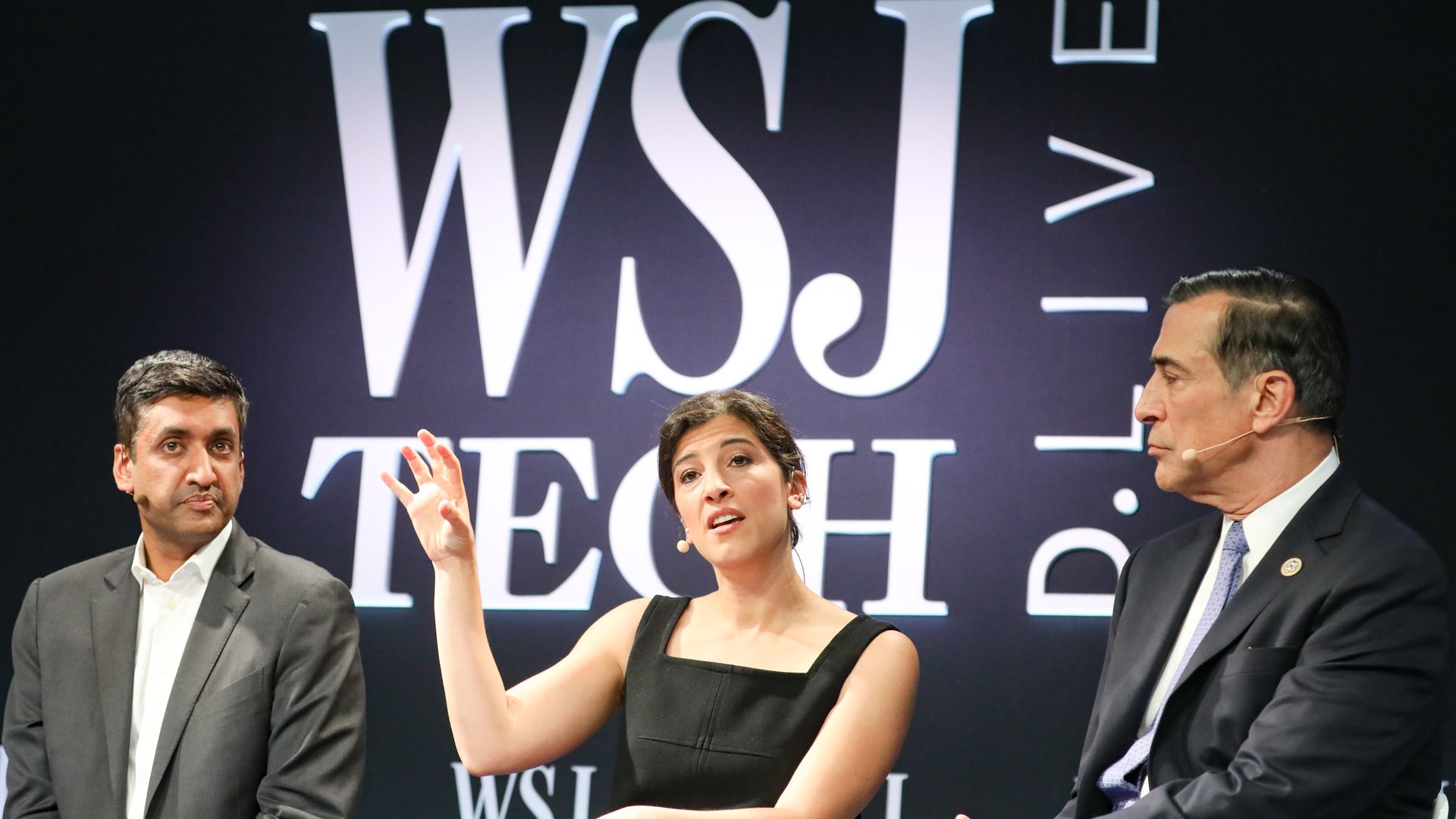
Rep. Darrell Issa, speaking at the Wall Street Journal's tech conference in Laguna Beach Monday, said the U.S. information system needs new ways to hold liars accountable — including journalists' anonymous sources and social-media disinformation providers.
What they're saying: "We have to have a result for the person who creates a lie, which we don't yet have,” said Issa.
Snapchat VP of content Nick Bell is leaving the company, the executive told employees in a memo on Monday.
Why it matters: Bell was instrumental in building out Snapchat's content platform, Discover, and for creating shows that would resonate with younger audiences who like to consume short videos vertically on their phones.
Amazon is set to announce as soon as Tuesday that Crystal City (adjacent to the Pentagon outside D.C.) and New York City's Long Island City will become its second and third hubs, the WSJ reports.
Between the lines: The HQ2 process saw cities give Amazon details about their future plans that most of their citizens are not privy to, in addition to an incredible amount of free publicity, while the e-retailer ultimately settled with two of the wealthiest cities on Earth.