Vine, the six-second videos that shaped internet culture, is returning in spring 2019, co-creator of Vine Dom Hofmann tweeted, but with a new name: Byte.
Why it matters: Twitter shut down Vine in 2016 and had a large following for viral video creators, but was not able to monetize at the pace desired. Hofmann's idea of a Vine 2.0 last year was squashed due to funding and development issues, Engadget reports. Now, a domain name, Twitter and Instagram accounts have been secured for more concrete plans for Byte.
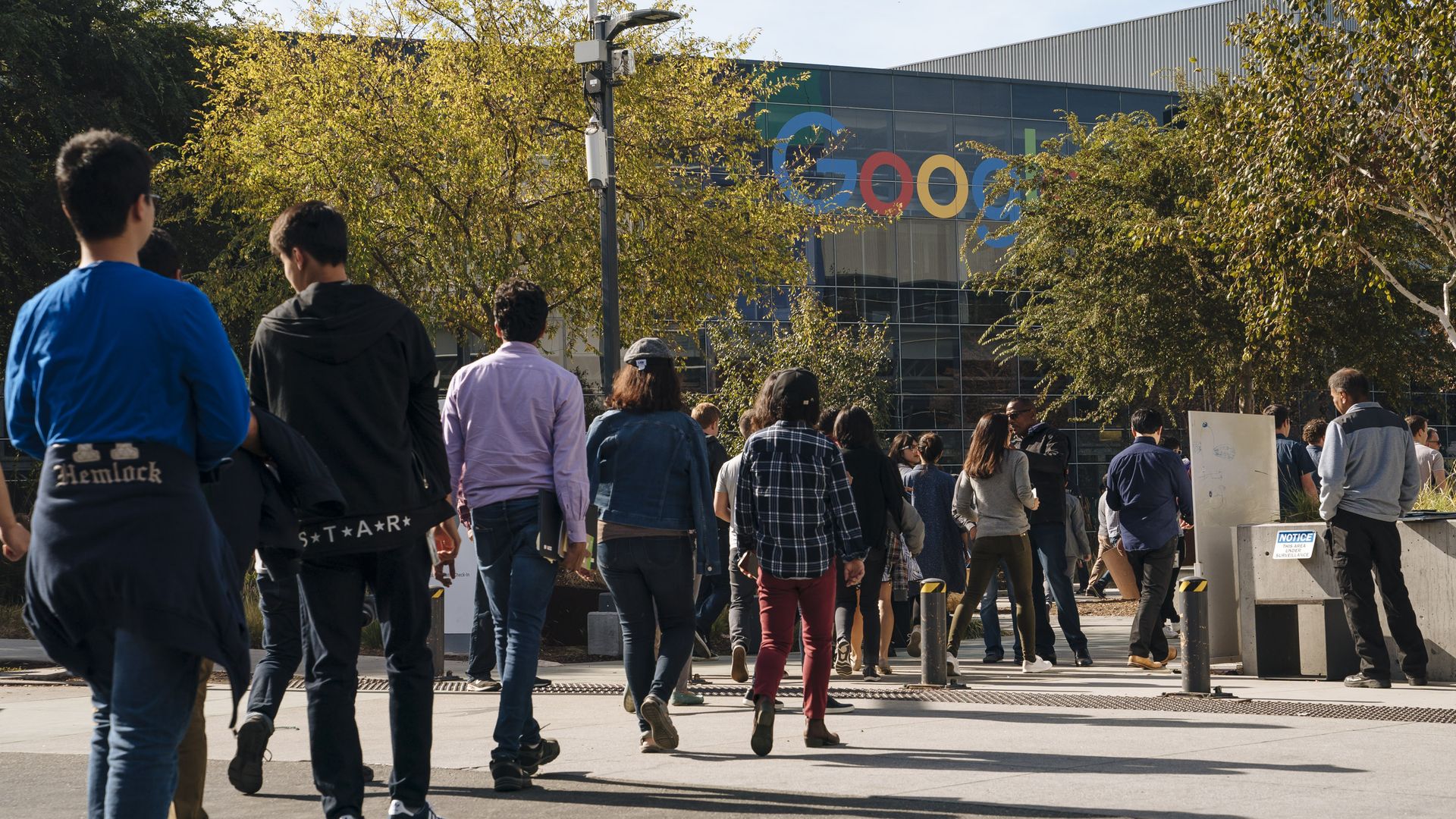
Google’s CEO Sundar Pichai sent an email to Google employees Thursday detailing which of their demands about changes to the company's sexual harassment policies it plans to meet.
The bottom line: While Google employees’ protests over controversial Google projects and policies have had some success — such as shutting down the company's AI drone project with the Pentagon — not every demand over sexual harassment is being met, per the note.
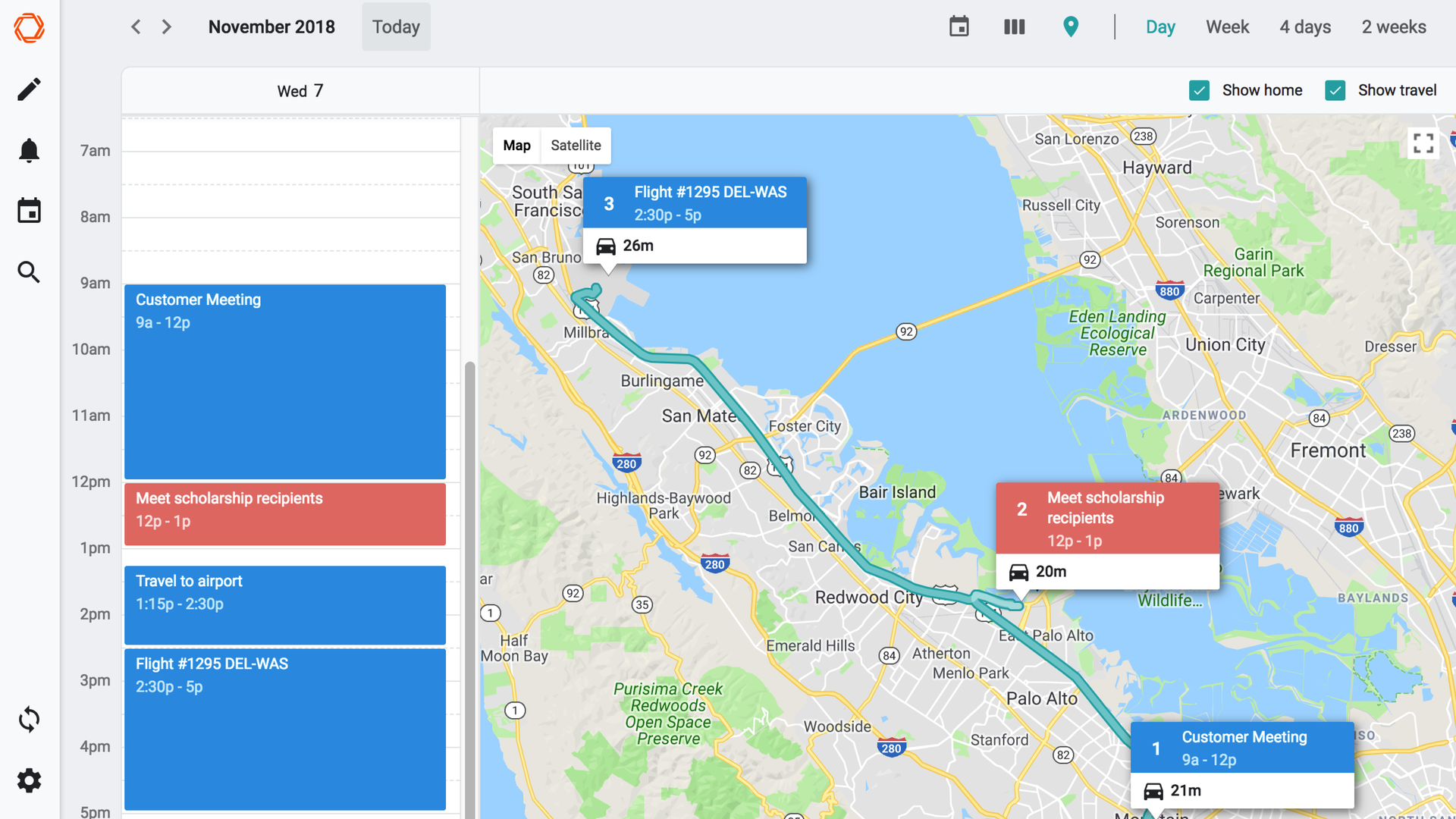
When he was Facebook's chief information officer, Tim Campos said he spent a lot of time hearing from executives how frustrating it was to deal with their calendar. So when he left the company in late 2016, he set out to build a better calendar.
Details: Woven, as the company and product are called, helps individuals better manage their time — including work, team and personal calendars — as well as ease the process of finding times to meet up with people.
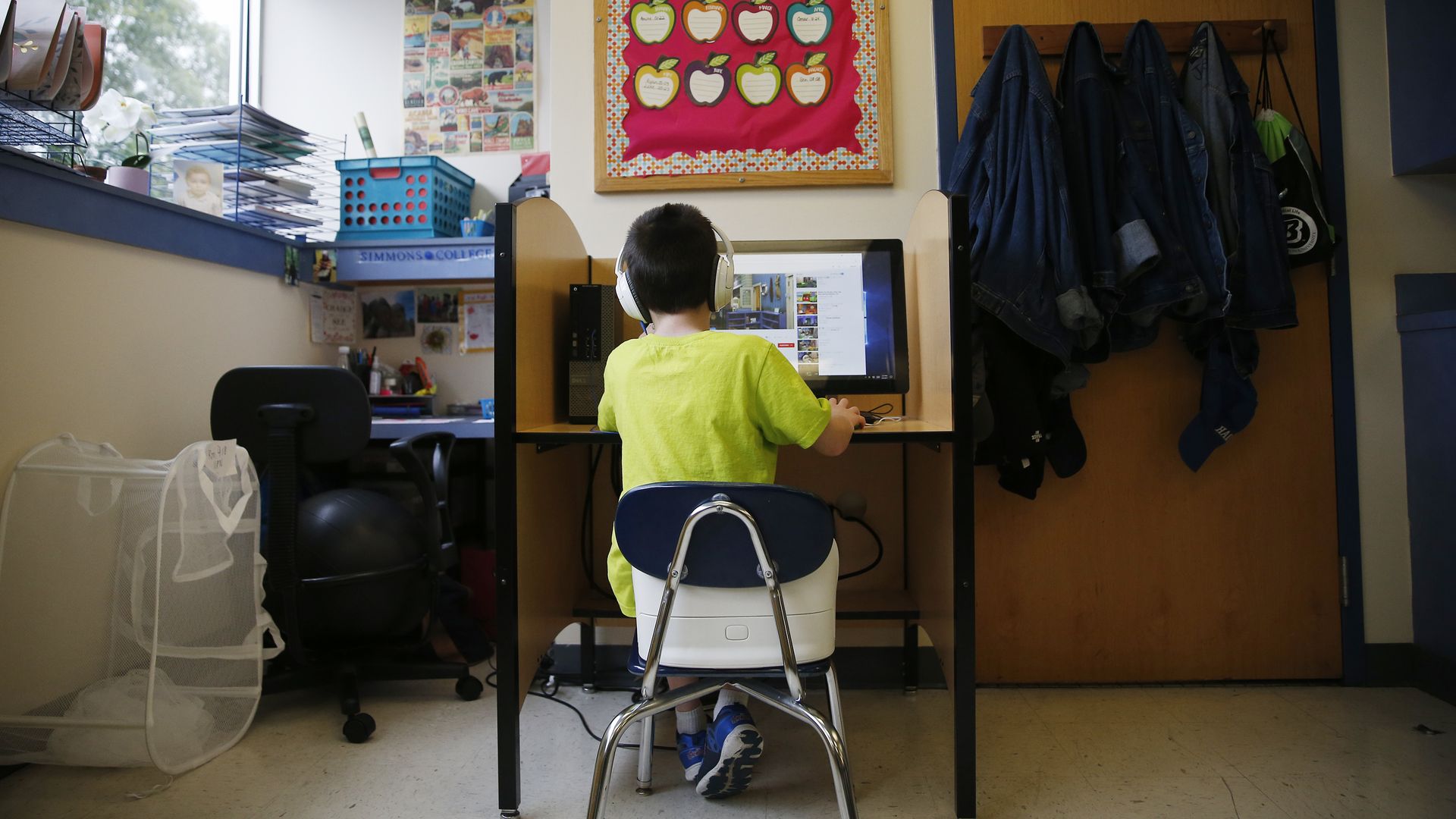
About 81% of parents with children 11-years-old or younger say they let their child watch videos on YouTube, according to a new report from Pew Research Center.
Why it matters: Researchers and tech companies are increasingly collecting data on kids' usage of platforms like YouTube to help correlate long-term cognitive effects. The report found that a majority of parents whose children watch videos on YouTube say their children have seen disturbing content on the site.
Comcast is planning to release a product sometime next year for broadband-only customers to pick and choose certain streaming services, such as Netflix and Amazon Video, CNBC reports.
Why it matters: The preliminary plans show Comcast is placing a stake in the cable-free audience against Roku and Apple TV. The streaming box is expected to run like a cable box, but would allow customers to rent programming and easily upgrade to another Comcast video package. The price of the unit has not been disclosed.
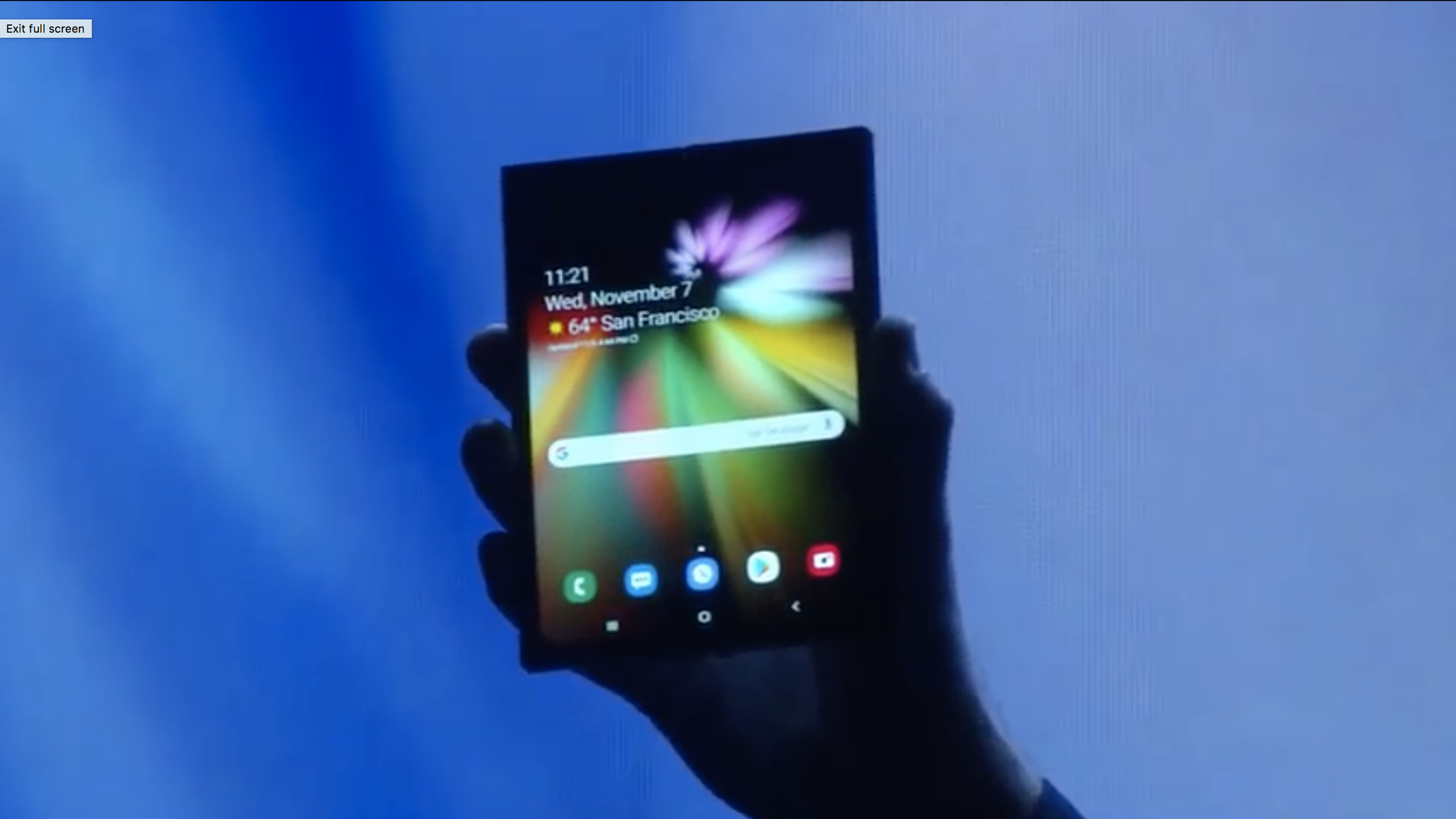
At the Samsung Developer Conference on Wednesday, Samsung showed developers one vision of the future of the smartphone: a device with a narrow “cover display” that unfolds into a tablet-like screen thanks to a flexible display.
Salesforce founder Marc Benioff scored a major victory in Tuesday's election as voters approved a bill he had strongly backed to help end homelessness in San Francisco.
Why it matters: The initiative, known as Proposition C, will require big businesses (including Salesforce) to pay for new services to help fight homelessness.
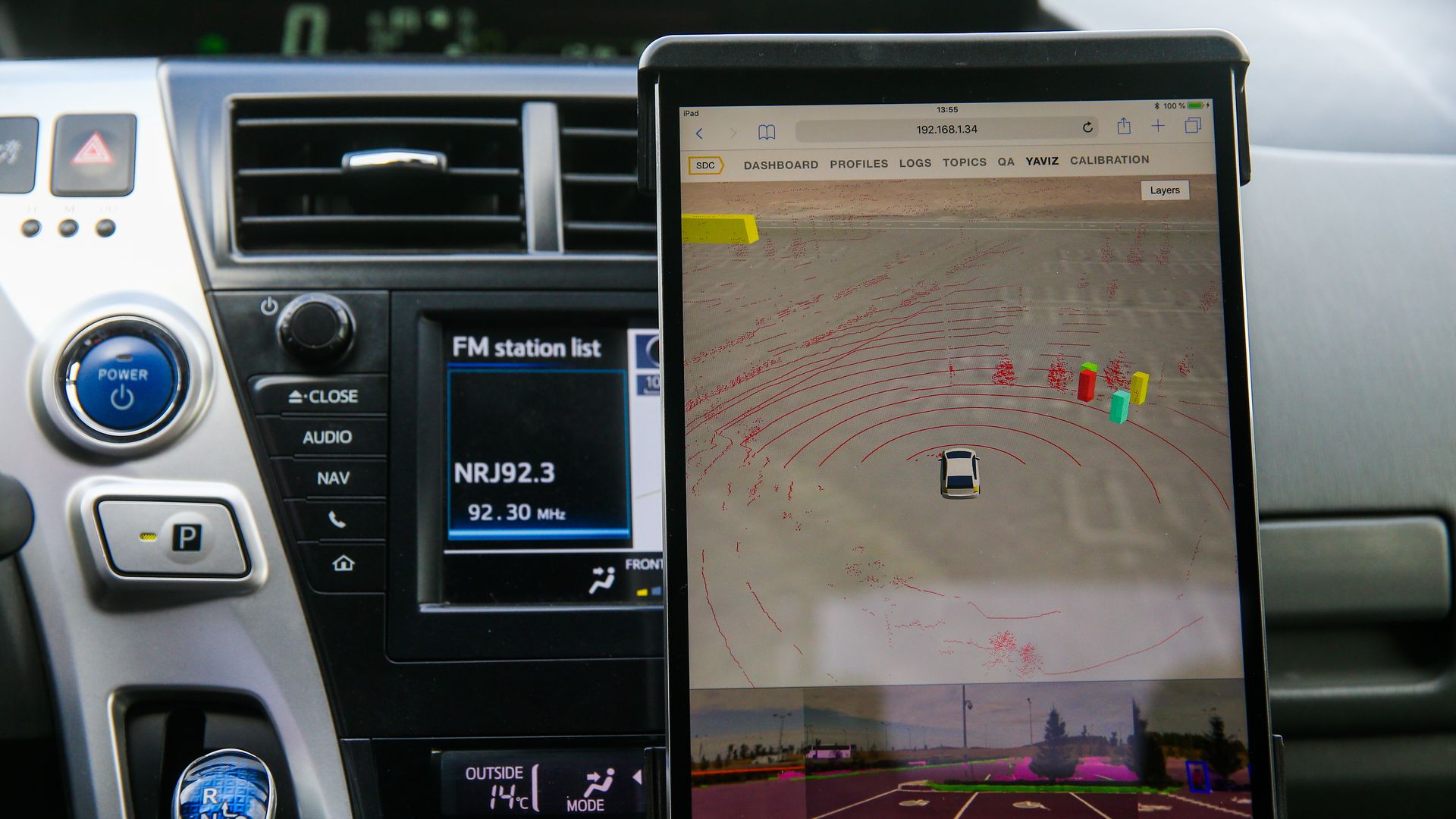
Access to as much data as possible — anonymized, and collected from all connected vehicles on the road today — would help AV companies develop self-driving technology more quickly and safely.
Why it matters: If AV fleets from different operators are unable to exchange critical safety information — from construction zones, unclear lane markings and potholes to harsh weather and accidents — in real-time, the roads of the future will have just as much traffic and frustration as today's.
As recent reports about the technical and social challenges of self-driving cars make clear, we are still in the teenage years of autonomy. Even Waymo — with more than 10 million miles of autonomous driving data and undoubtedly the biggest head start — has acknowledged that level-5 autonomy is decades away.
Yes, but: Excessive focus on the distant self-driving future obscures how the same types of technology that will make it possible, such as computer vision and machine learning, are already improving road safety today.





/2018/11/06/1541539644640.gif?w=3840)