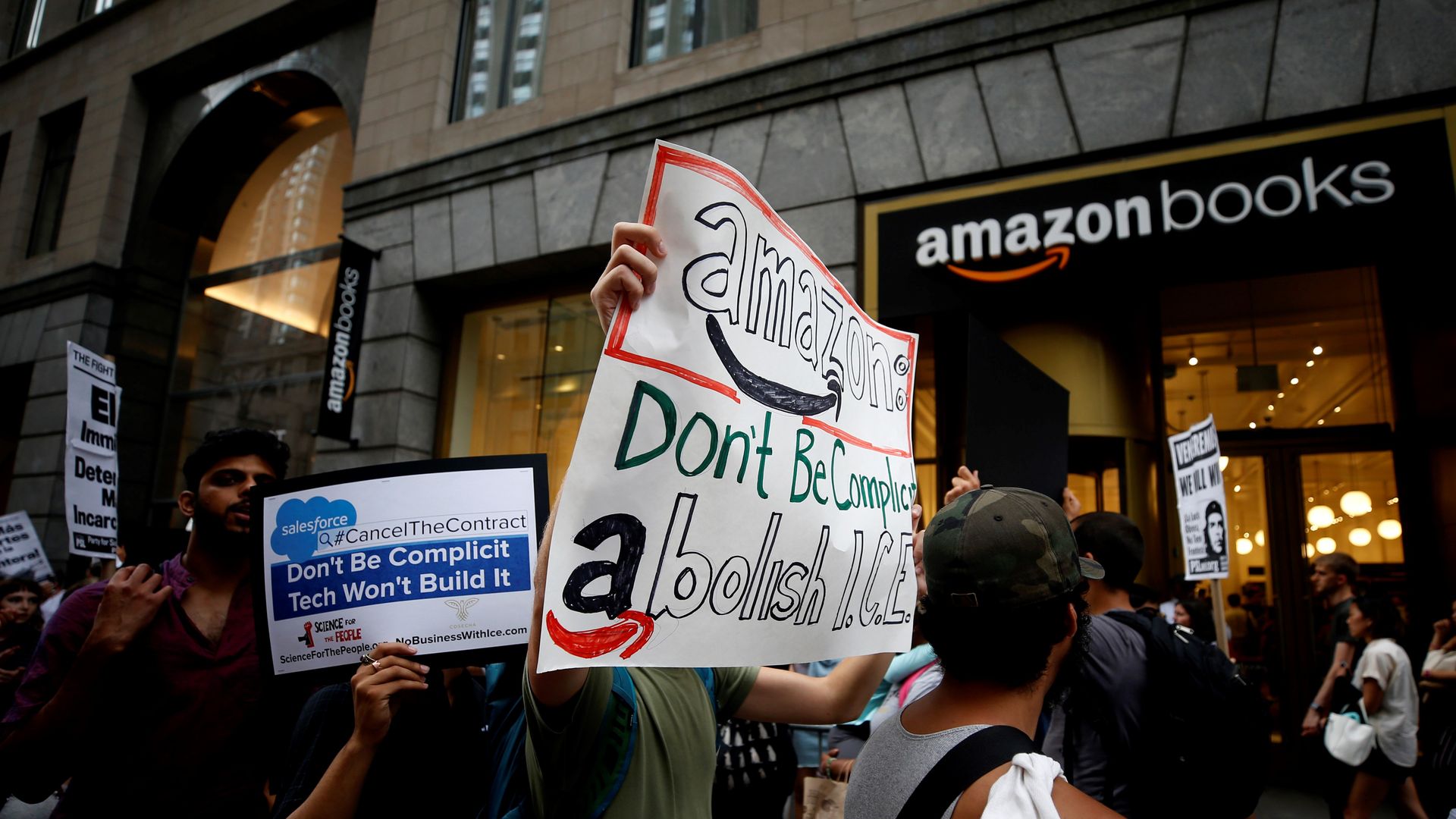
At a time when Big Tech is under attack for cooperating with military and police, Amazon is facing scrutiny for marketing its surveillance software to U.S. immigration officials.
Driving the news: Amazon has confirmed that it met with Immigration and Customs Enforcement in Silicon Valley over the summer to discuss Rekognition, its controversial facial recognition software. Emails obtained by a watchdog group show that Amazon followed up in an apparent attempt to close a sale of the technology.
The last year has seen vigorous pushback against forecasts of a robot nightmare — that machines, over the coming decades, will vaporize whole swaths of employment, leaving tens of millions of people jobless.
But if the dystopian forecasts were alarmist, the backlash against them is veering too sharply in the other direction.
A Facebook executive Wednesday offered an endorsement of the broad idea of privacy legislation in the United States.
The big picture: Facebook has been focusing on convincing policymakers around the world that it takes concerns about its data collection and platform seriously.
Facebook announced Wednesday that users can now add songs and lyrics to photos and videos on Facebook Stories and News Feeds.
Why it matters: The update is a result of improved relationships over rights and distribution between music companies and tech companies. Last year, Facebook and Universal Music struck a multi-year licensing deal for recorded music to be used by all Facebook users on all video platforms. In May, Instagram paired music choices for stories through Spotify. Tuesday, SoundCloud was synced to Instagram stories as well.
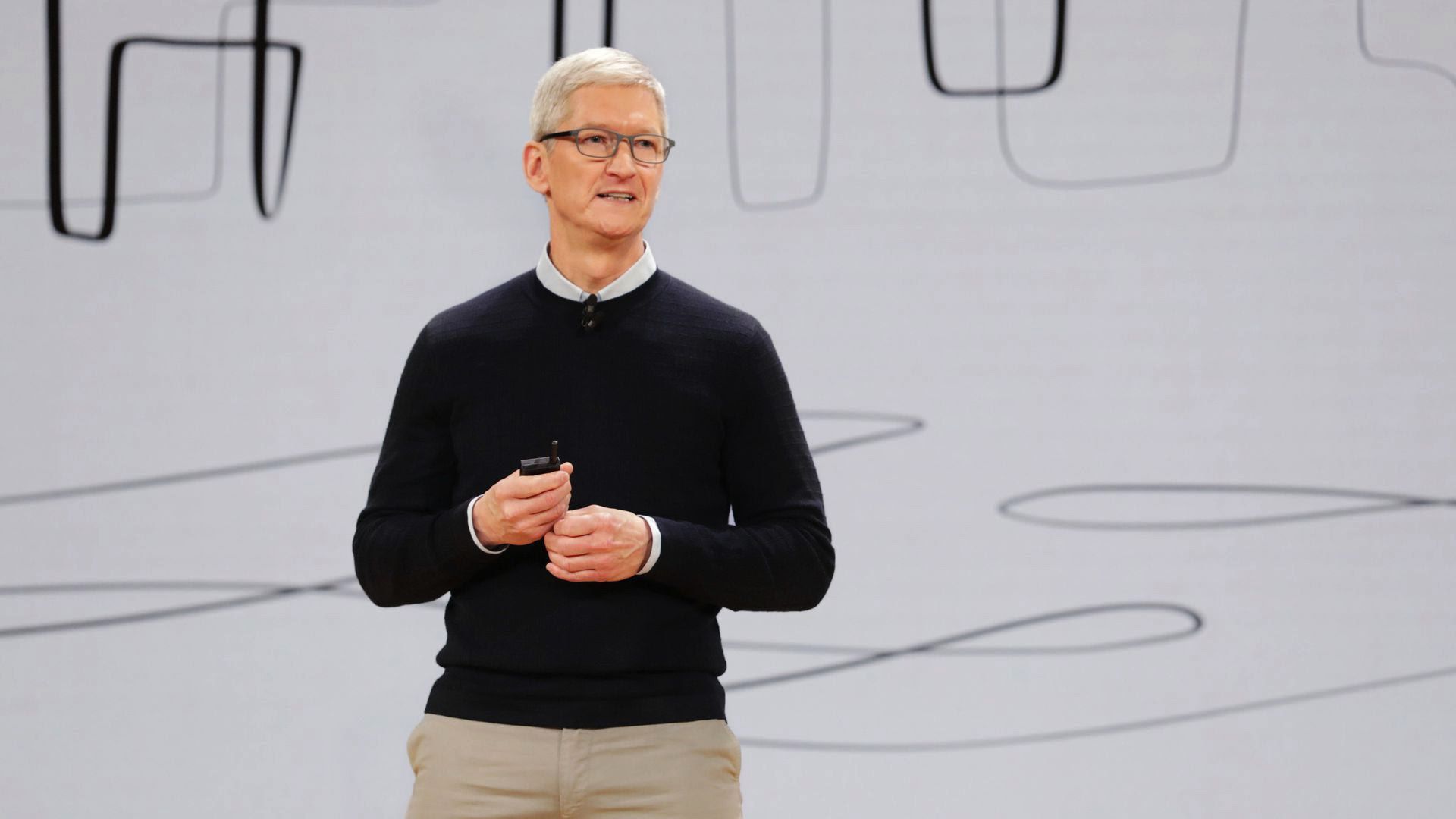
Today's tech industry is hurting people and strong regulations are needed to protect user privacy, Apple CEO Tim Cook said in a speech in Brussels on Wednesday.
"We see vividly — painfully — how technology can harm rather than help. Platforms and algorithms that promised to improve our lives can actually magnify our worst human tendencies."
Snapchat has had more than 400,000 users to register to vote using its app in less than a month — and a majority of those were 18 to 24 years old, according to a company spokesperson.
Why it matters: The response highlights both the trusting relationship Snapchat has with its younger audience and the technology used to get users to easily register on their phones.
Apple CEO Tim Cook, speaking in Brussels this morning as the first tech CEO to keynote the International Conference of Data Protection & Privacy Commissioners, vividly sketches the dark side of what he calls a "data industrial complex."
What he's saying: "Every day, billions of dollars change hands, and countless decisions are made, on the basis of our 'likes' and dislikes. ... These scraps of data — each one harmless enough on its own — are carefully assembled, synthesized, traded, and sold."
A host of challenges lie ahead for the Washington D.C. area as an Amazon HQ2 finalist, as housing production has fallen behind and home prices and rents have been climbing in surrounding areas, per an analysis from the nonprofit Urban Institute.
Why it matters: Amazon CEO and owner of the Washington Post, Jeff Bezos, has clear ties to D.C. as the e-commerce giant continues to expand into new and highly regulated business areas. But if D.C. is chosen, Amazon's arrival with tens of thousands of new jobs could further clam up a slow housing trajectory.