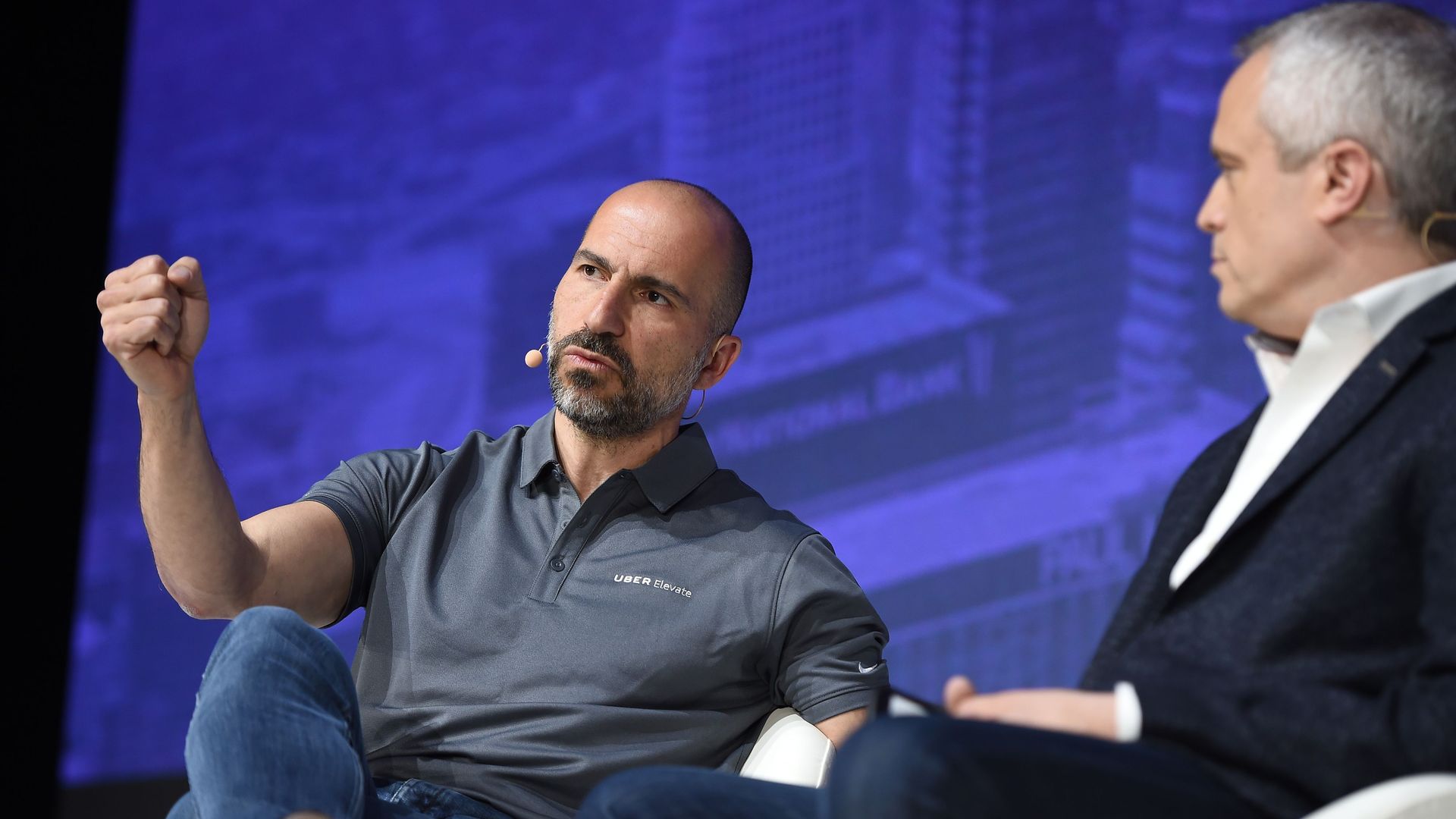
Cameron Poetzscher, Uber's top dealmaker and head of corporate development, has resigned from the company following reports last month of an investigation last year into alleged sexual misconduct, as the Wall Street Journal first reported and Uber has confirmed to Axios.
Why it matters: Poetzscher's departure is the latest from Uber under new-CEO Dara Khosrowshahi over workplace conduct (HR chief Liane Hornsey left in July).
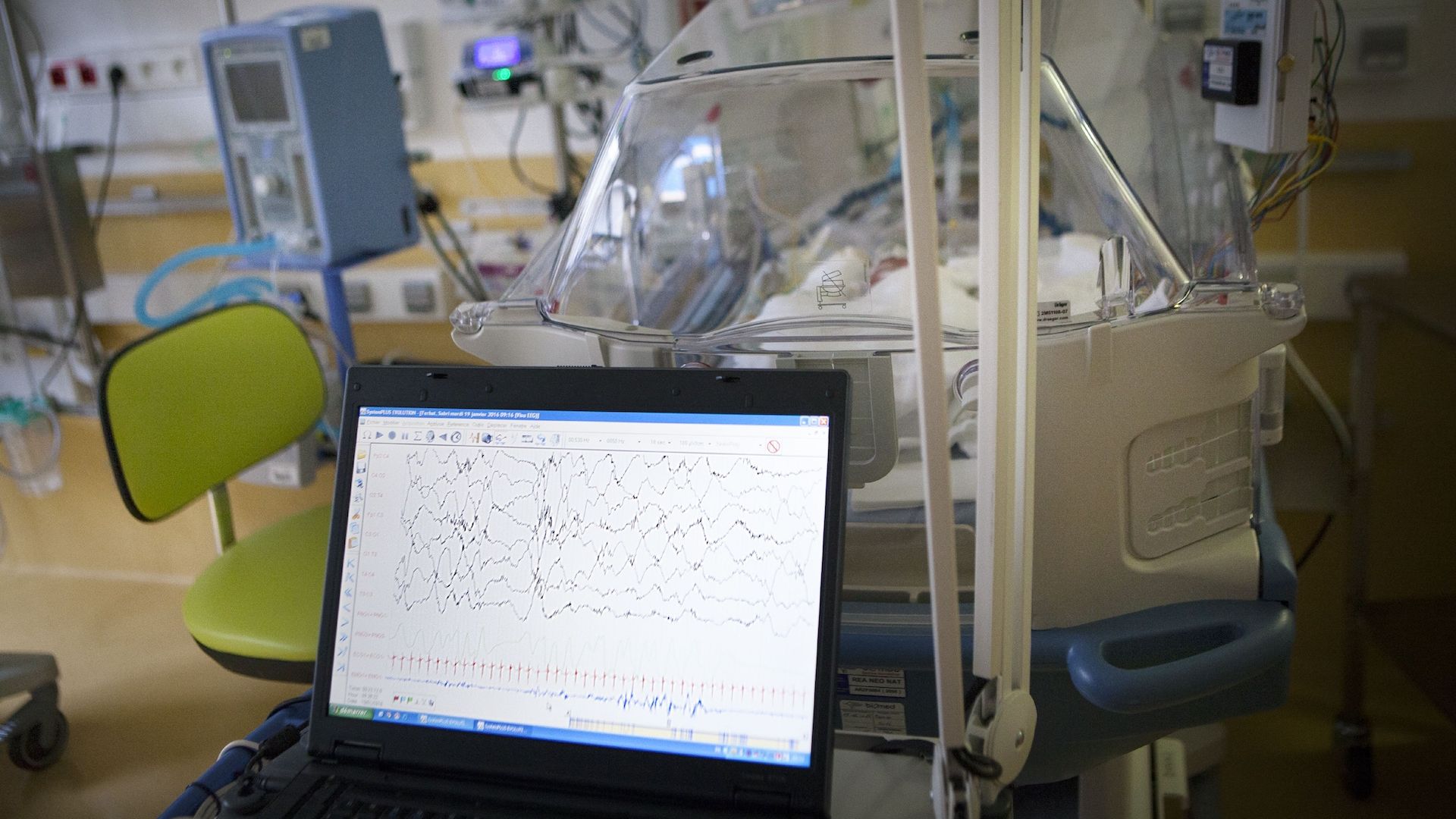
Researchers have developed an artificial intelligence tool that improved doctors' treatment of patients who developed sepsis, a deadly blood infection that can quickly shut down vital organs if not treated swiftly and correctly, according to a new report published in Nature Medicine Monday.
Why it matters: Nearly 270,000 Americans die every year from sepsis, and "improving treatment even by a couple percentages [improvement] will save tens of thousands of lives each year," study author Anthony Gordon says.
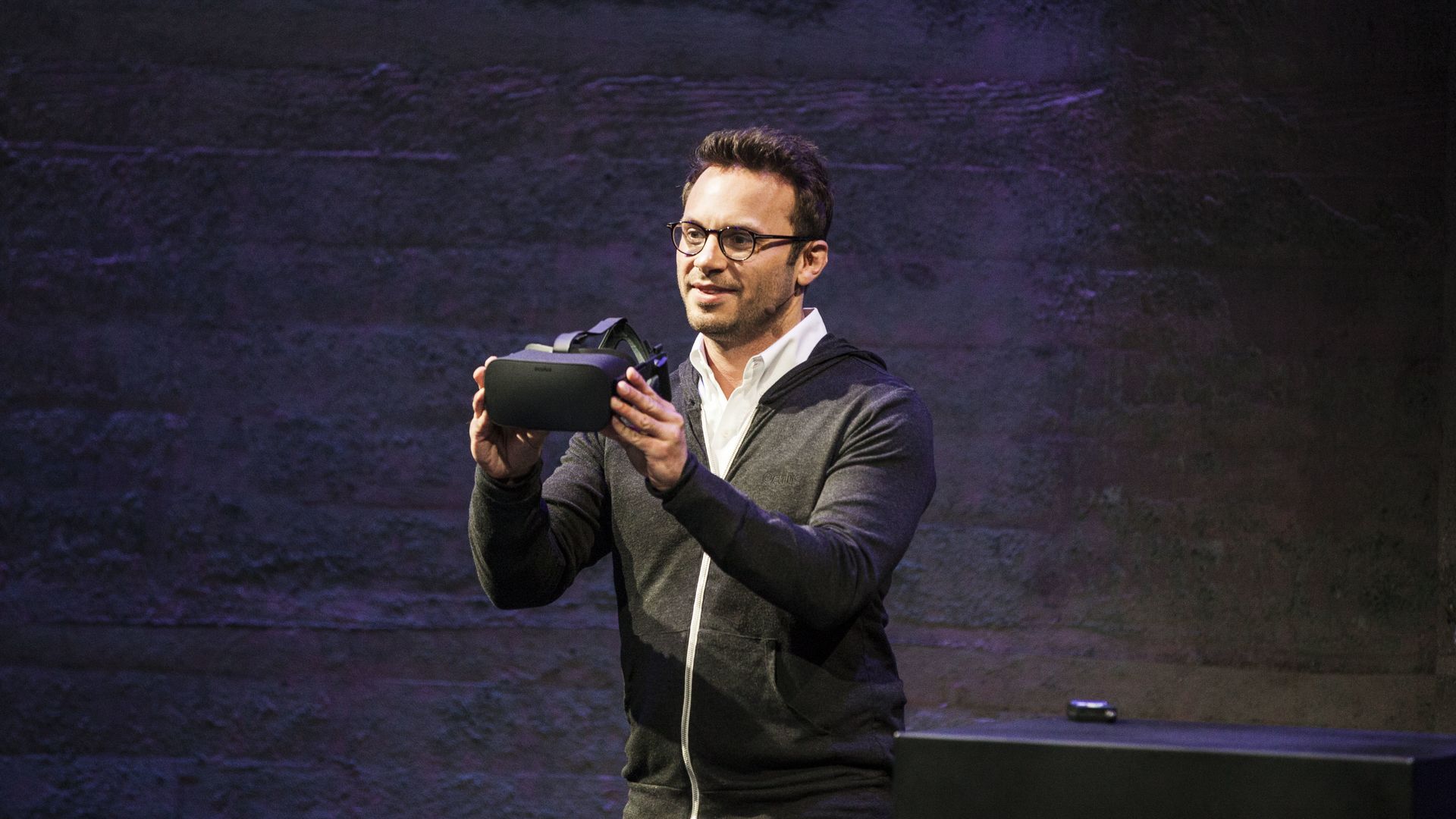
Oculus co-founder Brendan Iribe is leaving the virtual reality company four years after Facebook acquired it, Iribe wrote in a post on Facebook. He plans to take time off.
Why it matters: Iribe is the latest founder of a Facebook acquisition to leave the company in the last year or so, following both of WhatsApp's founders and both of Instagram's. Another Oculus co-founder, Palmer Luckey, left the company last year after controversy surrounding his donation to an anti-Hillary Clinton group.
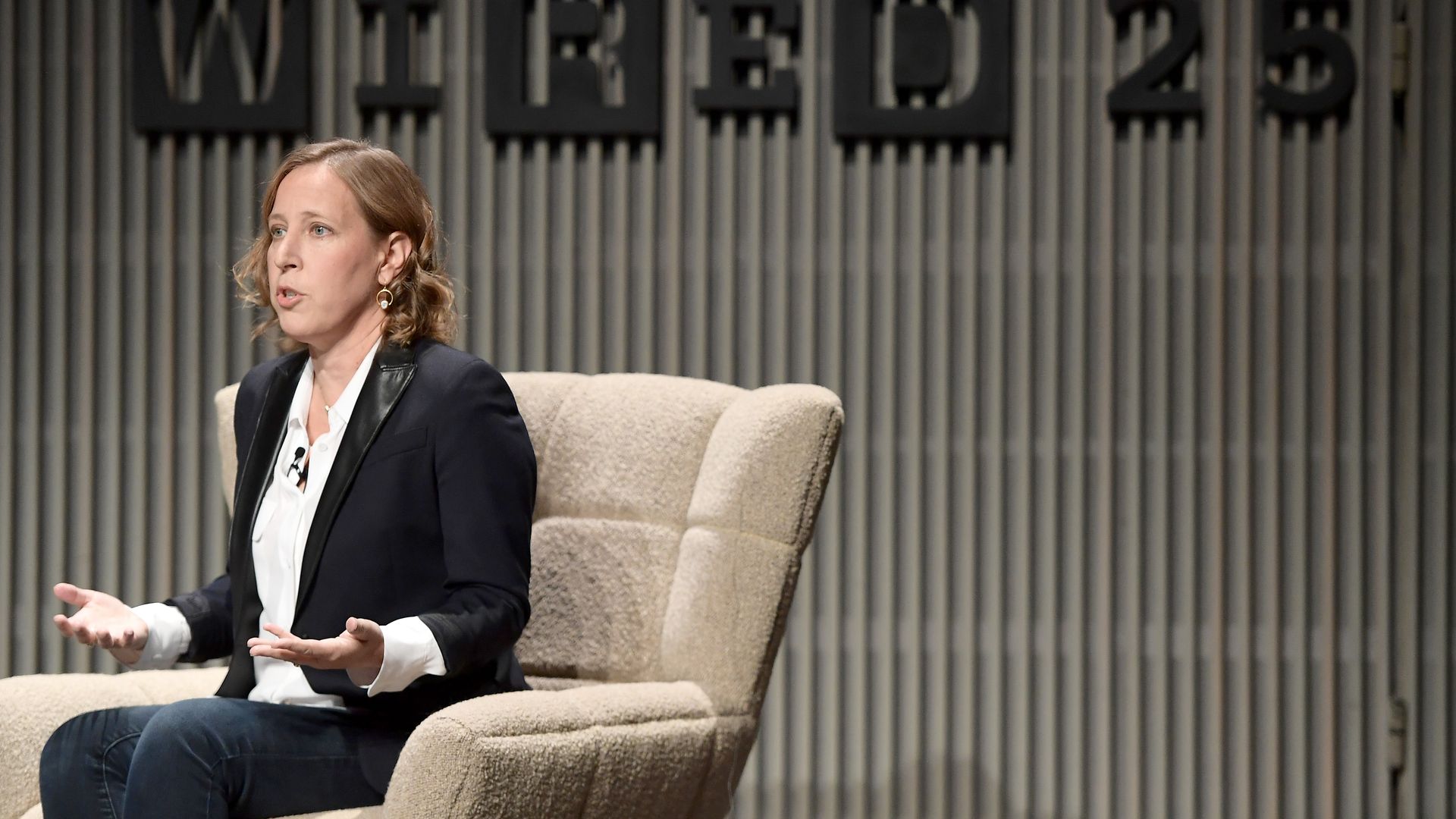
YouTube's chief executive on Monday told the site's network of content creators that they should fight a proposed European copyright rule that imposes new burdens on platforms.
Why it matters: YouTube, along with other platforms like Twitter and Facebook, was built in an environment where it assumed essentially no liability for what users posted. Article 13, as the rule is known, has substantial implications for them because it could create new responsibilities to filter content for intellectual property violations.
Ride-sharing giant Uber is hiring an operations executive to help roll out a commercially-viable fleet of food-delivery drones by 2021, reports the Wall Street Journal.
The big picture: A spokesman told the WSJ the program is "still in very early days," but Uber's push to take to the skies reflects its efforts to diversify beyond just ride-hailing. Last week, the company announced it would be adding a new tractor-trailer rental business as it gears up for a 2019 IPO that could reportedly be worth as much as $120 billion.
A leading tech lobbying group in Washington Monday introduced a plan for regulations to protect user privacy online, becoming the latest player to try to shape new legislation that the industry sees as increasingly likely.
The big picture: Lawmakers in Washington — spurred on by new rules enacted in Europe and California — are trying to craft their own privacy legislation. Industry groups are laying out their own guidelines for policymakers as they look to shape the debate.
Nick Clegg has a herculean job ahead of him at Facebook as the incoming head of PR and global affairs. It's almost impossible to keep up with the sheer breadth of negative headlines about the company.
The big picture: Most urgently, Clegg has to grapple with a lawsuit close to many journalists' hearts. Facebook, by inflating the number of video views on its platform, precipitated innumerable "pivots to video" wherein people-who-write-things were laid off and video producers were hired (and then fired when the video views never materialized). Expect people-who-write-things (a superset of newsletter writers) to stay on this story like glue.
Free ain't what it used to be. Back in 2009, it was a radical idea, extolled in books by the likes of Wired editor Chris Anderson. Today, it's inherently suspect, on the grounds that if you're not paying, you're the product being sold.
What's happening: Robinhood made its name by offering free stock trades; now, the backlash has arrived.