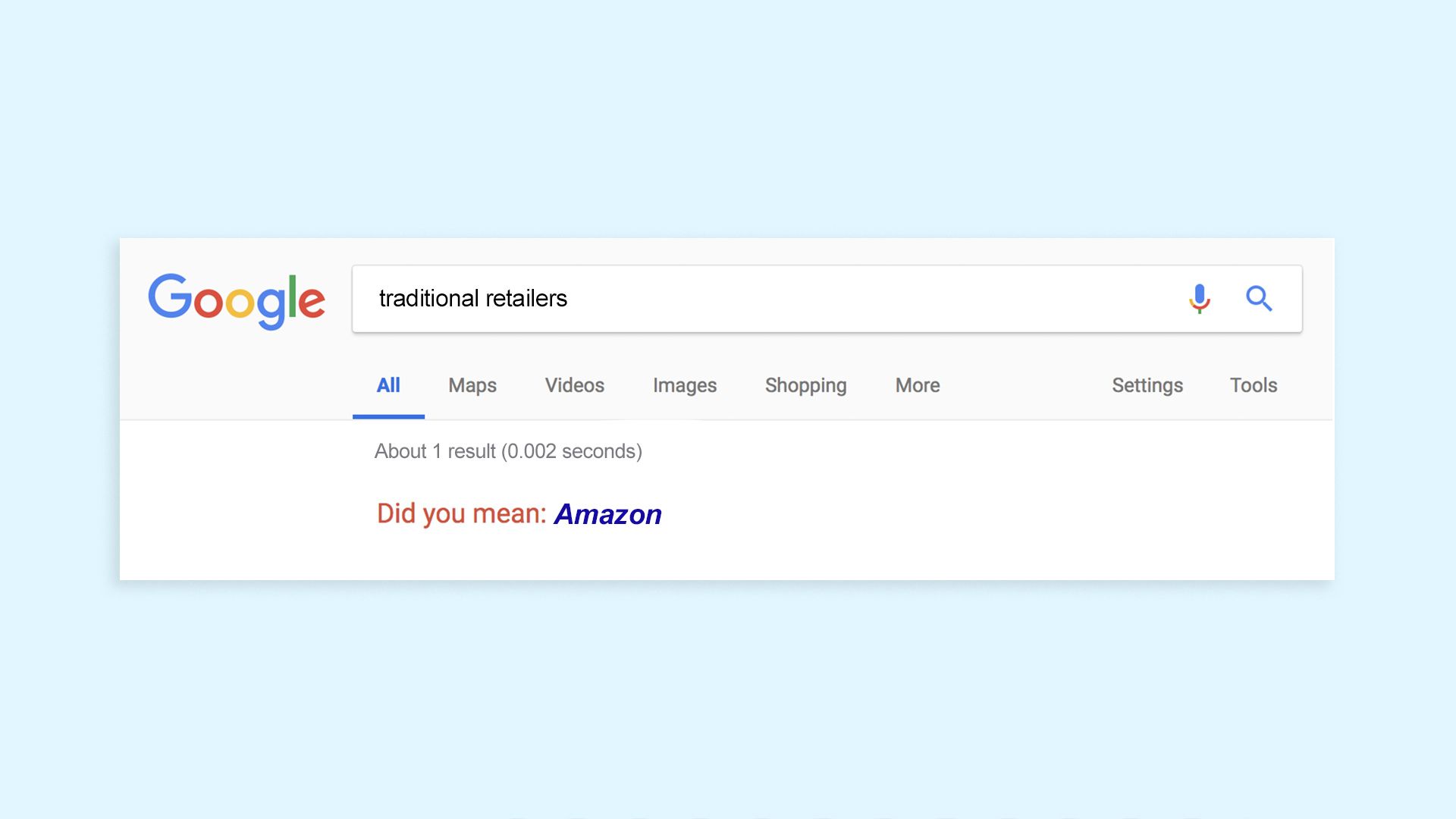
For traditional retailers, existing alongside Amazon on the internet is getting tougher.
The big picture: Amazon is gobbling up Google search results for companies even when users search specific key words related to those firms, market research firm Gartner L2 notes in a new report.
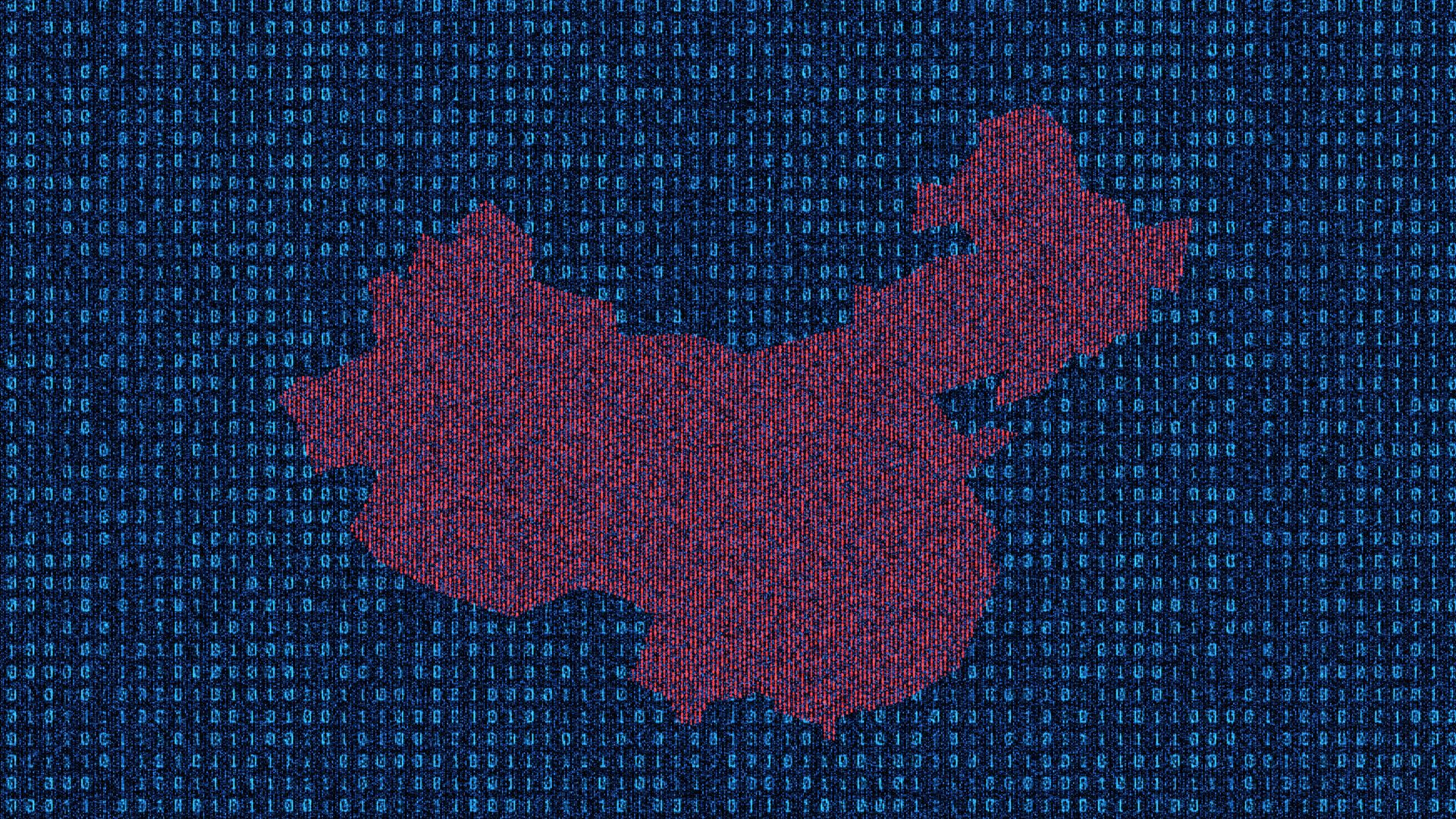
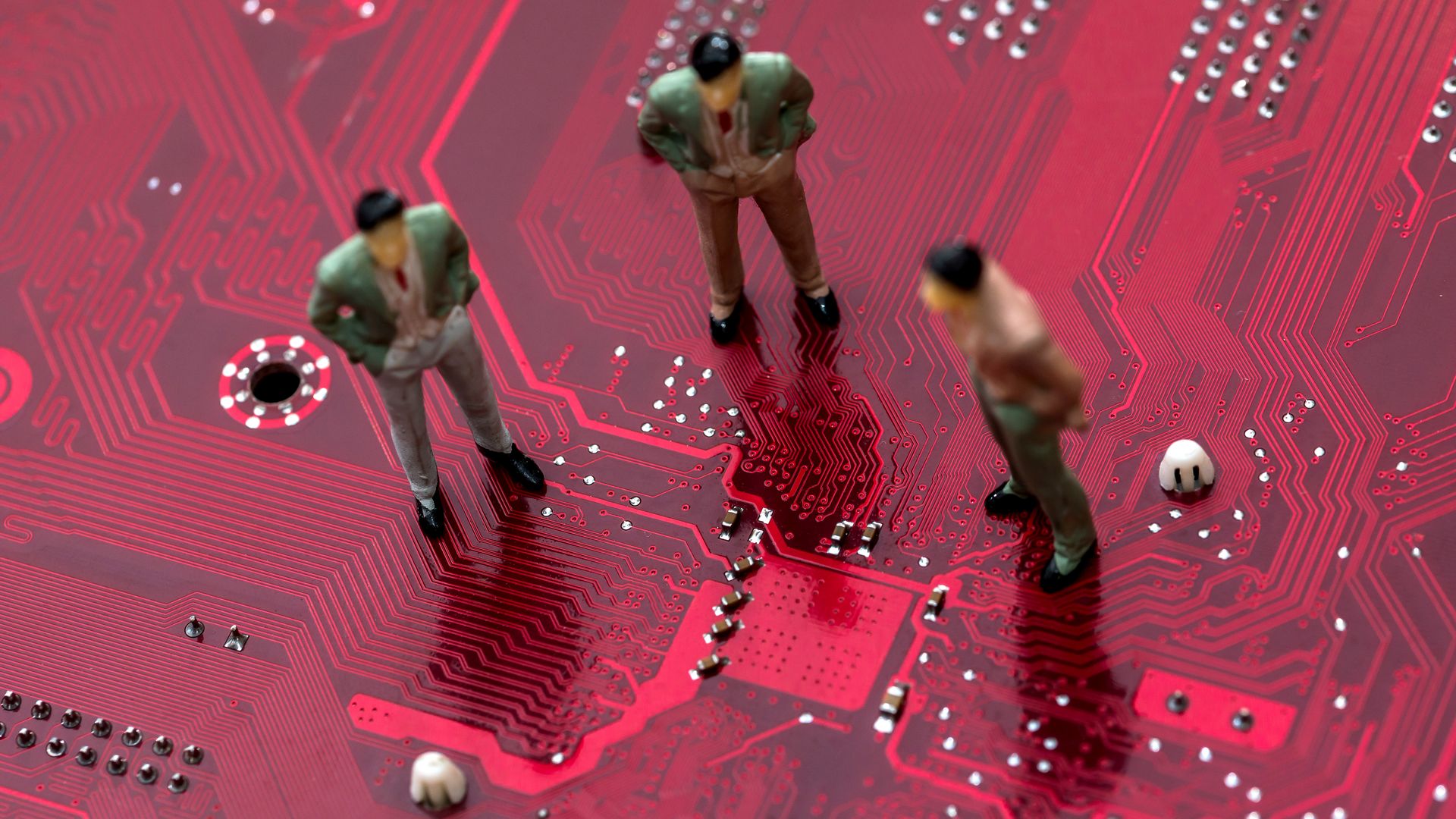
Following up on its controversial story accusing China of implanting chips into Supermicro server motherboards to spy on companies, Bloomberg now reports that a researcher found a different implant in an unnamed company's Supermicro system.
The details: Yossi Appleboum, co-CEO of Sepio Systems, claims to have found a hardware implant in the "ethernet connector" of a telecom company's Supermicro motherboard in August. He could not reveal to Bloomberg what company he found the implant in due to a non-disclosure agreement.
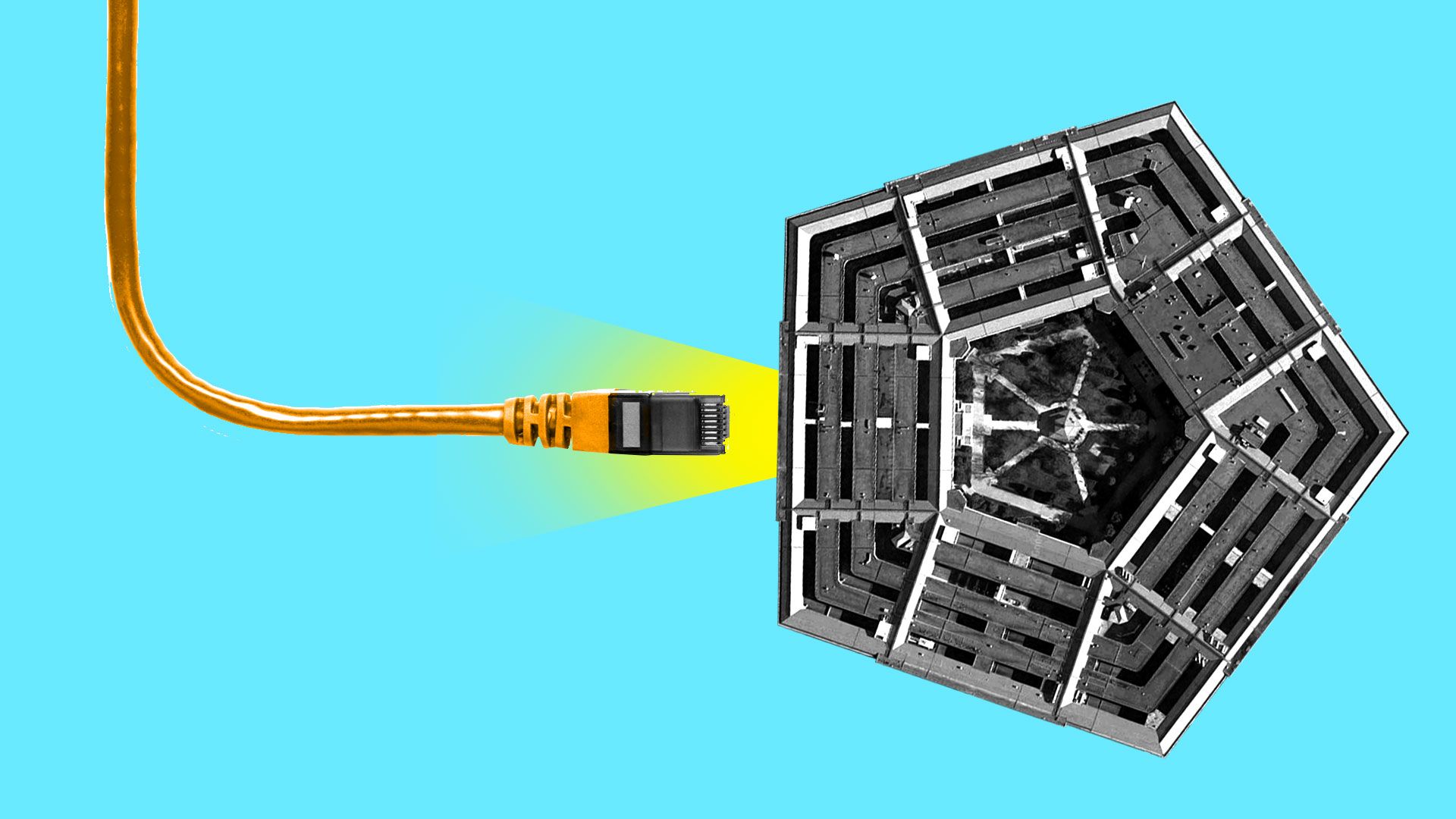
Google announced Monday it won’t bid on the Pentagon’s $10 billion cloud contract because of concerns the work wouldn't align with its artificial intelligence ethical principles, which hold that its software shouldn't be used to cause harm to people or violate human rights. Federal News Network’s Jason Miller first reported Google's move.
The bigger picture: Google has lately faced a series of conflicts between those ethical principles and major business opportunities, including a now-canceled AI drone project with the Pentagon and a secretive plan to launch a search engine in China. Just last week, Google's CEO, Sundar Pichai, met with Pentagon officials to smooth over these tensions, according to The Washington Post.
Dan and Axios chief technology correspondent Ina Fried discuss how Google inadvertently left user data vulnerable, and why it didn't disclose until months later.
"In its response, Google basically shrugged its shoulders, saying it didn’t learn of anyone actually accessing the data and that, since so few people use Google+ anyway, it’s not that big a deal. No, that's not terribly reassuring, particularly for those of us who still use Google products."
Aiming to show its cloud smarts can make for powerful hardware, Google unveiled its latest Pixel phone, along with a Chrome OS-based tablet and its own rival to Amazon's Echo Show.
Why it matters: Google has been trying for several years now to make a dent in the consumer hardware market. While that's been an uphill battle so far, the AI trend is pointing in Google's direction.
Anthony Foxx, formerly the secretary of transportation under President Obama, is joining ride-hailing company Lyft as its chief policy officer, and is relocating to San Francisco to work full time at the company's headquarters.
In separate announcements on Monday, Facebook and Google both showed an impressive level of tone-deafness to concerns about their dominance and lack of attention to privacy issues.
Why it matters: Big Tech is trying to convince officials in the U.S. and Europe that it can clean up its act and needs only modest regulation. This isn't helping.
Health care economist Aaron Carroll is here to rain on the parade surrounding the new Apple Watch and its heart-monitoring features.
The details: Writing in the New York Times, Carroll says the risk of false positives — the watch telling people they have a heart irregularity that isn’t really there — is too high.
Last Thursday Bloomberg reported that authorities were investigating Supermicro, which manufactures server motherboards, for shipping equipment implanted with chips that China could use to spy on users.
The big picture: The piece was a bombshell, but a raft of vehement denials from everyone involved — including Apple and Amazon, which Bloomberg claimed discovered the secret chips in their own servers — has made the story increasingly hard to believe.
A Wall Street Journal report Monday found that Google exposed the data of roughly 500,000 Google+ users this past spring, but didn't disclose the issue, in part because it worried that doing so would cause regulatory scrutiny and would lead people to compare the situation to Facebook's Cambridge Analytica saga.
Why it matters: Google is taking heat for not going public with the problem immediately. But this incident may be the last time a major tech company can get away with hiding something like this for months, due to sweeping privacy laws that the EU began enforcing in May.
A seventh suicide this year among New York's professional drivers puts new pressure on the city to help resolve a financial crisis in the industry.
The big picture: Uber is the most visible face of the new "gig economy," the rise of freelance work with often irregular pay and no benefits. Given forecasts of the continued expansion of gig work, numerous experts have raised the issue of regulating it as a public policy priority, for instance by requiring portable benefits.











/2018/10/09/1539055151195.gif?w=3840)