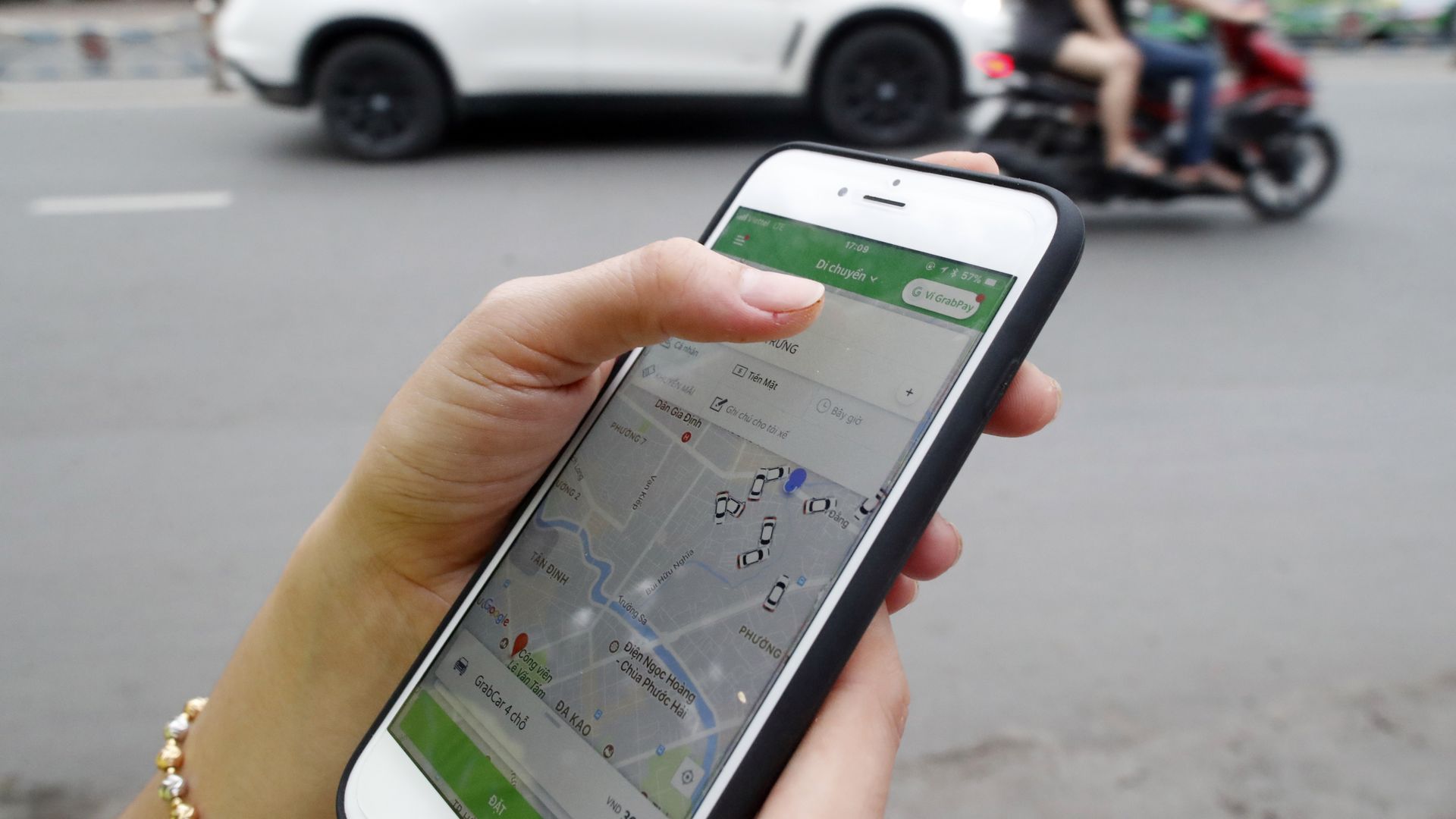
Why it matters: Grab is on track to raise several billions of dollars this year, including $1 billion from Toyota and a reported $500 million from SoftBank. Grab's partnership with Microsoft is also sure to help the company with its ambitions to provide payment services and other online products to its customers.
Correction: The story has been corrected to remove a reference to the FT's report of $200 million as sources have disputed the figure.
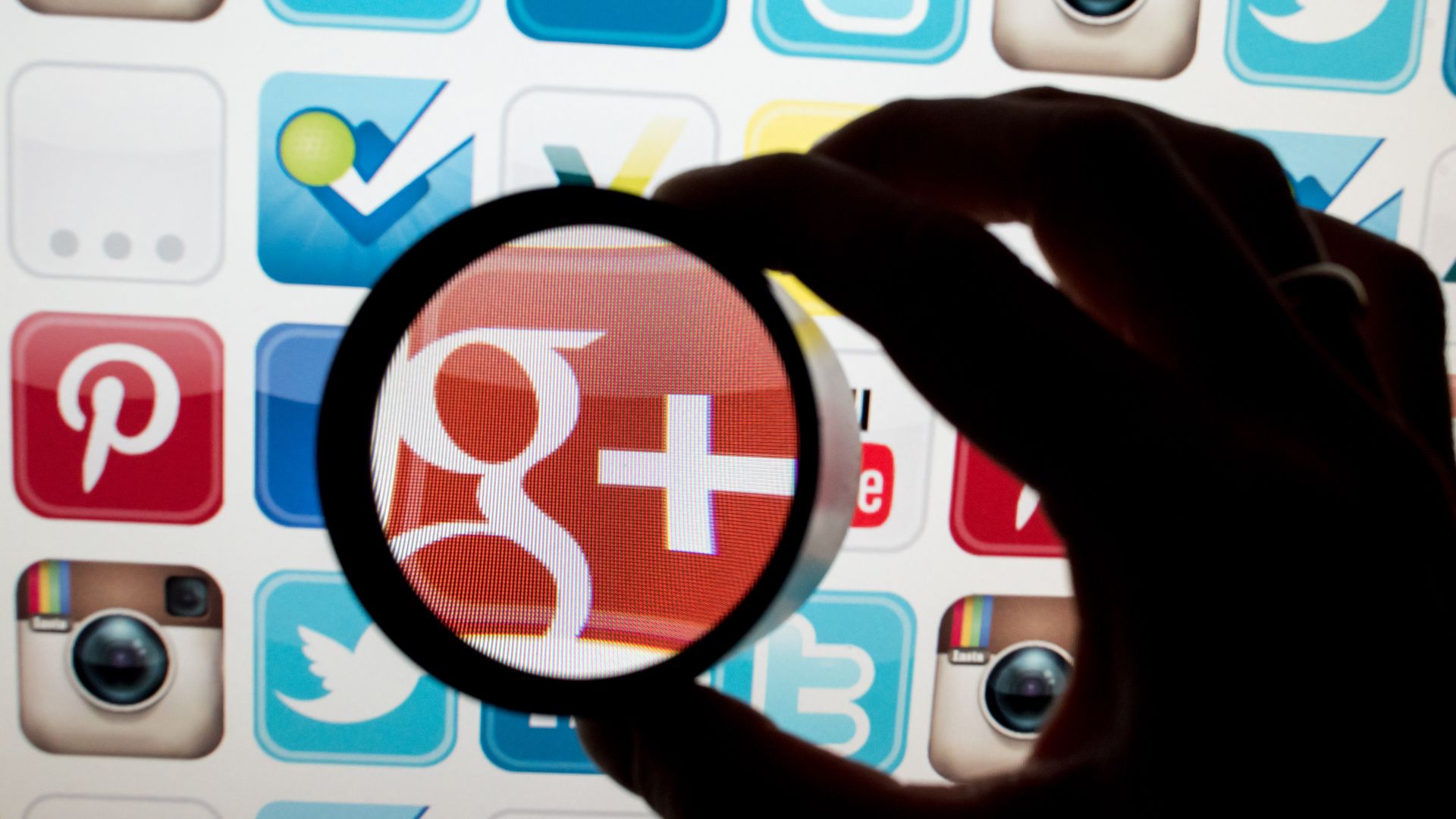
A software glitch allowed outside developers to potentially access the private data of hundreds of thousands of Google+ users, which the company then chose not to disclose out of fear it would draw scrutiny from regulators, reports the WSJ.
The big picture: Google reportedly found no evidence that developers misused the exposed data, but the blunder and subsequent cover-up will undoubtedly invite renewed talks of regulation in Washington. In a public blog post, Google announced some of the findings reported on by the Journal and said it will be shutting down Google+ for consumers.
Disney has announced the highly-anticipated new leadership structure for its new Media Networks segment that will be formed upon the completed acquisition of 21st Century Fox's entertainment assets.
Why it matters: The new company will be a mega-entertainment company that seeks to unseat Netflix's dominance in streaming. It will include all of ABC, Disney, FX, Freeform, National Geographic and more.
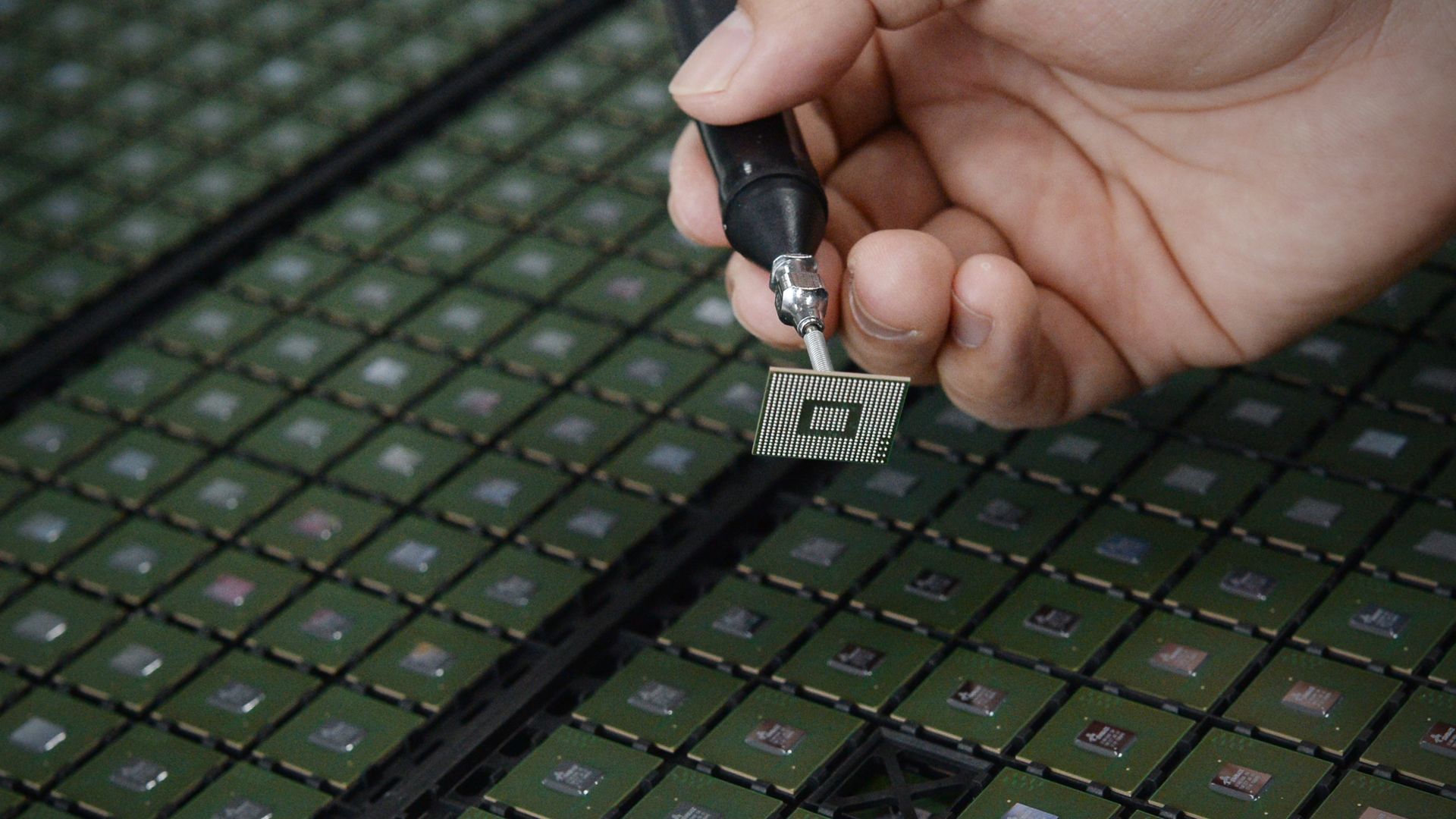
Frustrated Apple executives are getting even more categorical in their denial of a Bloomberg Businessweek story saying that Apple was among nearly 30 U.S. companies that had computer equipment compromised by China, which inserted malicious chips during the manufacturing process.
Why it matters: This fight is going to get bigger. Apple yesterday wrote to the House and Senate commerce committees to say that its internal investigations "directly contradict every consequential assertion made in the article — some of which ... were based on a single anonymous source."
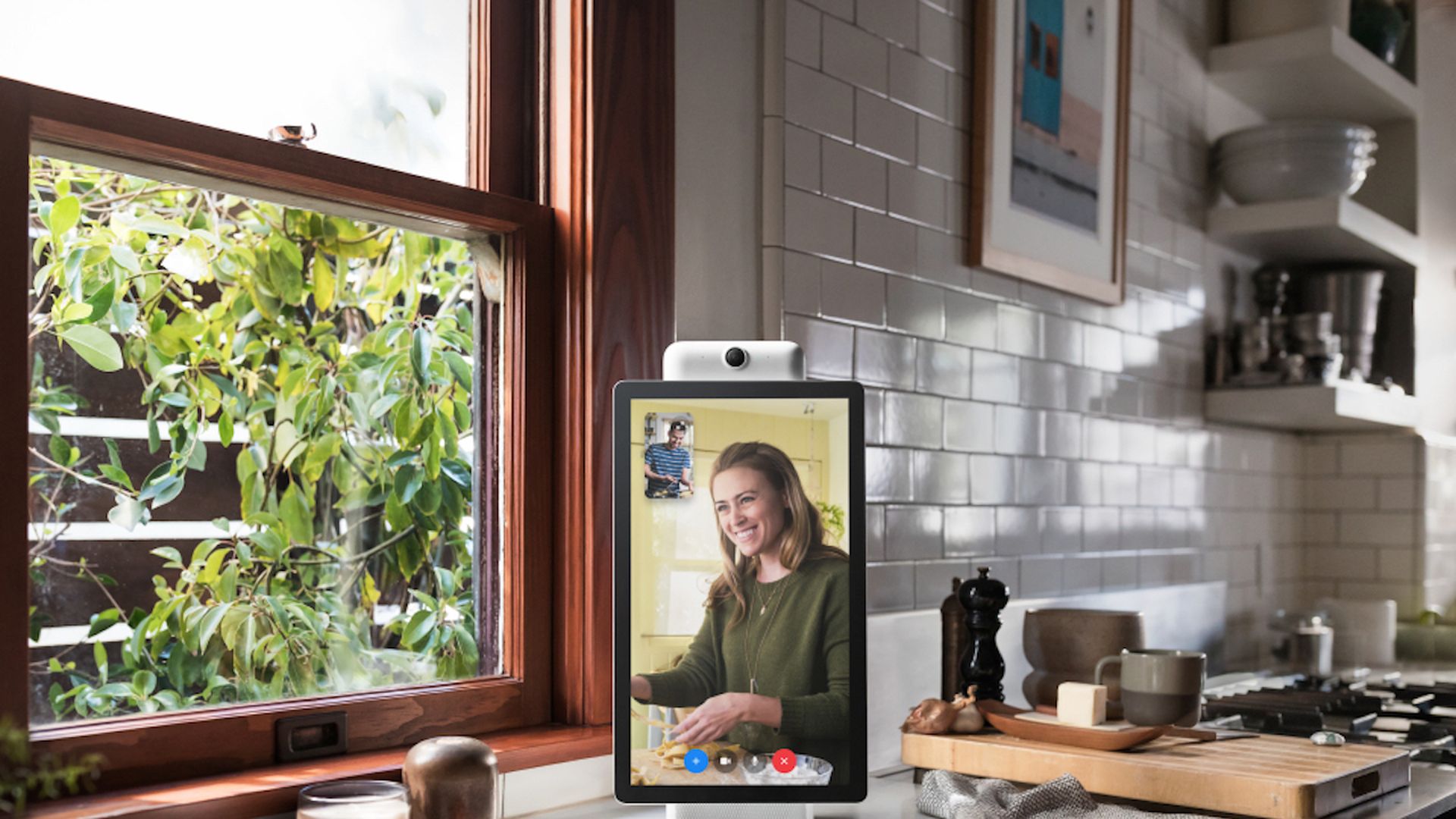
Facebook is launching two in-home video chat hardware devices, the company announced Monday.
Why it matters: The devices will help Facebook collect more data about how people use technology services, like voice assistants and long-form video, in their home.
When famine strikes, relief agencies are typically hamstrung from providing meaningful help — until the suffering attracts big cable news coverage, which then sparks sufficient donations from wealthy countries.
What's new: Leading U.S. tech companies say they have invented a system that uses artificial intelligence to forecast famine, allowing for proactive interventions before crisis strikes. This early-warning tool could prevent widespread suffering while helping developing countries prepare for a new economy in which automation has swept away low-skilled jobs.
One by one, storied chains in books, toys, sporting goods and more have disappeared from American malls and main streets, then vanished from our collective memory. Now, Barnes & Noble, the last chain bookstore standing, is finally buckling, too.
The big picture: The arc of retail has been bending toward consolidation for decades. Superstores like B&N and Toys "R" Us took us from shopping small to shopping big. Next, we seem to be moving inexorably toward one, powerful, all-knowing, everything store.
The Department of Homeland Security said Saturday that it is aware of reports that Amazon and Apple network servers may have been compromised by Chinese spy microchips and that it currently has "no reason to doubt the statements from the companies named in the story."
The big picture: Amazon, Apple and Supermicro — the three main companies implicated in the supply chain hack — have all issued forceful denials that dispute the findings of last week's bombshell report from Bloomberg. Per Reuters, the U.K.'s national cyber security agency has also issued a statement backing the companies' denials.