Salesforce is expanding its Marketing and Commerce Cloud by acquiring Rebel, a startup that develops interactive email services for business use, according to TechCrunch.
The details: Rebel will integrate its API-based services, Rebel said a statement. Terms of the deal have not been disclosed. It is unclear if Rebel will still provide its services to its current partners like IBM, Oracle, SailThru and others. Salesforce has been acquiring a number of companies to expand its marketing services to go up against Adobe and others.
In the age of streaming and subscription-based movies and TV shows, a new study shows piracy is on the rise again, per Motherboard.
Why it matters: Streaming, what once helped simmer down piracy on the dark web, now seems to be the cause of the uptick in illegally downloaded content. "Torrenting," the act of downloading movies and TV shows illegally, has bounced back because there's too many streaming services, and too much exclusive content, the new study shows. Pirating might worsen as more companies, like Disney, choose to pull out of streaming services to create their own.
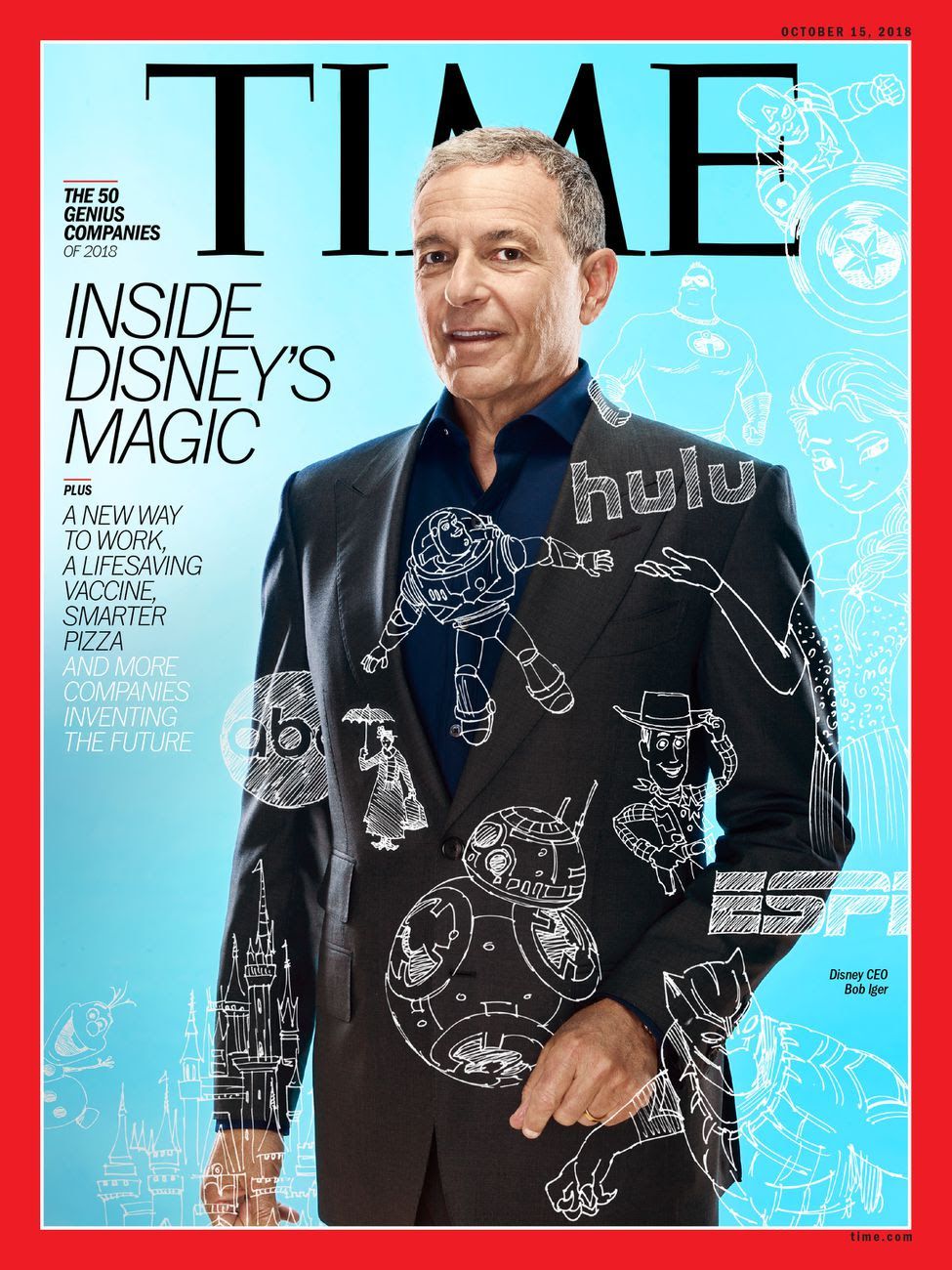
TIME asked its global network of editors and correspondents to nominate "Genius Companies," with winners chosen based on originality, influence, success and ambition.
Among the highlights: Amazon: “disrupts nearly everything it tackles"; Domino’s: “Hotspots cover more than 150,000 outdoor locations that lack traditional street addresses"; Oculus: “nudging virtual reality mainstream"; Netflix: “ launched the streaming revolution and turned viewers into binge watchers"; Bumble: “heterosexual connections must be initiated by women, which supporters say reduces harassment." Fenty Beauty: "Makeup enthusiasts rejoiced, not only over the products but also for how Fenty featured women of color in its advertising."
Apple and Amazon's battle with Bloomberg Businessweek over its report of Chinese spies infiltrating their supply chains has captivated the industry in the last couple of days. But here's what else happened in tech news this week.
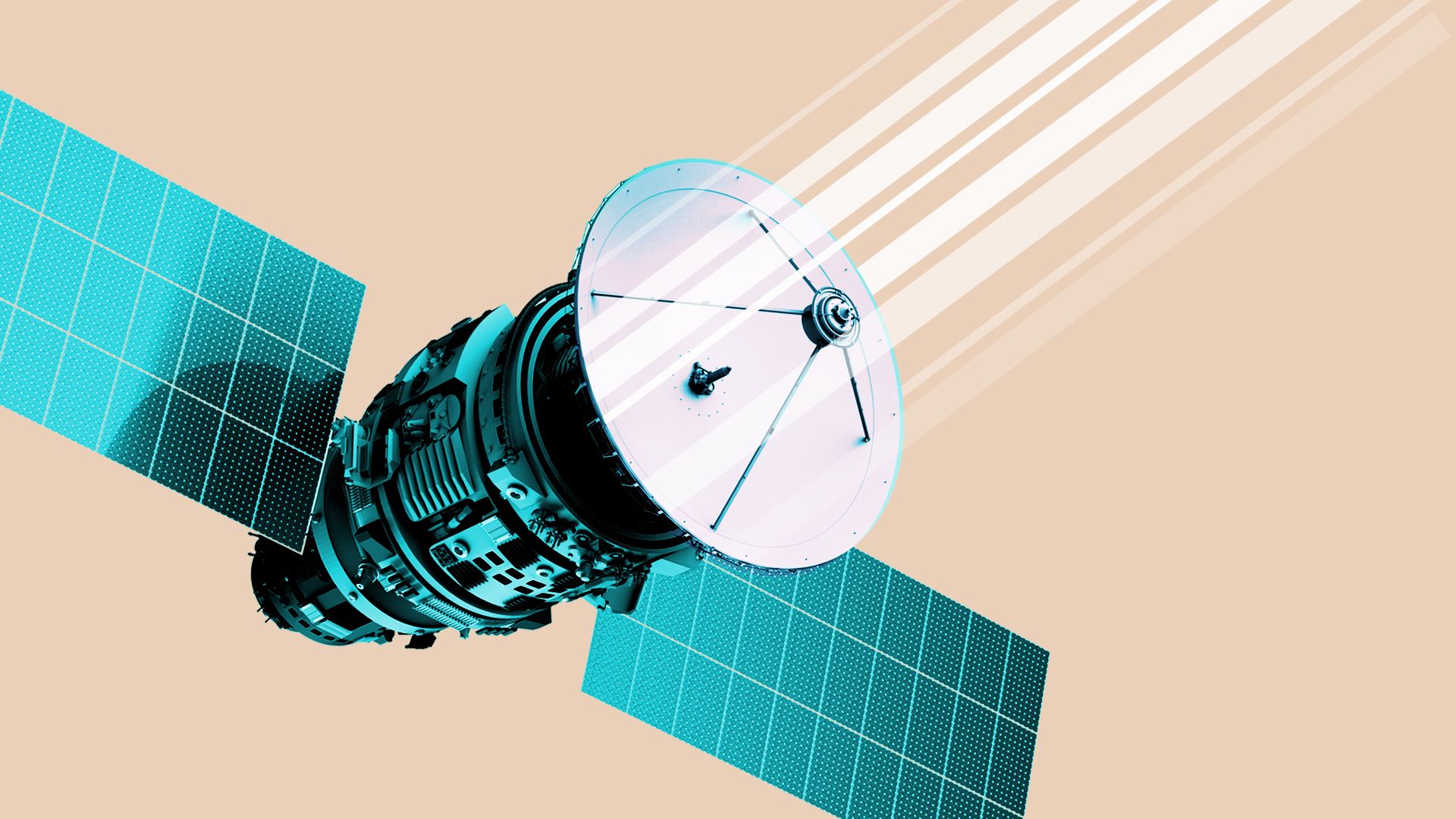
Cheaper rocket launches and better technology may make satellites a more viable option for delivering fast, affordable consumer broadband services around the world.
The big picture: For nearly 30 years, satellites have been used to beam high-speed internet service to rural areas that are hard to reach with terrestrial networks. But that's often a last-resort option due to the limitations of the technology, including connection lag, spotty service, and lower bandwidth.
Google CEO Sundar Pichai met with military leaders last week to try easing tensions with the Pentagon over the company's decision to drop out of an AI drone-video analysis contract after employees raised ethical concerns, The Washington Post’s Tony Romm and Drew Harwell report.
The big picture: Google wants to take advantage of potentially lucrative contracts but keeps encountering conflicts with company values — not only here but also in a recent controversy over a proposal to run a modified search engine in China.
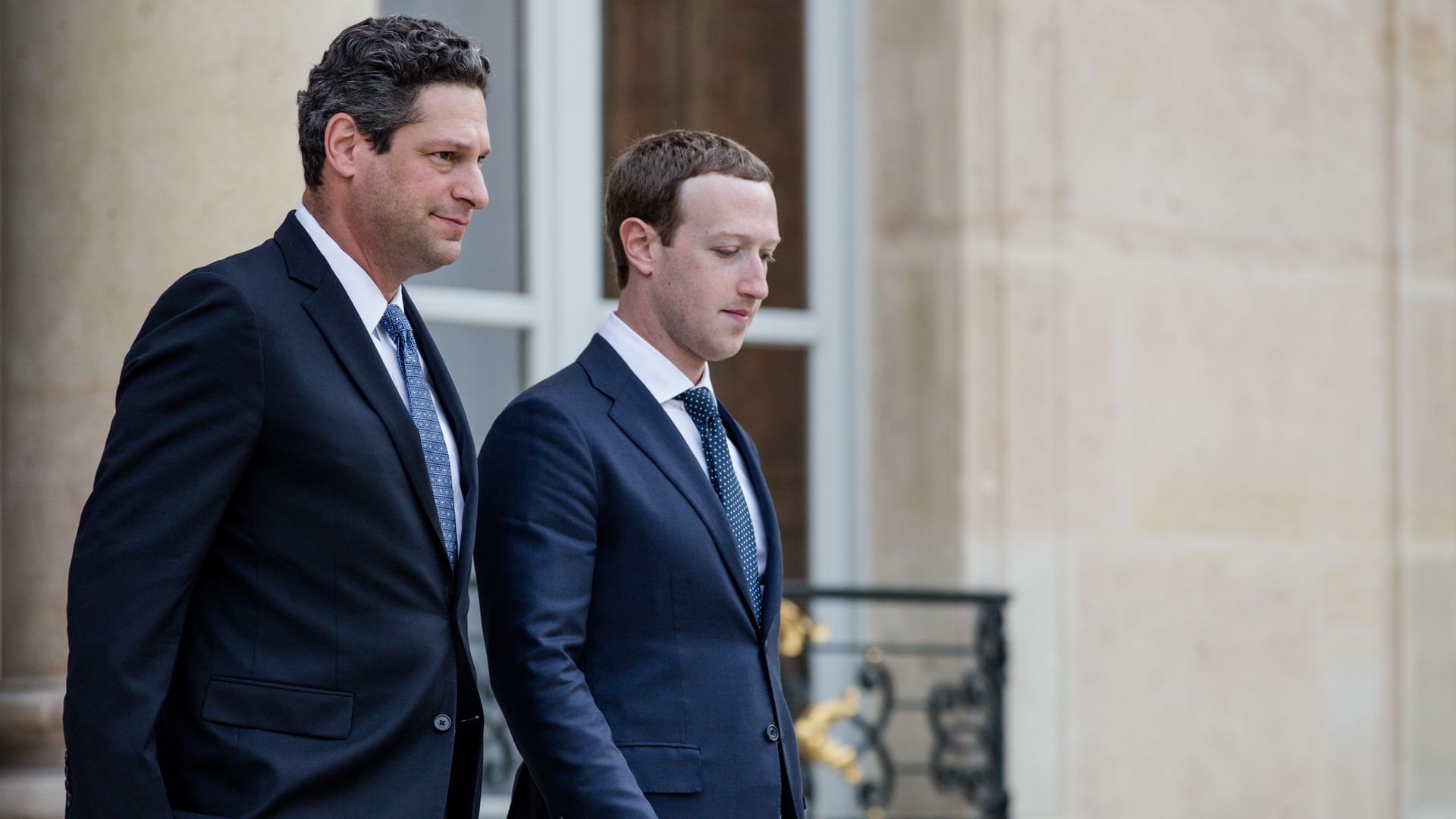
Top Facebook executive Joel Kaplan made an emotional appearance at a companywide town hall Friday, and admitted that he should have consulted his superiors before attending last week's Brett Kavanaugh hearing, according to sources.
Why it matters: Facebook is trying to contain internal fallout from employees who were dismayed by Kaplan's appearance at the hearing sitting behind his friend Kavanaugh, who he served with in the administration of George W. Bush.
Why it matters: Single-sign-on login systems do not make a hack more likely. But they do affect what a hacker can access from inside a system. While Facebook reports there is no evidence third-party apps were accessed, this incident should cause consumers to re-evaluate whether to link accounts in the first place.
Lost amid the difficulties Tesla has had ramping up production of its mass-market Model 3, along with other distractions, is that they've squandered an early lead in autonomous technology. Now Tesla is in the rare position of playing catch-up. On Twitter this week, CEO Elon Musk acknowledged self-driving is difficult and their technology needs more work.
Why it matters: ElonMusk’s ambitious vision to lead the planet toward sustainable energy and safer cars can’t be achieved unless Tesla is financially viable. Musk is getting a new boss, courtesy of the Securities and Exchange Commission: an independent chairman will help him keep his eyes on the road ahead and on delivering the company's AV promise. But the Tesla CEO continues to provoke the SEC.
Adaptive cruise control, which holds a vehicle's speed steady while maintaining a safe distance from traffic ahead, is now a feature in 16 of the 20 bestselling vehicles in the U.S., classifying them as level-1 AVs.
Why it matters:Phantom traffic jams — the ones that appear to have no obvious cause — result from human driving behavior. Adaptive cruise control replaces some of these jam-inducing behaviors with algorithms, using sensors to detect the vehicle ahead and adjust cruise speed accordingly. When designed correctly, level-1 AVs may help prevent such traffic patterns from developing.
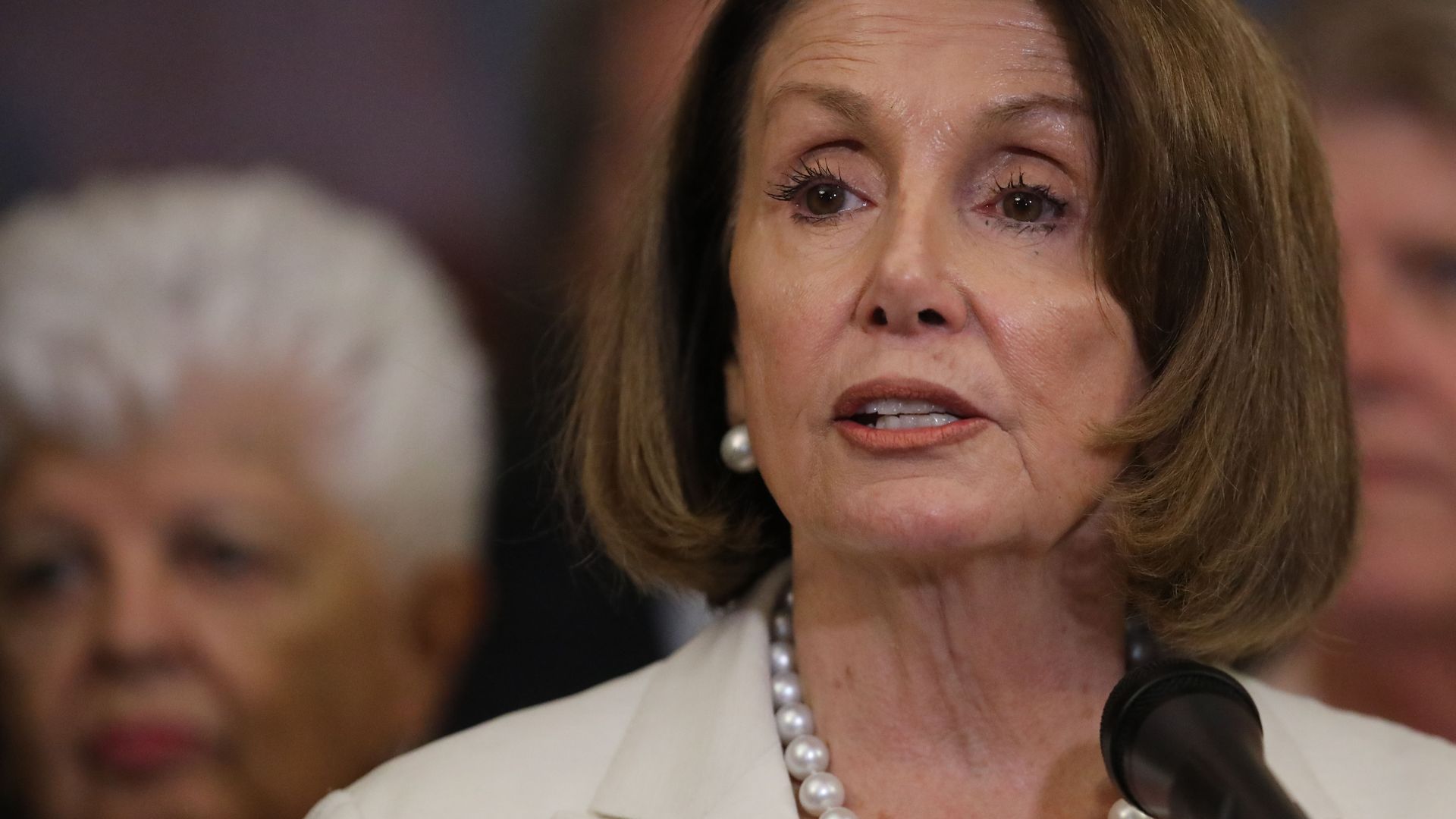
House Democratic Leader Nancy Pelosi plans sweeping regulation of tech if Dems win the majority, Recode's Kara Swisher reports in a New York Times essay:
In an interview with Swisher, Pelosi suggested that " a new agency could be created to manage tech’s growing impact." And in April, Pelosi put congressman Ro Khanna — the Democratic whose California district is home to Apple, Intel and Yahoo — in charge of with creating a list of principles. "Call it a Bill of Rights for the internet," Swisher writes.