Last week, we reported that old retailers are learning new tricks from the younger upstarts. That's happening right now in the mattress business.
What's going on: For decades, a few mattress kings ruled America — Tempur Sealy and Serta Simmons among them. Then, hip startups like Casper, Leesa and Tuft & Needle sold millennials on the concept of the affordable, but high-end, bed-in-a-box that arrives at your door. Now, the big players are playing catch-up.
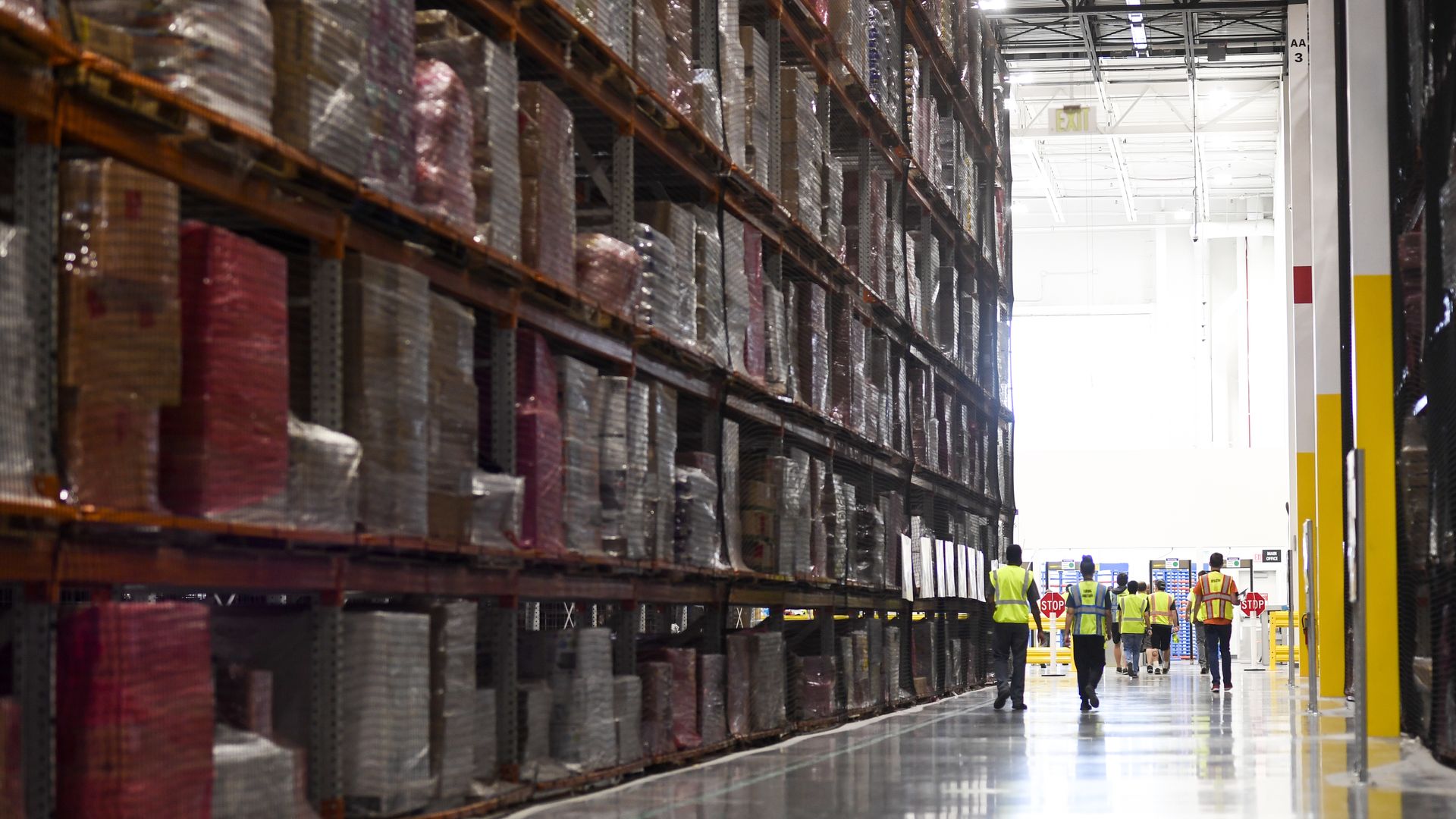
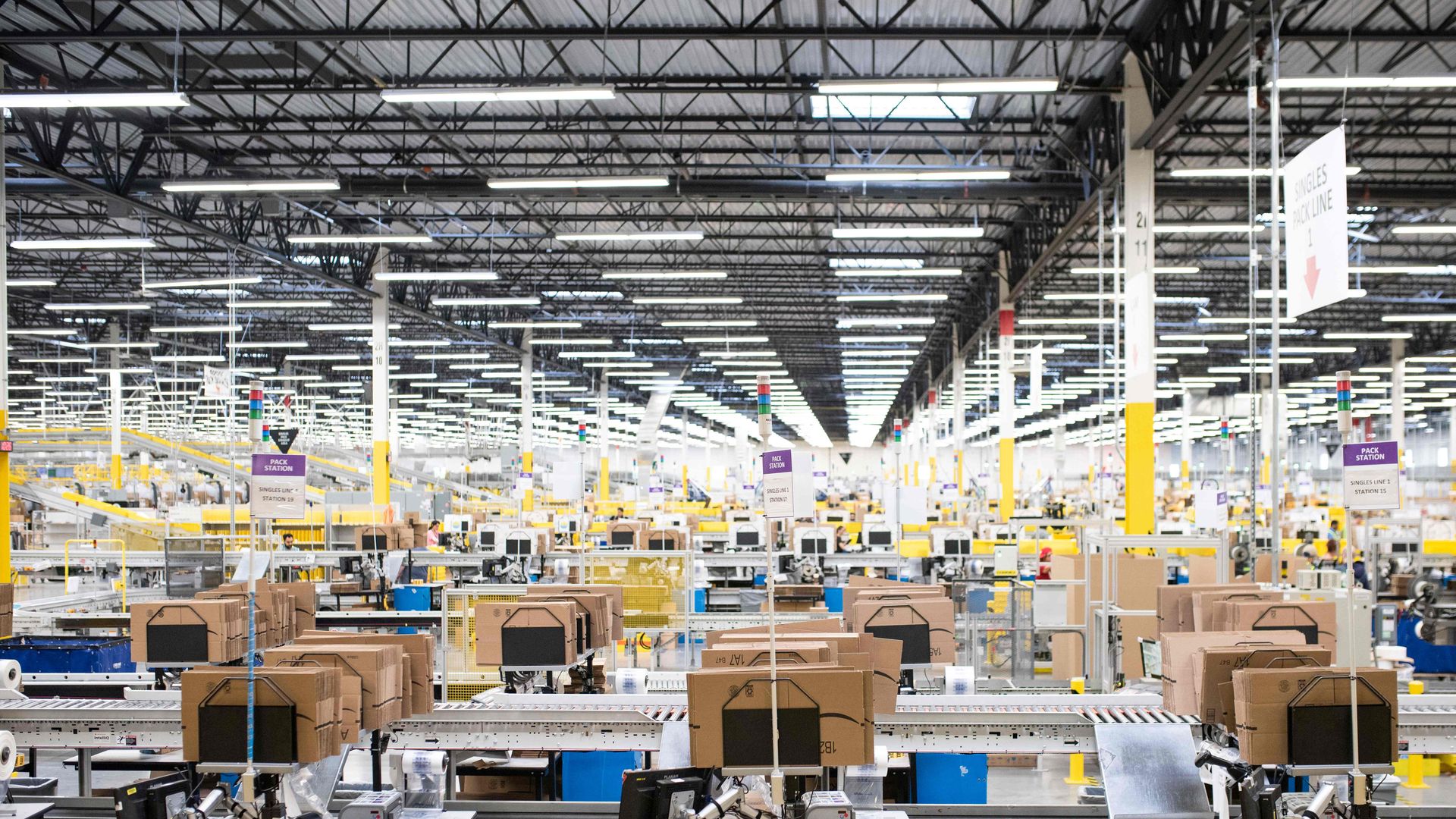
When President Trump threatened to go after Amazon, Jeff Bezos didn't say a word publicly. When Sen. Elizabeth Warren accused the company of antitrust violations, it stayed mum. But not long after Sen. Bernie Sanders called out Amazon for paying its workers too little, the e-commerce giant raised its salaries.
What's going on: Amazon — unlike some other companies with similar size and influence — has been largely immune to public pressure. But, in a super-tight labor market, with dozens of retailers vying for the same pool of warehouse workers, Amazon can't afford bad press that might push workers away.
Yes, but: CEO Jeff Bezos is calling for other companies to follow in Amazon's footsteps, as he said in Tuesday's announcement, and widespread pay rises could cause companies to raise prices, spurring inflation.
Facebook said Tuesday night that an investigation had unearthed "no evidence" that stolen keys to 50 million accounts were used to access third-party applications that let users log in with their Facebook credentials.
Why it matters: 50 million Facebook accounts is already a significant breach, but if Facebook's findings are correct, it means that the stolen "access tokens" weren't used to access even more services, which the company said Friday was possible. Services like Tinder, Spotify and Airbnb are among the thousands that offer Facebook's login tool to users.
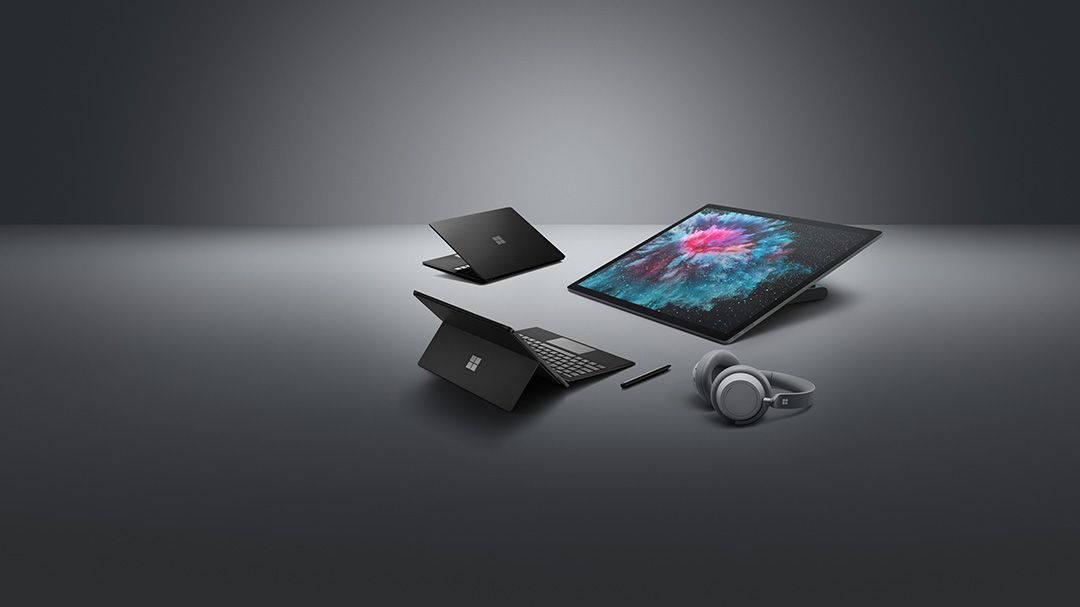
Microsoft is using a New York event to unveil a host of new Surface products, including a tablet, laptop, all-in-one desktop and over-the-ear headphones.
Why it matters: The touchscreen-focused Surface family is critical to giving Windows a "cool" factor, but it has also become a significant business for Microsoft. Surface revenue topped $1 billion last quarter, up 25% from a year earlier.
David Byttow, co-founder of anonymous messaging app Secret, has quietly joined Snapchat as director of engineering. He is expected to remain in New York, and most recently was engineering lead at Postmates, which had acquired the startup he created after Secret folded.
Why it matters: Snapchat once tried to buy Secret, but bailed because it felt the asking price was too high.
Uber has hired Nikki Krishnamurthy, formerly of Expedia, as its new head of human resources.
Why it matters: Leading Uber's HR efforts is undoubtedly one of the biggest challenges at the company, as shown in its string of controversies over the last year. Former HR chief Liane Hornsey resigned in July reportedly after complaints over her handling of discrimination allegations. Krishnamurthy is the third exec from Expedia now at Uber, along with CEO Dara Khosrowshahi and COO Barney Harford.
Twitter announced new "election integrity" rules for its platform Monday, including stricter rules against fake accounts, punishments for accounts associated with banned accounts and a prohibition against sharing hacked materials.
Why it matters: The first two rule changes likely conform with what people assume Twitter's rules already are. The third rule is a little more complex.
A bevy of news stories and researchers will tell you that hackers sell personal data for frighteningly small amounts of money on the dark web. According to a new report from Terbium Labs, those statistics might be well-intentioned but are almost certainly not helpful to understanding the issue.
Why it matters: Reports about how much money credit cards cost in criminal markets don't tend to use consistent definitions — there's no way to draw any meaning from a report last year saying card information costs $5 and one today saying it costs $10.
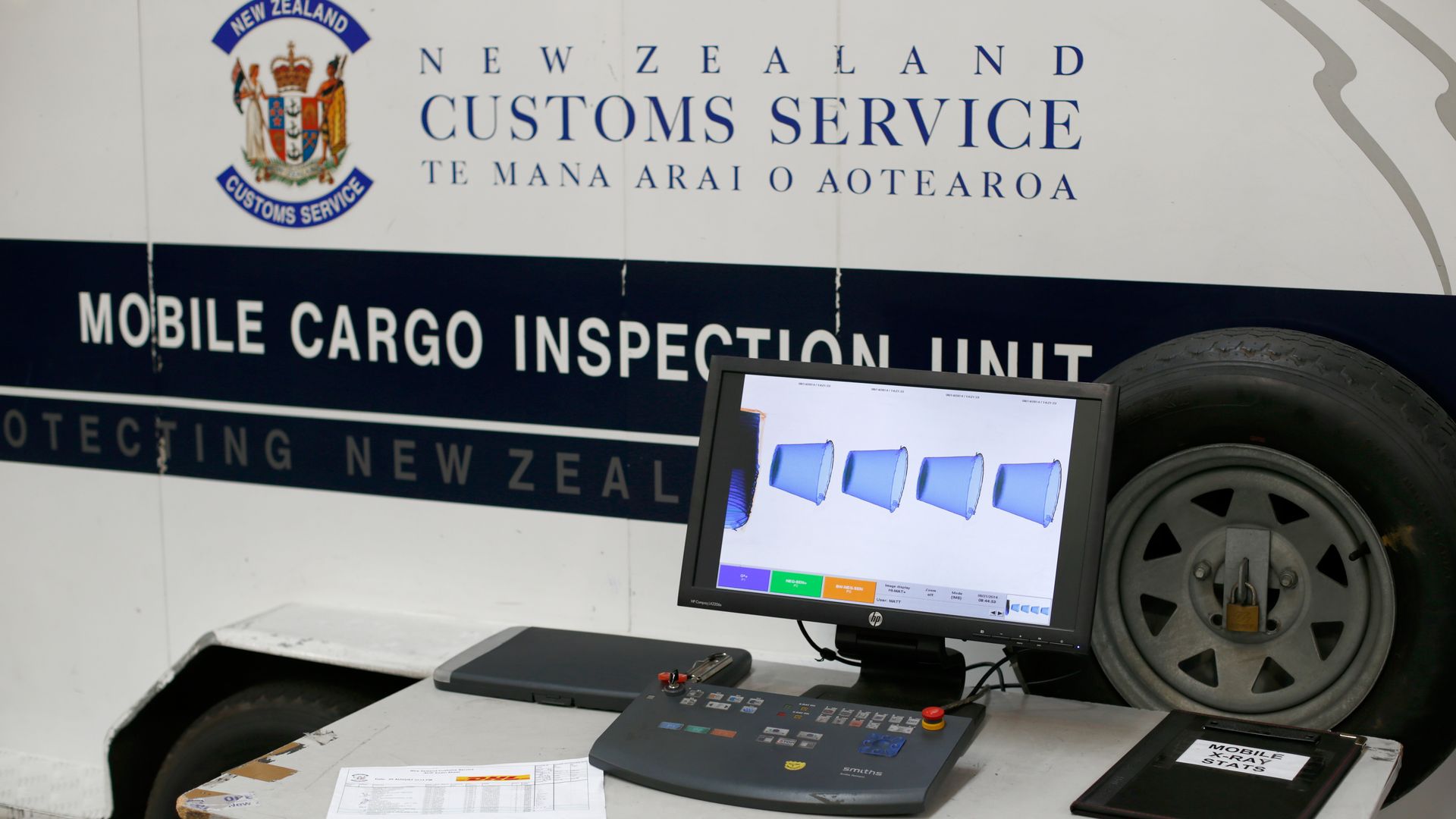
People traveling to New Zealand that refuse to give authorities the passwords to their digital devices during searches could be fined roughly $3,295, the New York Times reports.
Why it matters: A number of countries allow customs officials to search digital devices of those entering the country, but "did not previously compel travelers to open their devices for inspection," the Times reports. Now, declining to give authorities access could be considered grounds for seizing the device. Terry Brown, New Zealand Customs spokesman, told the Times that travelers must be "reasonably" suspicious before being searched, but critics say that definition isn't clear enough.
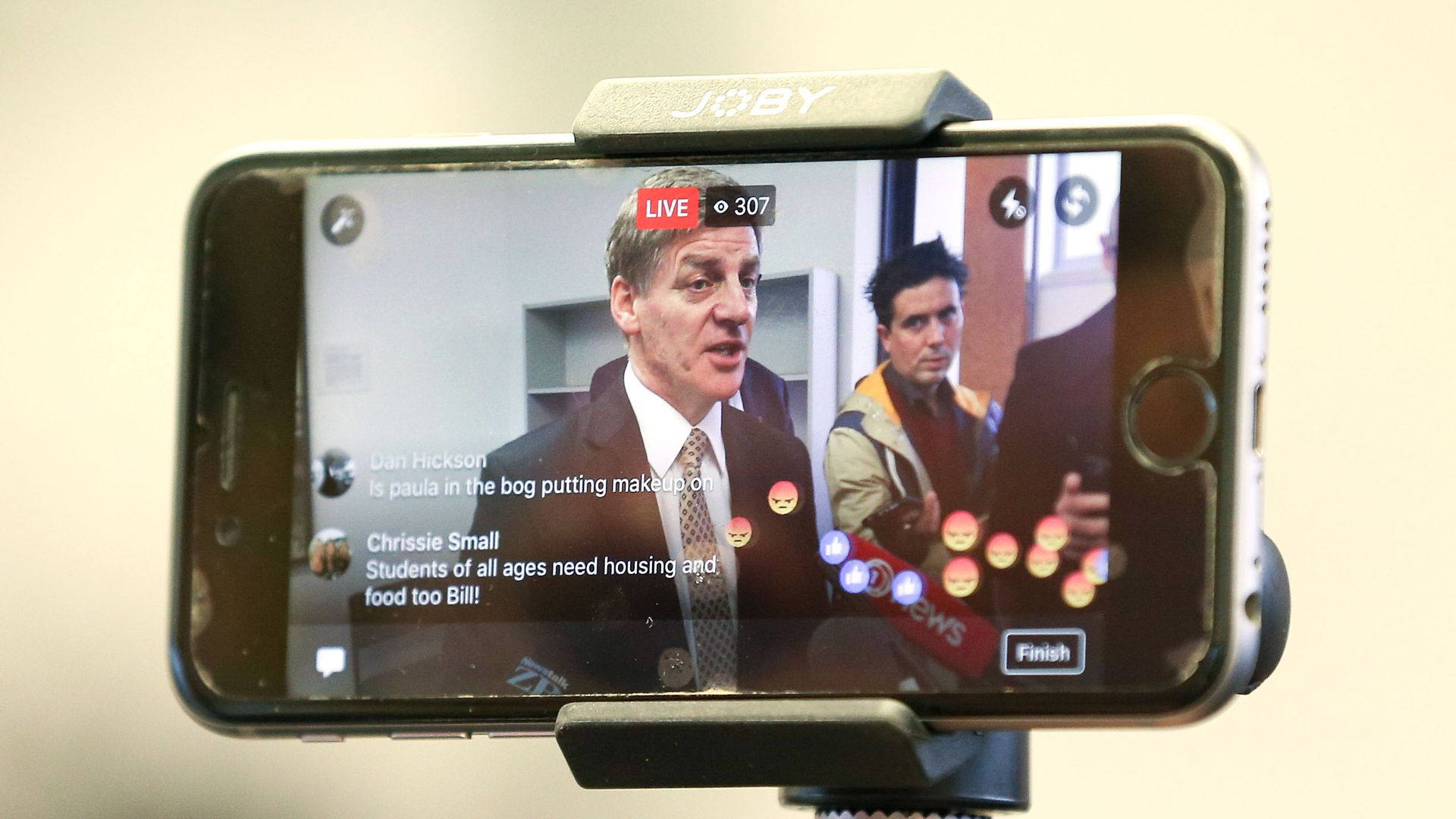
Last year, Facebook and Twitter touted the millions of views that the James Comey hearing racked up on their live platforms.
The big picture: Facebook said videos related to the testimony garnered 89 million views. Twitter said 2.7 million people watched it through its co-branded livestream with Bloomberg, its exclusive news partner.
New York City Mayor Bill de Blasio is trying to boost the city's cybersecurity market by tapping into its large student population and harnessing new investment.
Why it matters: While New York is overflowing with students, there's still a nationwide cybersecurity workforce shortage. De Blasio hopes to increase the number of cybersecurity jobs in New York City by 10,000 in a decade to help secure its major economic engines such as finance and retail sectors, which are prime cyberattack targets.
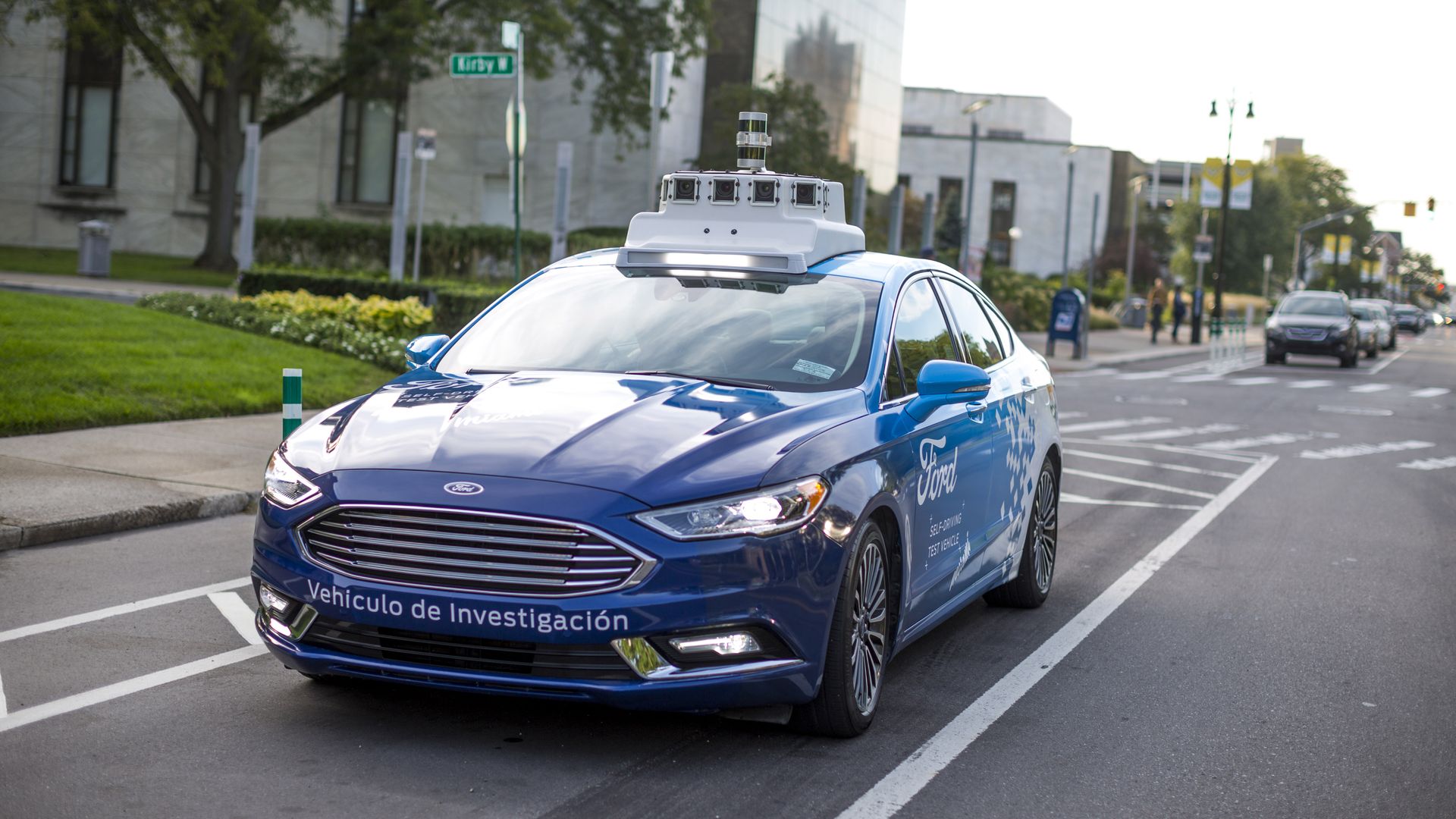
To peacefully share the road with human drivers, cyclists and pedestrians, self-driving cars will need a shared, easy-to-understand visual language to communicate their intent.
The big picture: There is currently no industry standard governing this communication. Automakers and tech companies must come together to create one, since a variety of conflicting light and color signals could cause widespread confusion and distrust.
Amazon is increasing its minimum wage to $15 an hour for part-time, full-time, temporary and seasonal workers in the U.S. starting November 1, the company announced on Tuesday. The raise will apply to Whole Foods.
The details: CEO Jeff Bezos said company "decided we want to lead" the effort and encouraged "our competitors and other large employers to join us." Amazon plans to lobby Congress for a higher federal minimum wage as well.
Facebook, third-party apps and regulators are scrambling to figure out key details of a breach that gave hackers access to 50 million accounts — a week after it was first discovered and four days after it was revealed.
The big picture: Observers widely noted that past security failures on this scale have always ended up affecting much larger numbers of users than originally announced. Two major online services that allow users to sign in with Facebook reported no evidence of problems, but investigations are just beginning.