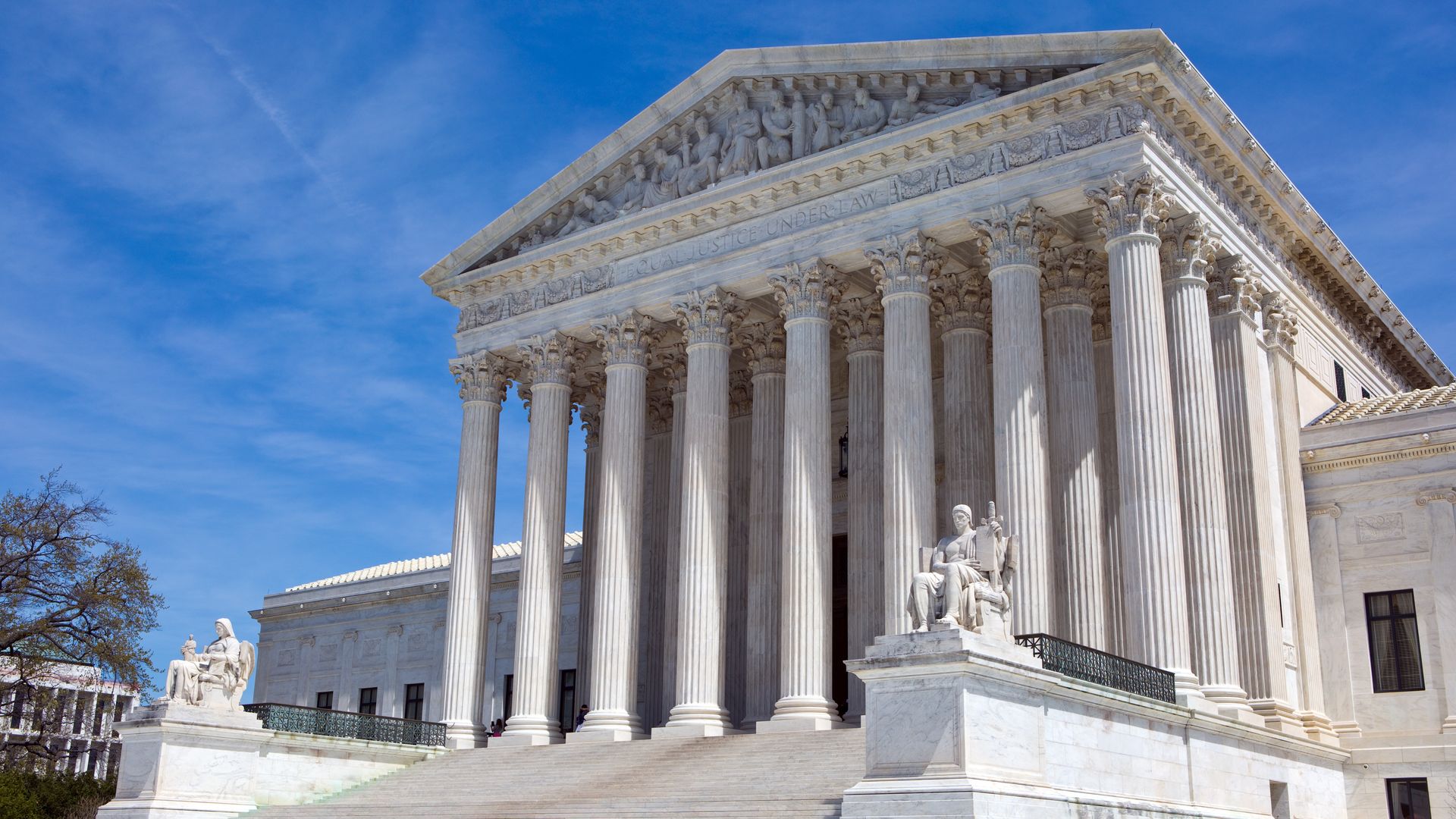
A short-handed Supreme Court begins its new term on Monday with eight justices rather than the usual nine amid a battle to confirm President Trump's nominee Brett Kavanaugh as he faces sexual assault allegations.
The details: The court — ideologically deadlocked with four conservatives and four liberals — has not yet added any blockbuster cases to its nine-month calendar. But the 43 pending cases do have major ramifications, and a confirmation of Trump’s nominee would solidify a conservative majority and ultimately hand Republicans major wins.
Catch up quick: The big news was the Facebook network breach, but other important developments got less attention. The major tech and telecom companies met with the Senate Commerce Committee Wednesday; Google's CEO will testify before the House on bias accusations; kids are already outsmarting parental iPhone time limits on iOS 12; and a report says a voting machine used in half of U.S. is vulnerable to attack.
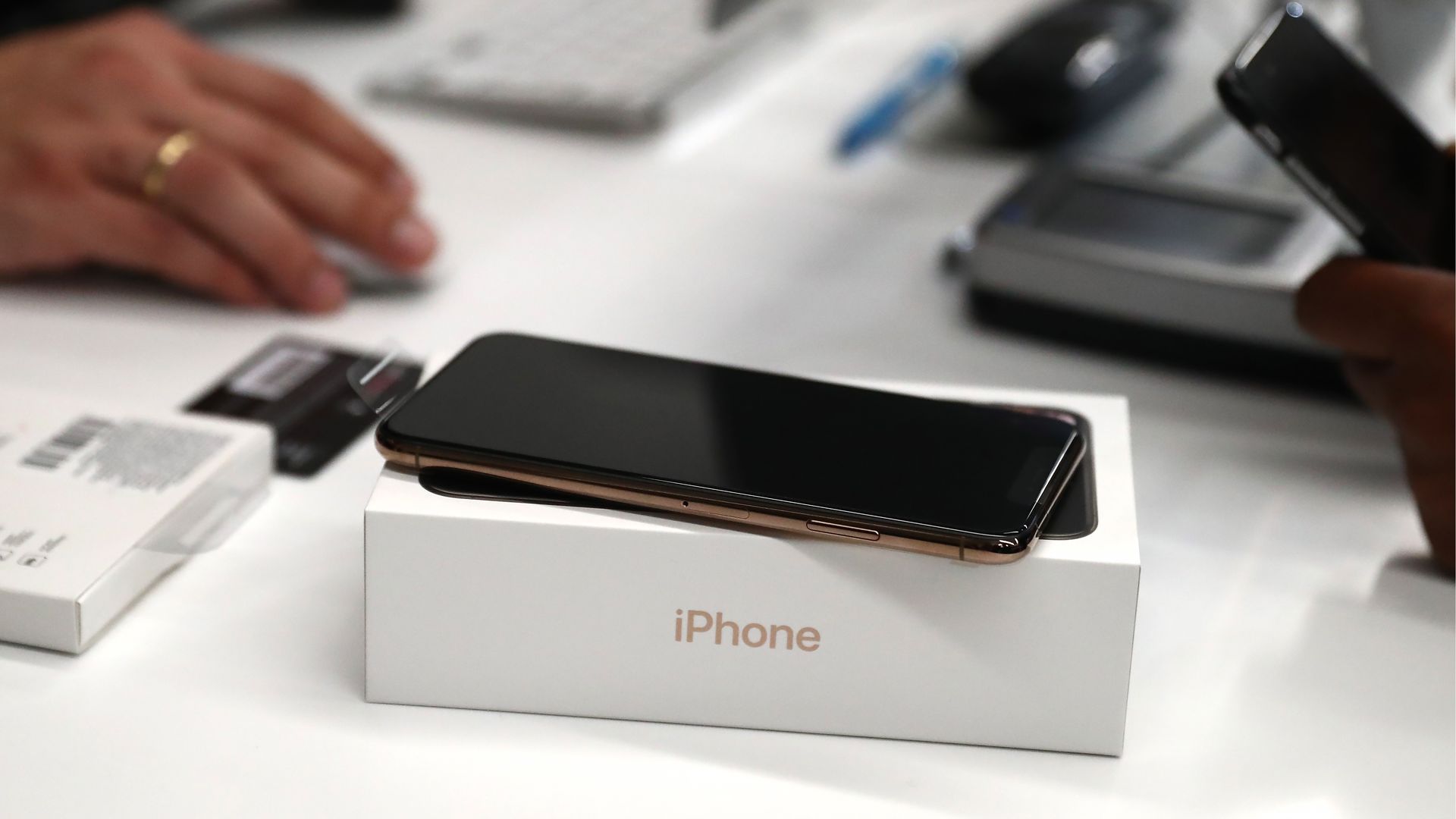
A judge found that Apple violated a single Qualcomm patent by producing iPhones with Intel Corp. chips, but refused to place a ban on some phone imports into the United States, Reuters reports.
Why it matters: Qualcomm initially accused Apple of violating six patents and requested a ban on imports in a lawsuit filed against the company. But a judge found that "public interest factors" weighed heavily against the request. The fight isn't over — Qualcomm has another pending patent case against Apple coming soon.
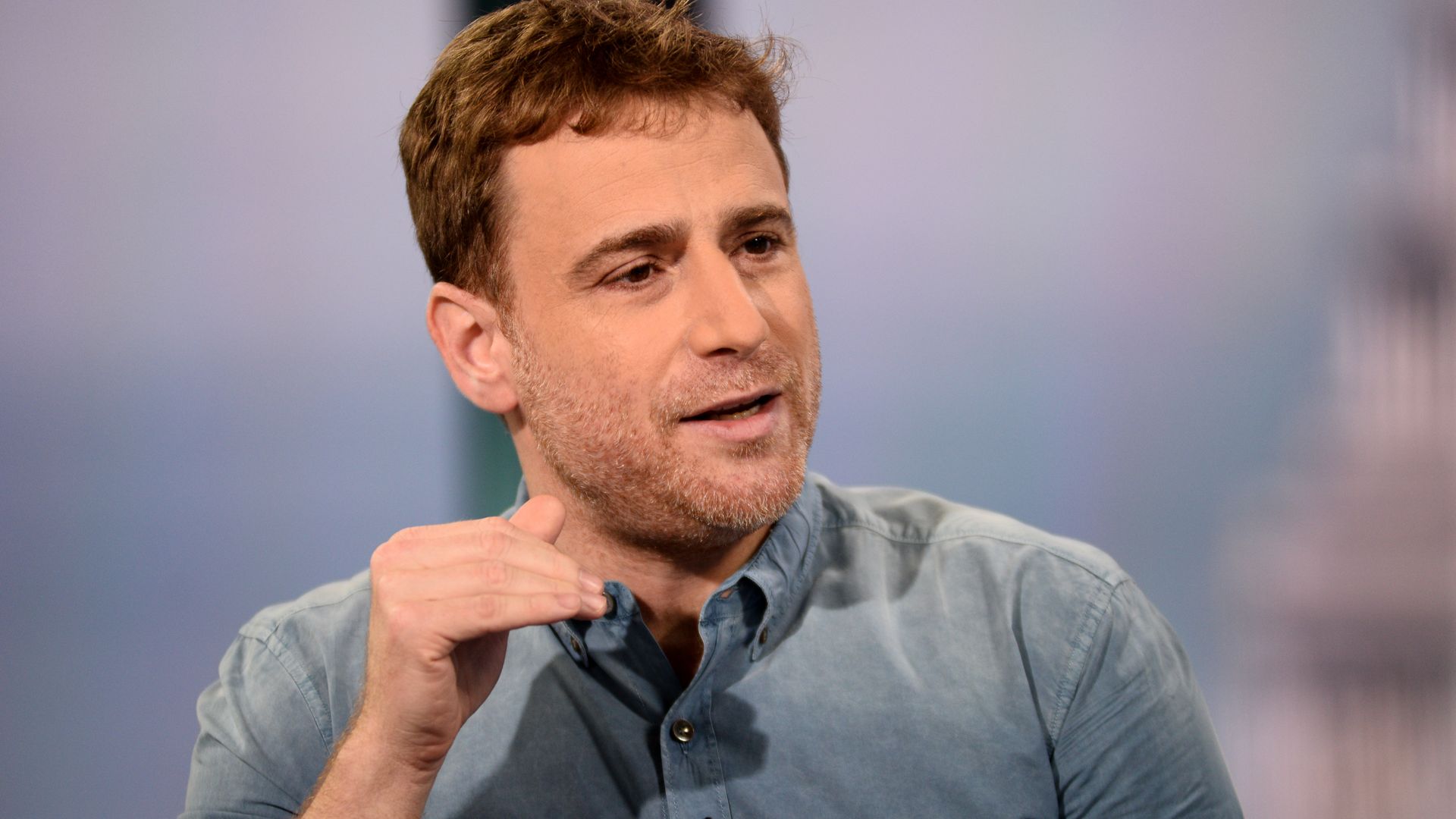
Slack, the popular workplace instant-messenger, with more than 8 million daily active users is preparing to go public next year at a valuation well in excess of $7 billion, per The Wall Street Journal.
Why it matters: After years of staying private, tech companies "are now increasingly being drawn toward the IPO market, ... one of the best in years," WSJ's Maureen Farrell writes. As of now, more than 40 tech companies went public, up 50% this year per Dealogic.
Facebook crossed into new territory on Friday as it publicly disclosed a massive security breach that gave away the keys to as many as 50 million Facebook user accounts — just months after CEO Mark Zuckerberg said such an event had never occurred on its platform.
Why it matters: The Cambridge Analytica scandal was about gaming Facebook’s systems to scrape user data. This is something different: what looks like the biggest intrusion taking advantage of flaws in Facebook’s code since the social network was created on Harvard’s campus in 2004.