Netflix has cancelled comedian Michelle Wolf's late night show less than three months after the show first aired, reports Mediaite.
Why it matters: Wolf landed her show shortly after her controversial performance at the White House Correspondent's Dinner in April. She targeted many of the women on President Trump's staff, including White House press secretary Sarah Sanders, joking: "I think she’s very resourceful. She burns facts and then she uses that ash to create a perfect smoky eye." Those who were critical of Wolf's roast argued her remarks widened the gap between the media and those who distrust it.
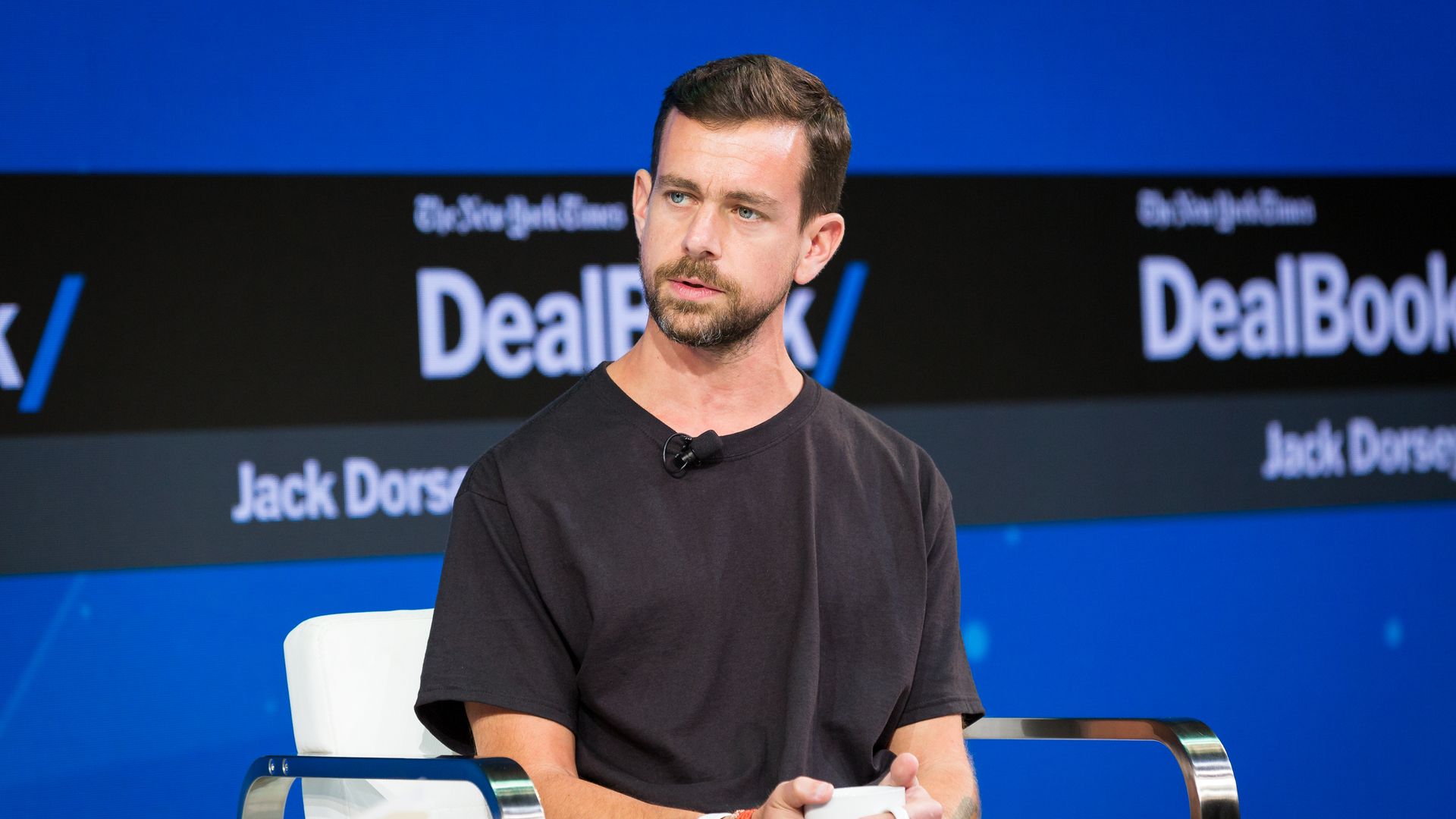
Twitter CEO Jack Dorsey denied claims the company is discriminating against users with conservative views in an interview with CNN's Brian Stelter.
"Are we doing something according to political ideology or viewpoints? We are not... We do not look at content with regards to political viewpoint or ideology. We look at behavior... I think we need to constantly show that we are not adding our own bias, which I fully admit is left, is more left-leaning."
— Dorsey
The interview came on the heels of a Saturday morning tweet series from President Trump who slammed social media platforms for "closing down the opinions of many people on the RIGHT, while at the same time doing nothing to others."
In an series of early Saturday morning tweets, the president went after social media platforms for "totally discriminating against Republican/Conservative voices," arguing "Let everybody participate, good & bad, and we will all just have to figure it out!"
The big picture: Major social media platforms, including Twitter, Facebook, Spotify and Pinterest, have recently removed Infowars host and conspiracy theorist Alex Jones' account for violating standards by posting hate speech that "attacks or dehumanizes" others. Tech companies that embrace openness and free speech as a part of their corporate values and business models are grappling with how to handle content that is deemed unacceptable to most people, but embraced by a small few.
Technologies that have become ubiquitous in the daily lives of most Americans — from ride-sharing and dating apps to social media — are using sketchy practices and violating user privacy information, while most of us are unaware.
Why it matters: With tech becoming more and more sophisticated, users don't pay as close attention as they probably should to what they're signing on for and if their information is being inappropriately used.
Los Angeles will be implementing body scanning technology to its mass transit systems, the New York Times reported this week, becoming the first city to do so.
Why it matters: Jay Stanley, senior policy analyst at the American Civil Liberties Union (ACLU), told Axios "the technology revolution that we're seeing in other areas is definitely affecting law enforcement, and all too often these technologies are being deployed without telling — let alone asking — the affected communities."
Facebook is pushing back against the U.S. government after it was asked to break end-to-end encryption on its Messenger app to eavesdrop on a specific user as part of an investigation of the MS-13 gang in California, Reuters reports.
Why it matters: Facebook would either have to remove encryption from the app altogether or hack the Messenger app for the user the government is requesting, which sets a precedent for requests moving forward. If Facebook is forced to comply it could create privacy issues moving forward for millions of users.
The Department of Housing and Urban Development filed a complaint against Facebook Friday under the Fair Housing Act, charging that the social network allows advertisers to illegally discriminate in housing ads by excluding some groups from seeing them and "invites advertisers to express unlawful preference by suggesting discriminatory options."
Why it matters: Targeted advertising is the heart of Facebook's (and many other online companies') business, but "user choice" viewed through a different lens may look like discriminatory behavior. When it comes to protected groupings based on race, color, religion, sex, familial status, national origin and disability, targeting ads can look more like a prejudicial bug than a feature.
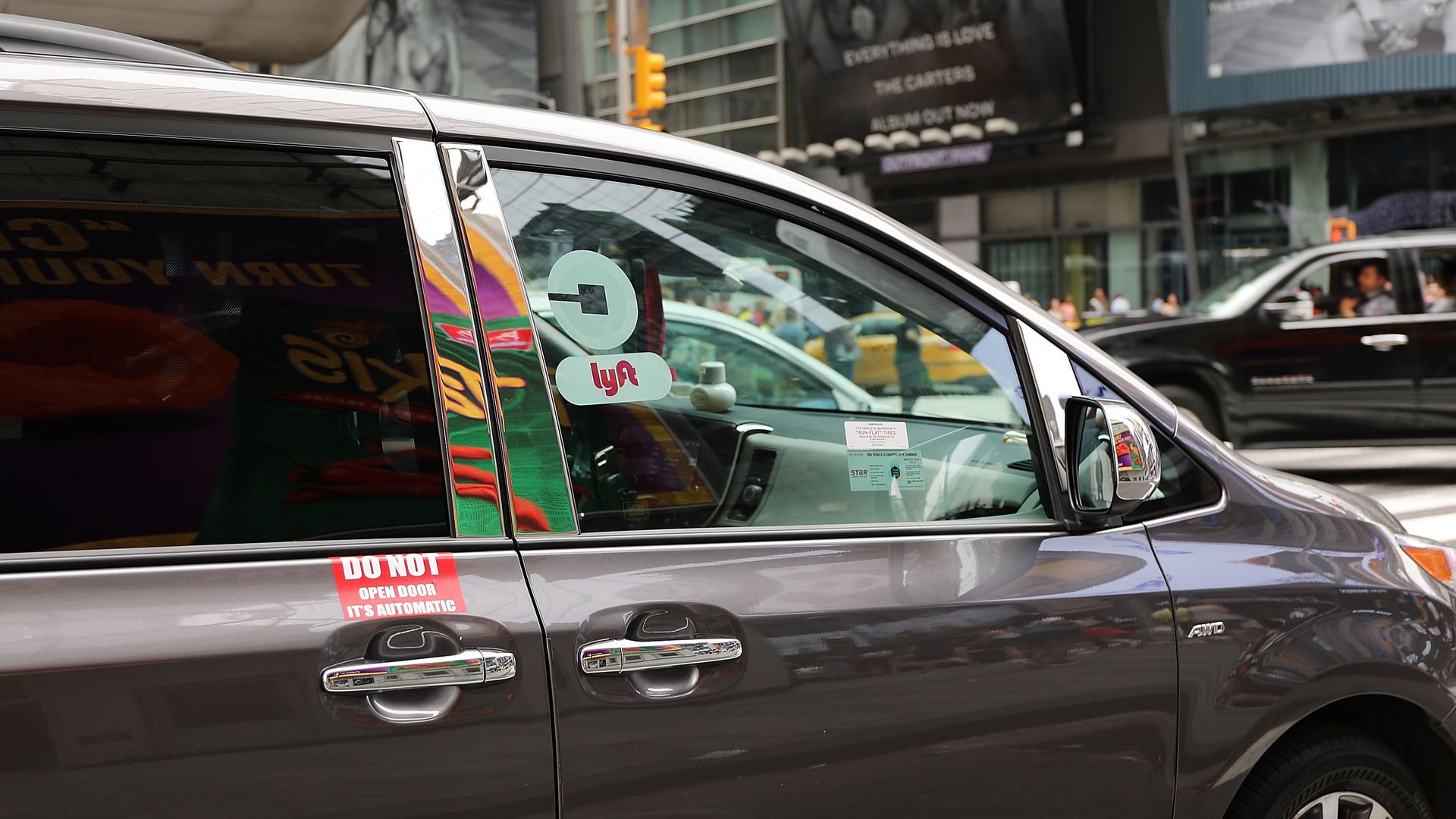
Last week, New York City passed the nation’s first cap on new licenses for ride-hailing vehicles, like those driving for Uber and Lyft, citing in part concerns over worsening congestion and declining transit ridership. The decision represents the culmination of alarm over app-based ride-hailing companies and could serve as a blueprint for cities across the U.S.
Yes, but: Privately owned vehicles driven for personal use still dominate our transportation system, in large part because using one is cheap, fast and comfortable after the initial investment. Any regulatory solution to congestion must focus on personal vehicles first. Short of that, placing limits on Uber or Lyft will be a mere drop in the gas tank.
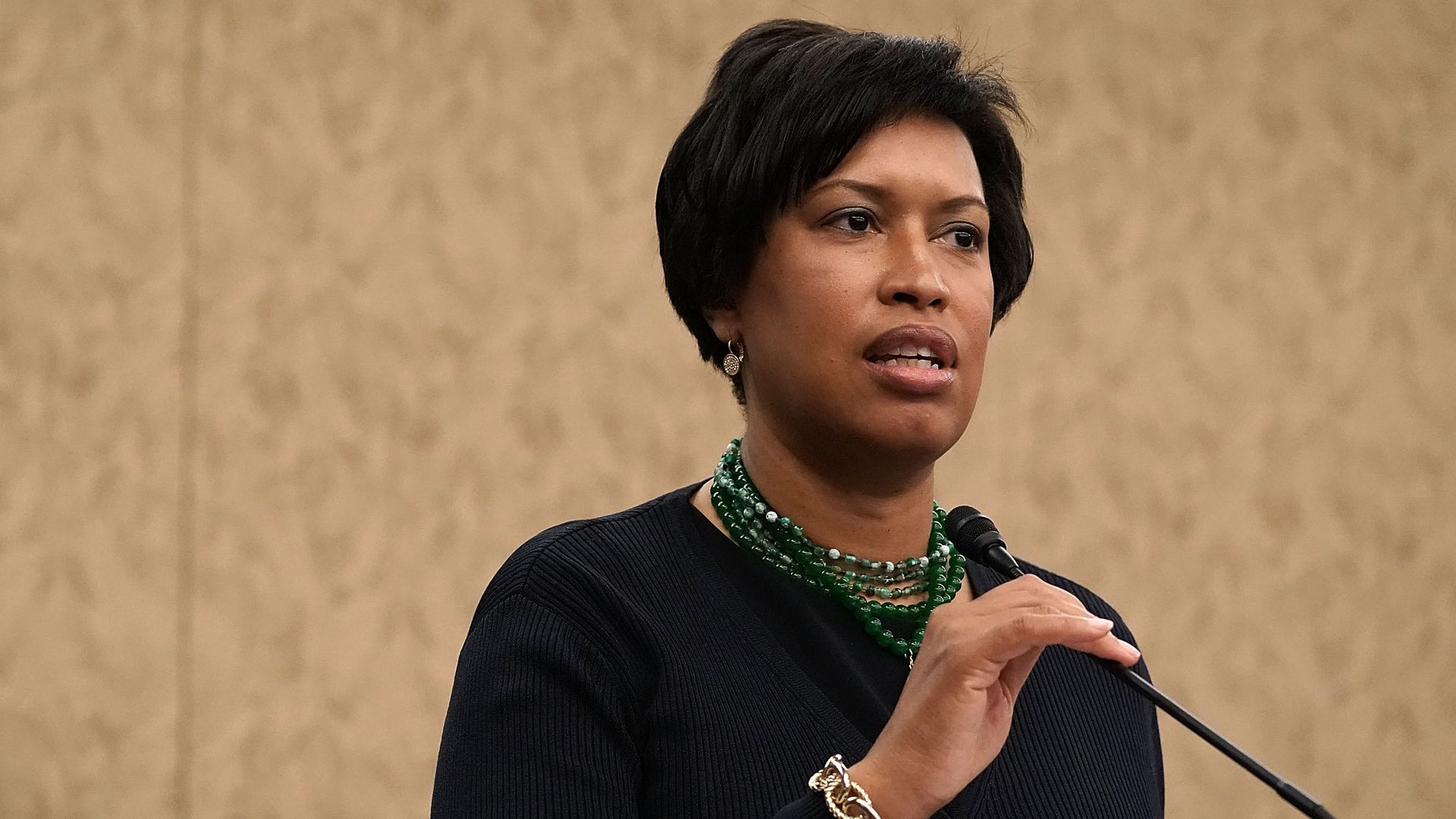
Washington, D.C. Mayor Muriel Bowser tweeted a reply to President Trump on Friday after he criticized D.C.'s "local politicians" for the incredibly high price tag they put on his proposed military parade, stating that she was the one who "finally got thru to the reality star in the White House. "
"Yup, I’m Muriel Bowser, mayor of Washington DC, the local politician who finally got thru to the reality star in the White House with the realities ($21.6M) of parades/events/demonstrations in Trump America (sad)."
The Chair of the House Committee on Energy and Commerce, Rep. Greg Walden (R-Oregon), formally invited (via a tweet) Twitter CEO Jack Dorsey to appear before the committee over speech issues on the platform. Dorsey has already confirmed he will participate in a Sept. 5 Senate Intelligence hearing to discuss efforts to prevent Russian interference in the November midterms elections.
The upshot, per Axios’ David McCabe: “Jack is in a bind where he has satisfied neither the left, which isn't happy with their Infowars response, or the right, which wants him to testify on censorship, right as he needs lawmakers on his side when he goes up to Capitol Hill.”
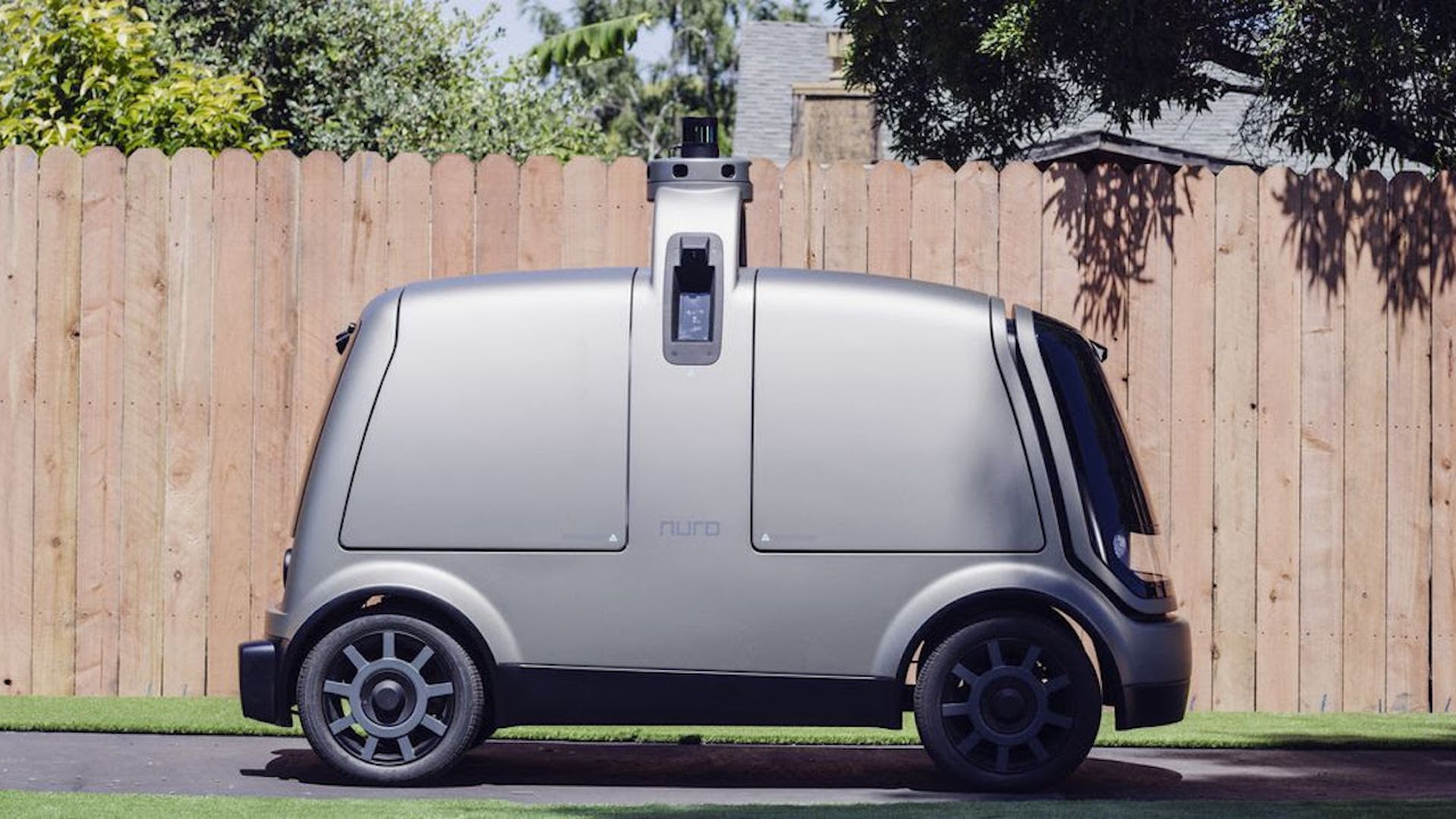
Kroger kicked off a pilot program in Phoenix, Arizona this week using autonomous Toyota Priuses to deliver groceries, the Associated Press reports.
The details: The project allows customers to order same-day or next-day delivery "for a flat rate of about $6." The vehicle will be loaded with groceries at the Kroger store and drive to the shopper's house, where the customer will need to unload it themselves. According to the AP, customers will be able to open the vehicle with a numerical code.
A surge of nefarious activity online has created new businesses, research disciplines and newsroom beats focused on studying and combating internet propaganda.
Why it matters: Americans were mostly caught flat-footed by the sophistication of state-sponsored and fringe misinformation attacks leading up to the 2016 election. Now, a variety of groups — from academics to journalists — are mobilizing to try to stay ahead of it.
When it comes to decision making, it might seem that computers are less biased than humans, but algorithms can be just as biased as the people who create them.
Why it matters: One study from MIT Media Lab found that leading facial recognition systems correctly identified male faces 99 percent of the time, but made mistakes up to 35 percent of the time with dark-skinned female faces. This has major consequences for people, because algorithms can help with decisions from who can travel freely to who is arrested and how long they go to jail.
An ad from California Republican congressional candidate Elizabeth Heng was initially blocked by Twitter because it contained graphic images from a video of Cambodia's Khmer Rouge Regime (watch here) but the company has since reversed its decision, The Hill reports.
Why it matters: In recent weeks, Twitter has suspended and censored users and content it finds in violation of the company's conduct policy, including that of InfoWars host Alex Jones. Some, including Heng, have argued the policy is an encroachment on First Amendment rights.












/2018/08/16/1534454252919.gif?w=3840)