Bill Gates writes on Gates Notes: The Blog of Bill Gates that when he entered Harvard in 1973, the drawing below "was basically how the global economy worked."
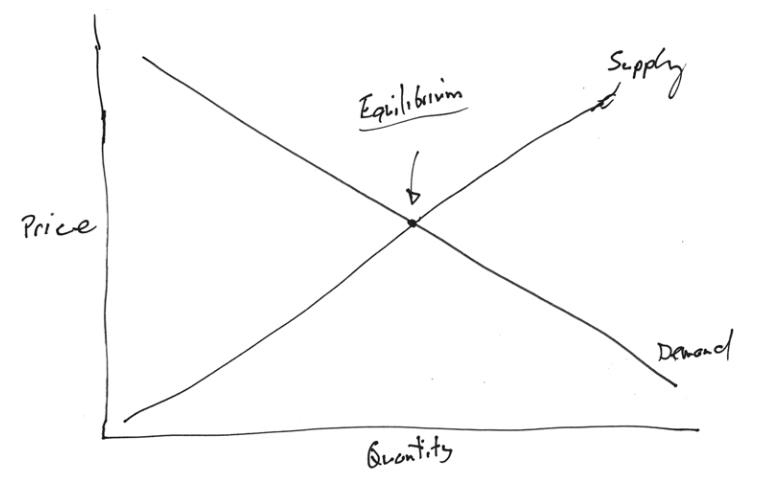
The big picture: "There are two assumptions you can make based on this chart. The first is still more or less true today: as demand for a product goes up, supply increases, and price goes down. If the price gets too high, demand falls. The sweet spot where the two lines intersect is called equilibrium. ... Everyone wins."
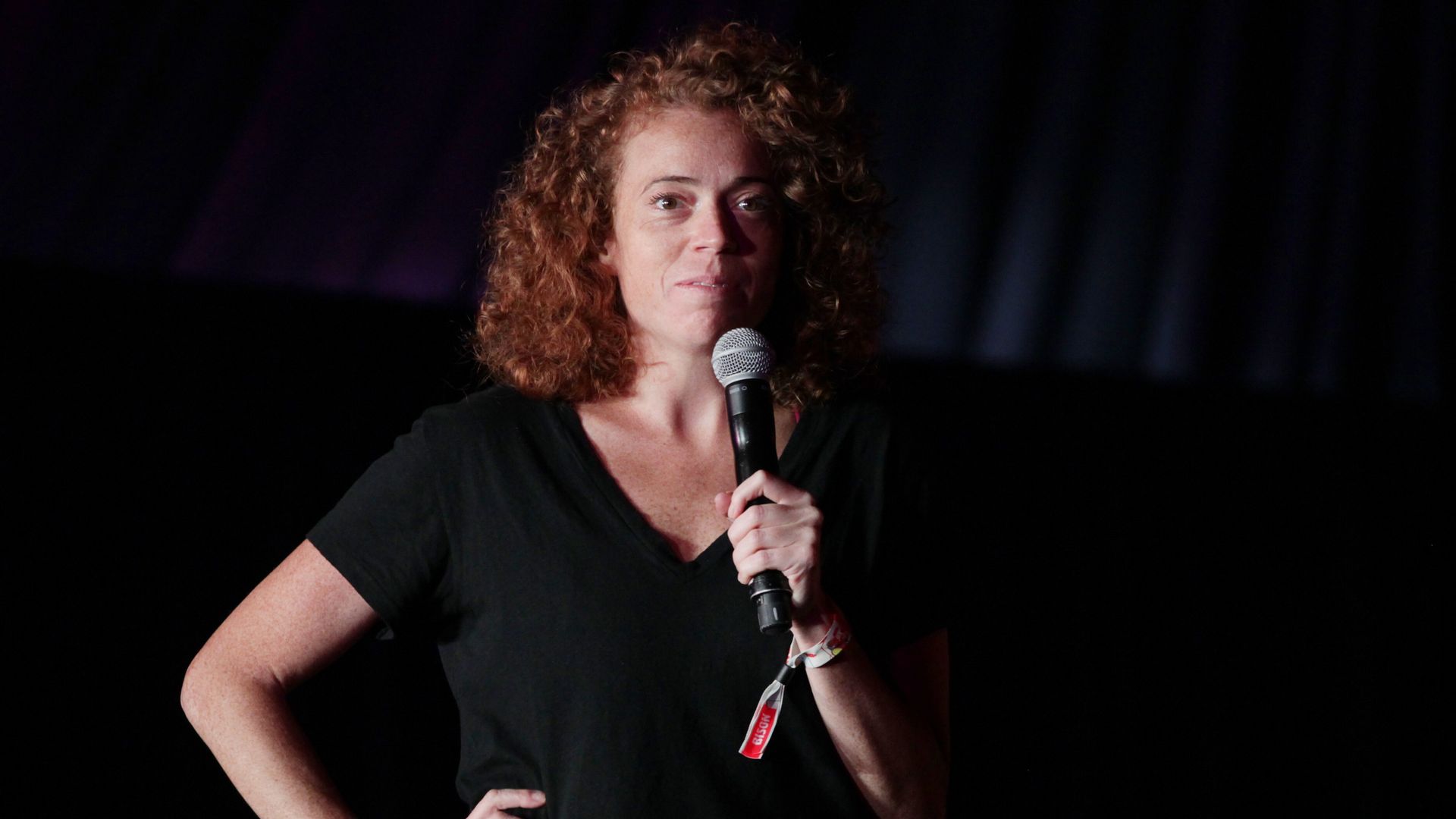
Netflix has cancelled comedian Michelle Wolf's late night show less than three months after the show first aired, reports Mediaite.
Why it matters: Wolf landed her show shortly after her controversial performance at the White House Correspondent's Dinner in April. She targeted many of the women on President Trump's staff, including White House press secretary Sarah Sanders, joking: "I think she’s very resourceful. She burns facts and then she uses that ash to create a perfect smoky eye." Those who were critical of Wolf's roast argued her remarks widened the gap between the media and those who distrust it.
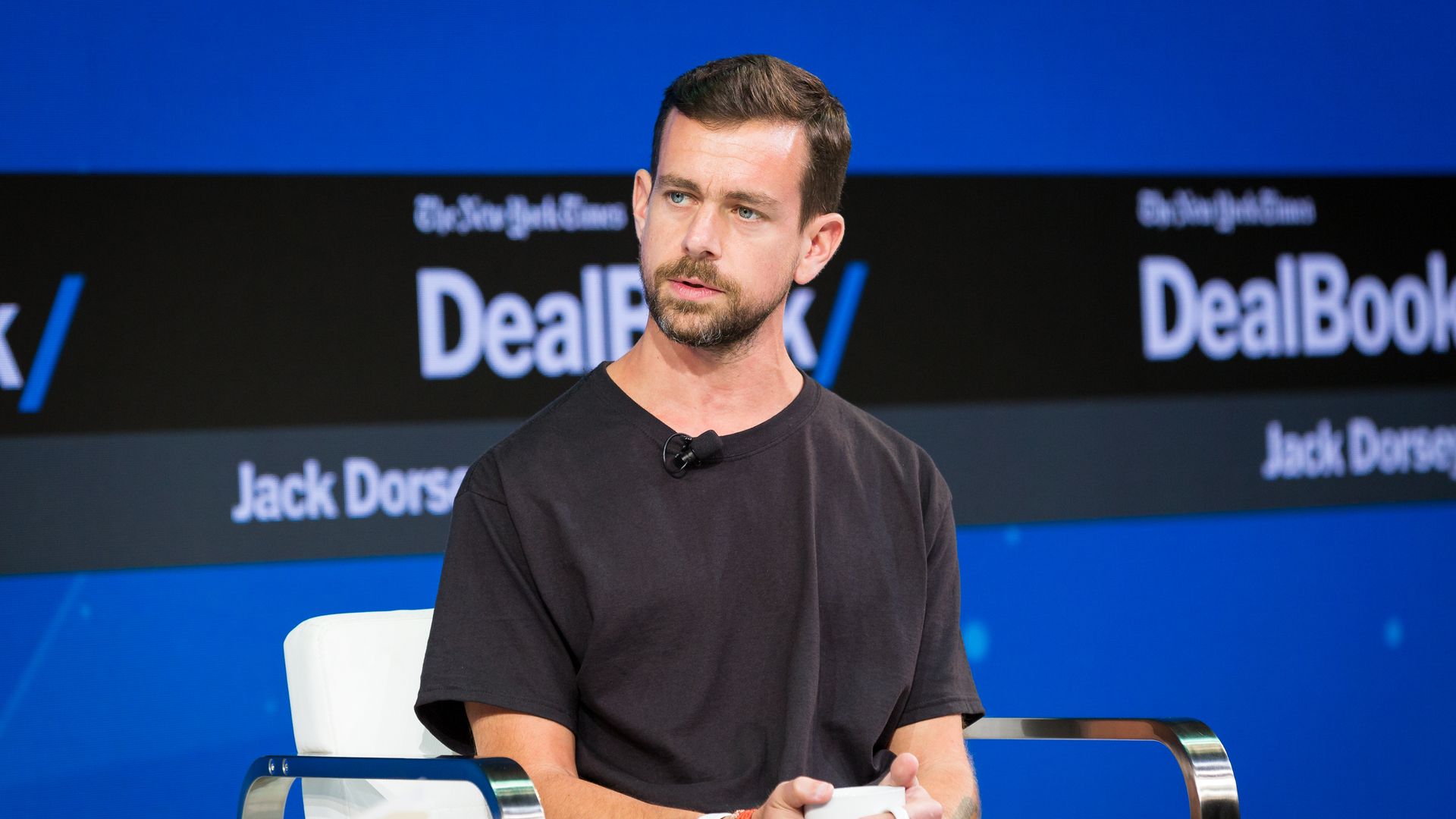
Twitter CEO Jack Dorsey denied claims the company is discriminating against users with conservative views in an interview with CNN's Brian Stelter.
"Are we doing something according to political ideology or viewpoints? We are not... We do not look at content with regards to political viewpoint or ideology. We look at behavior... I think we need to constantly show that we are not adding our own bias, which I fully admit is left, is more left-leaning."
— Dorsey
The interview came on the heels of a Saturday morning tweet series from President Trump who slammed social media platforms for "closing down the opinions of many people on the RIGHT, while at the same time doing nothing to others."
In an series of early Saturday morning tweets, the president went after social media platforms for "totally discriminating against Republican/Conservative voices," arguing "Let everybody participate, good & bad, and we will all just have to figure it out!"
The big picture: Major social media platforms, including Twitter, Facebook, Spotify and Pinterest, have recently removed Infowars host and conspiracy theorist Alex Jones' account for violating standards by posting hate speech that "attacks or dehumanizes" others. Tech companies that embrace openness and free speech as a part of their corporate values and business models are grappling with how to handle content that is deemed unacceptable to most people, but embraced by a small few.
Technologies that have become ubiquitous in the daily lives of most Americans — from ride-sharing and dating apps to social media — are using sketchy practices and violating user privacy information, while most of us are unaware.
Why it matters: With tech becoming more and more sophisticated, users don't pay as close attention as they probably should to what they're signing on for and if their information is being inappropriately used.
Los Angeles will be implementing body scanning technology to its mass transit systems, the New York Times reported this week, becoming the first city to do so.
Why it matters: Jay Stanley, senior policy analyst at the American Civil Liberties Union (ACLU), told Axios "the technology revolution that we're seeing in other areas is definitely affecting law enforcement, and all too often these technologies are being deployed without telling — let alone asking — the affected communities."