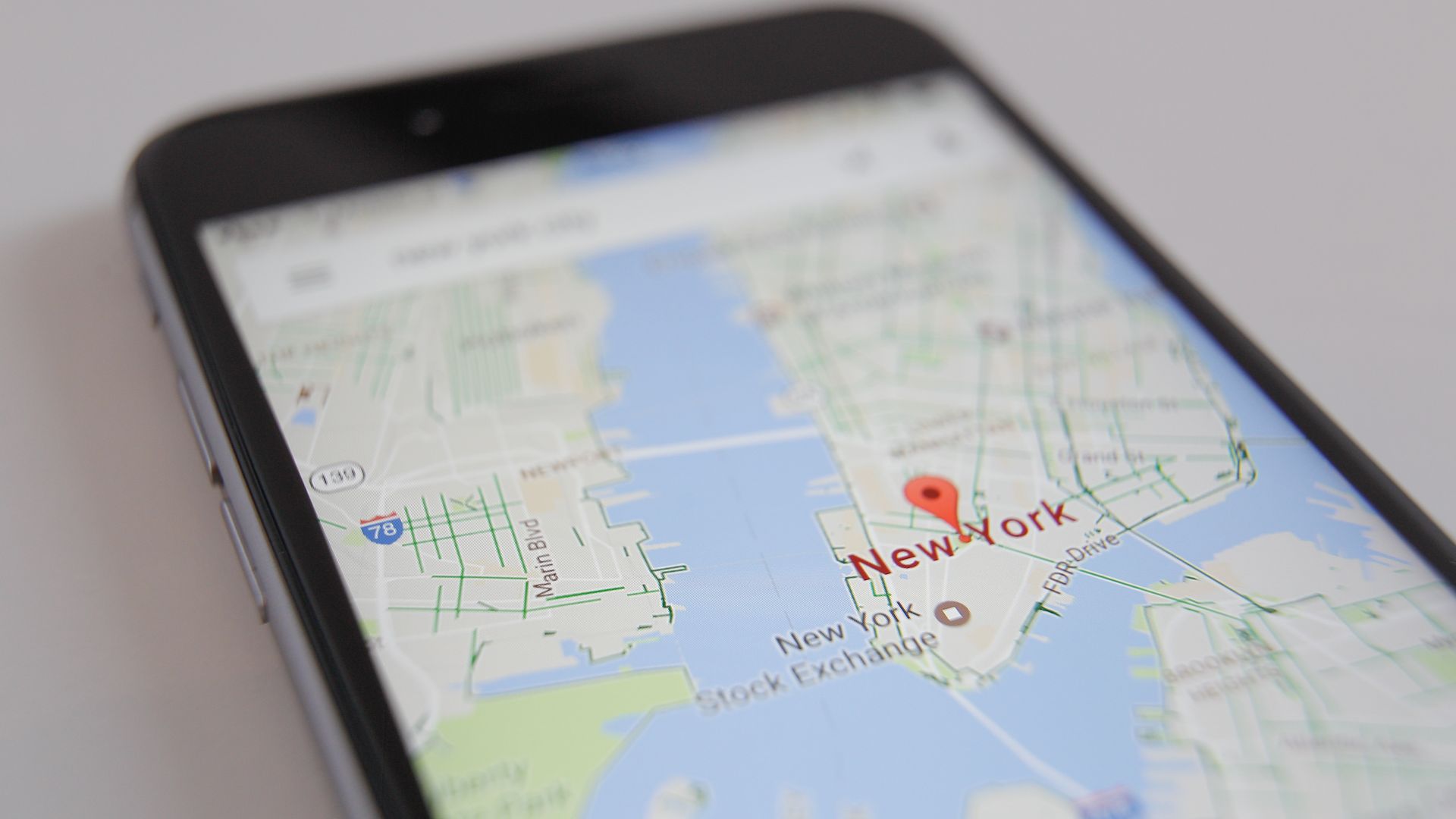
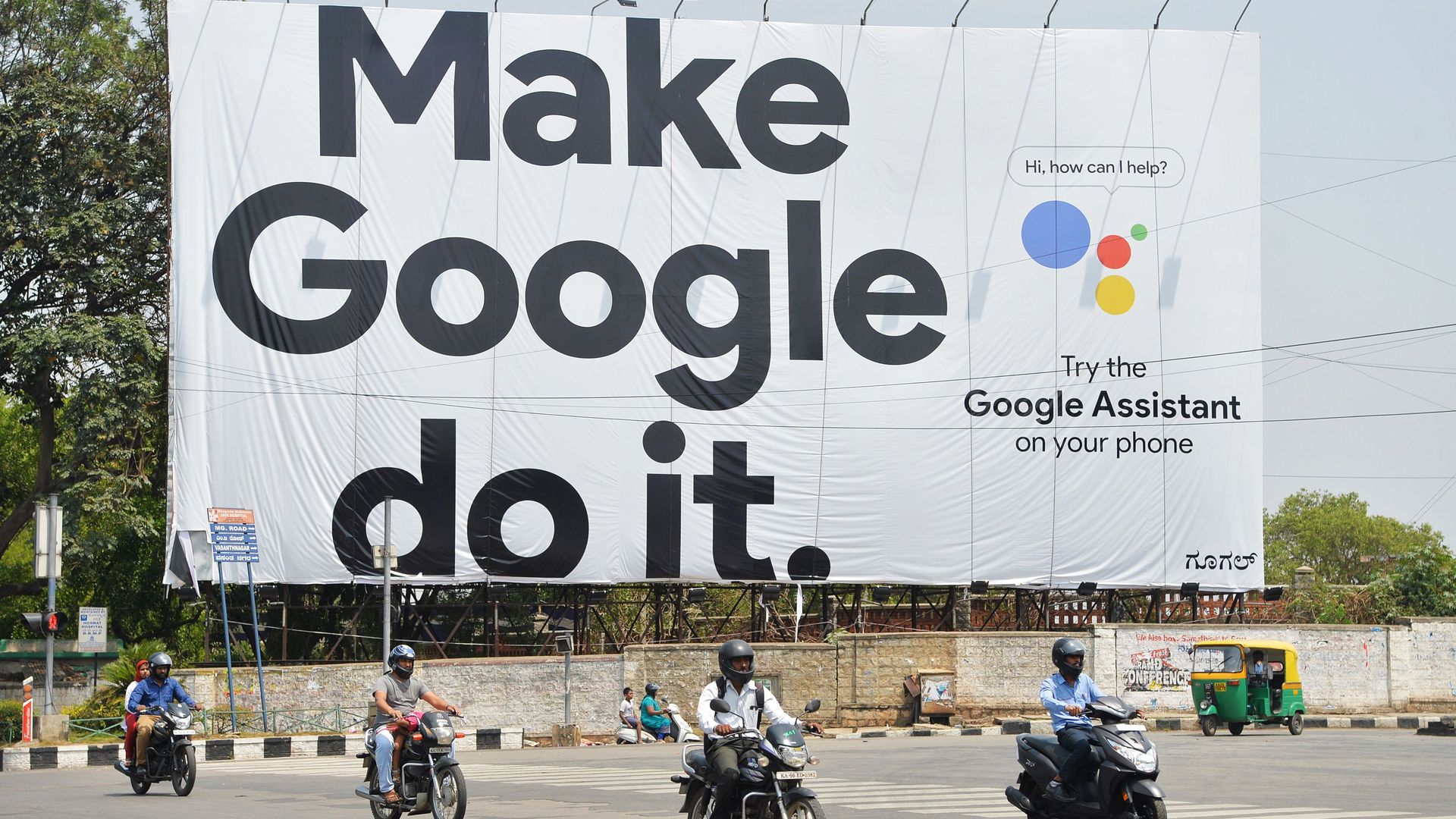
Google is trying to clarify the way it handles storage of individual users' geolocation data in the wake of critical coverage that exposed inconsistencies in its policies.
The background: An Associated Press story reported earlier this week that many Google services continue to retain location information even after a user has changed a phone's privacy settings not to do so.
In a uniform decision Thursday, the U.S. Senate voted to "reaffirm the vital and indispensable role the free press serves."
Why it matters: The resolution comes on the heels of a nationwide push by hundreds of local and national newspapers to publish editorials standing up for the press in response to President Trump's claims the press is an "enemy of the people."
About 1,000 Google employees have signed a letter asking for more transparency from Google about the expected rollout of Dragonfly, a censored search engine designed for the Chinese market, per The New York Times.
Why it matters: Google withdrew from China eight years ago in protest of government hacking. Employees now want to know if the company’s willingness to acquiesce to Chinese demands to limit access to information online could violate Google's famous unofficial motto: "Don't Be Evil."
When you make a film that everyone will call "that big shark movie," it’s important that the fish be satisfyingly enormous. So the team behind a new film called The Meg brought on a software company that specializes in creatures.
The big picture: Computer-generated imagery has long been a staple of big-budget films, but computer animation is expensive and time consuming. By contrast, the AI-powered system that created the megalodon made it easy to tweak the shark in ways small and large once a model has been created.
Instagram users are being blocked from logging in, only to find later their accounts have been hacked and their credentials often newly linked with a Russian email ending in .ru.
What’s happening: Instagram is investigating the hacking claims following a spike in reports, but doesn’t know whether these are actually Russians hacking or whether it's just someone using a Russian email. Instagram is currently helping customers regainaccess to their accounts and working to roll out its own third-party app authentication.
Uber is once again losing money, after turning a first quarter profit thanks to the sales of its Russia and Southeast Asia units.
Why it matters: Uber plans to go public by the end of 2019, but continues to balance its desire for profitability with increased investment in areas like food delivery business, bike-share and self-driving.
Twitter CEO Jack Dorsey on Wednesday said he didn't know whether the social media platform's 7-day suspension of far-right talk-show host Alex Jones would "impact and change” Jones' behavior.
Why it matters: Twitter’s move came more than a week after companies, including Apple, Facebook and Youtube, banned Jones from their platforms and removed his content. The companies’ actions had intensified mounting debate over the role of tech companies in policing controversial content on their platforms, while upholding the principle of free speech.
Google is rolling out the online library of U.S. political ads it promised lawmakers last year, along with a report detailing political ad-spending trends across its platforms.
Why it matters: With the midterms approaching, large tech platforms are taking steps to satisfy lawmakers and users who are demanding more transparency after the Russian campaign to disrupt the 2016 election.
Silicon Valley's move-fast-and-break-things model has succeeded, and former FCC Chairman Tom Wheeler says it's Big Tech's responsibility — and opportunity — to work with policymakers to pick up the pieces.
Why it matters: Before his FCC tenure, Wheeler spent years as the top lobbyist for the cable and wireless industries as they made peace with federal rules. He's encouraging Big Tech to follow the same game plan — or else face messier policy regimes set by states and regulators abroad.