When you make a film that everyone will call "that big shark movie," it’s important that the fish be satisfyingly enormous. So the team behind a new film called The Meg brought on a software company that specializes in creatures.
The big picture: Computer-generated imagery has long been a staple of big-budget films, but computer animation is expensive and time consuming. By contrast, the AI-powered system that created the megalodon made it easy to tweak the shark in ways small and large once a model has been created.
Instagram users are being blocked from logging in, only to find later their accounts have been hacked and their credentials often newly linked with a Russian email ending in .ru.
What’s happening: Instagram is investigating the hacking claims following a spike in reports, but doesn’t know whether these are actually Russians hacking or whether it's just someone using a Russian email. Instagram is currently helping customers regainaccess to their accounts and working to roll out its own third-party app authentication.
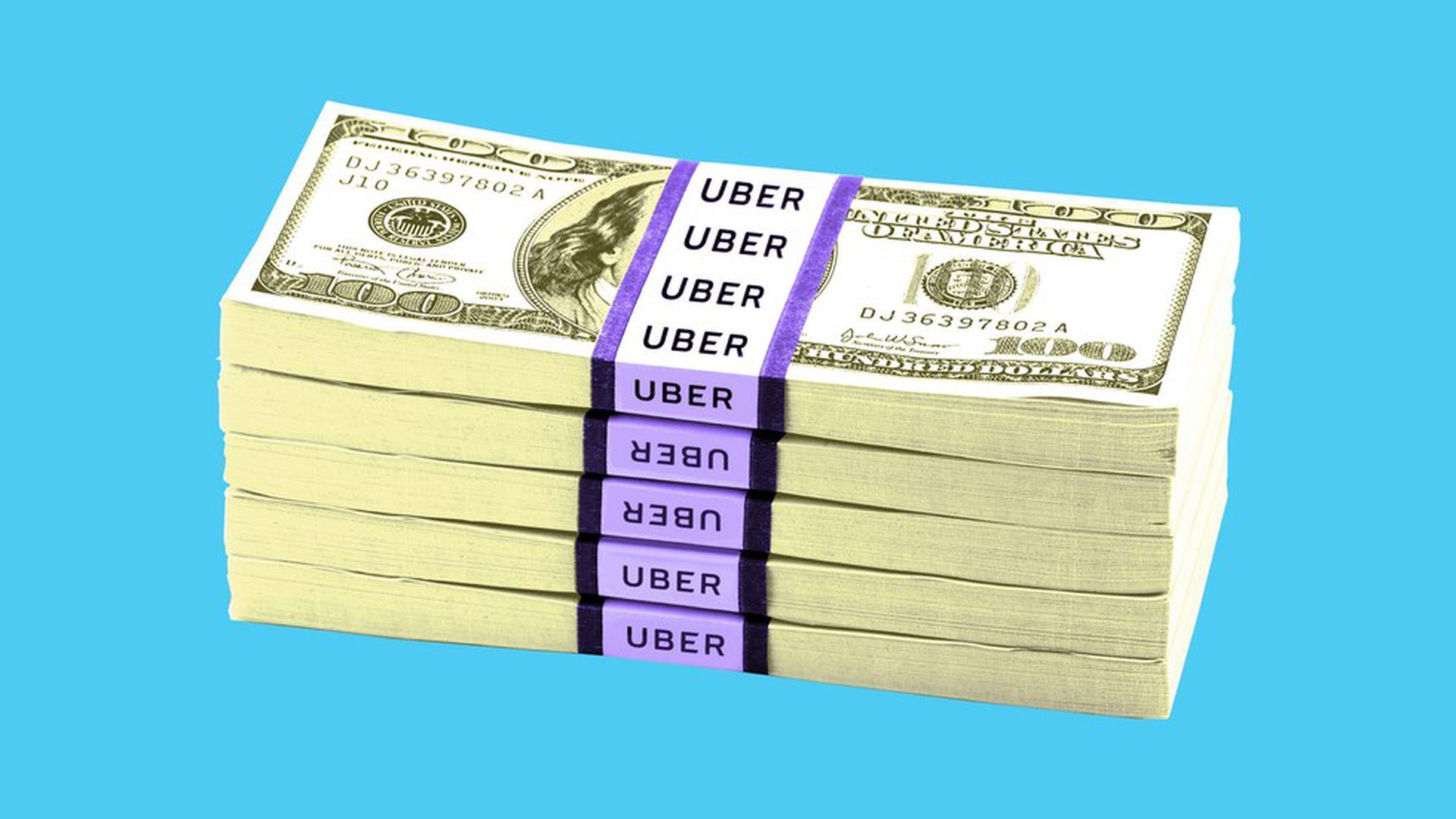
Uber is once again losing money, after turning a first quarter profit thanks to the sales of its Russia and Southeast Asia units.
Why it matters: Uber plans to go public by the end of 2019, but continues to balance its desire for profitability with increased investment in areas like food delivery business, bike-share and self-driving.
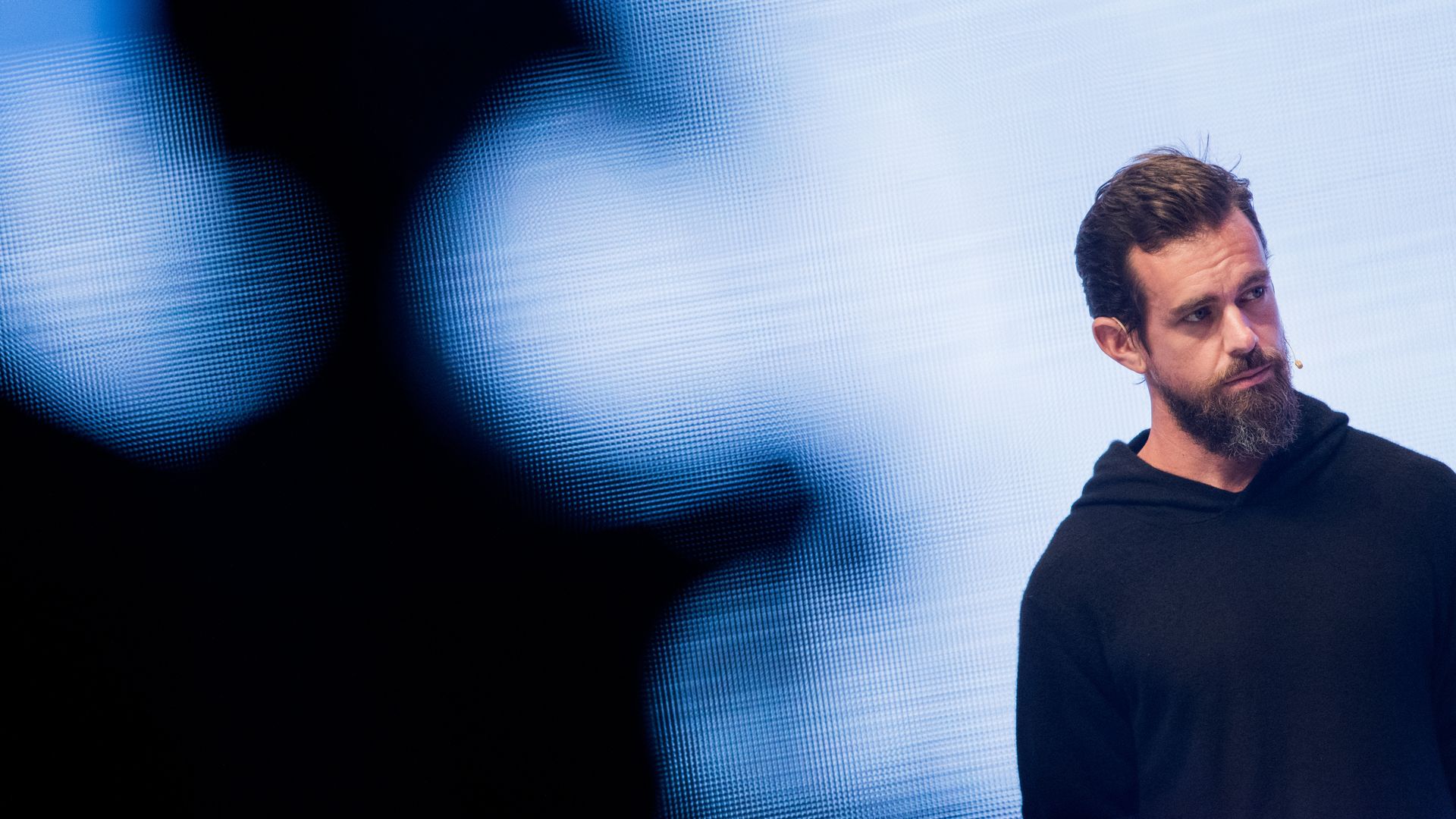
Twitter CEO Jack Dorsey on Wednesday said he didn't know whether the social media platform's 7-day suspension of far-right talk-show host Alex Jones would "impact and change” Jones' behavior.
Why it matters: Twitter’s move came more than a week after companies, including Apple, Facebook and Youtube, banned Jones from their platforms and removed his content. The companies’ actions had intensified mounting debate over the role of tech companies in policing controversial content on their platforms, while upholding the principle of free speech.
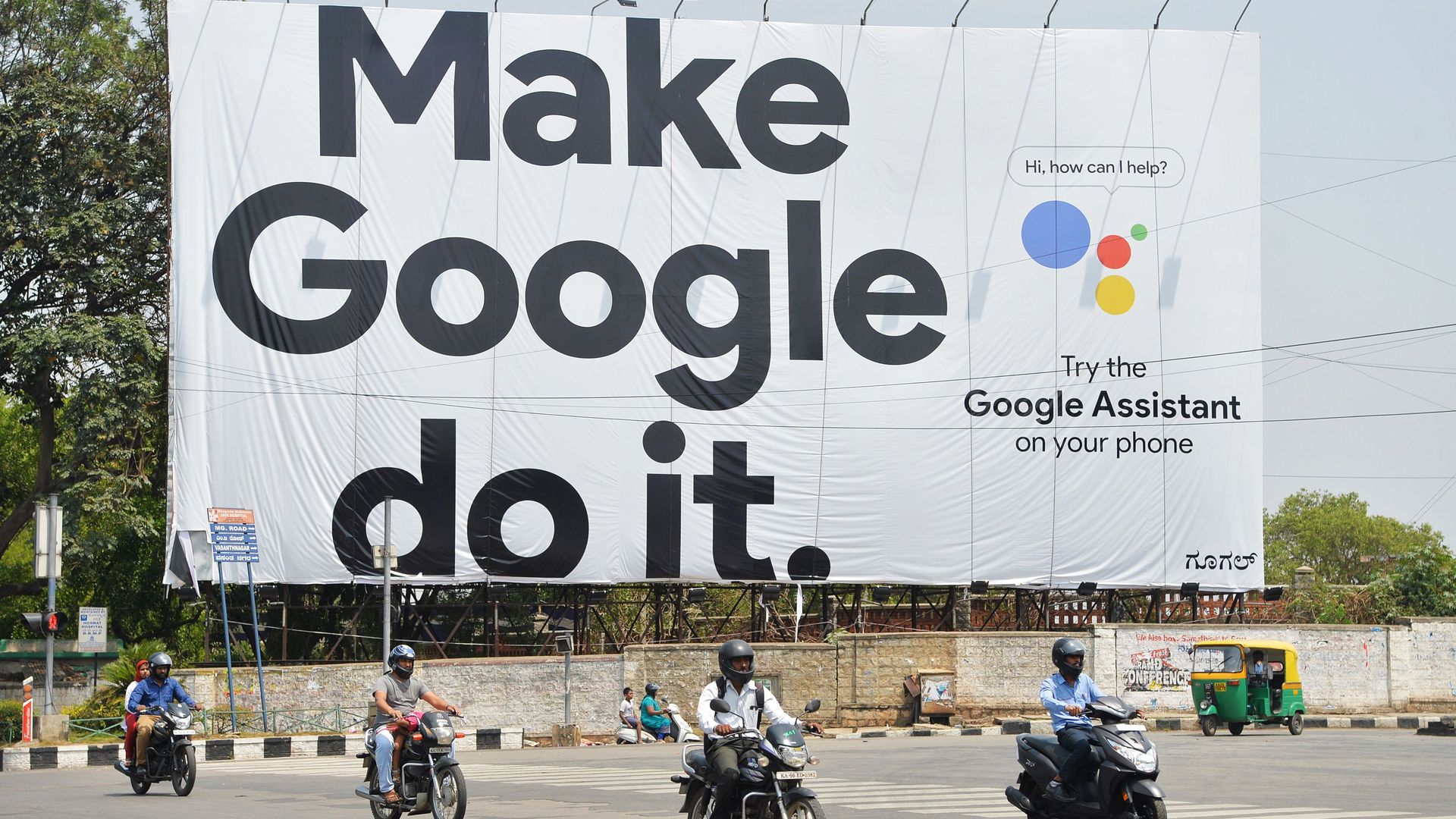
Google is rolling out the online library of U.S. political ads it promised lawmakers last year, along with a report detailing political ad-spending trends across its platforms.
Why it matters: With the midterms approaching, large tech platforms are taking steps to satisfy lawmakers and users who are demanding more transparency after the Russian campaign to disrupt the 2016 election.
Silicon Valley's move-fast-and-break-things model has succeeded, and former FCC Chairman Tom Wheeler says it's Big Tech's responsibility — and opportunity — to work with policymakers to pick up the pieces.
Why it matters: Before his FCC tenure, Wheeler spent years as the top lobbyist for the cable and wireless industries as they made peace with federal rules. He's encouraging Big Tech to follow the same game plan — or else face messier policy regimes set by states and regulators abroad.
Twitter has moved against Infowars host and conspiracy theorist Alex Jones' account, preventing him from posting for 7 days following his removal from Facebook and many other social network platforms, according to CNET.
Why it matters: Twitter was the highest-profile holdout from the wave of companies and platforms that have recently shut down Jones' accounts. As recently as last week it said that Jones could remain on Twitter because he had not violated the site's rules.
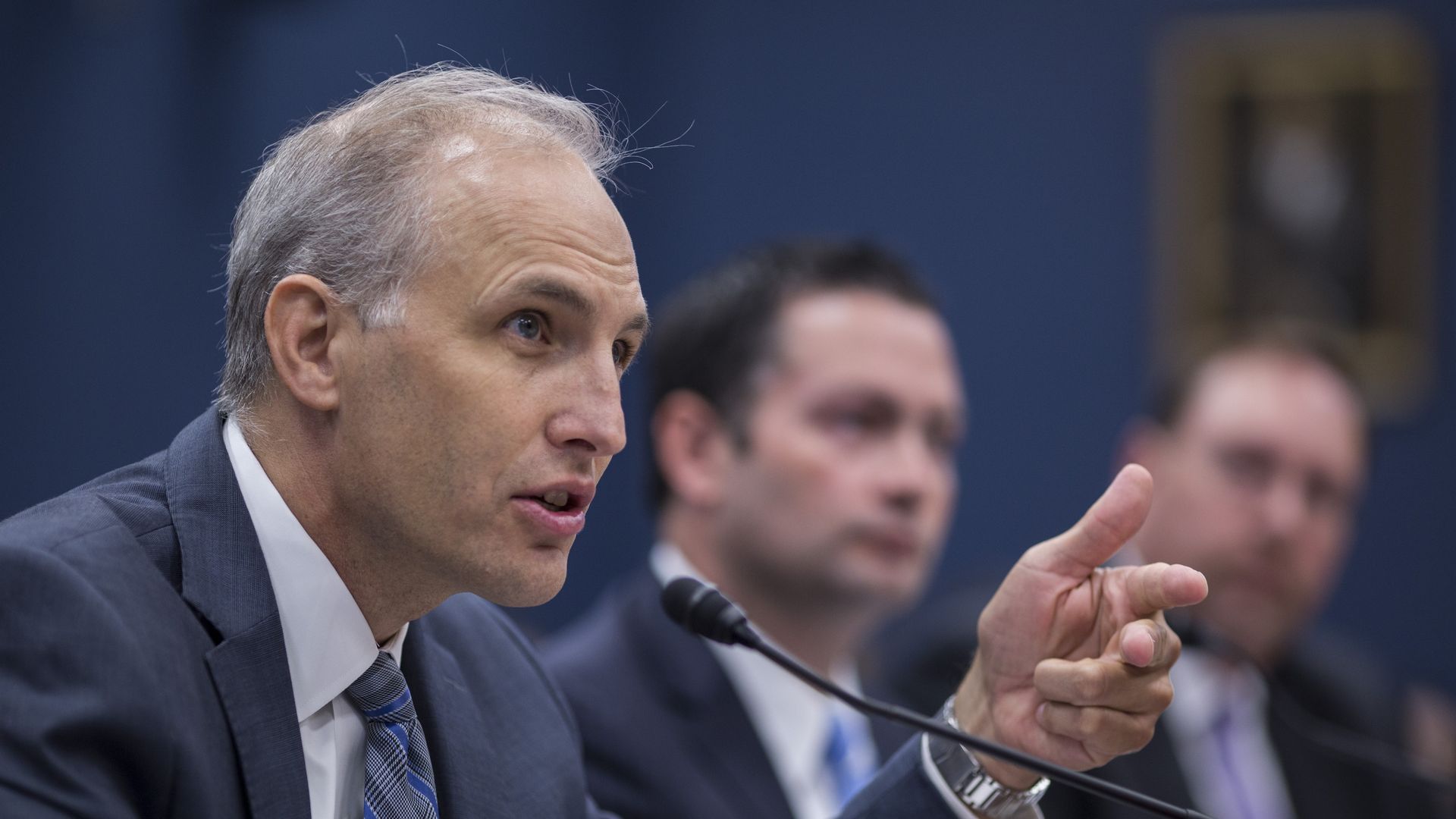
Uber has hired Matt Olsen, former general counsel of the National Security Agency and director of the National Counterterrorism Center, as its new chief security officer, the company told the New York Times and confirmed to Axios.
Why it matters: Olsen will replace Joe Sullivan, who was dismissed in November following the disclosure of a data breach a year prior, which the company kept secret. Olsen will be tasked with repairing the company's image when it comes to security practices.
Exabeam, a security information and event management (SIEM) cybersecurity firm headquartered in San Mateo, California, announced Tuesday it has raised $50 million in Series D funding.
Why it matters: Cybersecurity officers and leadership at companies experiencing cyberattacks, malware incidents, or data breaches need to be able to tell their board what happened — and fast. SIEM tools help that to happen and will only become more necessary for Corporate America as cyberattacks become more and more frequent.
A new forecast from eMarketer predicts that Pandora, the most popular music streaming service in the U.S., will see its U.S. user base decline slightly the next couple of years, while Spotify will see double-digit growth this year and next.
The details: In 2018, Pandora will have 75.9 million users in the U.S., compared with 58.4 million for Spotify, eMarketer estimates. But by 2022, Pandora’s user base will dip to 75.3 million users, while Spotify’s will swell to 76.7 million.
Big Tech is constantly reassuring the public and policymakers that its technology isn't being used to spy on its users.
Why it matters: Trust issues around technology companies persist in America. According to Pew Research Center, relatively few Americans trust major technology companies to consistently do what is right. And more than half (51%) think they should be regulated more than they are currently.
Members of Congress have mentioned major tech companies more than any other type of company over the past decade, according to data compiled by Quorum. Facebook has by far experienced the most mentions, with Google coming in at a distant second.
Adapted from Quorum; Note: Mentions include press releases, floor statements, email newsletters and social media; Chart: Axios Visuals
Why it matters: It's a reflection of lawmakers' recent obsession with technology-related issues that impact most of their constituents — like data privacy, security, smartphone addiction and election integrity.
A group of tech firms including Alphabet, Amazon and Microsoft say they're "jointly committed to removing barriers for the adoption of technologies for healthcare interoperability," CNBC's Christina Farr reports.
Between the lines: Patients often have a hard time accessing their own records, and providers' systems often don't communicate well. Those are widely recognized problems in the health care world, but solutions are few and far between. Don't expect everything to start working seamlessly now. Better tech is part of the answer, or at least it probably can't hurt, but a lot of the problem here lies with providers and broader structural issues, too.