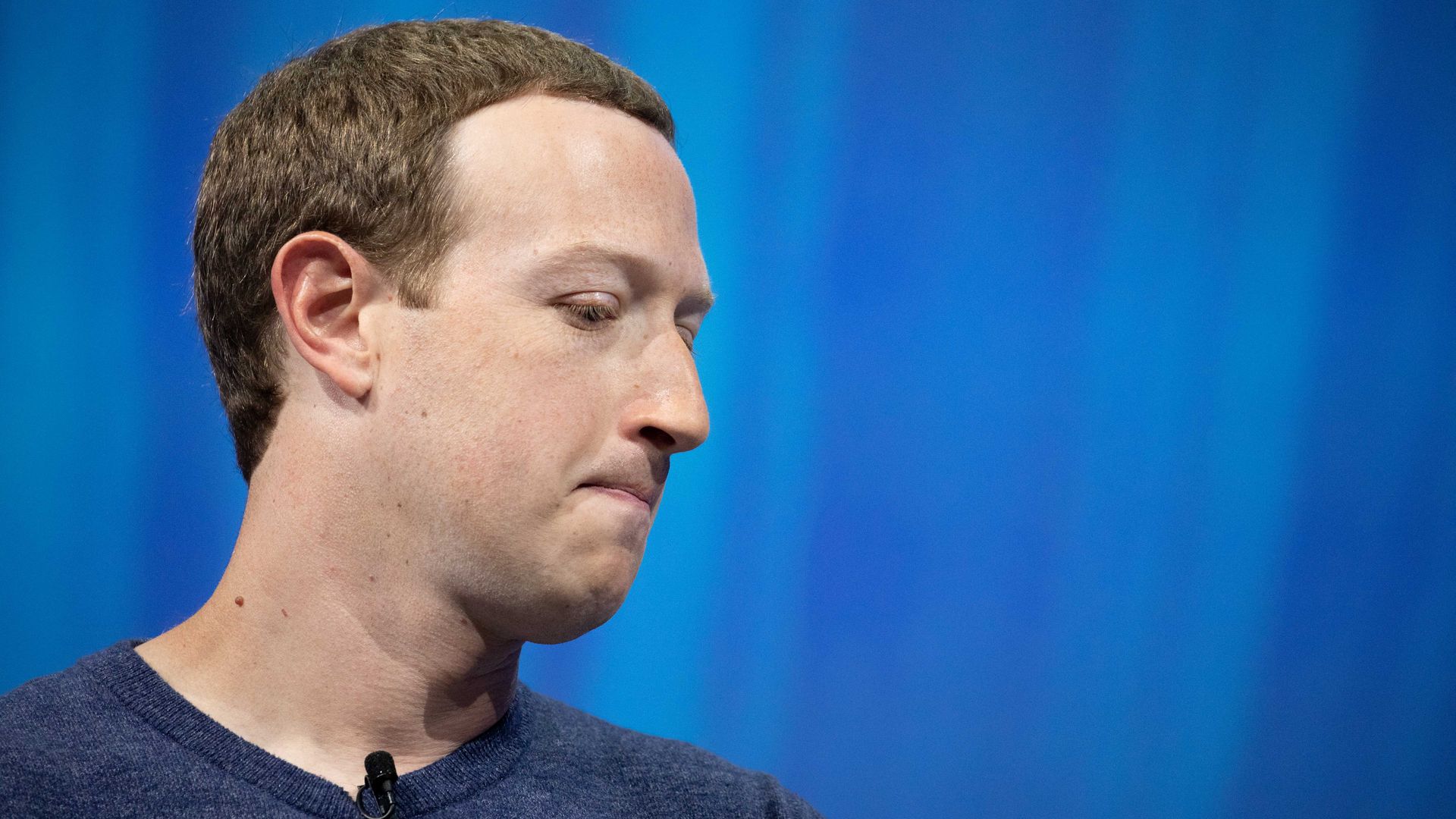
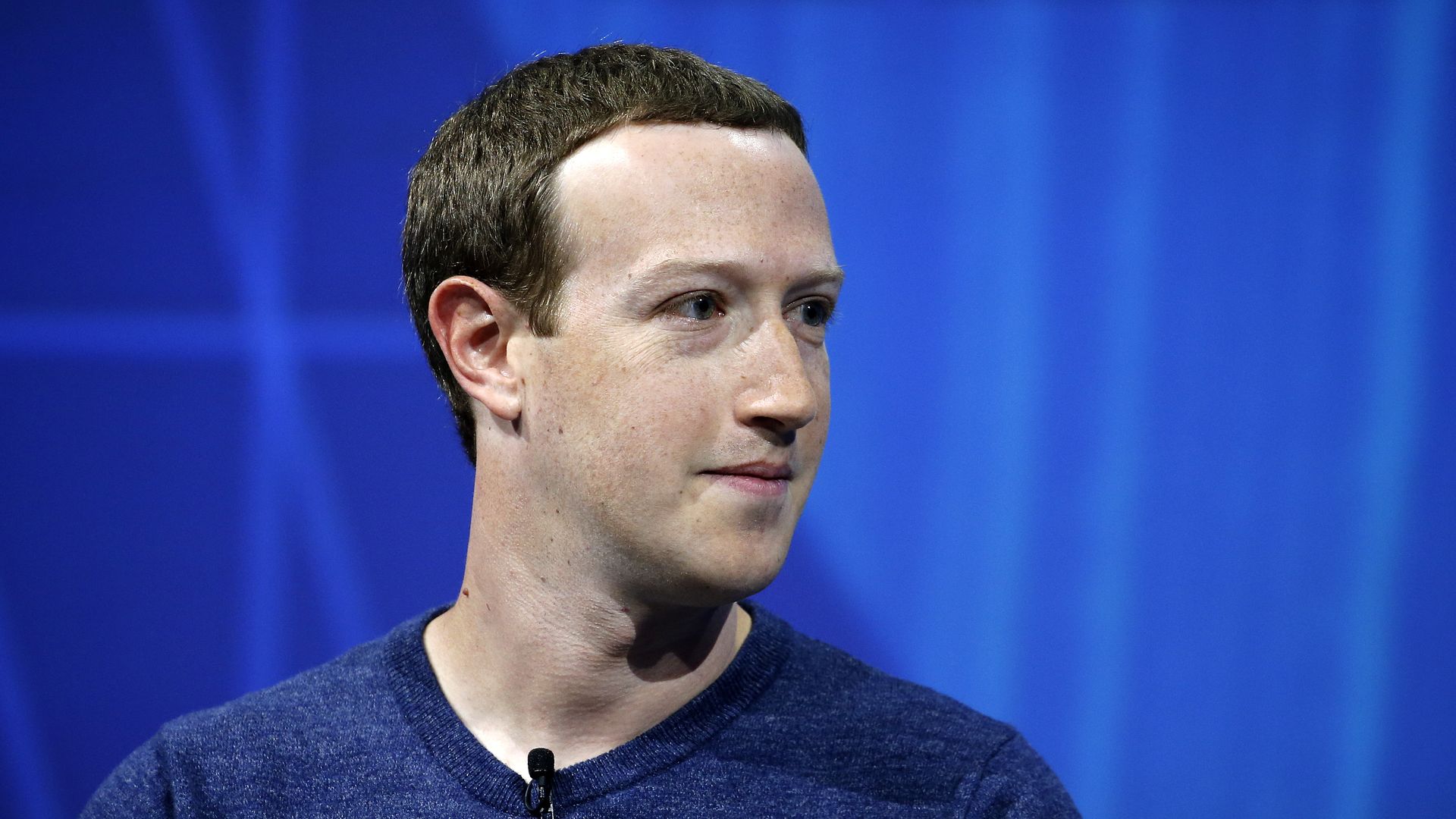
Facebook CEO Mark Zuckerberg clarified his comments on the Holocaust, saying that the Holocaust denial was "deeply offensive" and didn't intend to defend deniers, reports Recode.
The big picture: Zuckerberg took flack after saying Facebook shouldn't decide "what's true" online, including the legitimacy of the Holocaust. He said the goal isn't preventing people from saying untrue information but to stop the spread of fake news and misinformation.
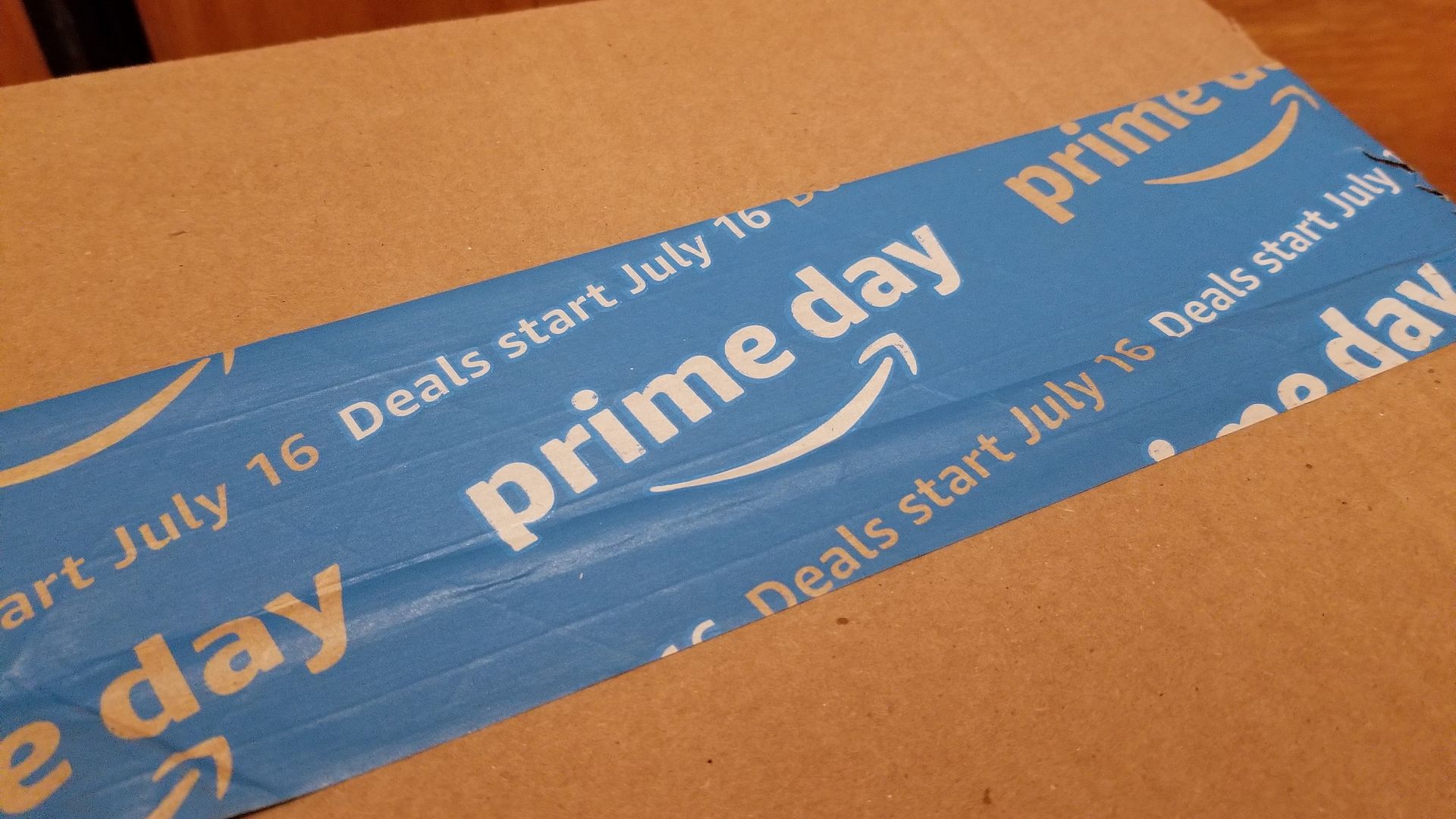
Amazon could have lost anywhere from $72.4 million to $99 million in missed sales during the hour the site was down during Prime Day, analysts are estimating.
Reality check: Though that's a lot of cash, Amazon still sold 100 million items and more than 1 million smart home devices. The company broke several records in the United States and globally during the 36-hour sale, making it the best Prime Day yet.
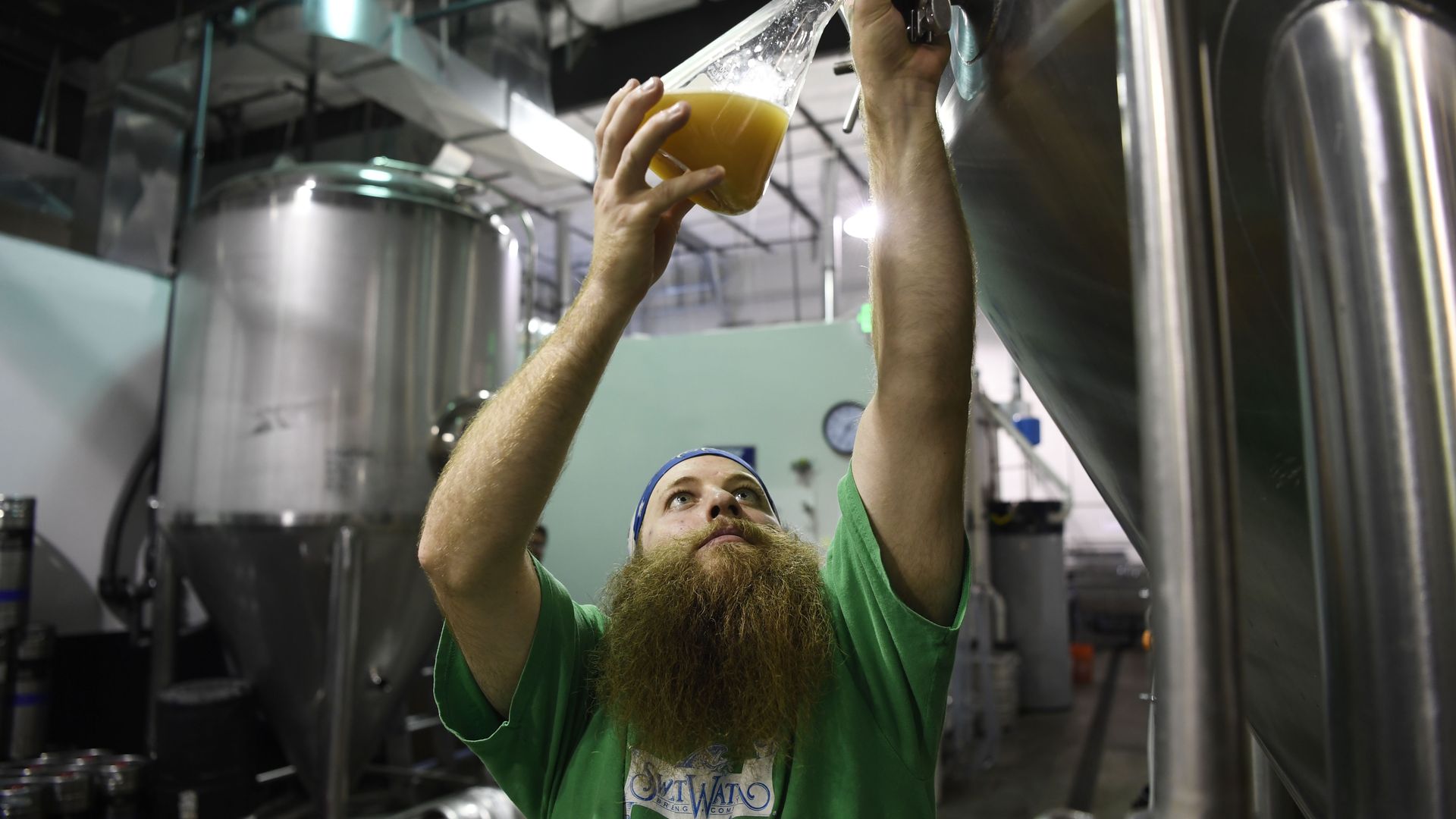
Since we’ve sequenced the human genome and created a tool that can edit it, the logical next step is Carlsberg’s Beer Fingerprinting Project, which uses machine learning to predict a beer’s taste profile — bitter, sweet, toasty, and so on.
The big picture: Brewing is chemistry, and computer-assisted analysis can help fine-tune recipes or processes that can make a lot of money for beer companies. It was only a matter of time before AI snuck into the brewery.
The EU has imposed a record $5 billion fine on Google for its Android business practices — but the biggest impact is likely to come with new rules for how the company does business.
At issue: Historically, Google has required Android device makers that offer its Google Play app store to pre-install Google’s own applications. That’s the biggest of a variety of practices the EU says Google uses to maintain its dominance.
Recode’s Kara Swisher hosted a 90-minute interview with Facebook founder and CEO Mark Zuckerberg Wednesday that revealed a debate on Zuckerberg's views of what content should stay — and what should go — on the social network.
The big picture: Getting the most pushback from the interview is Zuckerberg's opinion that Facebook doesn't necessarily have the responsibility to remove false information.
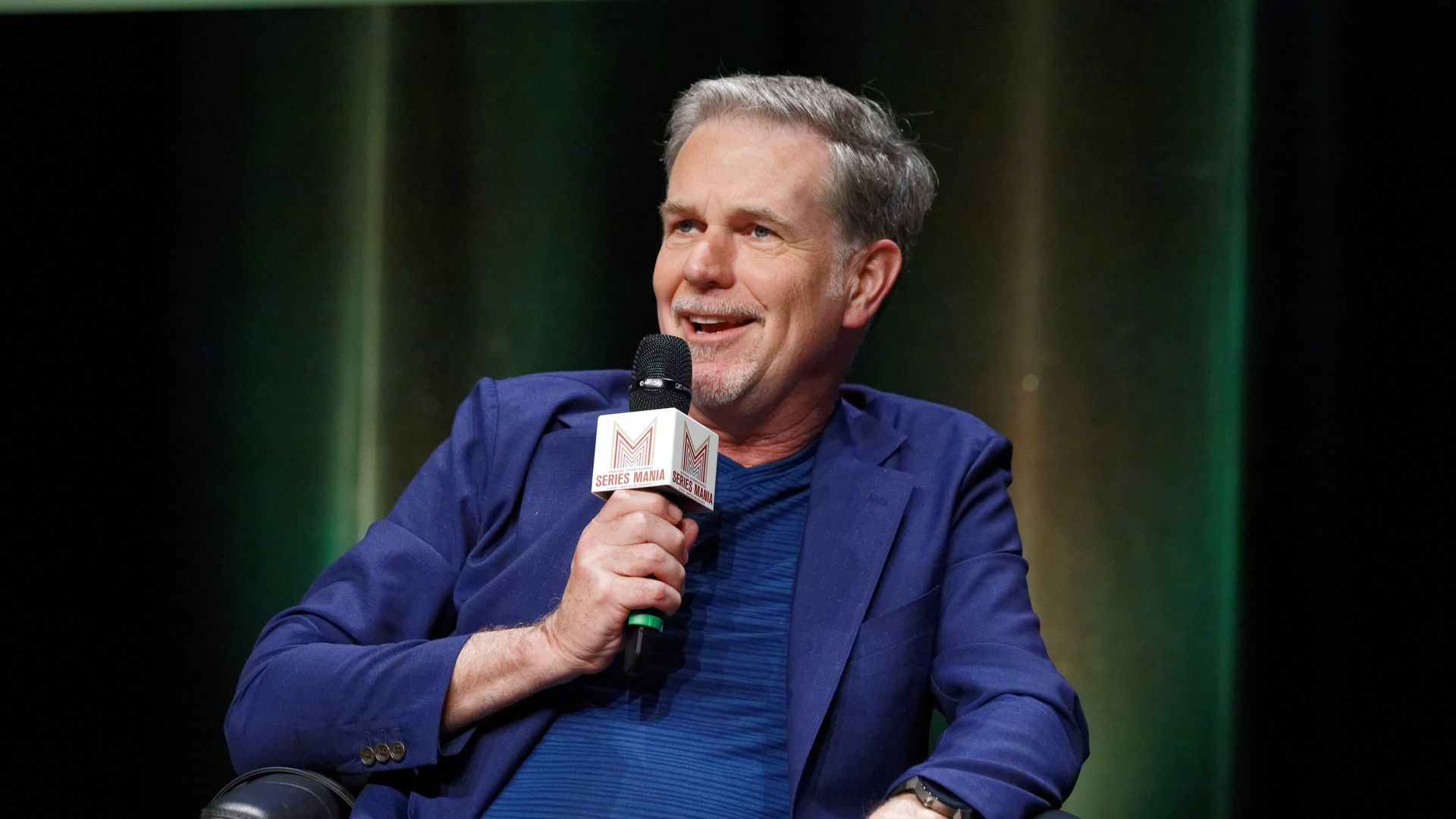
Netflix CEO Reed Hastings is working on a behind-the-scenes book about the company's success, CNN's Dylan Byers reports. It will publish sometime next year.
In just four years, Amazon's invented Prime Day has become an event with as much clout as Black Friday and Cyber Monday, analysts report. And while this year got off to a rough start, the event, which ended at 3 a.m. ET Wednesday, was in many ways the biggest one yet.
Why it matters: Amazon uses the event not just to boost sales and reward existing customers, but also to sign up new Prime customers.
Murderous mobs have killed multiple innocent people in India after they were misled by fake news on WhatsApp, reports the New York Times.
The big picture: WhatsApp has 250 million users in India, many of whom live in rural areas and are new to technology. Those rural users are often susceptible to being fooled by false or fear-mongering information that's quickly forwarded or shared to large groups on WhatsApp.
The European Union hit Google with a massive $5 billion antitrust fine Wednesday for abusing the dominance of Android.
Why it matters: It's the biggest EU antitrust fine targeting Google in history. The size of the fine is meant to curb Google's dominance over mobile phones, one of its biggest areas of growth.
Health insurance companies are paying for reams of personal data about us, their customers — where we live, whether we pay our bills on time, even our social media posts and online shopping habits. Which is, undeniably, kind of scary.
Driving the news: ProPublica had a very thorough story yesterday on what insurers are collecting, how they're collecting it, and what they're doing with it. But some of the responses to that story were missing a few pieces, so I think it's worth a closer look.
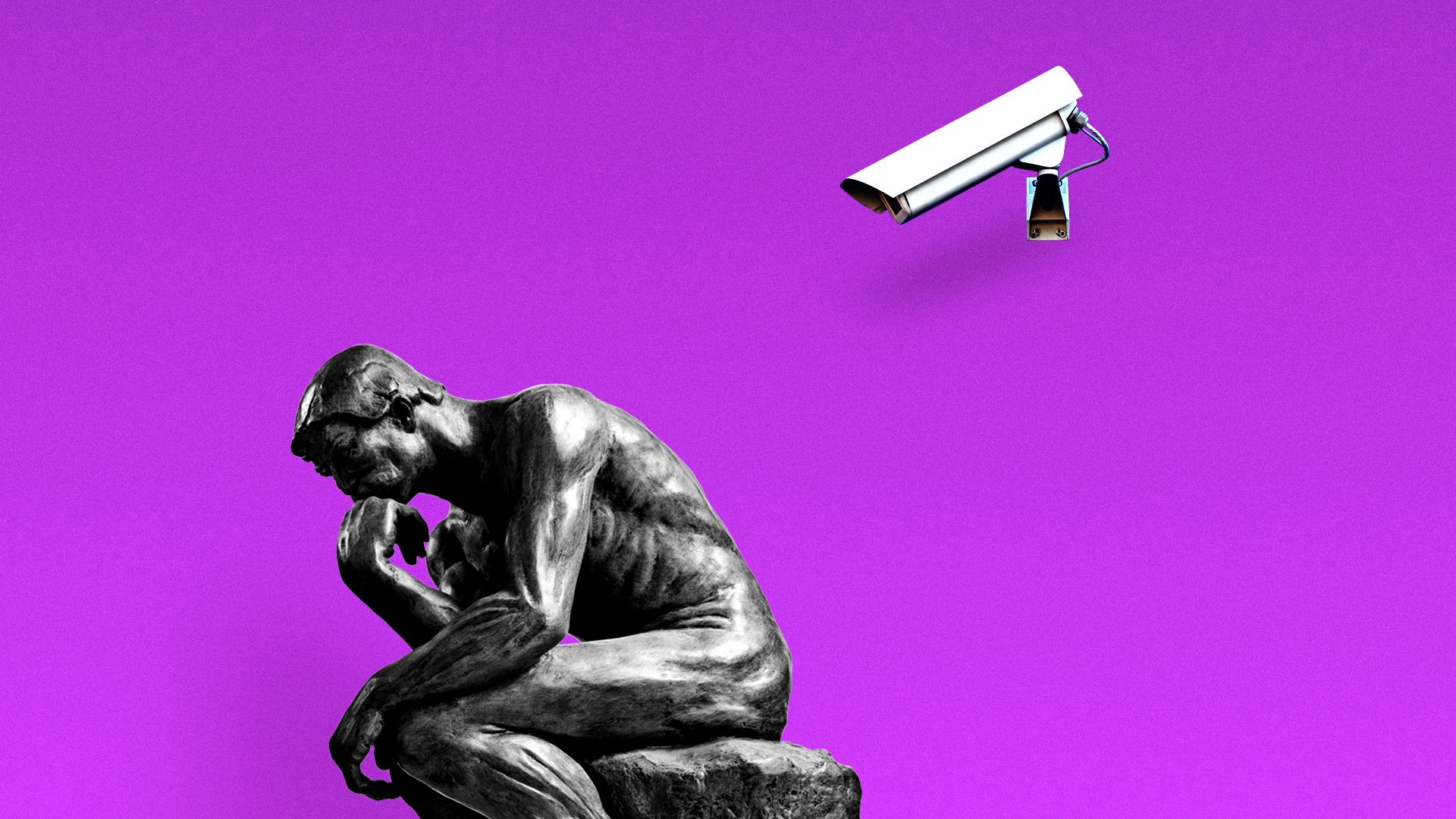
For six decades, generation after generation has wondered whether George Orwell's nightmare vision has finally arrived — of an all-powerful, omnipresent state bureaucratizing truth and turning people into languid automatons.
The big picture: China has become a surveillance state, similar technology is available in the West, and leading thinkers say the artificial intelligence behind it is reshaping geopolitics, igniting nationalism, and changing human behavior.