In its quest to help drivers make more money on the job, Uber has inked a deal with Cargo, a startup that provides ride-hailing drivers with boxes of snacks and items passengers can purchase.
The bottom line: Earnings are drivers' top priority, so it's in Uber's best interest to help them earn more. In turn, this can motivate drivers to work more hours, which benefits Uber (and it doesn't have to fund these incentives itself).
A law passed by Egypt's parliament this week means that anyone with more than 5,000 social media followers will be treated like a media company under the country’s strict media laws, which make it a crime to engage in vaguely defined bad behavior, like inciting law-breaking or publishing false information.
Why it matters: What the Egyptian government portrays as a strike against fake news, critics see a further muzzling of speech in a country that routinely jails journalists and scores near the bottom of global press freedom rankings. And there’s a broader trend at work here: governments around the world are attempting to control the flow of subversive information (however they define it) through their societies.
Shoppers spent an estimated $4.2 billion during this week's Amazon Prime Day sale, Bloomberg reports.
Why it matters: Amazon keeps breaking Prime Day records from previous years. While the tech giant has not released any revenue details from the 36-hour sale, Wedbush Securities analyst Michael Pachter calculated the figure based on the information from its press release.
When most venture capitalists want approval to make a new investment, they go to their partners. When venture capitalists at GV do it, they go to something called "The Machine."
What we're hearing: Axios has learned that the firm, formerly known as Google Ventures, for years has used an algorithm that effectively permits or prohibits both new and follow-on investments.
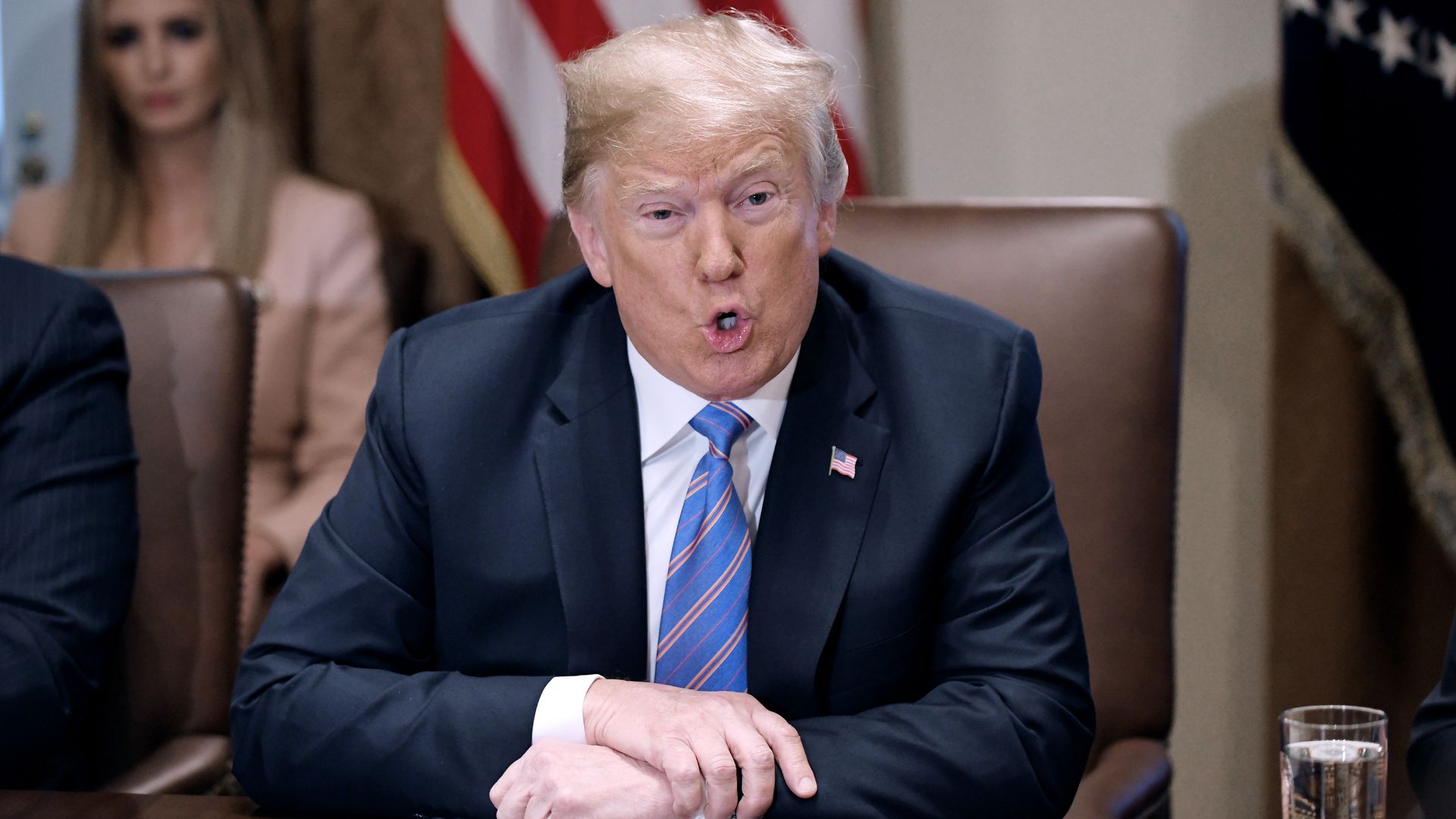
President Trump defended Google — "one of our great companies" — after the European Union hammered the search giant with a $5 billion fine for abusing the dominance of its mobile operating system, Android.
Why it matters: Silicon Valley has not been a friend of Trump's. Google execs have spoken out about his administration's policies and its employee base is largely liberal. But for all the speculation that the Trump administration has contempt for Big Tech — especially Amazon — he appears to dislike the EU's actions aggressive actions even more.
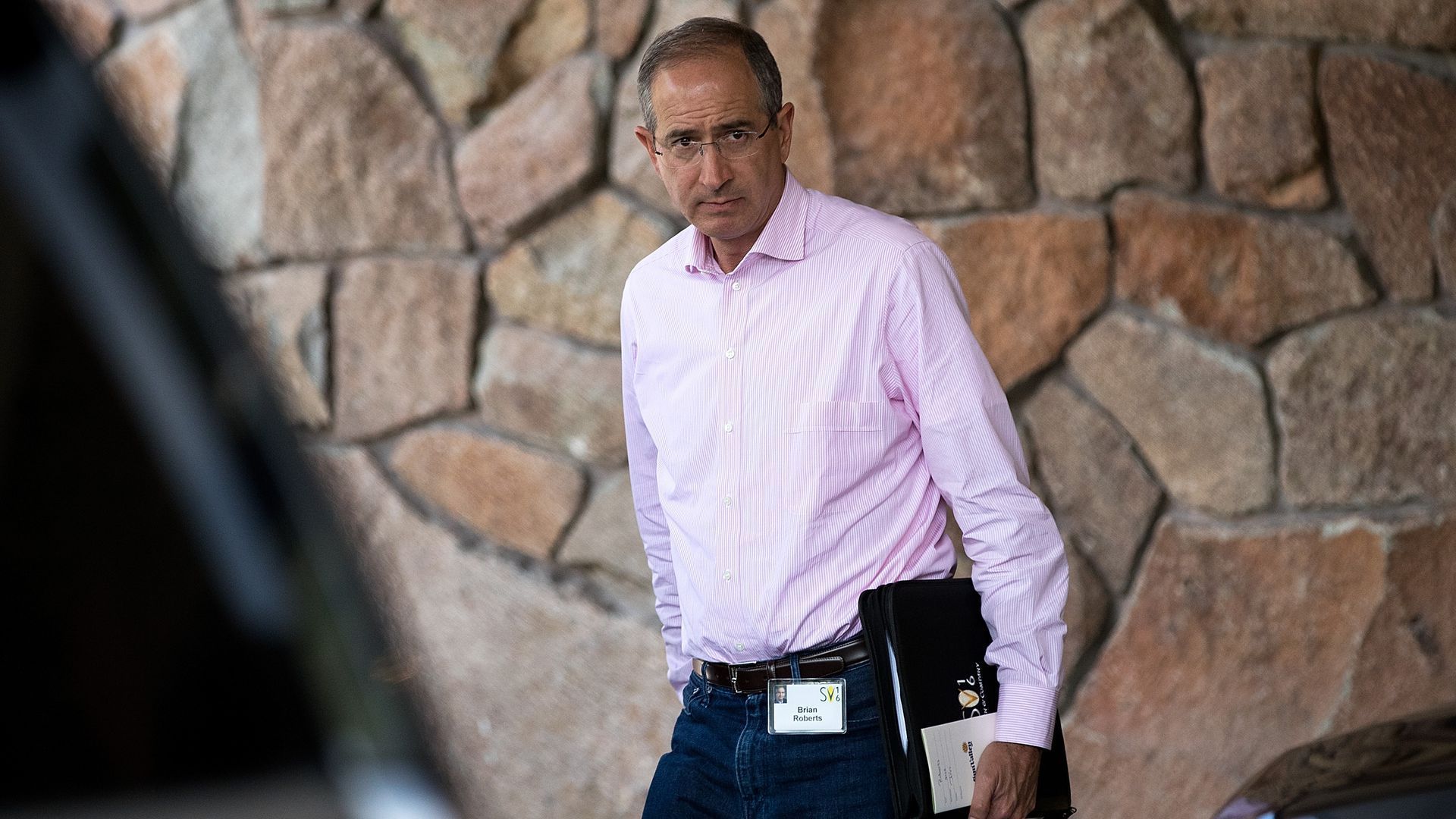
Comcast announced Thursday that it does not intend to further pursue the acquisition of the Twenty-First Century Fox's entertainment assets — choosing instead to focus on beating Fox to acquire Sky Broadcasting in Europe.
Why it matters: Comcast has been batting Disney in a fierce bidding war over Fox's entertainment assets, like its movie studio and cable channels National Geographic and FX, for months. In withdrawing from the battle, it nearly guarantees that Disney will acquire most of Fox, barring any regulatory concerns.
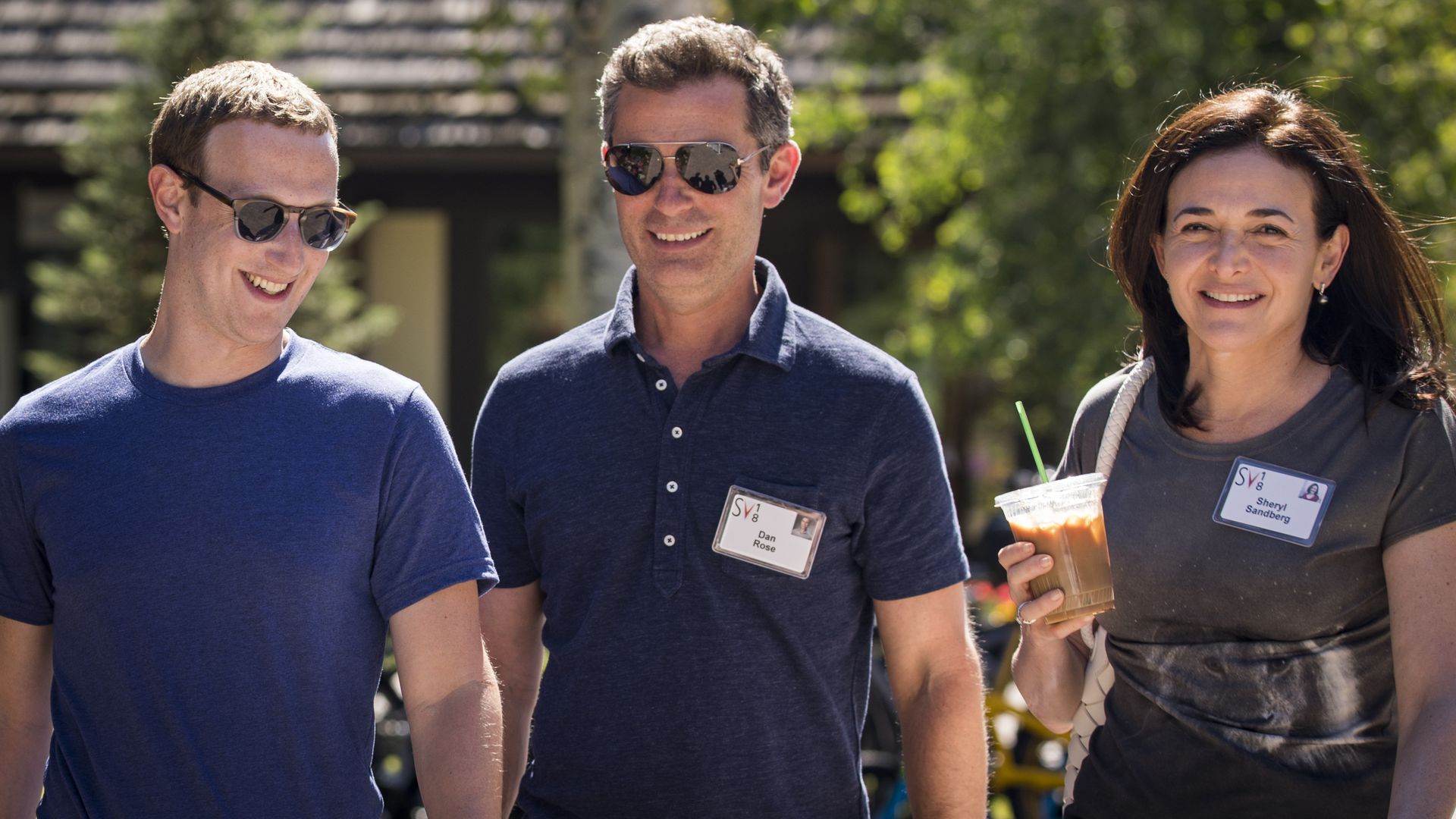
Mark Zuckerberg's willingness to allow Holocaust deniers to post on Facebook has reignited a consequential debate over where tech companies should draw the line on free speech.
What happened: Zuckerberg faced instant backlash yesterday after saying in a podcast interview with Recode's Kara Swisher that the company would not take down a post denying the Holocaust because of the possibility that the user did not intentionally get the facts about the event wrong.
Facebook told the New York Times on Wednesday that it will soon begin extracting misinformation circulating on the social media platform that is inciting existing tensions into physical violence globally.
The details: Facebook has been under scrutiny for being used to propagate false information and hateful rhetoric which can lead to deadly violence in countries like India, Sri Lanka and Myanmar. The company has already been working with local civil groups to identify false information for removal. However, other social platforms Facebook owns such as Instagram and WhatsApp, won't adopt the policy, even though they are also being used to circulate false news, the Times notes.