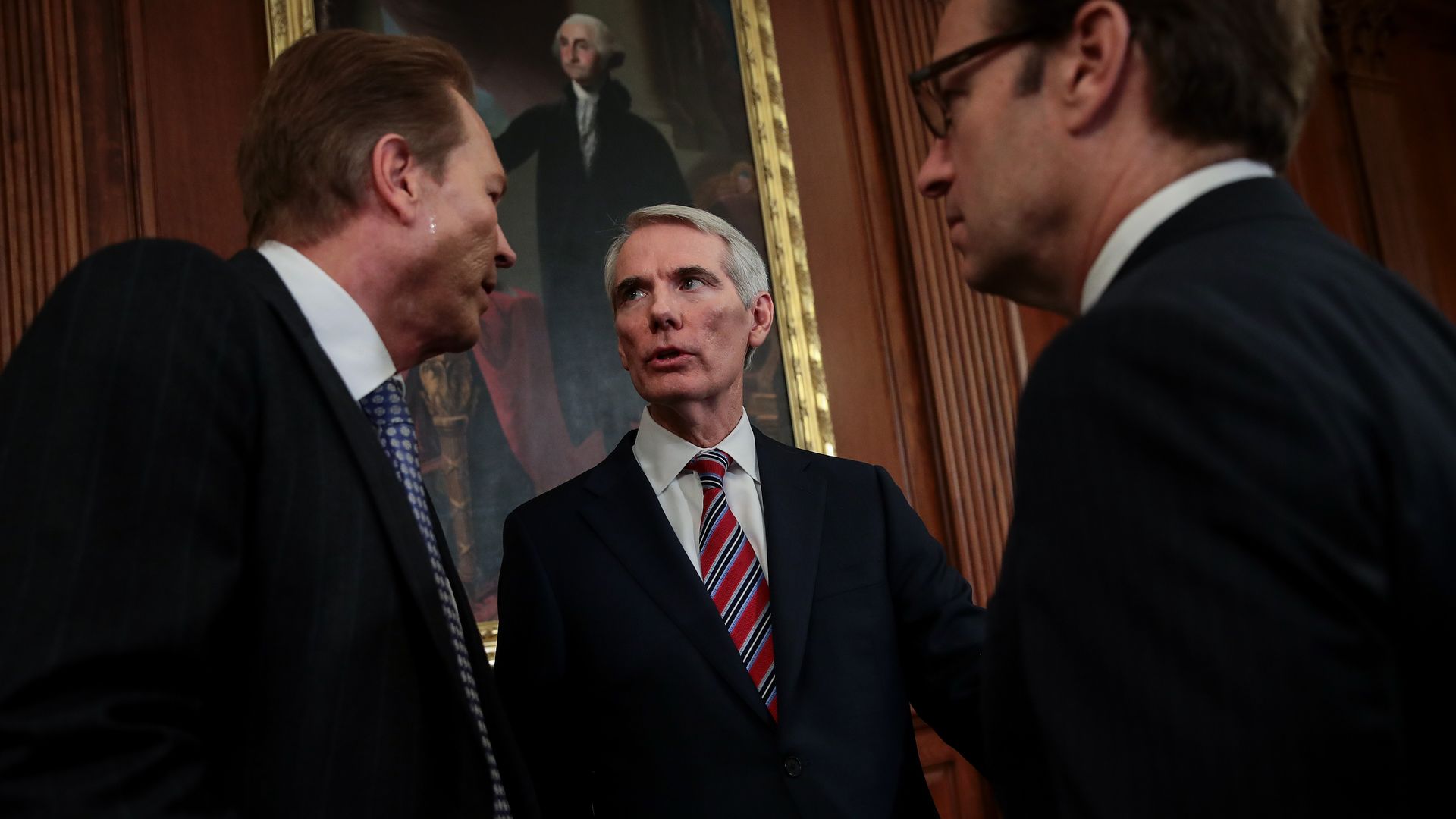
The House passed legislation Tuesday that allows victims of sex trafficking to sue websites that facilitated the crimes against them by knowingly hosting illicit ads.
The final version of the legislative package passed overwhelmingly, although more than 100 lawmakers voted against adding language from the Senate that particularly rankled internet companies.
Why it matters: The passage of the bill is a victory for victims and their families who say they’re unable to seek justice against websites that facilitate trafficking. But it also weakens the historically ironclad legal protections for online platforms, like YouTube and Facebook, that host user generated content.
What’s next?: The bill still requires a vote in the Senate.
Facebook is pushing back on a claim that was quoted by Hillary Clinton on Twitter that her presidential campaign was systematically charged more than twice that of the Trump's presidential campaign for advertising rates on Facebook. The company supplied data Tuesday showing that during the general election period, the Trump campaign paid slightly higher rates on most days rather than lower as has been reported.
Why it matters: Advertising prices for programmatic advertising (advertising that is sold through a pricing auction automatically) depend on a campaign's objectives, like targeting, audience size and type of ad used. The Trump campaign and the Clinton campaign clearly used different advertising tactics on Facebook's platform, resulting in different average rates.
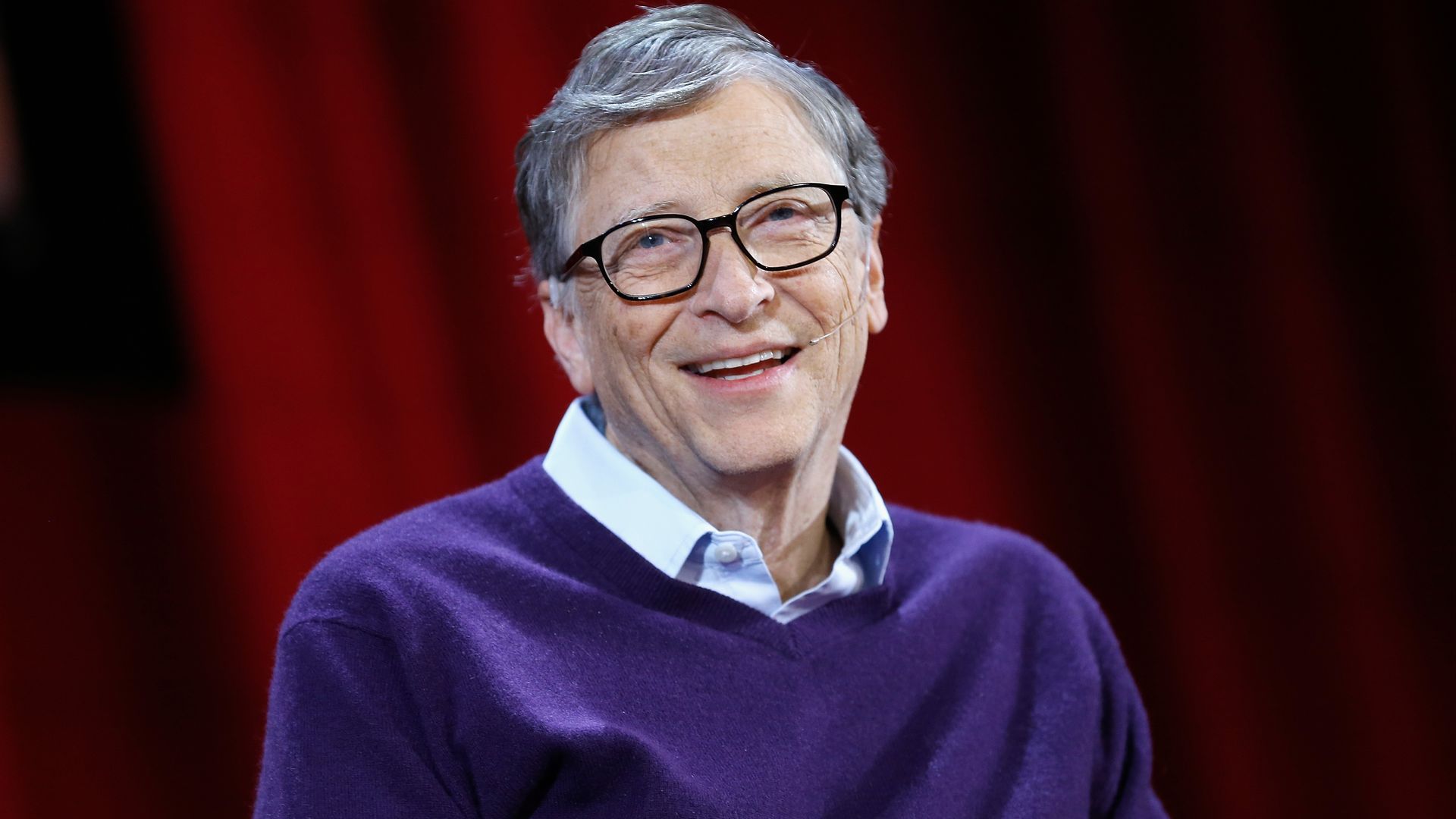
Bill Gates sees cryptocurrency's main appeal as anonymity, which he doesn't see as a positive. Speaking in a Reddit "Ask Me Anything" session, Gates said it allows people to buy drugs and hurts the government's ability to collect taxes and crack down on terrorism.
Why it matters: Gates' frequent AMA chats let ordinary people ask questions and also let the Microsoft co-founder weigh in on topics ranging from global affairs to the mundane.
Experts at the NewCo Shift Forum in San Francisco are cautioning against over-regulation of social media platforms, arguing that social pressure can be more effective.
Why it matters: The public and government are deeply worried about these services' power, though it's unclear whether—and especially how—lawmakers will try to control them.
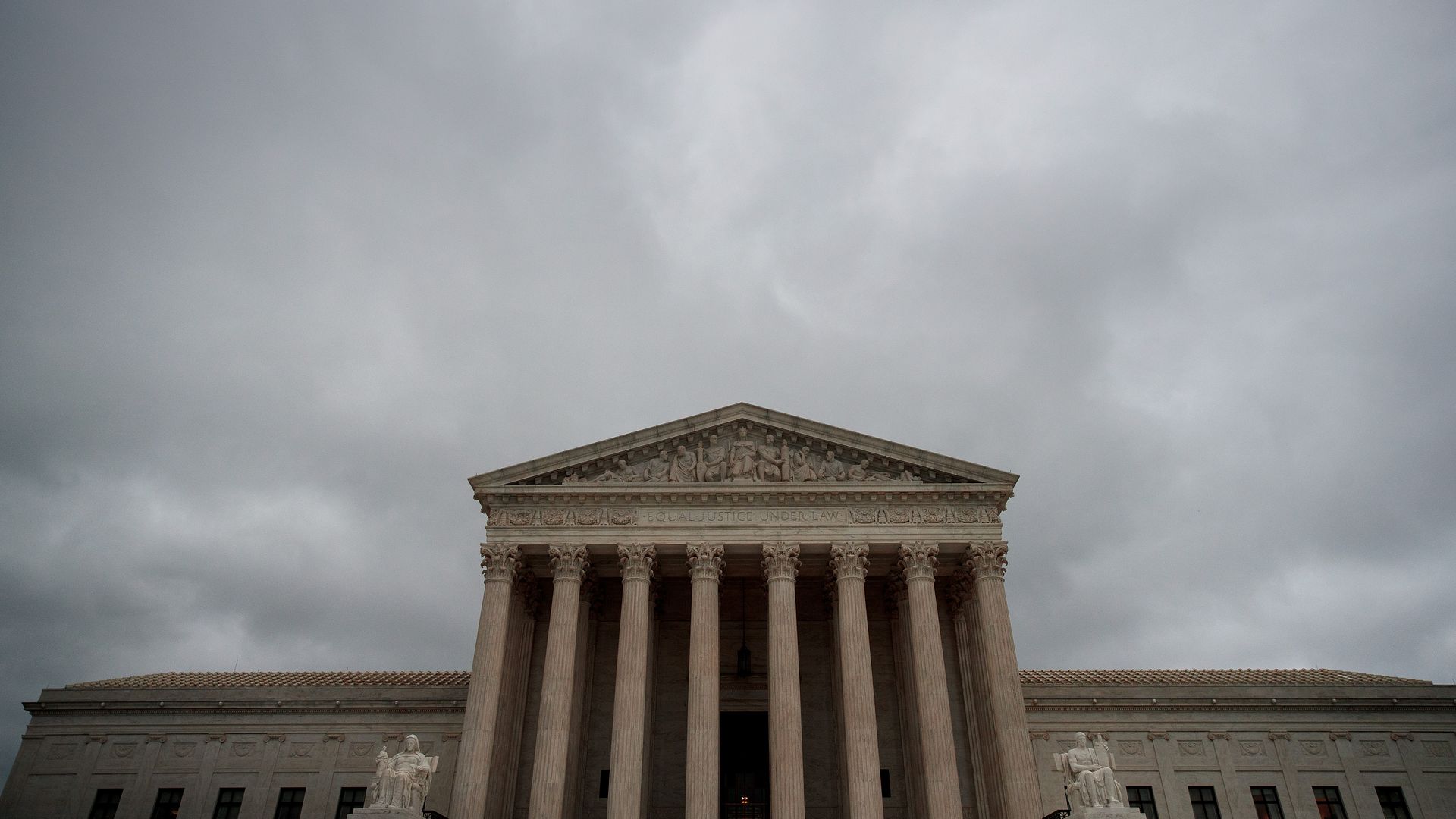
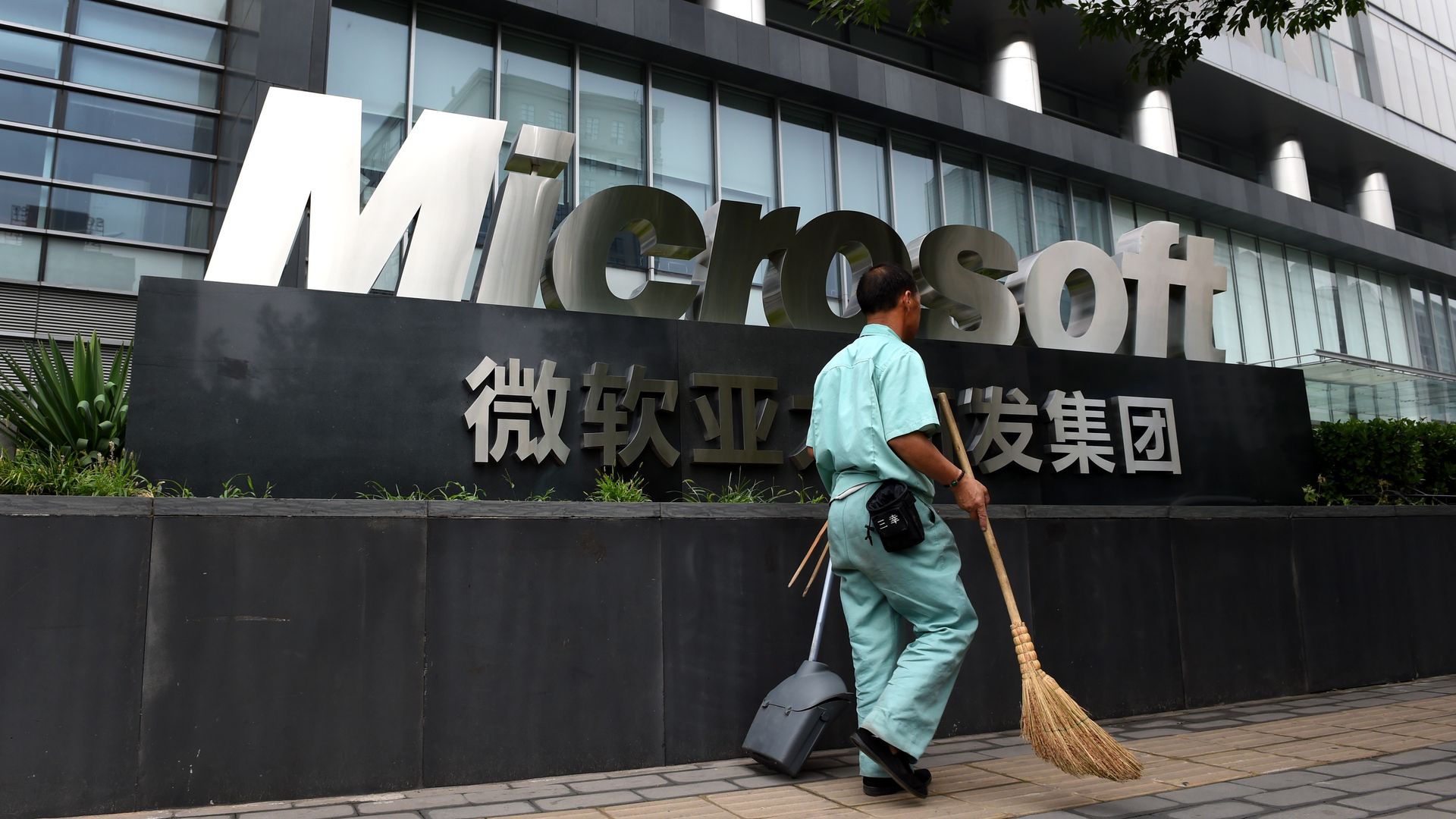
The Supreme Court does not seem convinced that storing emails on an overseas server should put them outside the relatively easy reach of American law enforcement. That’s not a great sign for Microsoft — and, by extension, the tech industry as a whole — which squared off against the Justice Department today at the high court.
The issue: Federal law spells out a process for law enforcement to search a suspect’s email account. But that law isn’t entirely clear, and it was written long before the rise of cloud computing. United States v. Microsoft is about law enforcement’s ability to access emails that are stored outside the U.S. — in this case, on a server in Ireland.
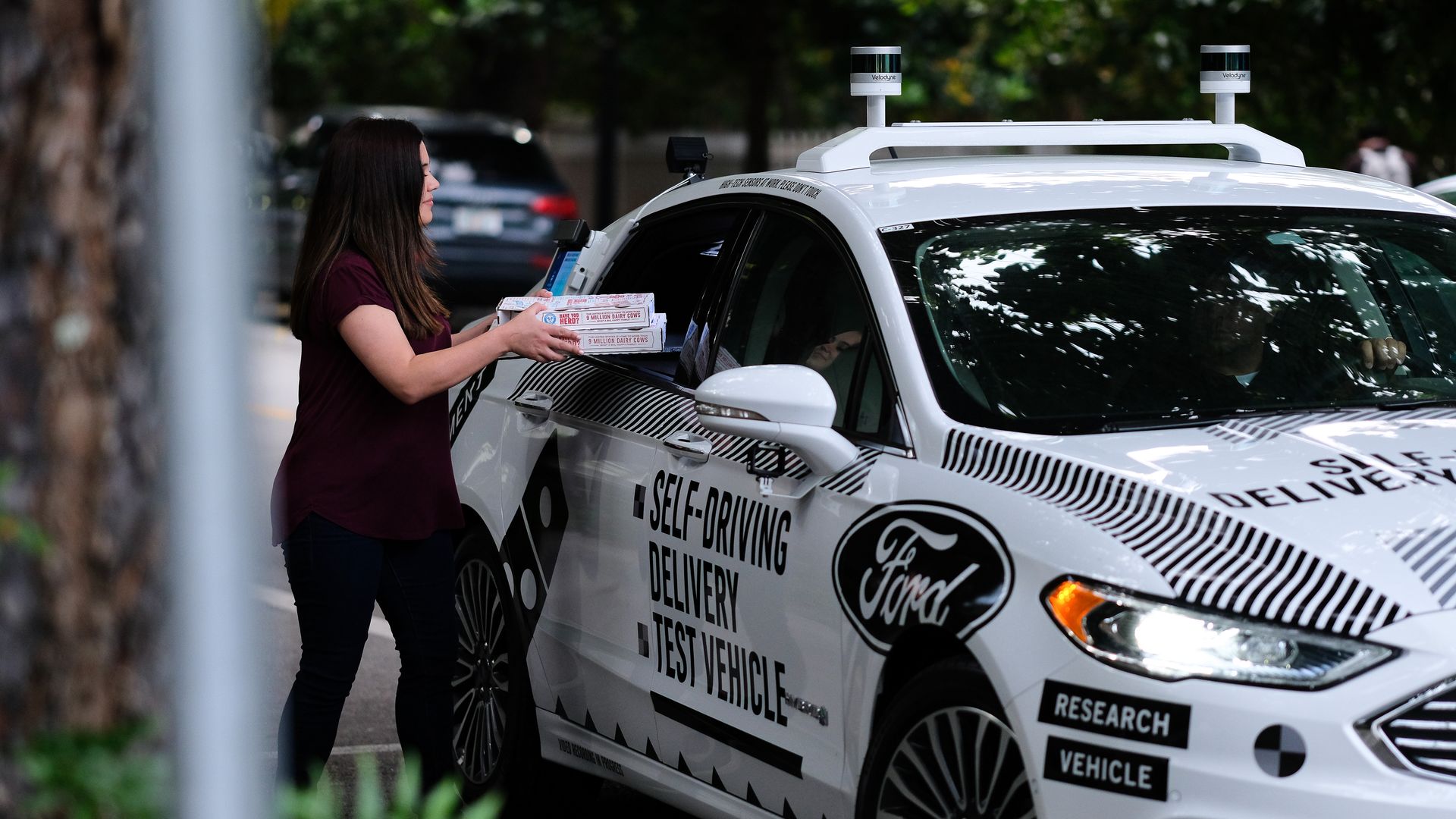
Ford is beginning to test self-driving cars in Miami with business partners like Domino's, Postmates, and Lyft — and is developing a brand new autonomous vehicle slated for 2021, the company said on Tuesday.
The big picture: Ford has some catching up to do to rival automaker General Motors and Waymo, which have been testing their self-driving cars for a while. The company is also taking an unusual approach by immediately teaming up with other services to begin studying how customers interact with the cars.
There have been increased calls on regulators to look into the dominance of Facebook and Google. Most notably, CNN boss Jeff Zucker said yesterday that it's "where the government should be looking." George Soros made the same plea two weeks ago.
Why it matters: While calls to regulate these companies in the U.S. seem newer, in Europe, competition regulators have been fiercely monitoring the regulation of American tech giants for years.
Facebook Journalism Project will announce today the launch of its Local News Subscriptions Accelerator, a $3 million, three-month pilot program in the U.S. to help metro newspapers beef up their digital subscription efforts.
Why it matters: There's a newfound focus on subscription revenue within the media industry, as advertising dollars become harder to rely on due to Google and Facebook's dominance in that space. The pilot program is designed to help publishers learn about what works to drive people to subscribe to local outlets.
In this episode of Smarter Faster: Transformation, a new series that shows how workforces are being trained to land the jobs of tomorrow, we explore how a robotic system developed at Gallaudet University is helping infants who lack adequate language stimulation, such as deaf babies, learn language.
Hillary Clinton addressed the heightened potential for foreign manipulation of elections via social media platforms ahead of the 2018 midterm elections in a tweet last night:
The newspaper industry is working with Facebook to launch a new project to help local newspapers beef up their digital subscription efforts, Axios has learned. But that doesn't mean they've made peace.
In fact, the News Media Alliance — a newspaper trade group that's working with Facebook on the subscription project — is simultaneously launching a political action committee to help reward members of Congress for elevating their goals, including an antitrust safe harbor to better compete against Facebook and Google for audience and ad dollars.
Microsoft appears before the Supreme Court today on a case addressing whether law enforcement can demand data that's stored in a foreign server but accessible from the U.S., or if it needs the foreign nation to demand it for them. The decision could put American companies in jeopardy, argues Microsoft president and chief legal officer Brad Smith.
The bottom line: "If customers around the world believe that the U.S. Government has the power to unilaterally reach into data centers operated by American companies, without reference or notification to their own government, they won’t trust this technology," Smith writes in a blog post published Tuesday morning.
Former Bolivian president Jorge Fernando Quiroga had a warning Monday for U.S. legislators rushing to regulate the big social media companies:
"If you can regulate it in the U.S, you can regulate it anywhere... Whatever happens here can be applied and interpreted in very pernicious ways. Think of us [other countries] when you’re making rules here."
— Jorge Fernando Quiroga, speaking at the NewCo Shift Forum in San Francisco
Why it matters: Political activists have long used social media, which has been especially helpful in regimes where the media is controlled by the state. However, overly zealous regulation in the U.S. in response to the Russian meddling could give a green light to authoritarian regimes to clamp down on social media within their own borders
Just weeks after it was rumored to have placed a higher bid for Fox's entertainment assets than Disney, American cable giant Comcast announced that it is placing a $31 cash billion bid for a majority stake (over 50%) in Europe's Sky News, topping 21st Century Fox's $15 billion bid for an additional 61% of the network that it doesn’t already own.
Why it matters: Fox has been pursuing a majority stake in Sky for months, but has been facing regulatory hurdles around the deal. British authorities were supposed to give Fox a final decision this spring, but Comcast's bid could change the deal outlook for the network, which is simultaneously hoping to complete a $52 billion merger with Disney in the United States.
California regulators have approved new rules that will allow the testing of fully driverless cars on state roads as soon as April, according to the DMV.
The big picture: So far, autonomous cars have been required to have a safety drivers, so companies have had to test fully driverless cars on private tracks (as Waymo does). This is a step toward eventually having commercial fleets without safety drivers on California roads.