Between the lines: The media (including Axios) spilled a lot of ink over Uber's scandals and inside drama, but drivers don't seem to care. Instead, Uber's "180 Days of Change" — the addition of tipping and its decision not to cut fares in January as it had in previous years — likely had a bigger effect on drivers.
The Department of Transportation under President Trump has decided to indefinitely delay or withdraw at least 12 regulations designed to increase safety, per an AP report. The moves come as the Trump administration decided to make a significant push toward deregulation — with Trump often touting those cuts as one of the primary examples of his first year in office.
Why it matters: The stalled regulations are often to the benefit of transportation industries — as they don't have to enact costly safety additions — and the AP's report highlights political appointees in Trump's DOT with strong industry backgrounds.
The entire cellular industry, from phone makers to chip providers to carriers, are in Barcelona this week for Mobile World Congress.
Why it matters: The industry is spread out across the globe and Mobile World Congress provides the one big opportunity for the entire industry together. Below are the key announcements so far:.
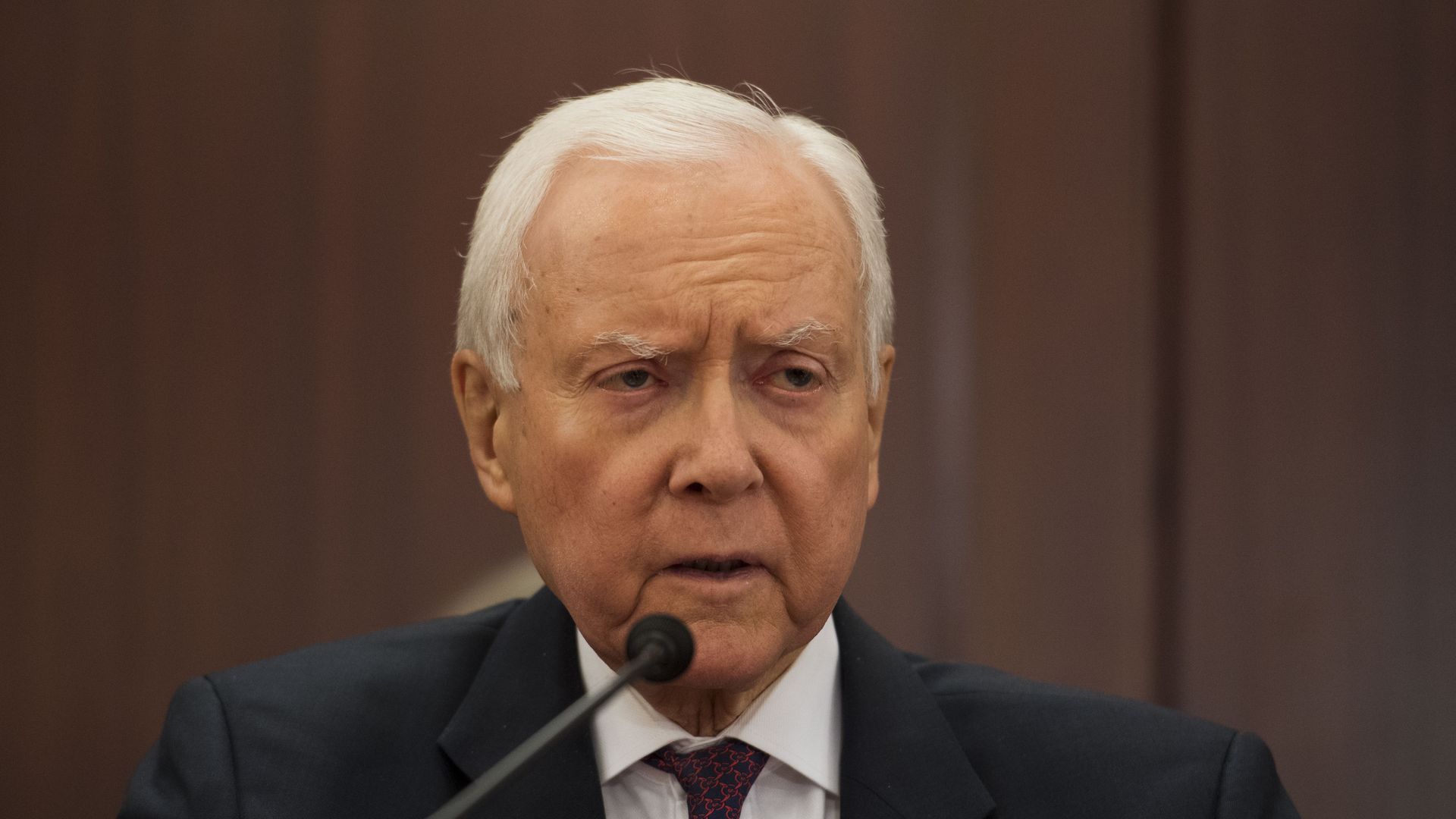
Why it matters: Microsoft argues that the Department of Justice should not be able to request data from the cloud without getting permission from the country where the server is located, lest the DOJ force a tech firm to break a foreign countries laws to abide by a U.S. request. Hatch makes the same argument and spearheaded a bipartisan fix. As Axios reported, although tech firms care about the Microsoft trial, they care even more about the Hatch legislation passing.
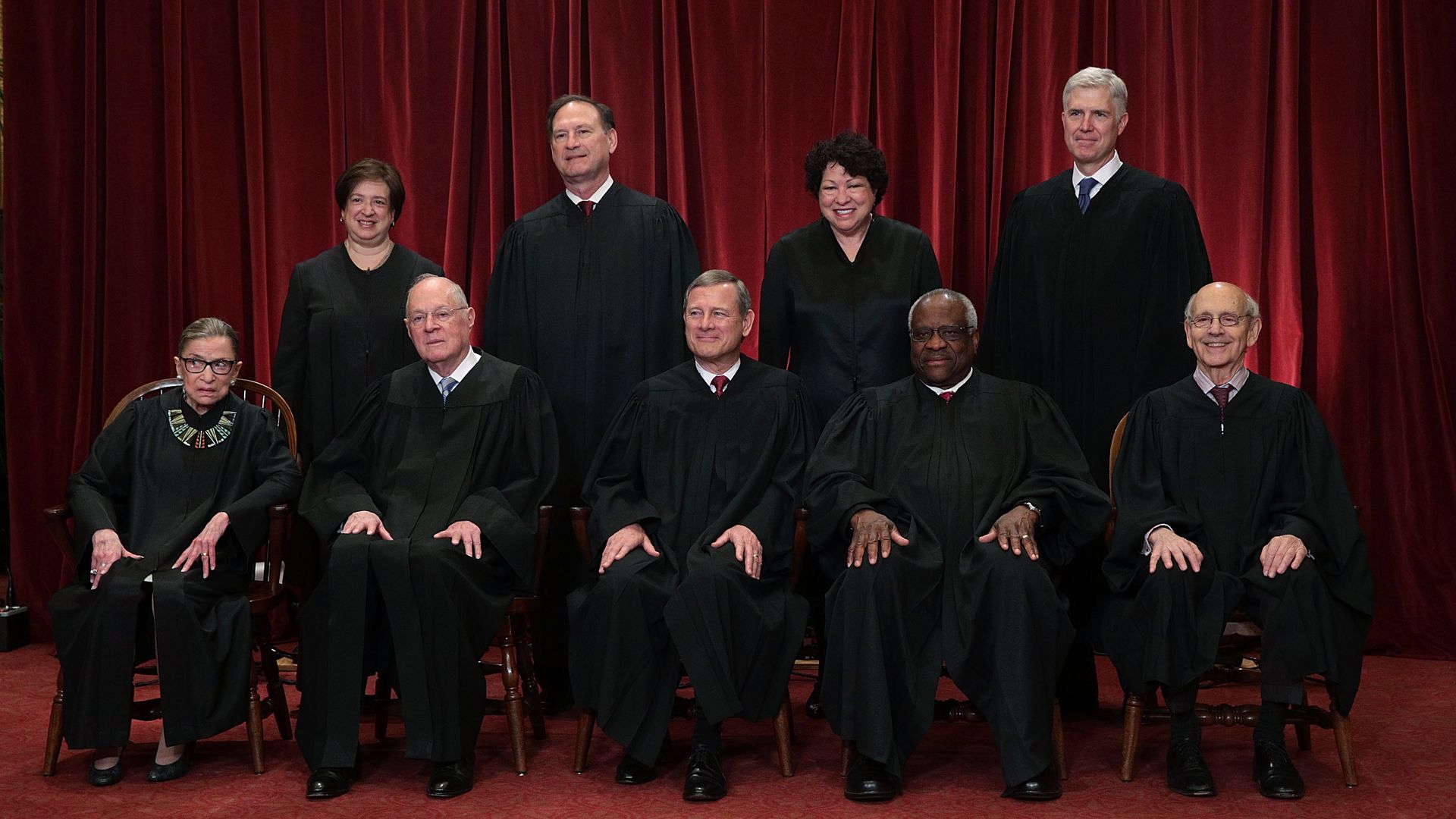
The Supreme Court on Tuesday will once again find itself wrestling with the balance between digital privacy and law enforcement — an uncomfortable yet increasingly common challenge for the justices. They’ll hear an hour of arguments in Microsoft v. United States, a potentially momentous case involving emails that are stored on overseas servers.
The issue: If an American email provider stores your emails on a server that's located in another country, does it have to hand those emails over in response to a warrant from U.S. law enforcement?
While tech firms are watching Microsoft's Supreme Court case closely, they are most interested in reforming the international legal structure that put Microsoft in this mess in the first place.
The bottom line: Officials from Google and other corners of the industry tell Axios that no matter the outcome, the Supreme Court can't settle this issue — only Congress can.
For several years, one of the greatest fears of the world's legacy companies has been disruption by an Uber or Airbnb — an adroit new startup with a cheap, market-shattering idea. But a surprising new reality led by the confluence of big data and artificial intelligence has softened their anxiety, and made them think they — and not startups — are the new, new thing, according to a new study.
Quick take: If the study — by IBM and Oxford Economics, a commercial arm of Oxford University — is right, publicly traded legacy companies in numerous industries may be on the cusp of a boom in value.
The Supreme Court has three blockbuster cases on the docket this week.
The big picture: One has the potential to deal a crippling blow to public-sector unions; another dives into email privacy vs. law enforcement; and the third centers on free speech at the polls.
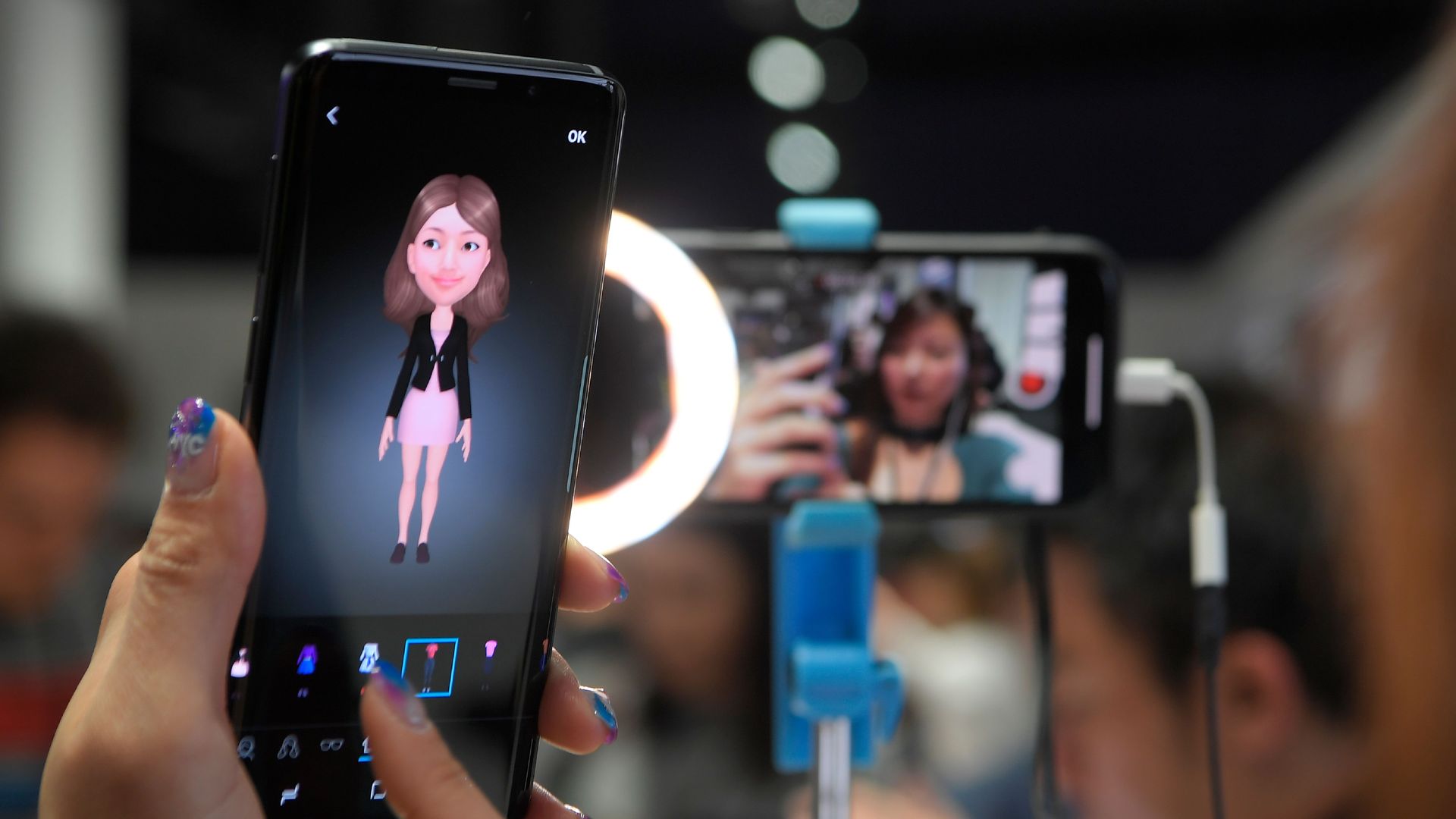
Samsung is using a big event in Barcelona to introduce its latest pair of flagship phones, the Galaxy S9 and larger-screen S9+. The devices are similar in appearance to last year's S8 and S8+, but add a more powerful processor and an improved camera that packs a pair of fun features: AR Emoji and Super slo-mo. (This video shows the new camera and features in action.
Why it matters: Increasingly, Samsung and Apple are not only competing against each other, but also against the fact that people already have a pretty powerful smartphone in their pocket.