Thursday's technology stories

Longtime Apple HR executive Denise Young Smith leaving company

Denise Young Smith, Apple's former HR chief and current head of diversity, plans to leave the company at year's end. She's been at the company since 1997.
Why it matters: Smith has been at Apple for two decades and is one of only a couple high-profile women of color at the company, along with former EPA administrator Lisa Jackson.

Facebook lures influencers with new "Creator App"
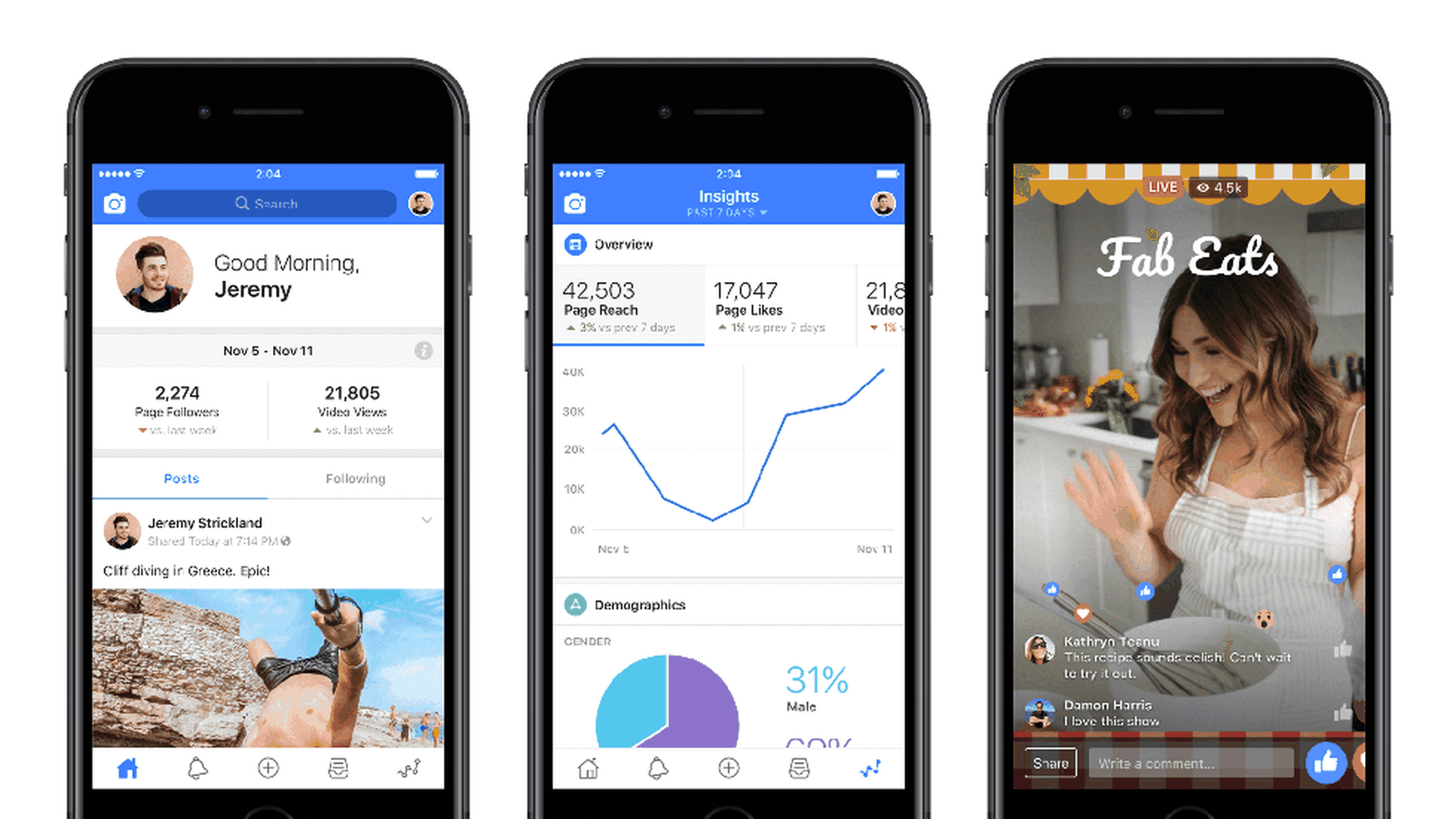
Facebook is launching a "Facebook Creator app" on IOS and, soon, Android to help social media influencers create more content and connect with their fans. The app will allow users to access exclusive tools that make live broadcasts easier and more personalized. It will include access to analytics about pages, videos and fans, as well as a "Community" tab that will let users connect with fans in a centralized commenting space across Facebook, Instagram and Messenger.
Why it matters: YouTube, owned by Alphabet, is considered one of the most lucrative platforms for social media influencers. This is Facebook's way of increasing opportunities for them to bring their communities to Facebook-owned properties.

Immelt says he wasn't "ready" to lead Uber
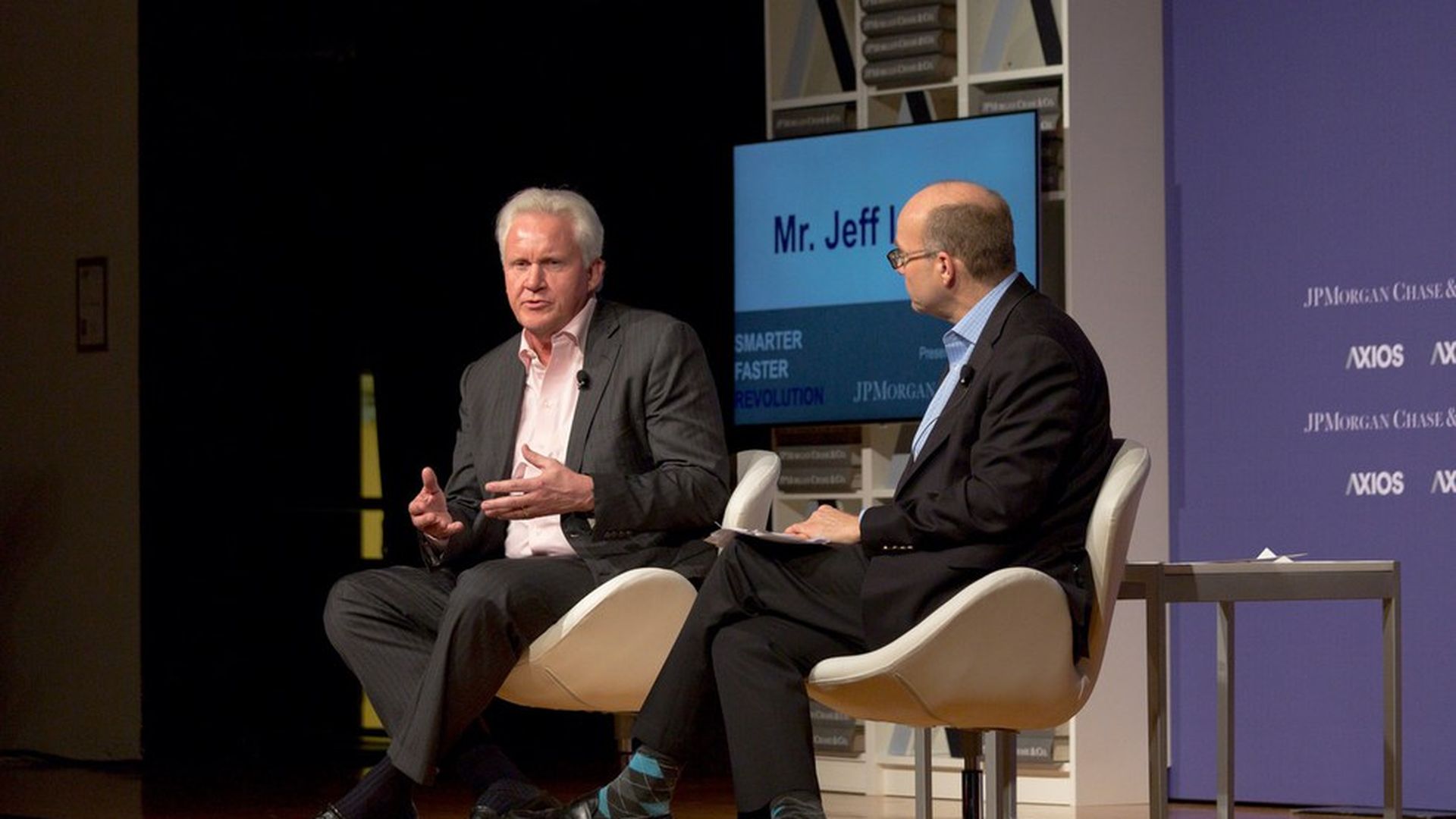
Former GE CEO Jeffrey Immelt said he's ok with not getting picked to be CEO of Uber. "At the end of the day I wasn't really ready for something that visible, that intense," Immelt said at an Axios "Smarter Faster Revolution" event at the University of North Carolina.
He said Uber is based on a "seminal" idea but an open question remains: "Can you take this thing that's an amazing idea and turn it into a fantastic business, a profitable business?"
Twitter still has a verifiable problem
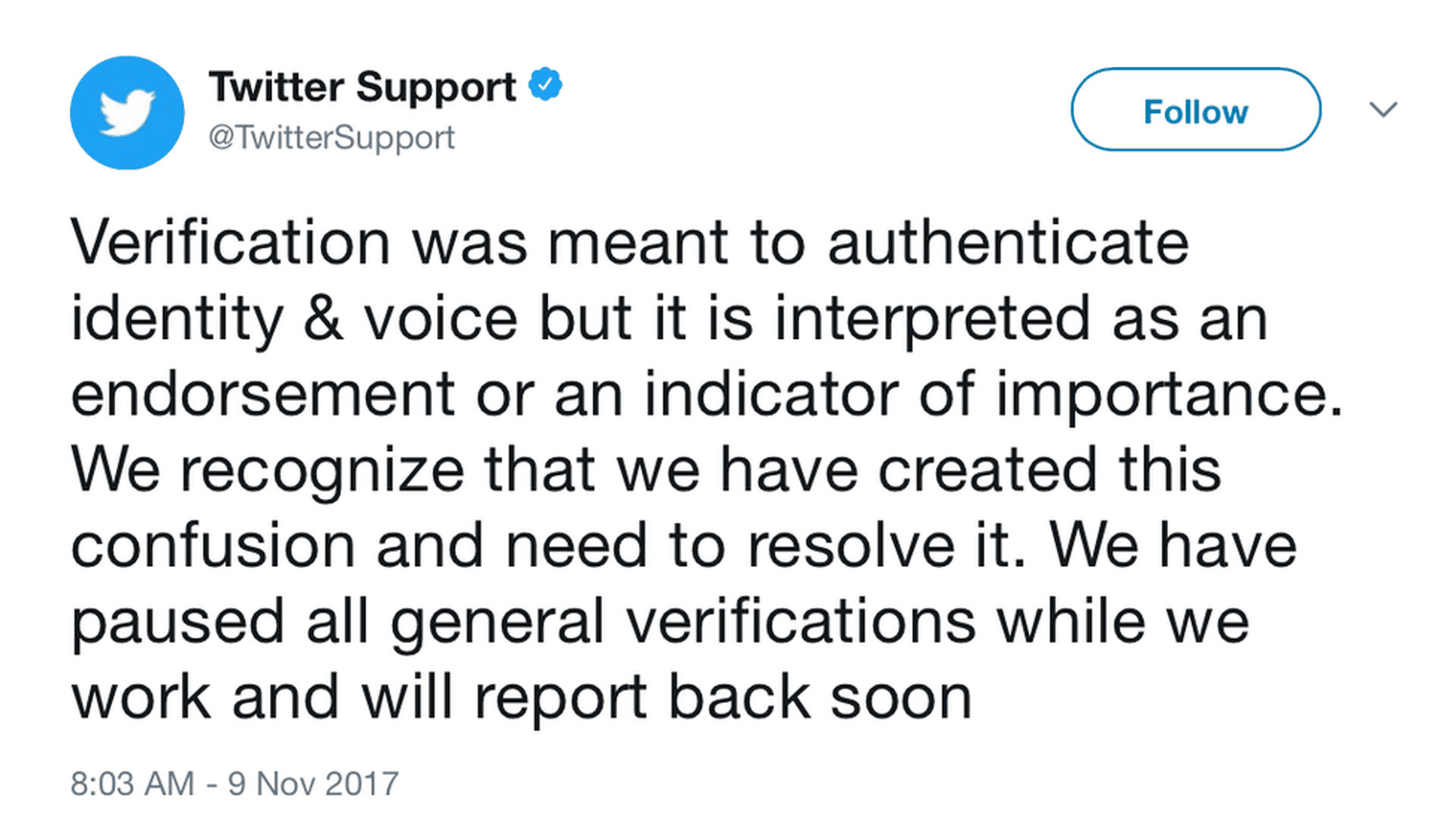
Twitter rolled out a series of changes on Wednesday to its verified accounts program aimed at addressing who is eligible to get the coveted blue checkmark.Under the revised guidelines, Twitter says it reserves the right to revoke the verified status of any individual, but specifically calls out certain criteria that could lead to a loss of verification.Included in that is not only the direct harassment or promotion of violence but also being a member of a group that promotes hate, violence or direct harassment of individuals based on their race, gender, gender identity, sexual orientation or other criteria.Twitter also moved to revoke the verified status of a number of prominent far-right and right supremacists, including Richard Spencer and Jason Kessler, organizer of the Charlottesville rally. This resulted in predictable outrage from those impacted, as well as their supporters.But it also led to criticism that Twitter wasn't solving the problem it had originally identified. When it first said last week it was pausing its verification program, it noted that the verification of a prominent user's identity had come to be seen as an endorsement. Wednesday's actions might please those that don't appreciate seeing the blue checkmark adorn the posts of white supremacists, but it doesn't appear to solve the confusion over what verified status is supposed to mean.Why you'll hear about this again: Twitter hinted more changes are coming. "We will continue to review and take action as we work towards a new program we are proud of," the company said.
Fortune businessperson of the year: Nvidia's Huang
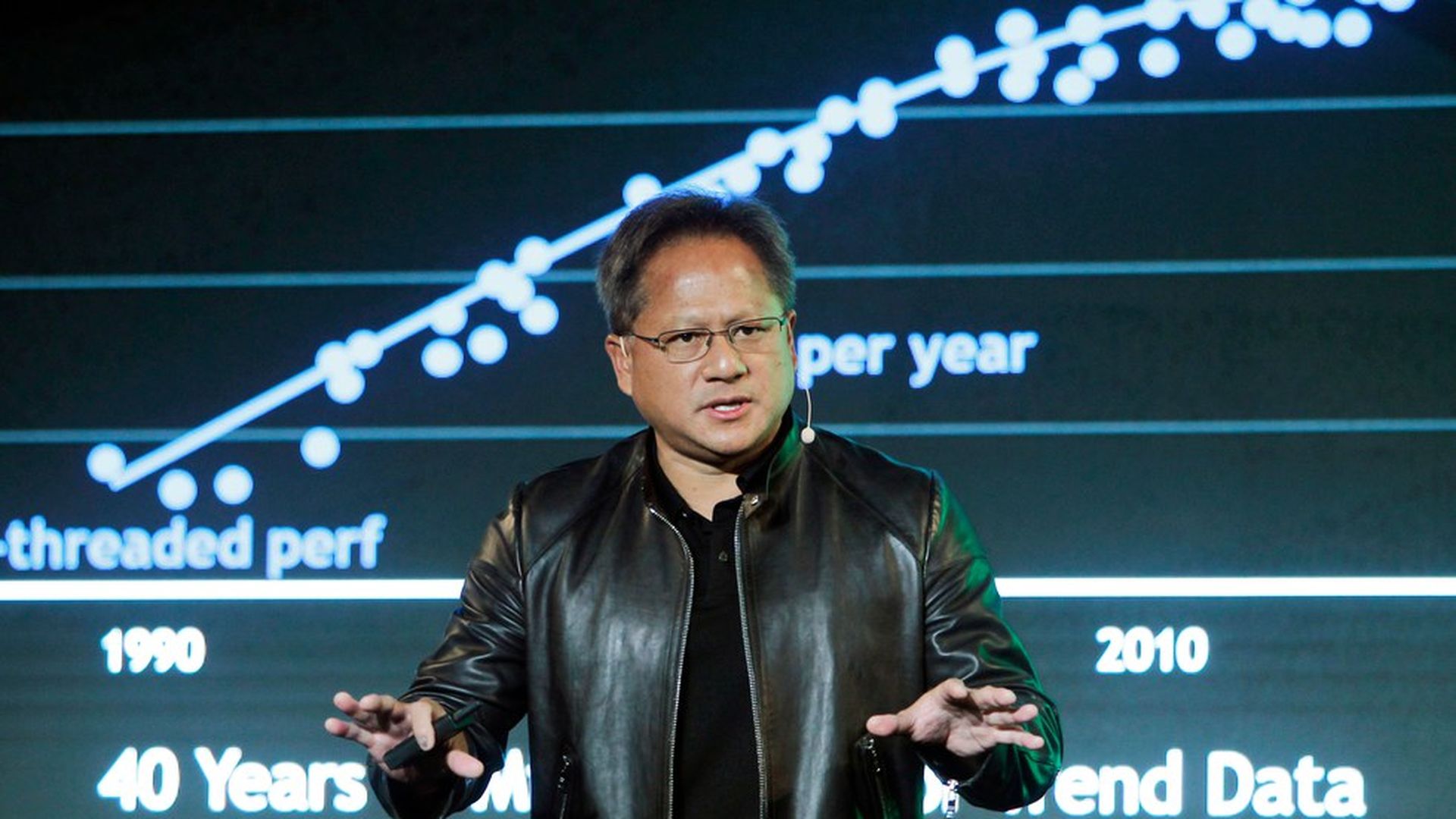
FORTUNE Businessperson of the Year is Jensen Huang, co-founder and CEO of chip maker Nvidia, based in Santa Clara:
Huang on why he started Nvidia:
"We ... observed that video games were simultaneously one of the most computationally challenging problems and would have incredibly high sales volume. ... Video games was our killer app — a flywheel to reach large markets funding huge R&D to solve massive computational problems."
- Huang, born in Taiwan, is "the rare cofounder still running his company 24 years later. He ... foresaw a blossoming market for a new kind of computing early enough to reposition his company years in advance."
- On the next billion-dollar opportunity: "The ability for artificial intelligence to write artificial intelligence by itself. ... We're seeing early indications of it now. Generative adversarial networks, or GAN. I think over the next several years we're going to see a lot of neural networks that develop neural networks.
- "For the next couple of decades, the greatest contribution of A.I. is writing software that humans simply can't write. Solving the unsolvable problems."
- On the company's name: "We couldn't think of one, so we named all of our files NV, as in 'next version.'" A need to incorporate the company prompted the cofounders to review all words with those two letters, leading them to "invidia," Latin for "envy."
FORTUNE's runner-ups: #2 Jamie Dimon (CEO, JPMorgan Chase) ... #3 Marc Benioff (CEO, Salesforce) ... #4 Jeff Bezos (CEO, Amazon) ... #5 Mary Dillon (CEO, Ulta Beauty) ... #6 Ajaypal "Ajay" Banga (CEO, Mastercard) ... #7 Huateng "Pony" Ma (CEO, Tencent Holdings) ... #8 Dan Schulman (CEO, PayPal) ... #9 Marillyn Hewson (CEO, Lockheed Martin) ... #10 Francisco D'Souza (CEO, Cognizant).

Quiz apps are the latest mobile craze
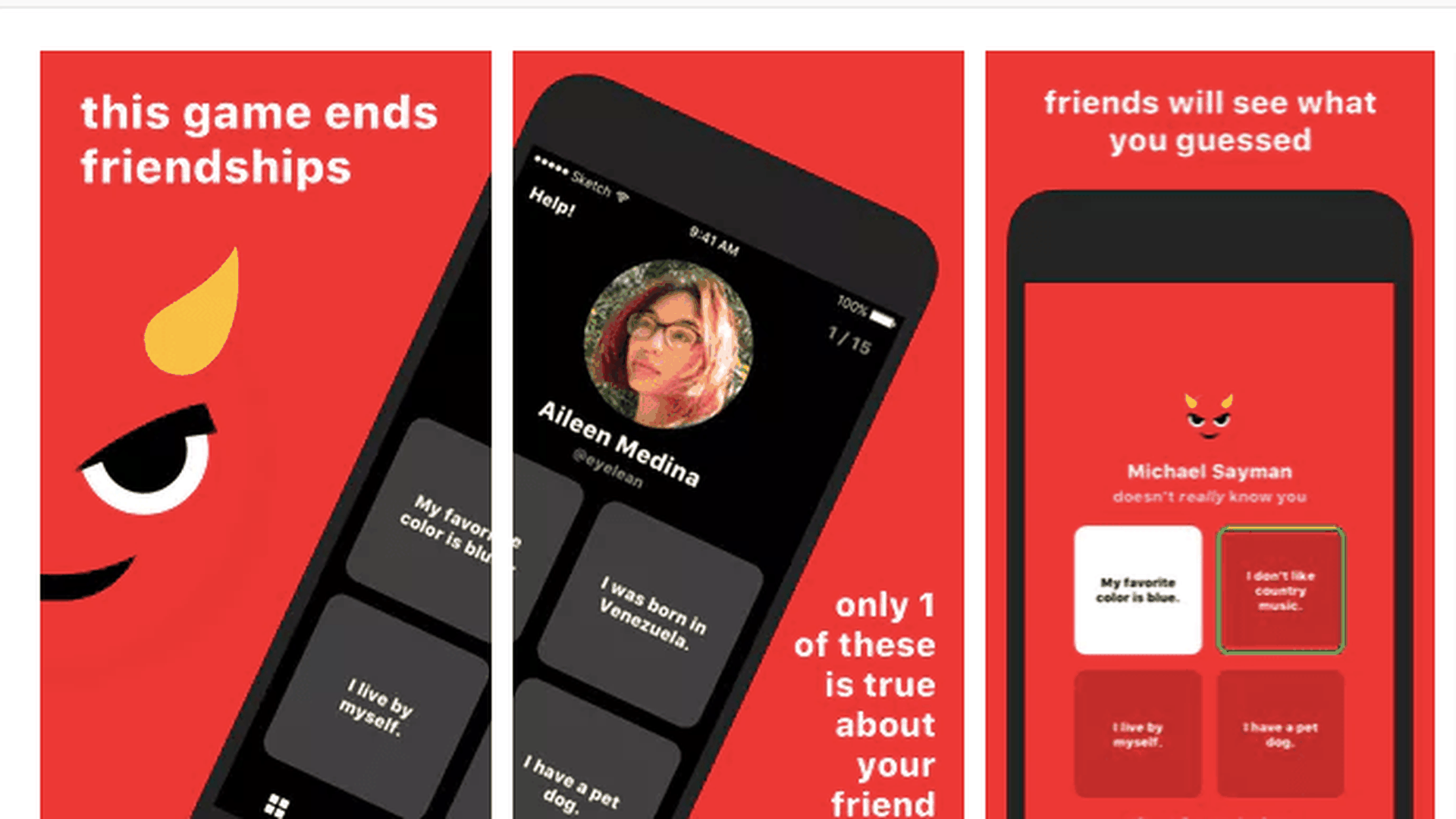
Once known as "Facebook's youngest employee," 21-year-old Michael Sayman, who recently joined rival Google, yesterday released a new mobile trivia app called Lies.
Why it matters: Lies is the latest in a recent trend of question-based mobile social apps to quickly rise in popularity. Just last month, Facebook acquired a similar app, tbh, while two of Vine's co-founders say they found recent success with trivia game show app HQ.

AI searches for new inspiration
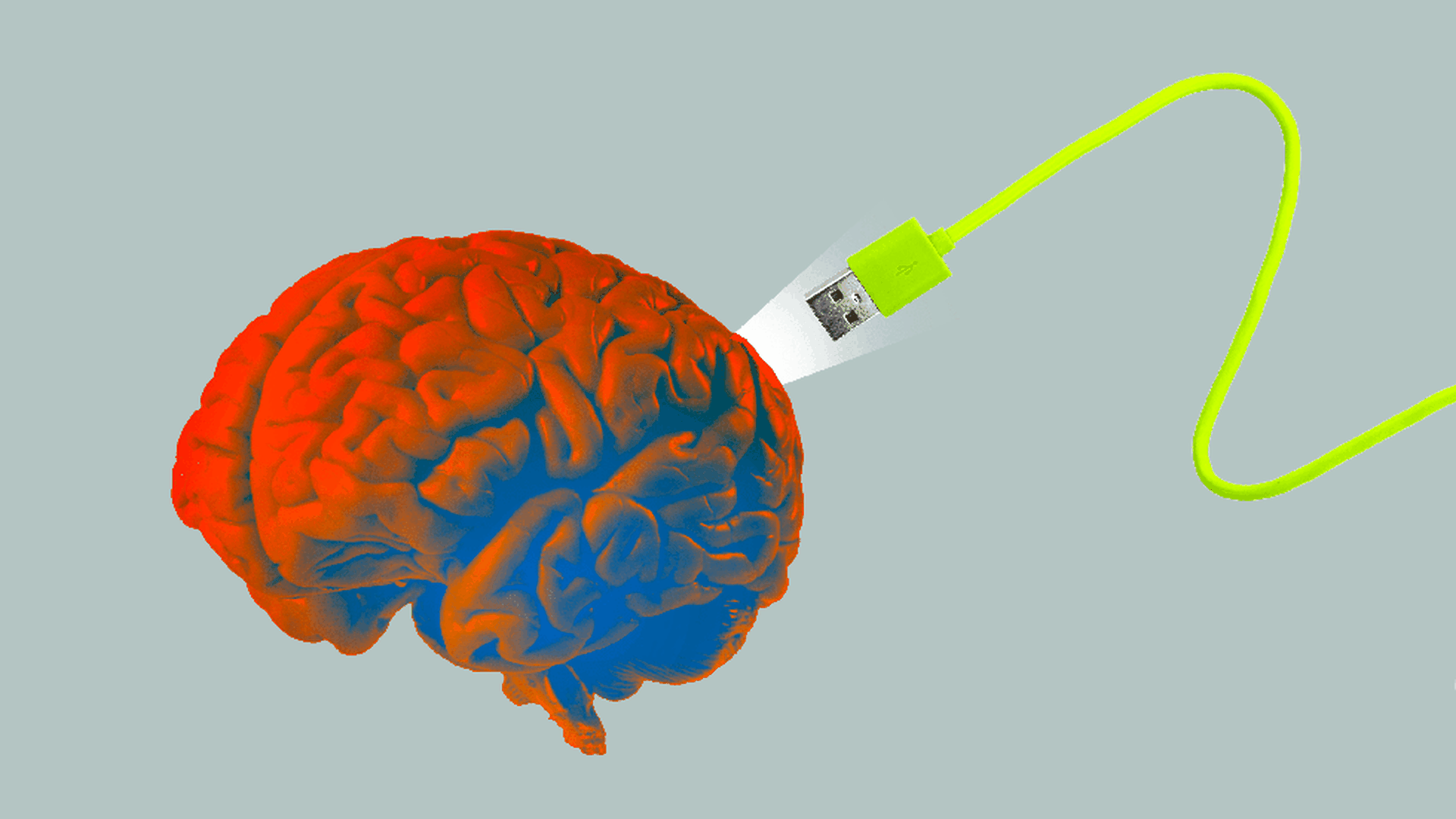
Deep learning — the AI technique that allowed a computer to beat a world-champion Go player — has become very good at recognizing patterns in images and games. But it's loosely based on ideas we've had about the human brain for decades. Researchers now have more insights from neuroscience and better technologies, both of which they are trying to use to make more intelligent machines.
What's new: On Tuesday, DeepMind co-founder Demis Hassabis presented new work from the company that indicates a move into different territory. Researchers gave an AI system pictures of a 3D scene, along with the coordinates of the camera angles, and it was able to output a new scene from an angle it had never seen. Being able to build models of the world like this — and then use them to react and respond to new situations never encountered before — is considered key to intelligence.

Capsule networks advance AI image recognition

Geoffrey Hinton, a Google researcher and professor at the University of Toronto, helped pioneer artificial neural networks, the technology behind most of the major advances in machine learning. And now he's come up with a new idea that he thinks is even more powerful.
Hinton calls his latest creation "capsule networks." Each capsule is a group of artificial neurons trained to track a specific feature of an image. Combining them allows an AI system to understand the spatial relations between different features of an image, so it can identify different views of the same image. Hinton has shown that this technique performs much better than existing systems in a challenge to recognize objects from different angles.
Why it matters: To existing neural networks, two images of the same object from different angles look like totally different objects. This means neural networks asked to recognize objects in images need to train on images from many different angles, which requires vast amounts of data. For example, the ImageNet data set, used in the image recognition competition that's been the benchmark for these systems for the last seven years, contains more than 13 million images. The hope is that capsule networks could achieve the same results working from much smaller data sets.
Twitter to revoke "verified" status from accounts violating rules
After pausing new account verifications last week, Twitter said on Wednesday that it will begin to review verified accounts and revoke the status from those whose conduct on the services doesn't follow the company's guidelines.
Why it matters: Twitter has been in hot water recently for doling out the coveted "verified" status to controversial figures like Jason Kessler, who organized the white nationalist rally in Charlottesville, Va. Though it originally began as a way to protect celebrities from impersonators, Twitter's verified status has been interpreted to signal endorsement by the company.
Amazon Studios acquires screenplay about tech billionaires
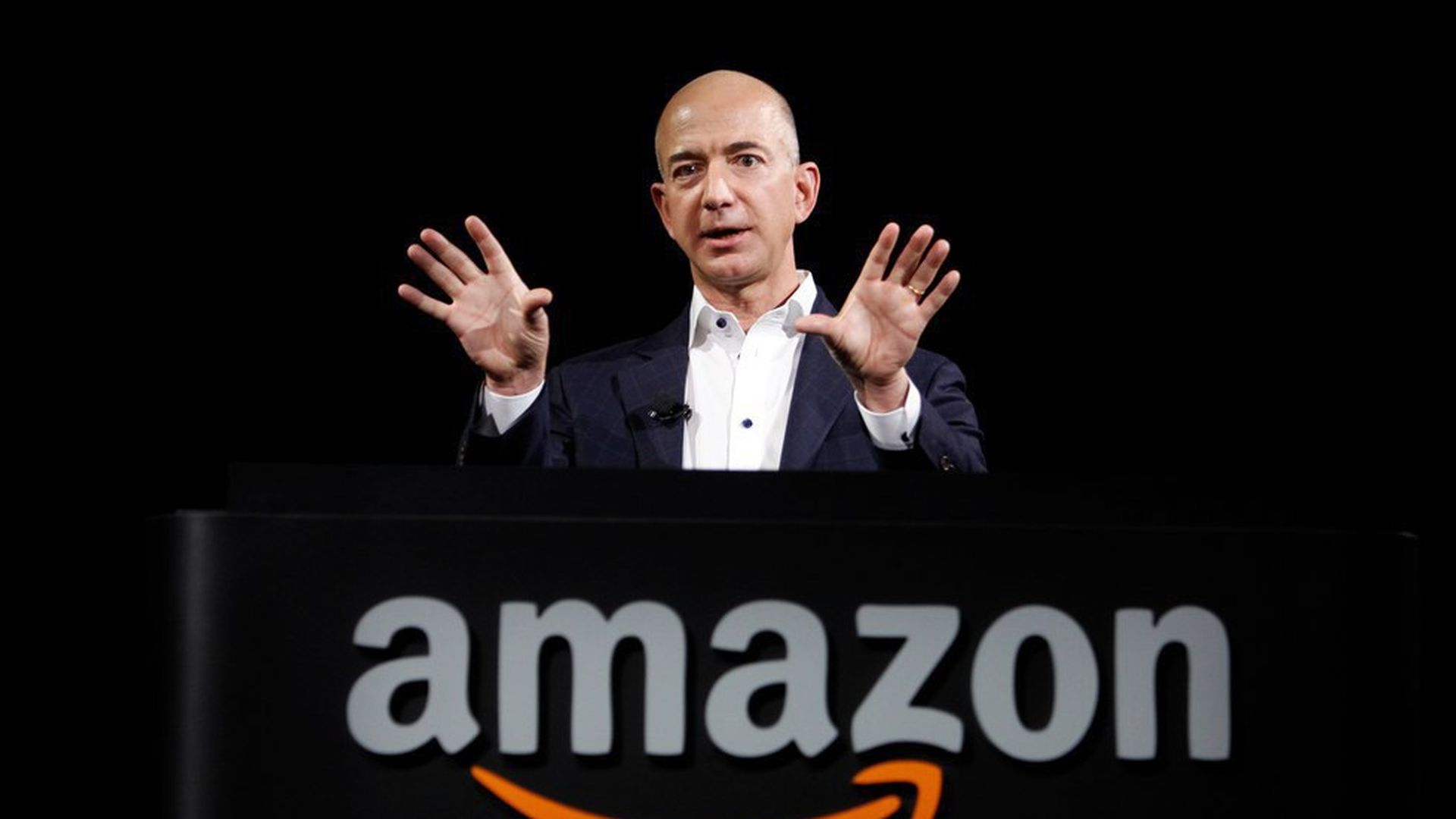
Amazon's movie studio has acquired the rights to former New York Times columnist Nick Bilton's "The Bunker," an original screenplay about tech billionaires who take shelter in a luxurious underground bunker after an attack on the U.S., according to Deadline.
Quick take: Hollywood has been increasing fascinated with Silicon Valley, "The Bunker" is the latest attempt at bringing stories from its culture to wider audiences. But these have found mixed success in balancing compelling universal stories with an authentic portrayal of the tech industry's characters and dynamics.

Sophia the lifelike robot goes viral
Dr. David Hanson, founder and CEO of Hanson Robotics, has spent decades on a quest to build robots that look and act like humans, and he's getting pretty darn close. Business Insider conducted an interview this week with one of his creations, Sophia, who was built to look like Audrey Hepburn, featuring her high cheekbones and expressiveness.
As Hanson told the Tonight Show's Jimmy Fallon earlier this year, "she can process visual data, see people's faces, process conversational and emotional data and use all of this to form relationships with people." Here is the must-watch video:

Time Inc. launches Sports Illustrated TV

Time Inc. is launching its Sports Illustrated TV tomorrow on Amazon Prime. The channel will include five original shows, original documentaries featuring stars like LeBron James, exclusive interviews, and sport-related shows and movies acquired by Amazon.
Why it matters: This is Time Inc.'s first over-the-top subscription-video service. "SPORTS ILLUSTRATED TV is a new home for sports lovers who want to go beyond sports highlights and heated debates with distinctive, immersive and entertaining original programming," Time's president and CEO Rich Battista said via a press release.
Report: Amazon abandons TV skinny bundle plans
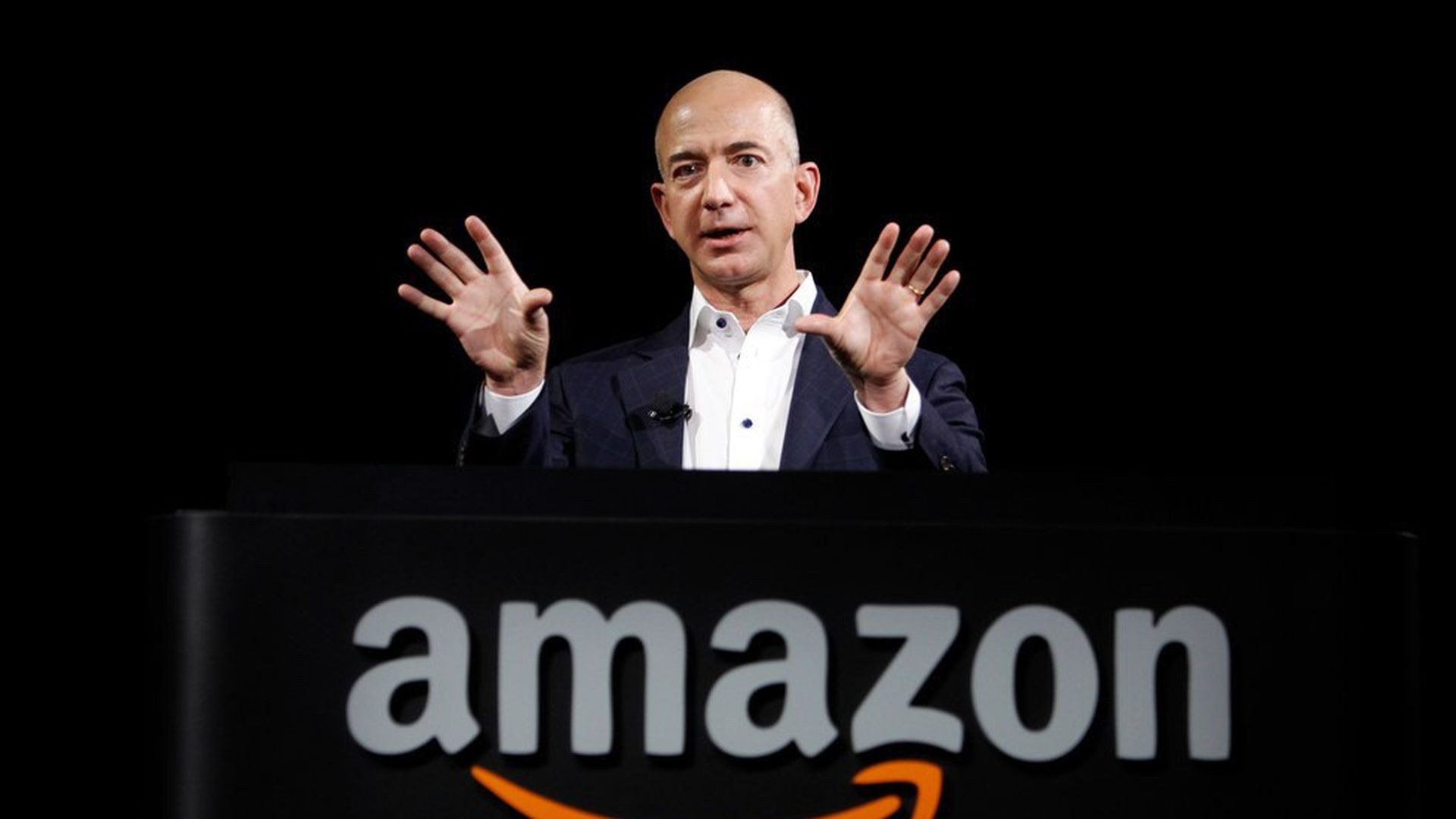
Amazon is ditching its plans to create an online streaming skinny bundle because it doesn't think it will be profitable enough, per Reuters. It has been unable to court traditional TV networks to bring their content to its Amazon Channels service.
Why it matters: Amazon has made large investments in video with the hope of increasing user engagement on its platform. It was hoping to dip into the TV streaming model, but the reported lack of confidence in the platform shows that the distribution economics behind the linear TV model are tough to completely reimagine for digital.

Facebook grows its lobbying army as it faces Russia probes
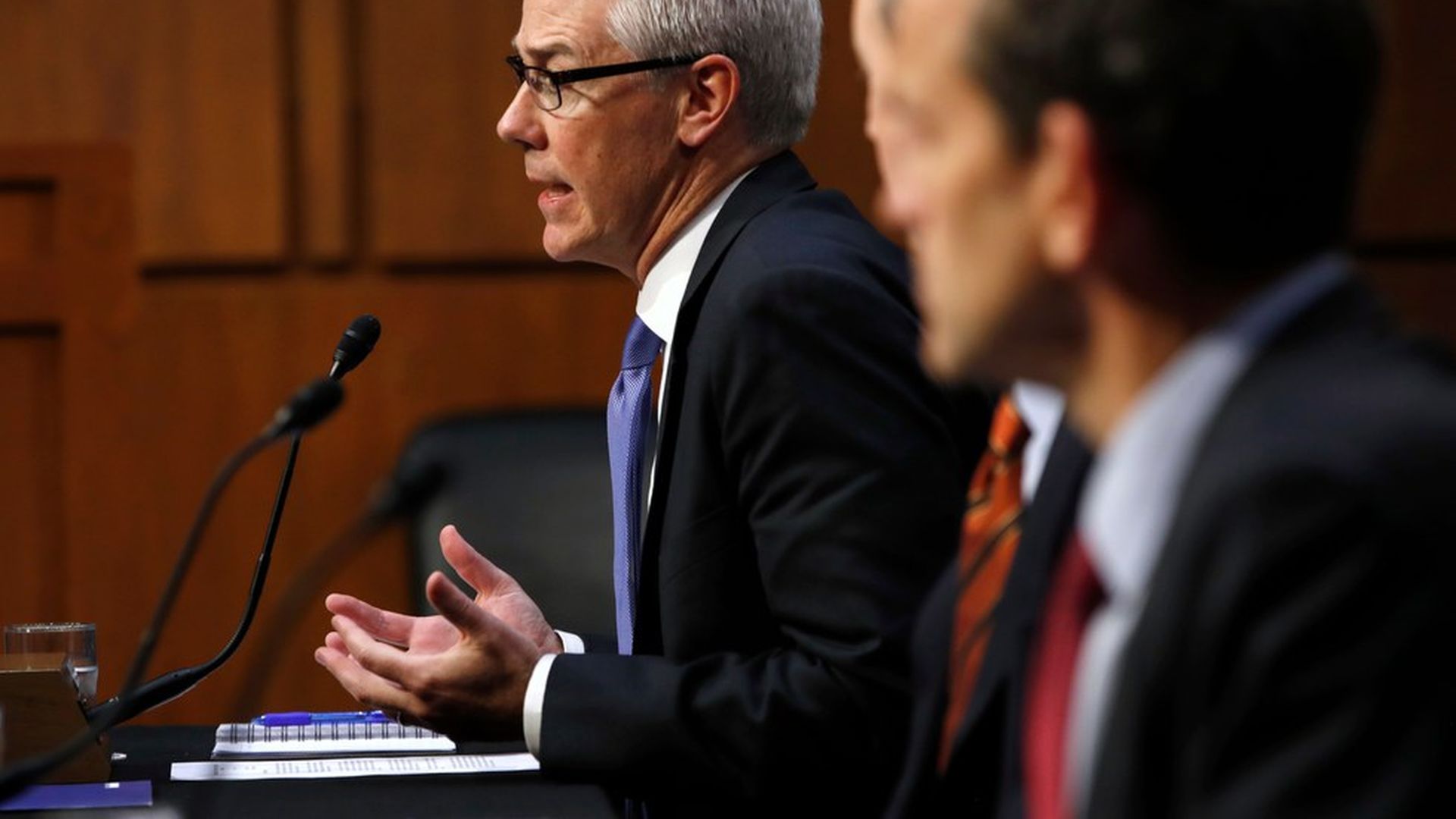
Facebook hired the former top aide to a lawmaker investigating how Russians may have used its platform to subvert the 2016 election to lobby on its behalf last month, according to a disclosure posted last Friday.
Why it matters: Facebook is bolstering its forces in Washington amid unprecedented investigations into the power of its platform and a new bill that would create new disclosure requirements for online political ads.