The European Union wants to raise taxes for some of the biggest U.S. tech companies, like Amazon, Google and Facebook, in an effort to open up competition to other businesses that service over 500 million EU customers. In a proposal laid out Thursday, EU regulators said international tax laws are outdated and suggested they would put forward new mandates if a rewrite of the international tax code didn't happen by next spring.
Why it matters: The absence of regulation to curb the dominance of tech giants has enabled them to grow so big that just a few companies own the majority of digital advertising and e-commerce revenue globally. European regulators have been far more aggressive in policing technology companies than the U.S. government and has issued several antitrust penalties, including a $2.7 billion fine against Google earlier this year.
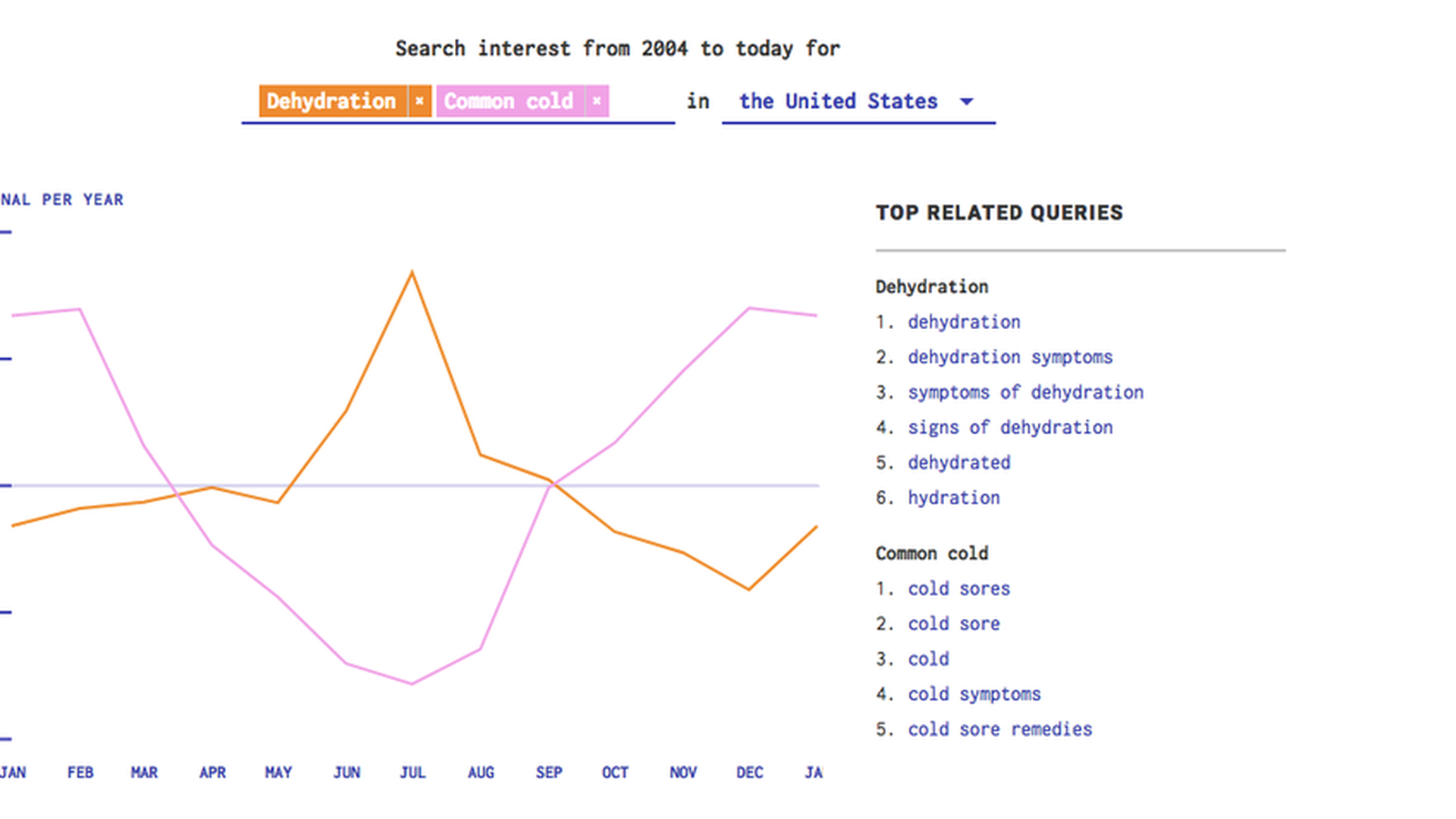
When people do Google searches about health problems, they're most likely to be looking up pain, cancer, or diabetes. That's one of the big takeaways from a new Google Trends study of the millions of searches related to health issues: which health problems people worry about most, how the seasons affect searches, and how epidemics spread.
Why it matters: This is the first project of its kind, and gives new insight into the seasonality of the public's health concerns, as searches related to maladies make up about 5% of all Google searches. The Google News Lab gave Axios an exclusive first look at the data.
We can all envision what augmented reality glasses might eventually look like: as thin and light as regular glasses, have all-day battery life and don't make you look like a complete cyborg dork. The problem is, those aren't technically feasible today, as Google Glass and others have proved.
What's new: That's what makes Amazon's reported approach so interesting. Rather than try to cram in all the tech that will go in the glasses of the future, it appears Amazon is focused on the technology that smart glasses can deliver today while still being light, working all day and not prohibitively expansive. And that means putting a big focus on its Alexa voice assistant as the star attraction.
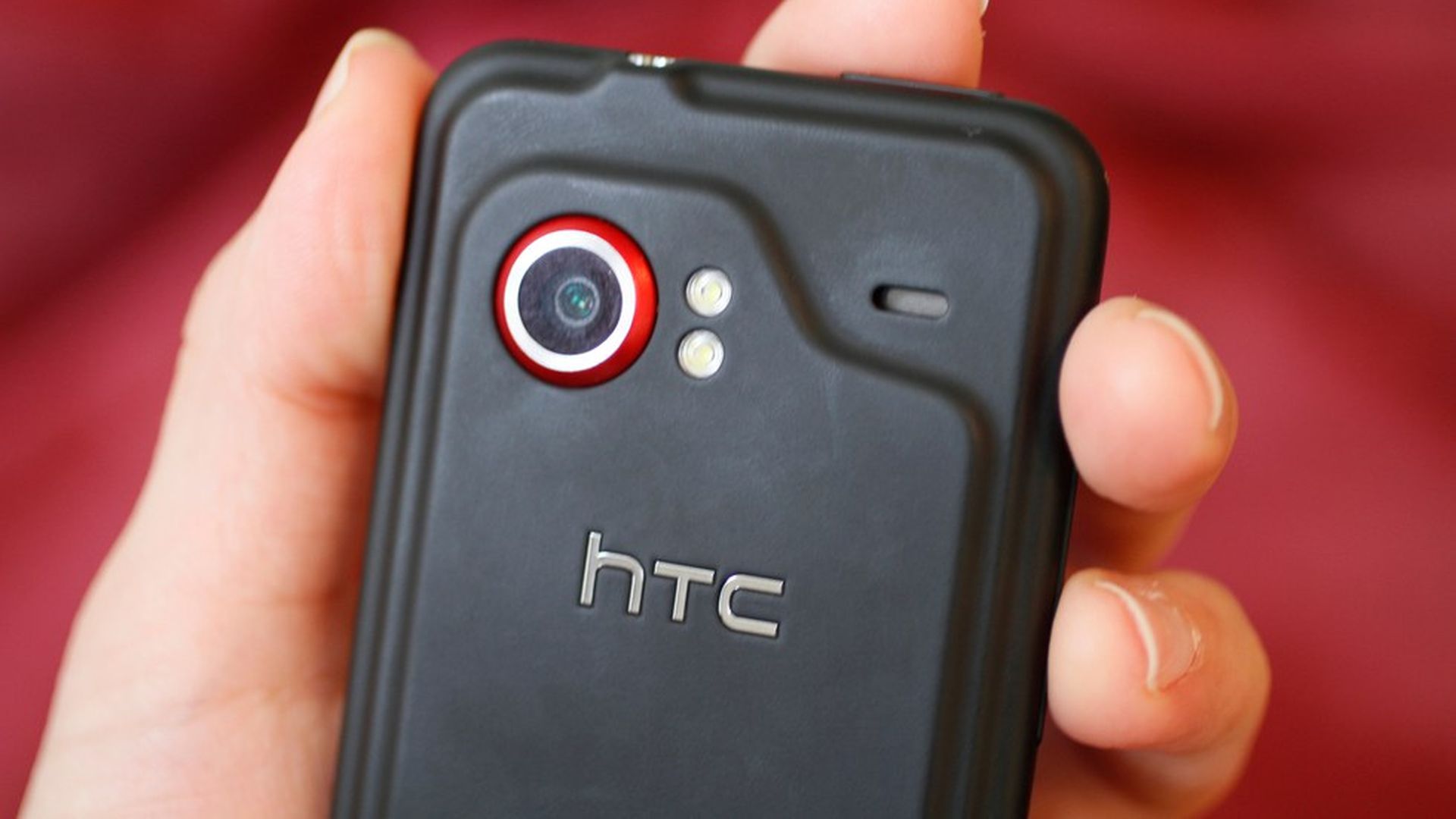
Google announced late Wednesday a $1.1 billion agreement under which certain employees of Taiwanese smartphone maker HTC will join Google. It's the second time the search giant has made a major investment in a mobile technology company to beef up its hardware business.
Michael Bloomberg on Facebook's role: in the election: "They have a responsibility. And if they say, 'Well there's no ways to do it other than we're going to have a human being read every message', I'm sorry, you're going to have to do that. That's their problem. It's not society's problem."
On Russian hacking: "It's an outrage ... It's as bad as if you attacked the government with weapons for god's sakes. This is killing democracy."
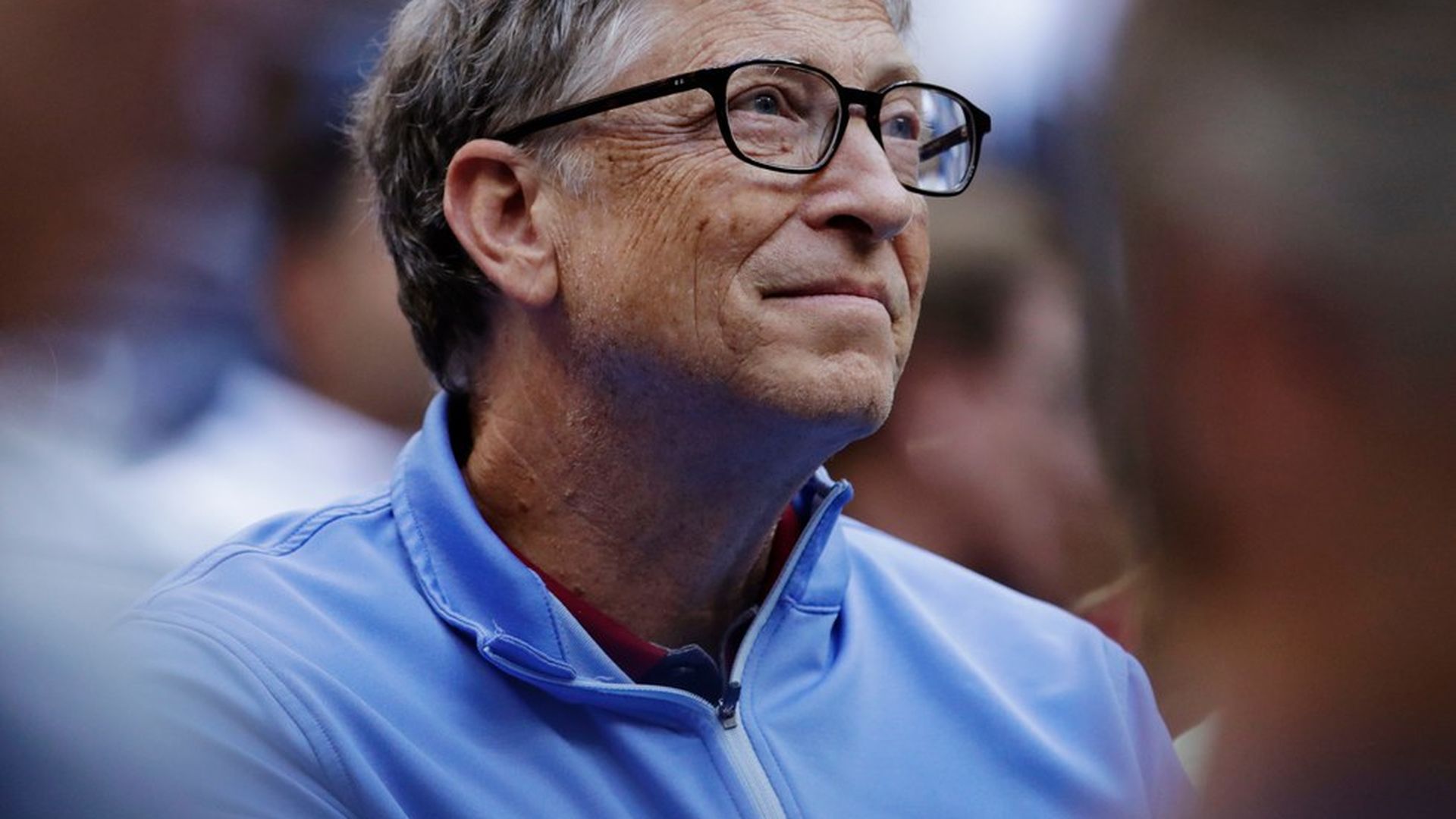
Bill Gates said Wednesday at the Bloomberg Global Business Forum that he believes that the digital revolution, to which he dedicated his early career, "is still the fastest moving thing" right now. But today, his focus has turned to the latest breakthroughs in health: "In terms of equity, it's health that I'm most excited about."
One fun thing: David Rubenstein, co-founder and co-CEO of the Carlyle group to Gates: "Control-Alt-Delete is awkward. You came up with that. Why?" Gates agreed, and said if he could go back in time the one thing he would change would be to make that a single button.
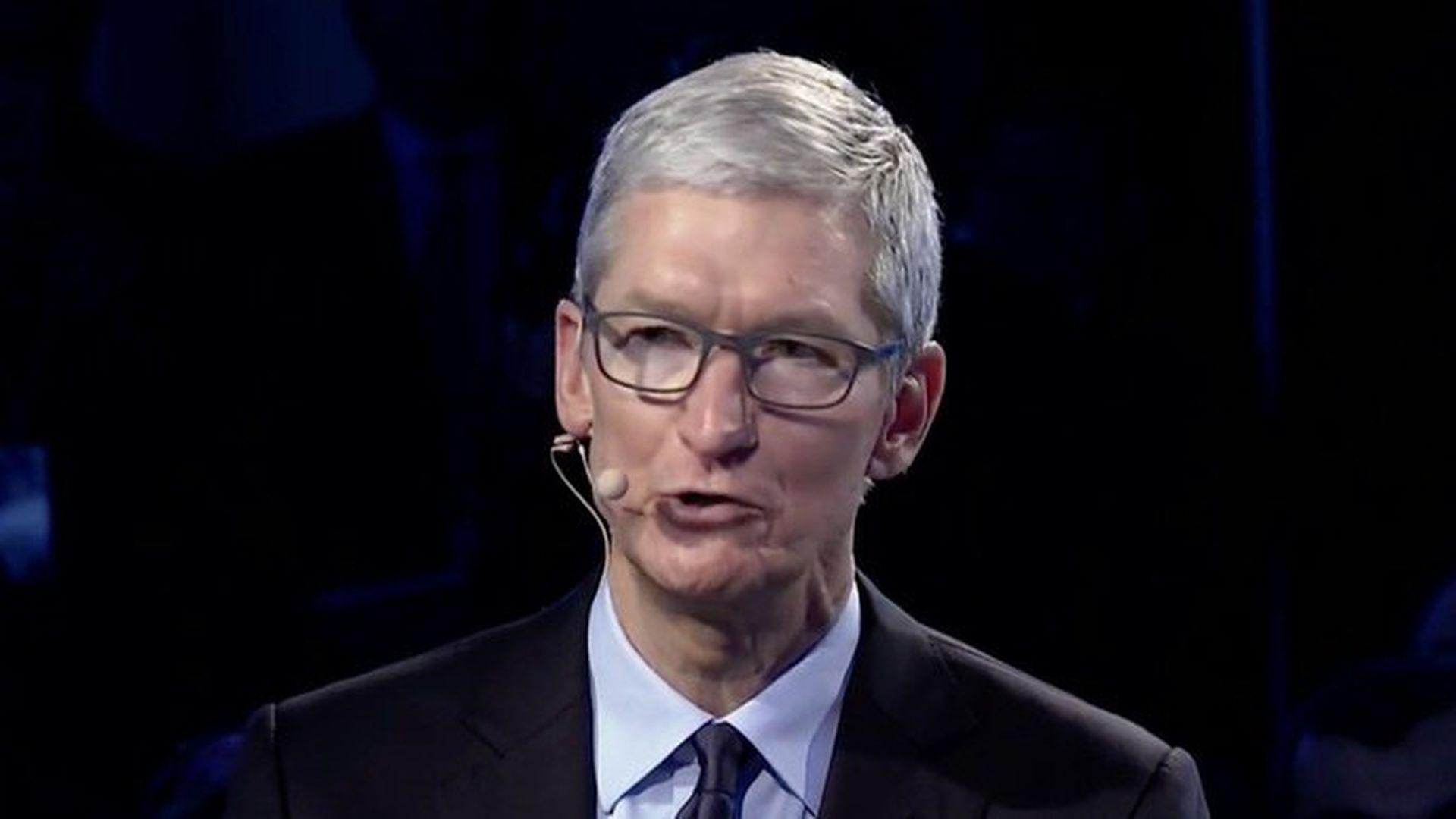
Apple CEO Tim Cook discussed his "personal shock" with the discussion surrounding what to do with Dreamers at the Bloomberg Global Business Forum in NYC Wednesday. Cook said Apple is pushing "extremely hard" on addressing the changes to DACA.
If Cook were the leader of a country: He'd want "every smart person" to be welcomed with open arms, because "smart people create jobs" ... "I'd have a very aggressive plan not to just let a few people in. I would be recruiting."
Amazon has been quietly preparing to introduce its first wearable device, a pair of smart glasses with the company's Alexa assistant built-in, according to a new report from the Financial Times. The company is also working on a connected security camera, the newspaper said, citing sources. The camera could tie in to the company's recently introduced Echo Show device. The smart glasses, the FT said, are designed to resemble regular glasses and tether to a smartphone with an audio system that sends sound to the brain via bone conduction rather than headphones.
Why it matters: Amazon flopped in its effort to tackle the smartphone effort with Fire phone, but has been working hard to make sure it doesn't miss another big category of consumer hardware.