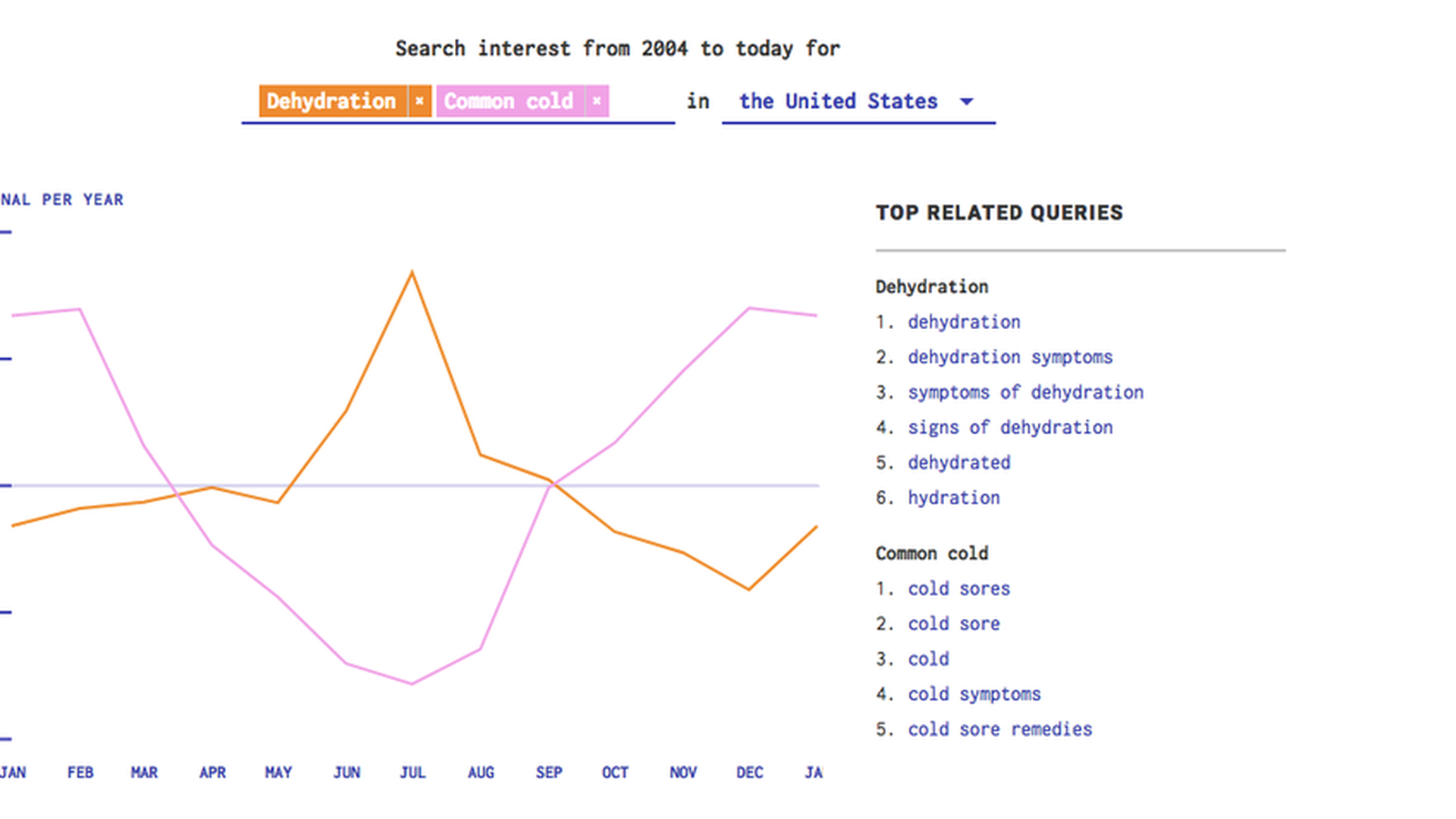
Google searches for mental health terms related to depression, major depressive disorder, bipolar disorder and anxiety disorder peak in the late winter and dip during the summer, according to a recent study by Google News Lab and Gabriel Gianordoli. This is in line with a Google study in 2013, which also found that mental illness searches followed seasonal trends.
London's transportation regulator announced Friday that it will not renew Uber's hire license, calling the ride-hailing service "not fit and proper" to hold one. Uber has 21 days to appeal the decision, during which it can continue to operate.
Perspective: Uber has around 3.5 million users and 40,000 drivers in London.
In 2009, a radio host asked Google's Eric Schmidt whether there might come a point when Google should be treated like a utility. The audience laughed at the idea. Fewer are laughing now — but that doesn't mean it'll actually happen.
The bottom line: Even though Congress could nibble around the edges by imposing new rules on certain search or social network operations, regulating the dominant online platforms — particularly Google and Facebook — as utilities is much more difficult than it sounds.
Qasar Younis, a former Google product manager who was most recently chief operating officer at startup accelerator Y Combinator, is quietly working on an autonomous driving startup, Axios has learned from multiple sources.
Background: Younis left Y Combinator in March after four years at the famed Silicon Valley accelerator. Before that, he spent three years as a product manager at Google, which he joined after the search giant acquired his startup (and YC alum) TalkBin. Early in his career, Younis was an engineer with General Motors.
The European Union wants to raise taxes for some of the biggest U.S. tech companies, like Amazon, Google and Facebook, in an effort to open up competition to other businesses that service over 500 million EU customers. In a proposal laid out Thursday, EU regulators said international tax laws are outdated and suggested they would put forward new mandates if a rewrite of the international tax code didn't happen by next spring.
Why it matters: The absence of regulation to curb the dominance of tech giants has enabled them to grow so big that just a few companies own the majority of digital advertising and e-commerce revenue globally. European regulators have been far more aggressive in policing technology companies than the U.S. government and has issued several antitrust penalties, including a $2.7 billion fine against Google earlier this year.
When people do Google searches about health problems, they're most likely to be looking up pain, cancer, or diabetes. That's one of the big takeaways from a new Google Trends study of the millions of searches related to health issues: which health problems people worry about most, how the seasons affect searches, and how epidemics spread.
Why it matters: This is the first project of its kind, and gives new insight into the seasonality of the public's health concerns, as searches related to maladies make up about 5% of all Google searches. The Google News Lab gave Axios an exclusive first look at the data.
We can all envision what augmented reality glasses might eventually look like: as thin and light as regular glasses, have all-day battery life and don't make you look like a complete cyborg dork. The problem is, those aren't technically feasible today, as Google Glass and others have proved.
What's new: That's what makes Amazon's reported approach so interesting. Rather than try to cram in all the tech that will go in the glasses of the future, it appears Amazon is focused on the technology that smart glasses can deliver today while still being light, working all day and not prohibitively expansive. And that means putting a big focus on its Alexa voice assistant as the star attraction.
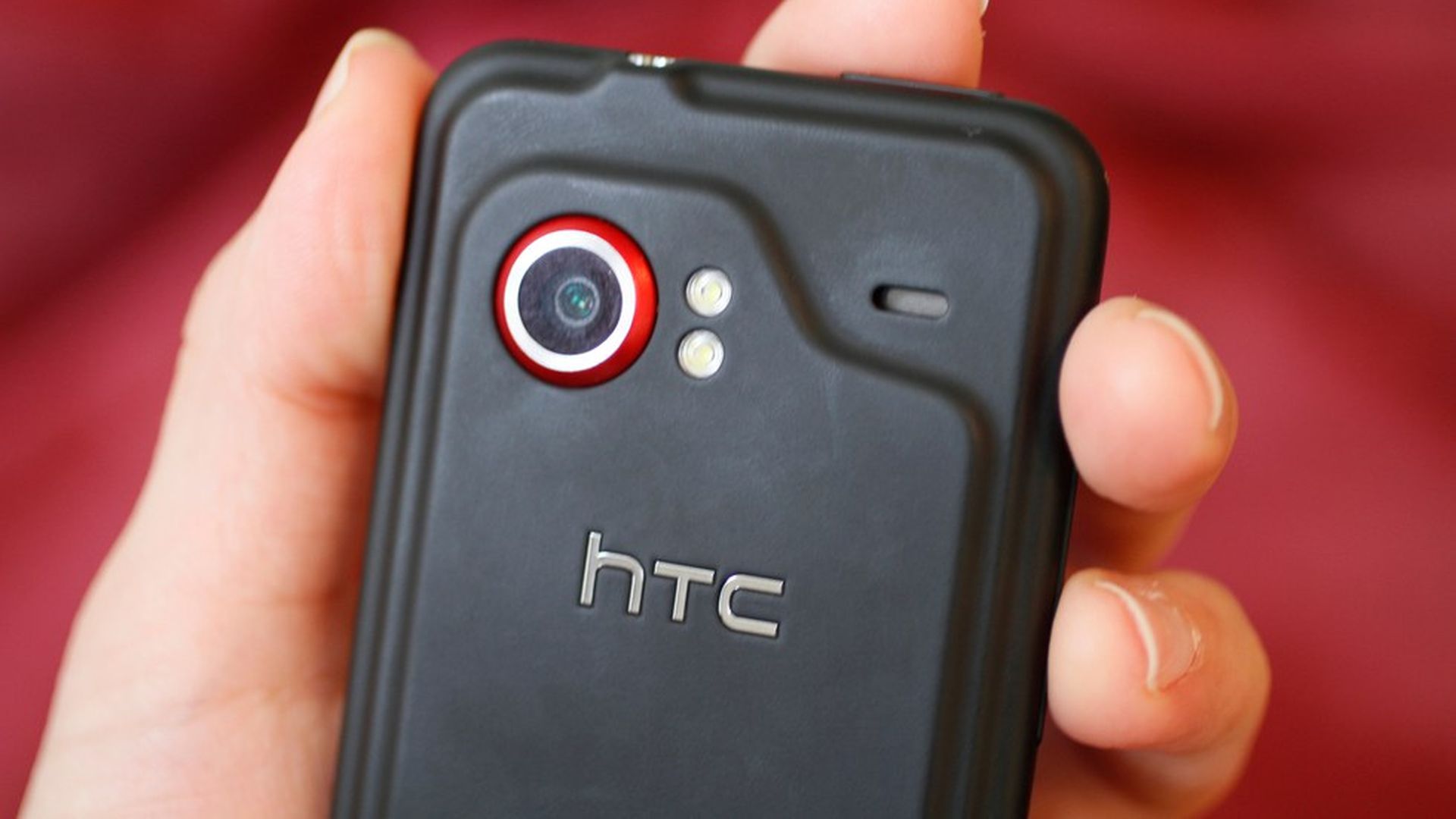
Google announced late Wednesday a $1.1 billion agreement under which certain employees of Taiwanese smartphone maker HTC will join Google. It's the second time the search giant has made a major investment in a mobile technology company to beef up its hardware business.