Michael Bloomberg on Facebook's role: in the election: "They have a responsibility. And if they say, 'Well there's no ways to do it other than we're going to have a human being read every message', I'm sorry, you're going to have to do that. That's their problem. It's not society's problem."
On Russian hacking: "It's an outrage ... It's as bad as if you attacked the government with weapons for god's sakes. This is killing democracy."
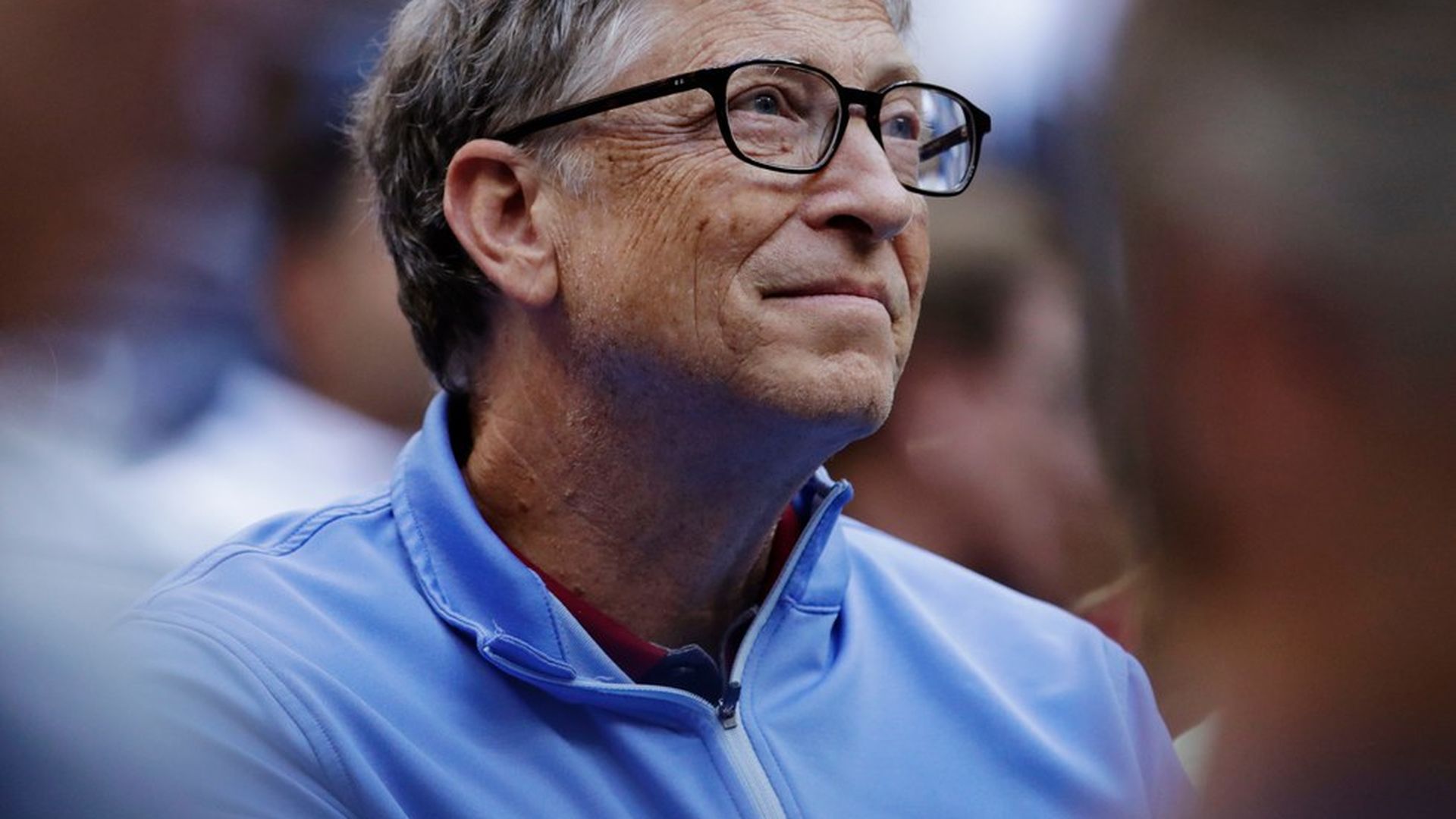
Bill Gates said Wednesday at the Bloomberg Global Business Forum that he believes that the digital revolution, to which he dedicated his early career, "is still the fastest moving thing" right now. But today, his focus has turned to the latest breakthroughs in health: "In terms of equity, it's health that I'm most excited about."
One fun thing: David Rubenstein, co-founder and co-CEO of the Carlyle group to Gates: "Control-Alt-Delete is awkward. You came up with that. Why?" Gates agreed, and said if he could go back in time the one thing he would change would be to make that a single button.
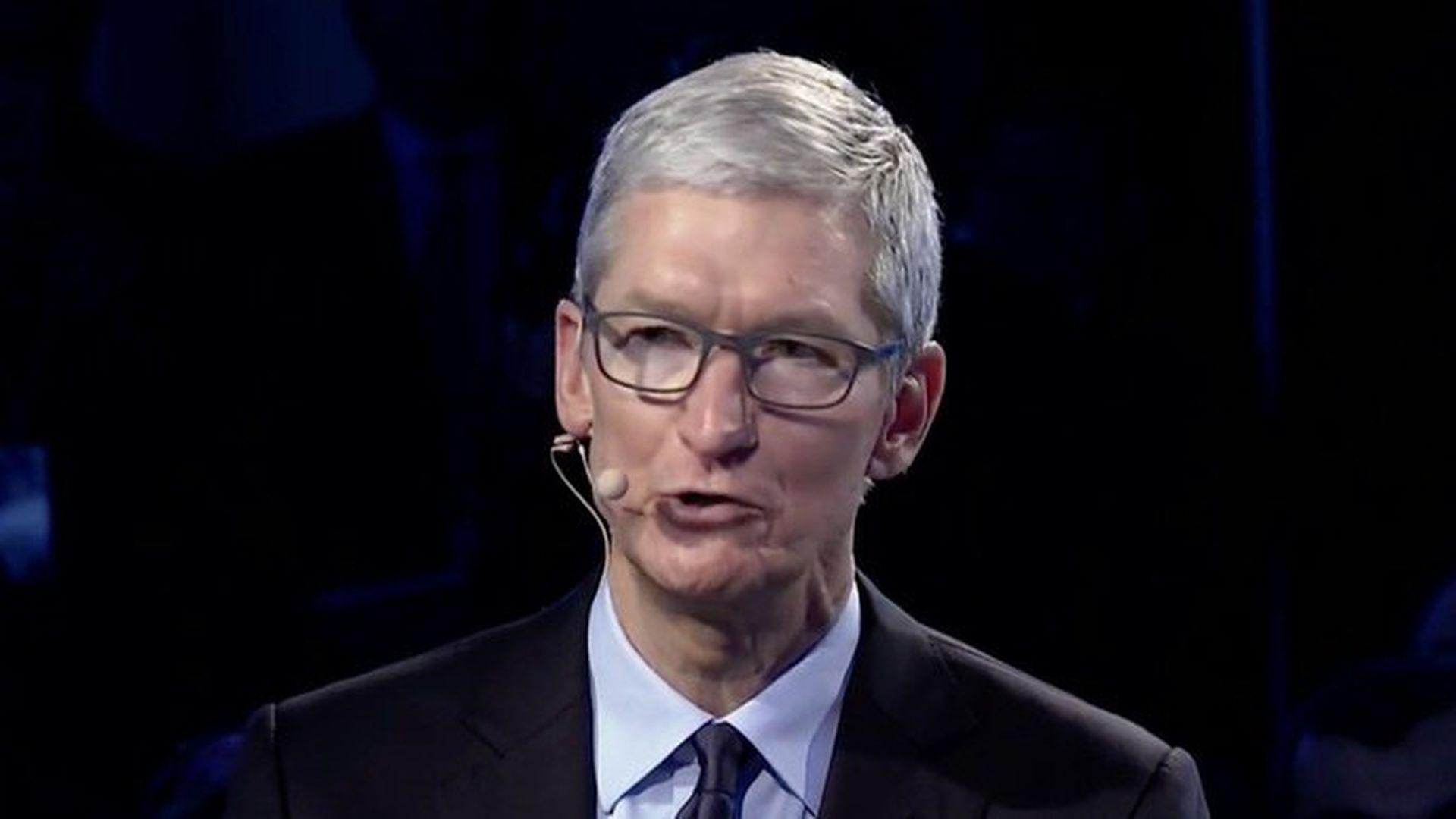
Apple CEO Tim Cook discussed his "personal shock" with the discussion surrounding what to do with Dreamers at the Bloomberg Global Business Forum in NYC Wednesday. Cook said Apple is pushing "extremely hard" on addressing the changes to DACA.
If Cook were the leader of a country: He'd want "every smart person" to be welcomed with open arms, because "smart people create jobs" ... "I'd have a very aggressive plan not to just let a few people in. I would be recruiting."
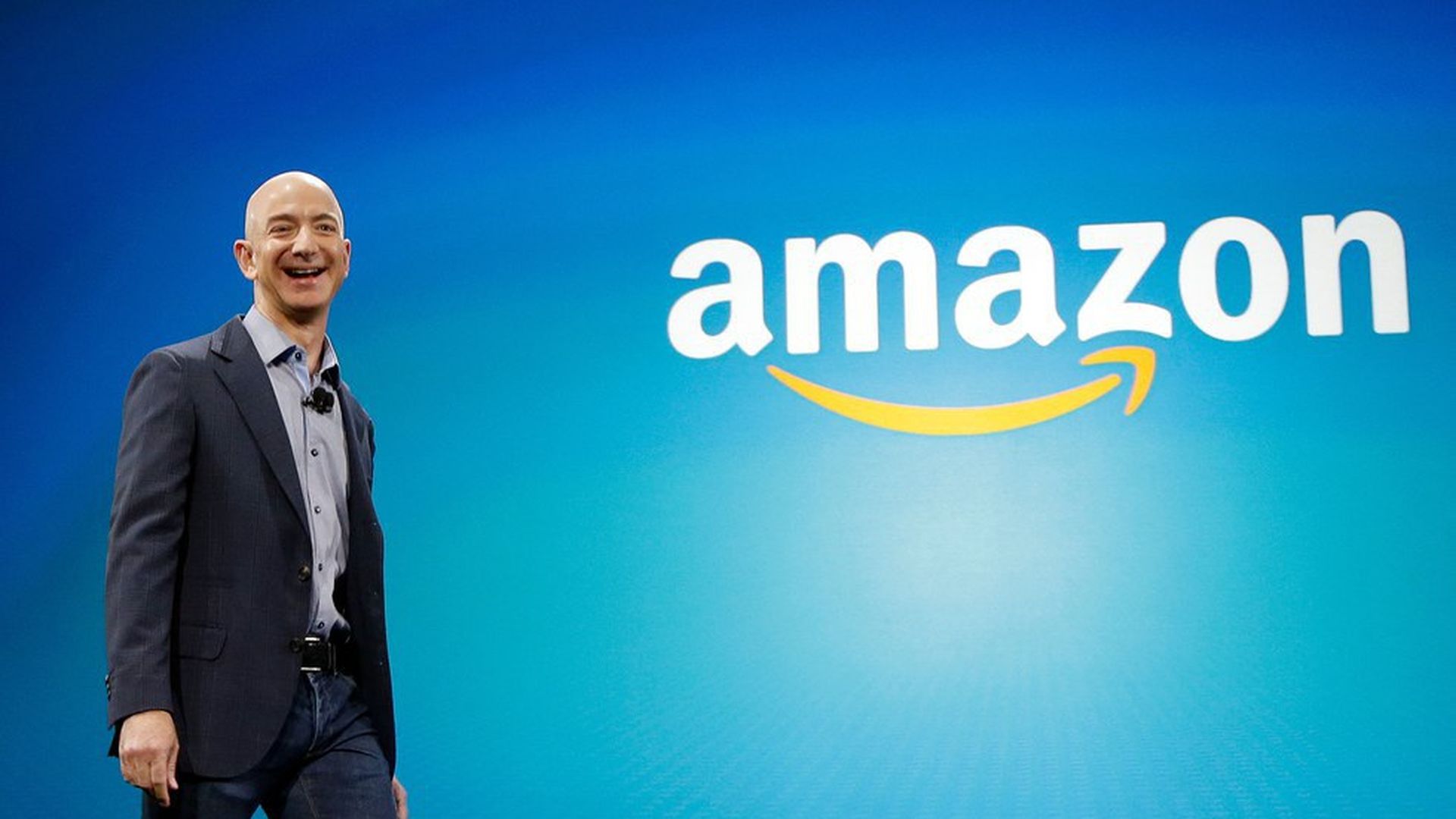
Amazon has been quietly preparing to introduce its first wearable device, a pair of smart glasses with the company's Alexa assistant built-in, according to a new report from the Financial Times. The company is also working on a connected security camera, the newspaper said, citing sources. The camera could tie in to the company's recently introduced Echo Show device. The smart glasses, the FT said, are designed to resemble regular glasses and tether to a smartphone with an audio system that sends sound to the brain via bone conduction rather than headphones.
Why it matters: Amazon flopped in its effort to tackle the smartphone effort with Fire phone, but has been working hard to make sure it doesn't miss another big category of consumer hardware.
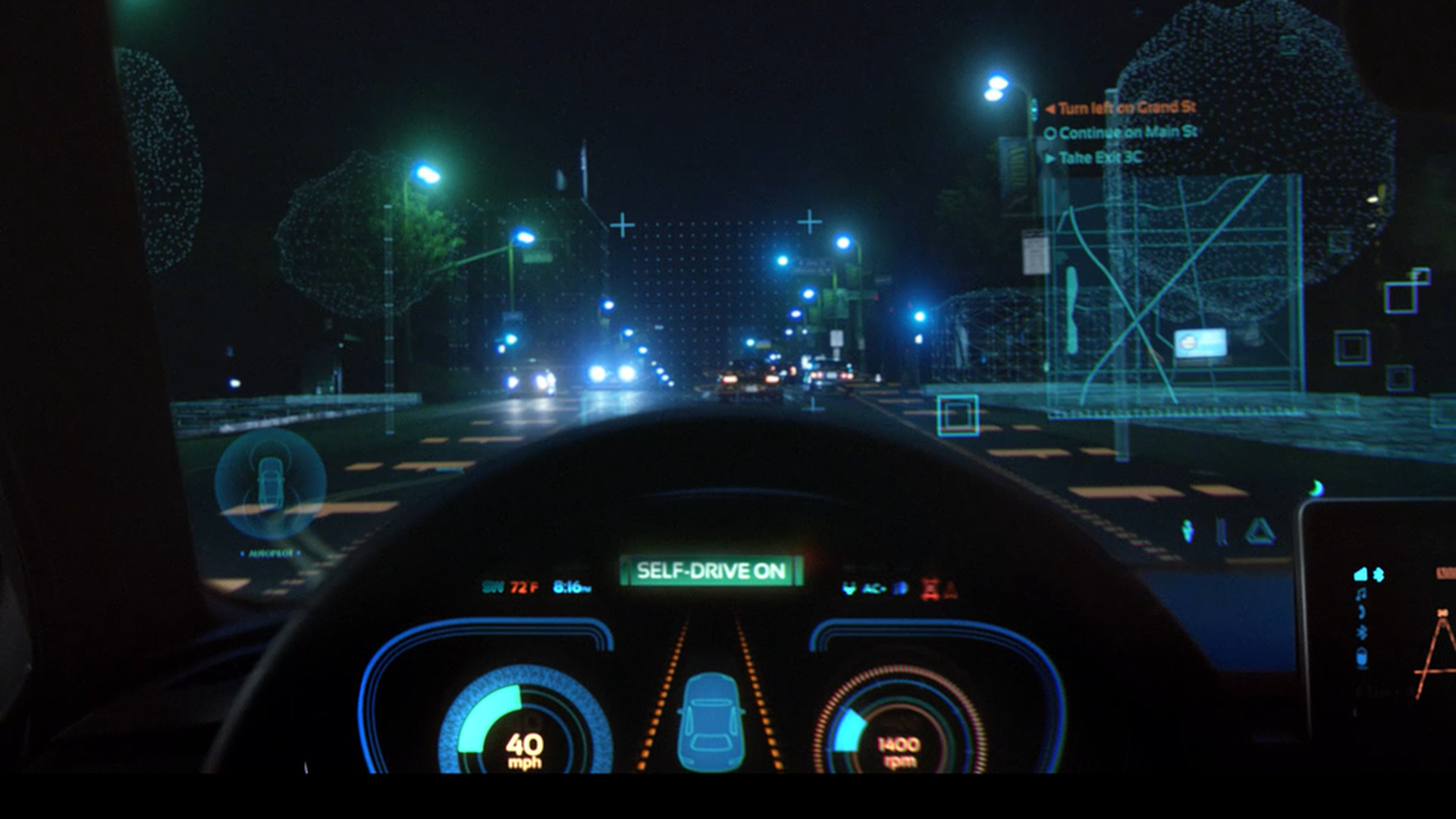
Self-driving cars are a growing industry but not a common field of study in traditional colleges. Udacity, which debuted an online education program last year to help fill the jobs demand, is now adding an introductory "nanodegree" on the topic. It will also add a nanodegree next year inspired by the nascent "flying car" industry.
Remember: Today we discuss self-driving cars as a certain future, but "this wasn't the case 3 years ago," Udacity co-founder and president Sebastian Thrun told Axios. Thrun was one of the earliest to work on Google's self-driving technology and a winner of the DARPA Grand Challenge.
Shasta Ventures, known for its early investments in companies like Nest, is debuting a new investment initiative dubbed the Shasta Camera Fund. Principal Jacob Mullins unveiled the fund on Monday at the TechCrunch Disrupt conference in San Francisco.
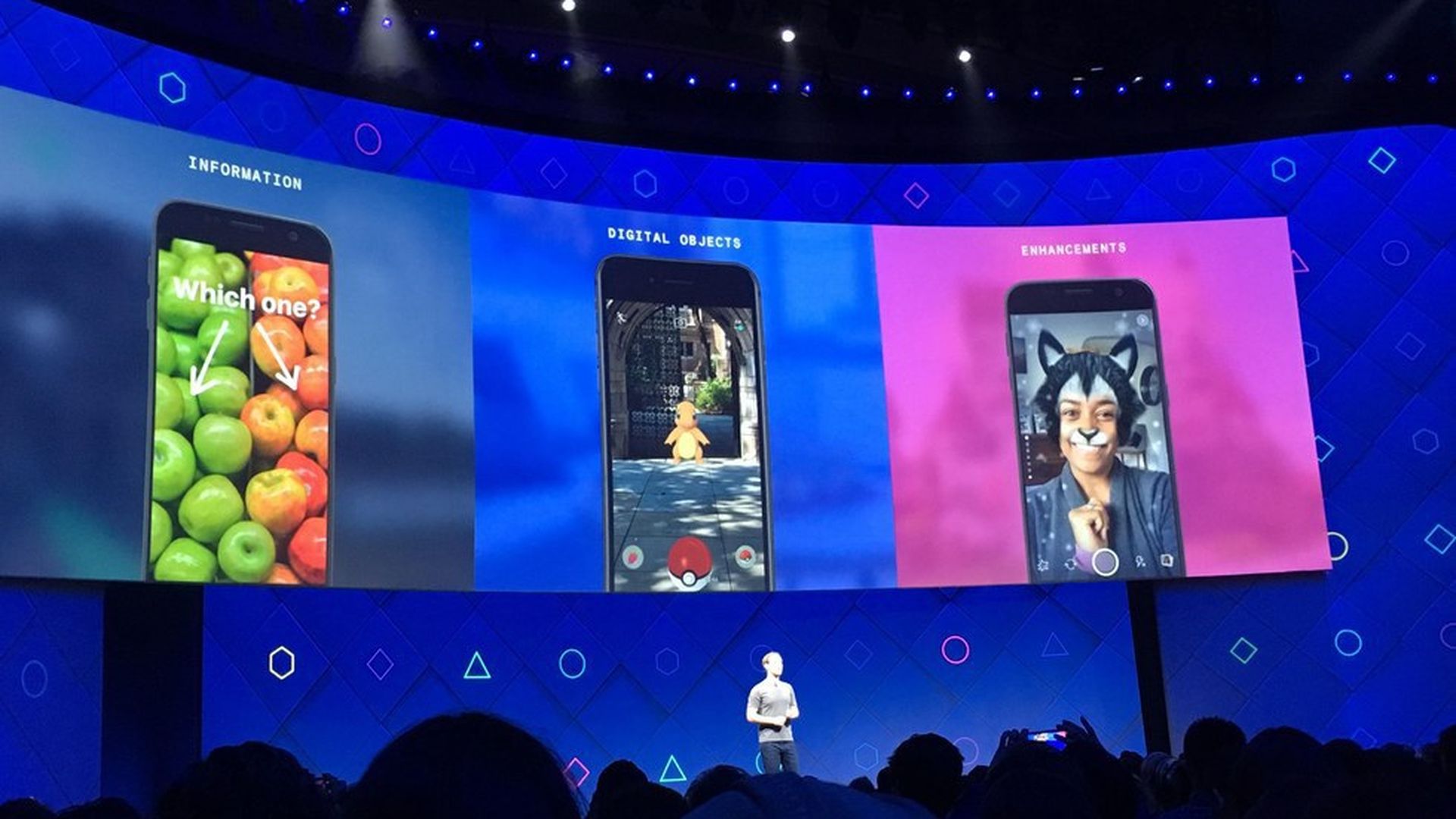
Through the new fund, the firm is going after the recent boom in apps and tools focused on photos, videos, and augmented reality. Major social media companies like Snap and Facebook have already declared the camera as the next frontier, and with tools like Apple's ARKit and Google's ARCore, among other tools, it's easier than ever for entrepreneurs to build these new media experiences.
Fund details: It will invest at the pre-seed or seed stage, up to $100,000 per startup. It's a carve-out from Shasta Ventures' Fund V.