Monday's technology stories

Apple says peer-to-peer Apple Pay transfers won't come until later this fall
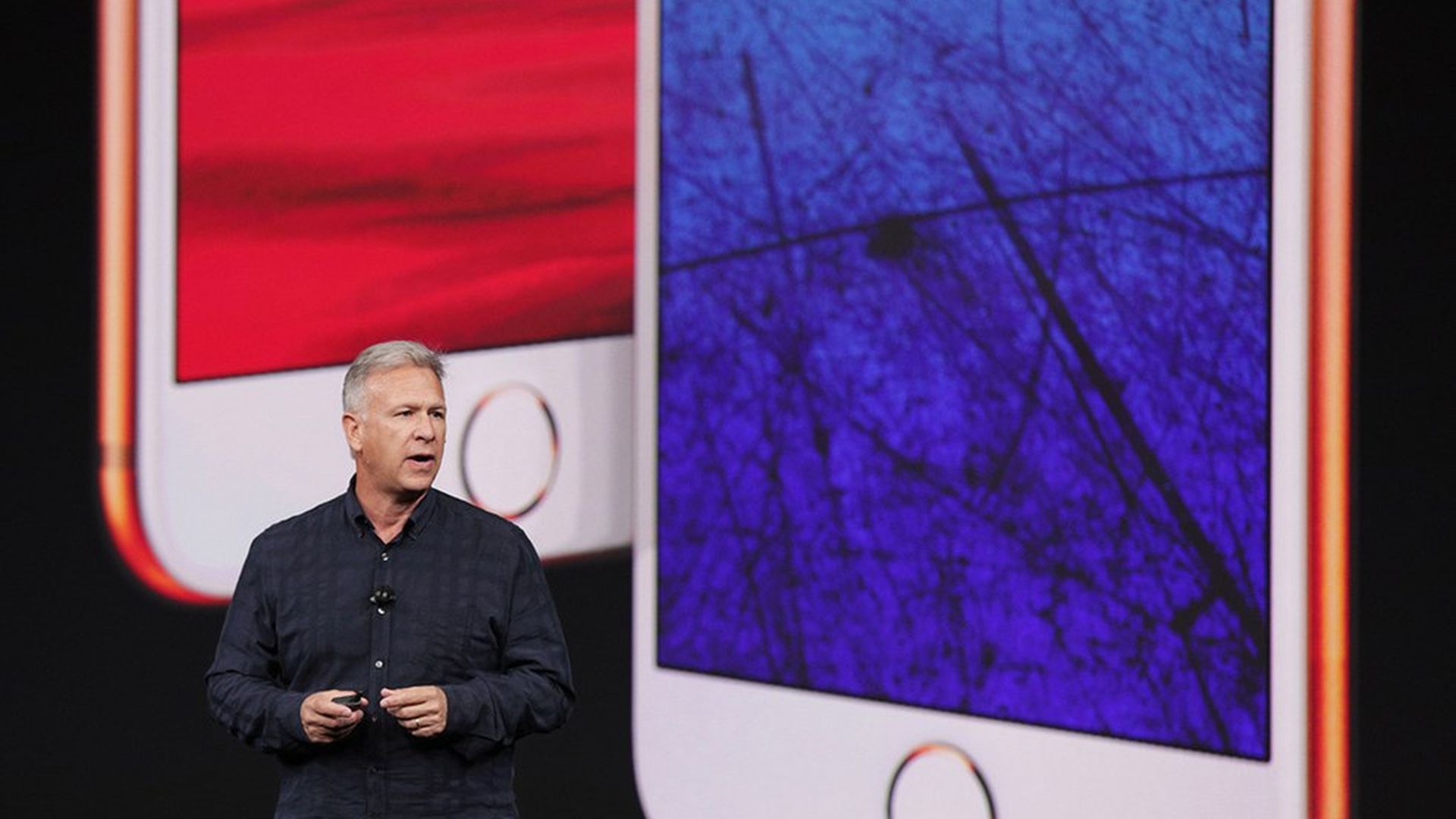
Apple said that one key feature won't be ready for this week's release of iOS 11. The company confirmed the iPhone software update will come as expected tomorrow, but the feature that allows peer-to-peer Apple Pay transfers within iMessage won't be ready until later this fall.
"Coming this fall with an update to iOS 11 and watchOS 4, Apple Pay users will be able to send and receive money from friends and family quickly, easily and securely.," Apple said in a statement.
History lesson: Apple originally announced the feature as part of iOS 11, though it hasn't been a part of public beta versions of the software. Apple didn't specifically say it would be a part of the initial release, though many assumed it would be.

Muslim minority activists in Burma say Facebook deleted posts
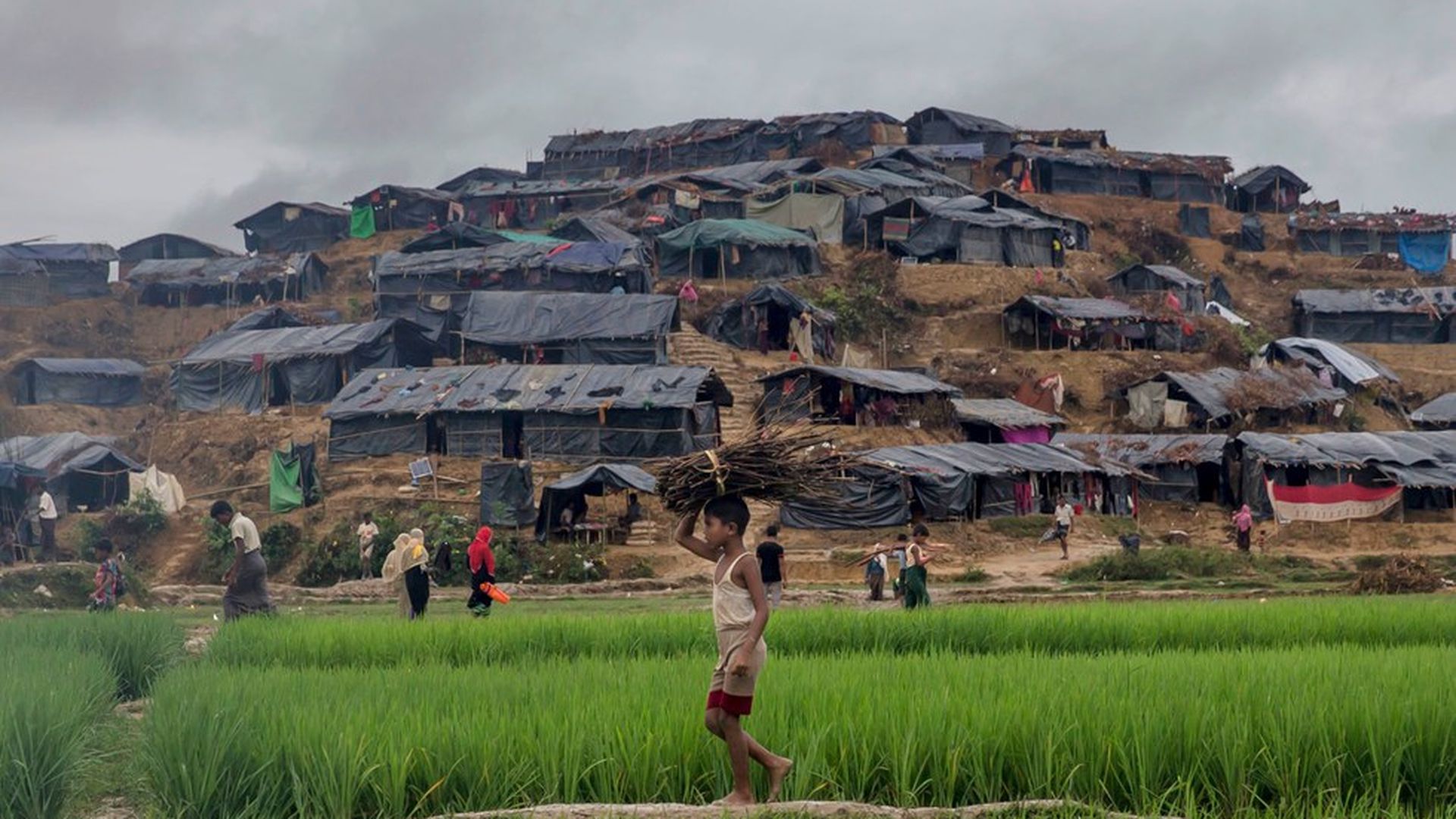
Activists who share posts documenting the persecution and ethnic cleansing of the Rohingya people by Myanmar's government on Facebook have had their posts deleted and accounts disabled, according to a report from The Daily Beast.
- Who's targeted: The Daily Beast spoke to a number of Rohingya activists — both inside and outside of Myanmar — who reported that Facebook routinely targeted their posts, which ranged from news updates to poetry, for deletion.
- Facebook's response: "In response to the situation in Myanmar, we are carefully reviewing content against our Community Standards."
- Why it matters: Myanmar just opened itself up to both the outside world and the Internet recently. Social media became the preferred form of online communication there instead of email, so cutting citizens off from Facebook by disabling their accounts can have a huge impact.
Go deeper: Myanmar's persecution of its minority-Muslim population

Why you have to wait for the iPhone X
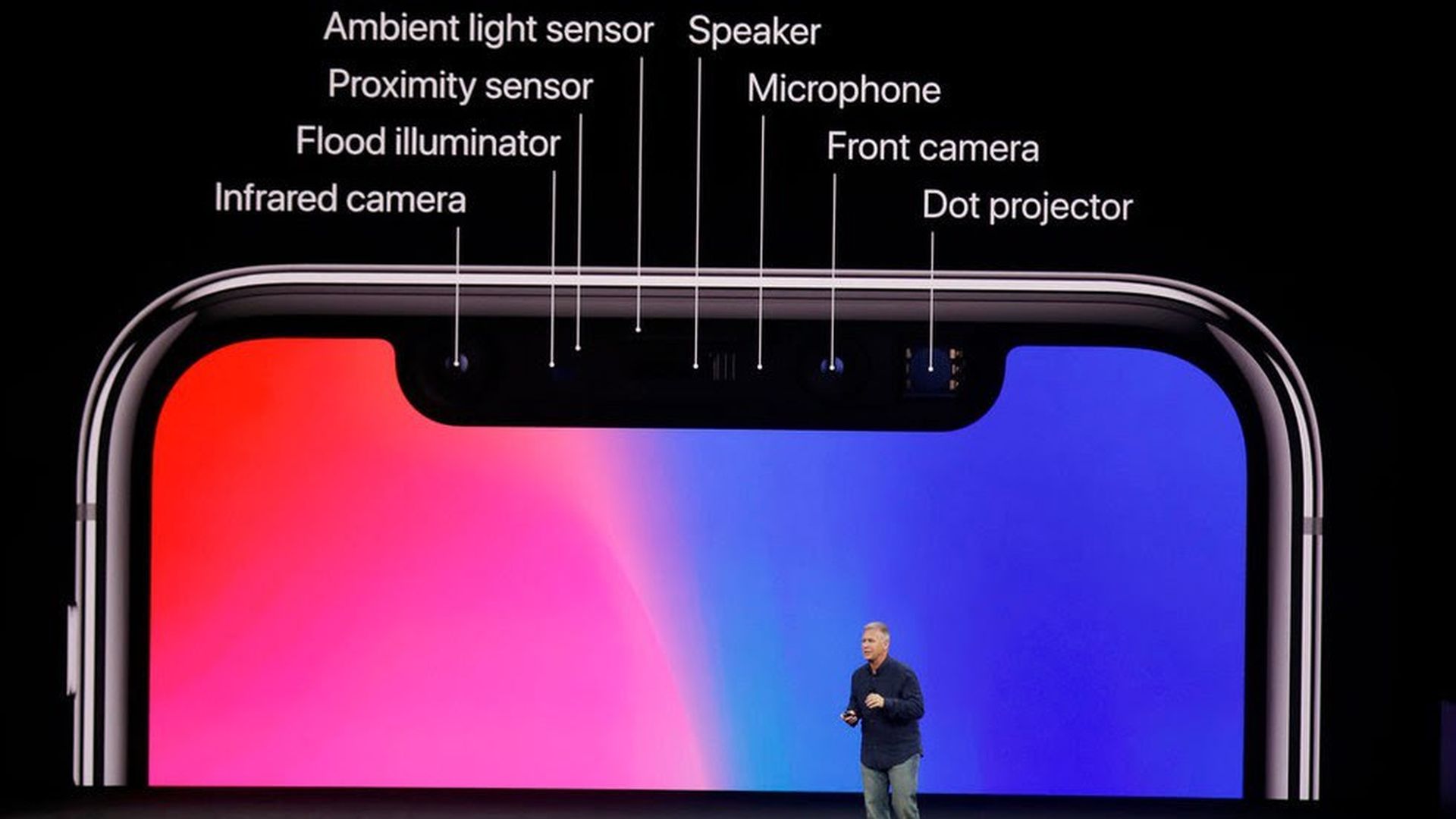
"No, we're not done with the iPhone" via USA Today:
- "OLED [Organic Light Emitting Diode] manufacturers can't build the screens fast enough as they increasingly pop up on smartphones, high-definition TVs, watches and virtual-reality headsets."
- "An OLED crunch has already muddied the releases of other consumer tech products in the past year."

What Facebook is thinking
Facebook — once the darling of Silicon Valley, America and the world — is feeling rising heat and scrutiny everywhere it reaches:
- Politicians fear it empowers corrupt actors, tips elections and enables lies. Hillary Clinton, a close ally of many at Facebook, went off on the company this past week.
- Media companies fear it destroyed their business and turned the news industry into peasant serfs on the greedy overlord's land.
- The intelligence community fears it emboldens terrorists, Russia and China — all hell-bent on manipulation and deadly mischief.
- Facebook fans worry about their data safety and the quality of content the algorithm churns out.
The secretive company prides itself on its libertarian view of its platform, with the broadest daily reach of any company in the history of mankind. But it now realizes it needs to adjust faster than its culture is capable of adapting. So I asked tech executives to walk you through the view from the eye of the storm:
- Facebook believes Robert Mueller's investigators are best-positioned to understand and explain to the public what happened in the election.
- A Facebook spokesperson told me: "We are providing information to Special Counsel, including ads and related account information."
- I've learned that although detailed findings have not been revealed, Facebook has used forensic techniques to get to the bottom of Russia-tainted electioneer activity on its platforms. Intelligence agencies may find still more activity that was cloaked.
- Facebook will argue that both tech companies and governments are in uncharted territory, and will work with lawmakers in the U.S. and around the world. The company will resist most regulation, though.
- Facebook will continue to say it can play a positive role in elections — helping people communicate directly with candidates, register to vote, learn the issues, and hold governments and elected officials accountable.
- Facebook will remind users of ways it makes the world better, including Texans using social media to help rescue each other.
- Facebook will contend that just as crime is never fully eradicated, social networks have to focus on staying ahead of people who misuse their platforms. But bad things will continue to unfold on all social networks. And Facebook anticipates more bad news cycles like the ones hitting them now.
- Facebook is learning from the U.S. election, and removed more than 30,000 fake accounts in the run-up to the French elections in May.
Be smart: The global backlash against the tech giants, after years of generally romantic treatment by governments and the press, is one of 2017's uber-stories. Each new disclosure about Russian ads and fake news makes self-policing look less viable, and makes lawmakers and regulators hungrier to intervene.
Why it matters: If people think what they're reading on the social network might be fake, or that they may be being manipulated, that could be a massive long-term problem for a platform where ad revenue depends on keeping us happily addicted. A good experience is good for business.