Friday's technology stories

LinkedIn co-founder leads new investment in Change.org

Add this to the list of Silicon Valley's responses to the age of Trump: LinkedIn founder Reid Hoffman says he's leading a "more than $30 million" round of funding for petition platform Change.org, a development first reported by Fortune. He called the website "a crucial democratizing force in this era of growing civic participation" in a post announcing the investment.
Bill Gates and Y Combinator's president, Sam Altman, are reportedly also putting money into the round. Hoffman said his contribution was "the largest personal impact investment I've made to date."
Bigger picture: There's long been interest in Silicon Valley in boosting civic engagement — Hoffman has previously invested in Change.org — and that's become more relevant after an election that jarred tech leaders. Facebook, for example, recently announced that it would connect Americans with their lawmakers.

Amazon tests demand for drive-through grocery stores
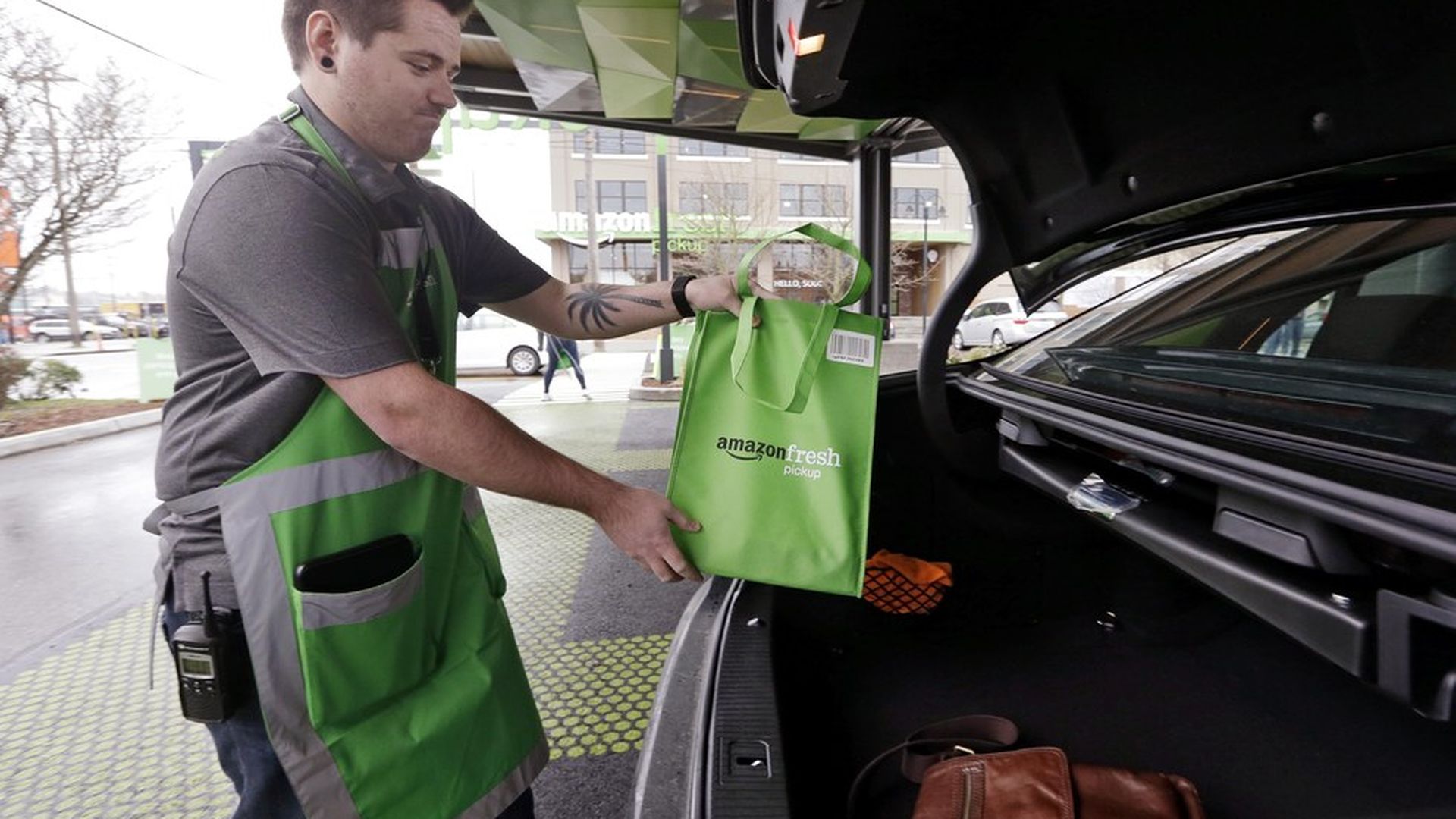
Amazon is testing the market for its AmazonFresh Pickup service by opening two Seattle locations this week. The service is free for Amazon Prime members, who can place their order online and then drive to the store to wait for an employee to wheel it out to their car.
- Why it matters: Amazon is trying to displace Wal-Mart as the largest U.S. grocer. The online shopping giant has been experimenting with selling groceries for years, with Amazon Fresh getting seeing fast growth in several markets. And its Amazon Go no-checkout convenience store idea has gotten a lot of attention.
- Big business opportunity: On average, Americans make 1.6 trips to the grocery store each week, according to The Food Marketing Institute. Grocery delivery isn't new, but consumer pickup has been slow. Amazon, however, has the benefit of its loyal Prime customers.
Google, Facebook and Snap push for surveillance reforms

Major tech companies including Facebook, Google and Snap are asking for reforms to a key government surveillance program, according to a letter obtained by Axios.
The ask: Lawmakers would have to reauthorize Section 702 of the Foreign Intelligence Surveillance Act — which is used to capture the web data of foreign citizens outside the United States — before it expires at end of the year. Privacy advocates say that the program can also pick up data of American citizens.
Why it matters: The looming deadline means another fight is coming over the scope of the American surveillance state. Silicon Valley is making its case early.

Ford veteran returns after brief stint at Uber
Sherif Marakby, an automotive executive who left Uber in April after one year, has re-joined Ford, where he previously spent 25 years, according to the Wall Street Journal. Marakby will be a vice president overseeing the company's self-driving and electric-car businesses.
The news comes a few days after Ford abruptly named James Hackett as its new CEO, replacing Mark Fields. Hackett was previously heading the company's Smart Mobility division.
Between the lines: Marakby's departure from Uber was only the latest amid a slew of controversies around the company, including an ongoing lawsuit from Alphabet's self-driving car unit, Waymo. And with Detroit's increasing focus on keeping up in the autonomous driving race and rethinking car ownership models, it's no surprise to see Marakby being wooed back by Ford, which has been heavily investing in those areas over the past year.
Judge orders Uber to hand over Otto acquisition term sheet
Uber has been ordered magistrate judge to give Waymo an unredacted version of the term sheet agreement for its 2016 acquisition of Otto, a self-driving truck company, by the end of the day. During a Thursday hearing the judge concluded there was no legal reason for Uber to censor parts of the document.
There's no decision yet regarding a due diligence report compiled by forensics firm Stroz Friedberg as part of Uber and Otto's acquisition talks. The report is believed to contain incriminating evidence.
Why this matters: Both sides have attempted to keep confidential as much as possible about their technology and businesses. Anthony Levandowski, a former Waymo employee who founded Otto and subsequently joined Uber, has further complicated the situation by asserting his Fifth Amendment right not to testify and attempted to keep certain documents private. Uber has ordered Levandowski to hand over any Waymo documents he has, or risk being fired.
Here's a full timeline of Waymo and Uber's lawsuit.
Uber's fare pricing headaches continue
A new lawsuit filed in Brooklyn federal court accuses Uber of not disclosing that it calculates riders' fares differently than for drivers, according to Fast Company. A similar one has been filed in San Francisco.
Why it matters: Uber's revenue mostly comes from the cut it takes from each ride's fare, so unsurprisingly, it's constantly tweaking its pricing strategies. Unfortunately, it's already amassed a lot of distrust from its drivers, who often feel cheated by the company, and Uber's new "upfront pricing" is increasingly frustrating both drivers and riders.

Qualcomm seeks an injunction to force Apple suppliers to pay up

Qualcomm on Wednesday asked a court to force iPhone suppliers to keep making royalty payments amid a legal dispute between Apple and Qualcomm. Qualcomm also updated one of its lawsuist to include what it says is more evidence that Apple is interfering with Qualcomm's existing arrangements with the contract manufacturing firms.
"We are confident that our contracts will be found valid and enforceable but in the interim it is only fair and equitable that our licensees pay for the property they are using," Qualcomm general counsel Don Rosenberg said in a statement to Axios.
In its amended suit, Qualcomm says that Apple has been withholding payments to suppliers and encouraging them to similarly withhold those amounts from Apple, all while promising to indemnify the suppliers if Qualcomm takes legal action.
By withholding billions of dollars in royalties so long as Qualcomm defends itself against Apple's claims, Apple is hoping to make litigation unbearable for Qualcomm and, thereby, to extract through a forced settlement what it knows it cannot obtain through judicial process—a below-market direct license. Apple's tactics are egregious.
What's at stake: Apple hopes to reduce the amount it has to pay Qualcomm, but in the mean time it is now in a dispute with a company it relies on for modem chips. Qualcomm, meanwhile, finds itself battling one of its two largest customers.
SoftBank pours $100 million into Uber's main Latin American rival
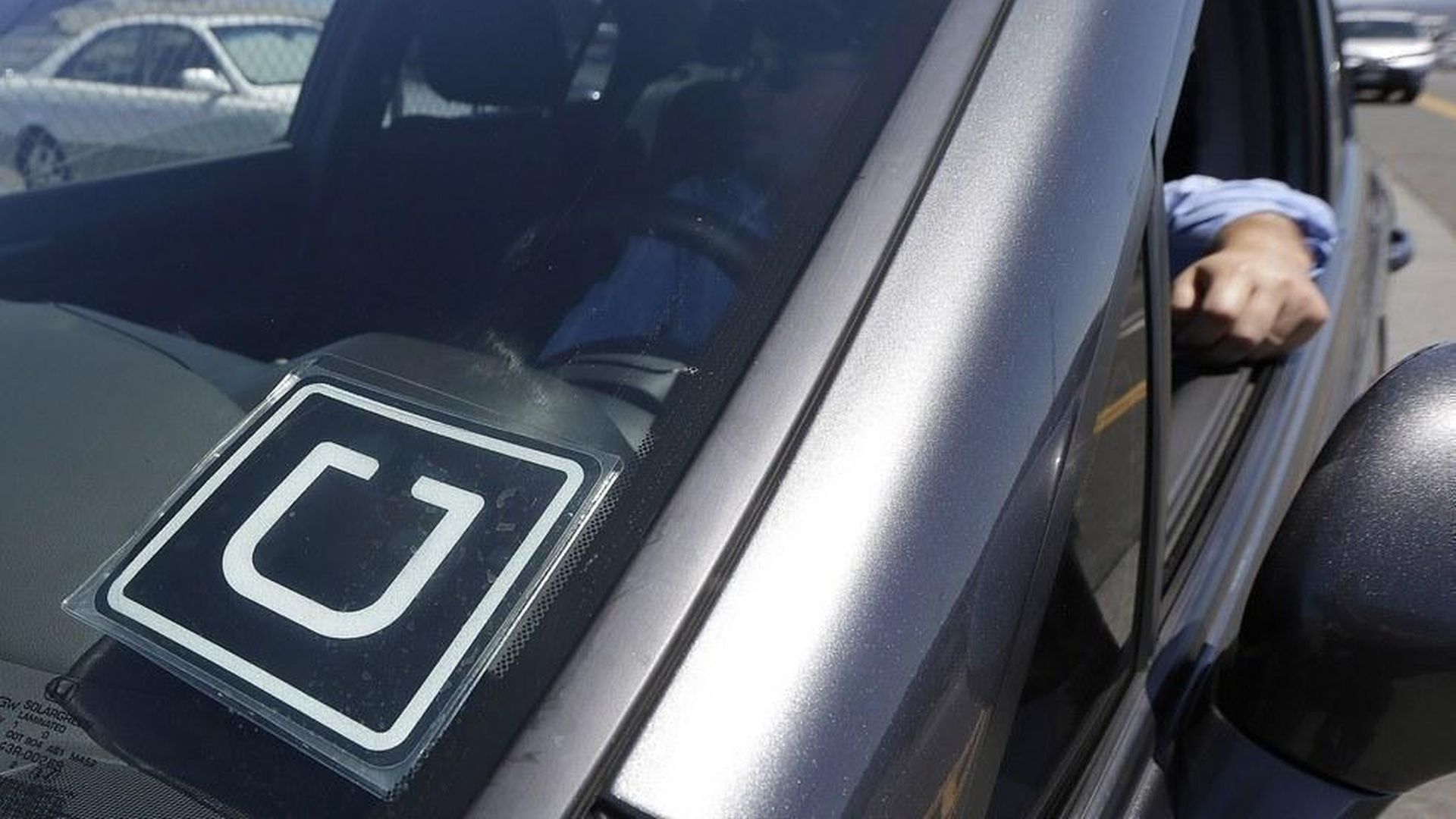
Just a few months after raising $100 million from China's Didi Chuxing, 99, a Brazil-based ride-hailing company in Latin America, has added $100 million in new funding from SoftBank.