Saturday's technology stories

LinkedIn co-founder leads new investment in Change.org

Add this to the list of Silicon Valley's responses to the age of Trump: LinkedIn founder Reid Hoffman says he's leading a "more than $30 million" round of funding for petition platform Change.org, a development first reported by Fortune. He called the website "a crucial democratizing force in this era of growing civic participation" in a post announcing the investment.
Bill Gates and Y Combinator's president, Sam Altman, are reportedly also putting money into the round. Hoffman said his contribution was "the largest personal impact investment I've made to date."
Bigger picture: There's long been interest in Silicon Valley in boosting civic engagement — Hoffman has previously invested in Change.org — and that's become more relevant after an election that jarred tech leaders. Facebook, for example, recently announced that it would connect Americans with their lawmakers.

Amazon tests demand for drive-through grocery stores
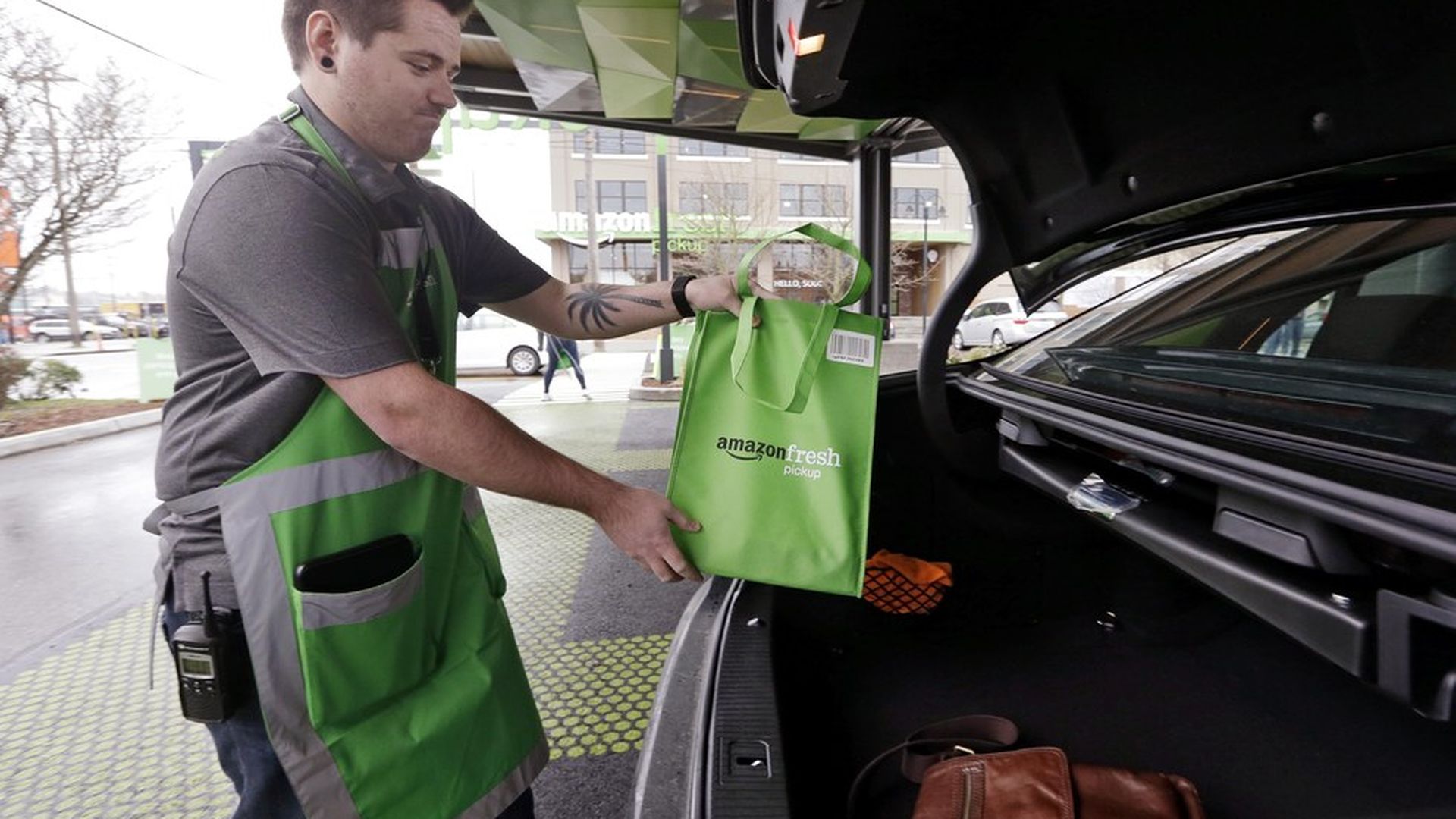
Amazon is testing the market for its AmazonFresh Pickup service by opening two Seattle locations this week. The service is free for Amazon Prime members, who can place their order online and then drive to the store to wait for an employee to wheel it out to their car.
- Why it matters: Amazon is trying to displace Wal-Mart as the largest U.S. grocer. The online shopping giant has been experimenting with selling groceries for years, with Amazon Fresh getting seeing fast growth in several markets. And its Amazon Go no-checkout convenience store idea has gotten a lot of attention.
- Big business opportunity: On average, Americans make 1.6 trips to the grocery store each week, according to The Food Marketing Institute. Grocery delivery isn't new, but consumer pickup has been slow. Amazon, however, has the benefit of its loyal Prime customers.
Google, Facebook and Snap push for surveillance reforms

Major tech companies including Facebook, Google and Snap are asking for reforms to a key government surveillance program, according to a letter obtained by Axios.
The ask: Lawmakers would have to reauthorize Section 702 of the Foreign Intelligence Surveillance Act — which is used to capture the web data of foreign citizens outside the United States — before it expires at end of the year. Privacy advocates say that the program can also pick up data of American citizens.
Why it matters: The looming deadline means another fight is coming over the scope of the American surveillance state. Silicon Valley is making its case early.