Friday's technology stories

YouTube to launch 40 free, original shows

YouTube announced it's planning to introduce a total of 40 original shows over the next year, available free to all consumers. The first few series will look a lot like content viewers are used to seeing on TV, with celebrities like Kevin Hart, Ellen DeGeneres and Katy Perry.
YouTube began producing original content series last year (30 in total) through its subscription service, YouTube Red, and heard positive feedback from advertisers. According to Bloomberg, YouTube is spending "hundreds of millions of dollars" on original content, a far cry from Amazon and Netflix's multi-billion dollar investments.
Why it matters: YouTube has taken many steps to win cord-cutting audiences through subscription-based products, but an ad-supported product available to all billion+ users is perhaps cable TV's biggest threat. Other big players that caught marketer's attention at this season's NewFronts in NYC were Twitter and Hulu.

Warren Buffett sours on IBM
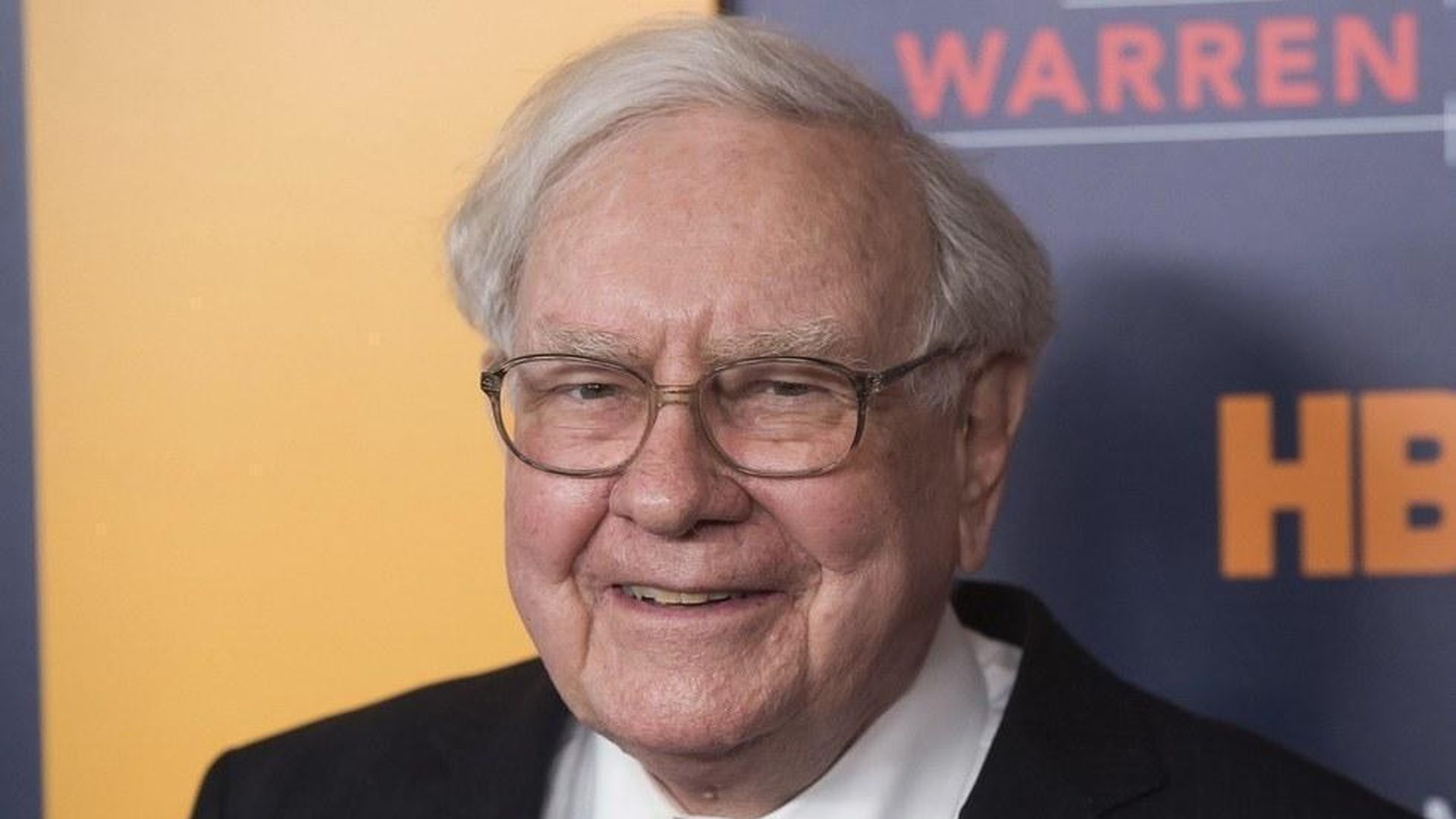
Warren Buffett, who has a significant stake in IBM, has cut his holdings by a third this year. CNBC said that Buffett owned 81 million shares as of the end of last year, but has sold off a third of that this year.
I don't value IBM the same way that I did 6 years ago when I started buying... I've revalued it somewhat. — Buffett to CNBC
"When it got above $180 we actually sold a reasonable amount of stock," the Berkshire Hathaway CEO told CNBC, adding that he has stopped selling with the stock now below $160 per share.
Why it matters: Obviously, Buffett is not just a large shareholder, but an influential investor as well. IBM has weathered many past technology transitions, but people are raising questions about whether the company can continue that streak.

DOJ reportedly investigating Uber's 'Greyball'

The Department of Justice opened a criminal probe into Uber's use of software, called "Greyball," to evade law enforcement, Reuters reports, citing anonymous sources.
Last week, Portland's transportation office published a report spotted by Bloomberg revealing an inquiry, but the company has now received a subpoena from a Northern California grand jury for certain documents, according to Reuters. Uber declined to comment.
Greyball: Uber's program, which involves manipulating what particular users see in its app, was uncovered by the New York Times in March, and the company has since said it will no longer use the software for this purpose. Uber has admitted that it used its Greyball technique on 17 rider accounts of mostly government officials in Portland during a two-week period in late 2014, before the city had implemented regulations for ride-hailing.
Facebook is shutting down Oculus' Story Studio

After two years of supporting an in-house virtual reality movie company, Facebook's Oculus unit said Thursday it will shutter its Story Studio.
In a blog post, Oculus said it would continue to help finance outside production of VR content and will devote $50 million of its previously announced $250 million VR fund to support non-gaming creations.
This helps us turn our internal research, development, and attention towards exciting but unsolved problems in AR and VR hardware and software. We're still absolutely committed to growing the VR film and creative content ecosystem.
The upshot: On the one hand, the move means less internal support for VR production. But another way of looking at it is that Facebook believes the ecosystem is healthy enough that Oculus doesn't have to be the one making the content for its headsets, which is probably necessary for the long-term health of the industry.

Eric Schmidt calls himself a 'job elimination denier'
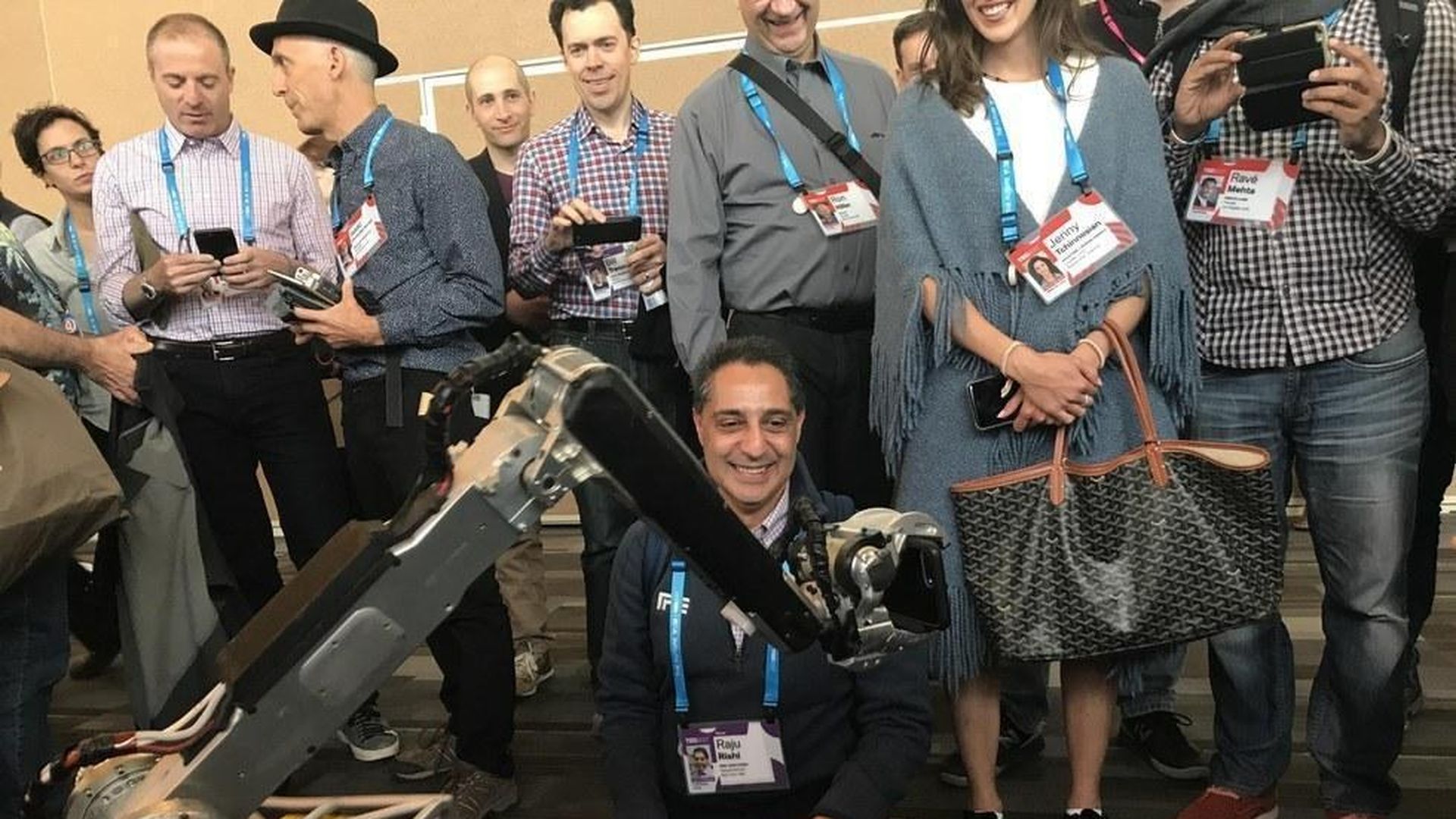
Alphabet chairman Eric Schmidt falls into the camp that believes the benefits of automation from artificial intelligence will outweigh any jobs lost because of the technology.
"I've taken the position of 'job elimination denier,'" he said on Wednesday, per CNBC. "I've just decided I'm going to be contrarian, because the data supports me, and it's more fun to be in opposition anyway." He noted that economists "would say that you can see the job that's lost, but you very seldom can see the job that's created."
Why it matters: There's a huge public debate raging about the effect that rising automation will have on employment. Silicon Valley stands to gain a lot from the trend — given many companies are invested in A.I. and robotics — so it will be interesting to see how major tech execs approach the issue.
Graphics chipmaker Imagination looks to sell units as dispute with Apple deepens

Unable to resolve its row with key customer Apple, British chip firm Imagination Technologies said Thursday that it has entered a formal dispute resolution process and is also looking to sell some of its assets.
Imagination disclosed last month that Apple had notified the company of plans to move to in-house graphics technology within two years. Imagination said it would take steps to either negotiate a new licensing deal with Apple or protect its intellectual property.
On Thursday, Imagination said that it has failed to make progress with Apple and will look to sell two of its non-graphics chip businesses. An Apple representative declined to comment.
Why it matters: Apple is a key customer for Imagination and its clear that the company's future is far bleaker without that business. For Apple, it's another sign the company is looking to wring out costs where it can. Apple is already in a dispute with Qualcomm over the amount of licensing payments it makes with that company.
Uber gets bruised, though not necessarily beaten, in court
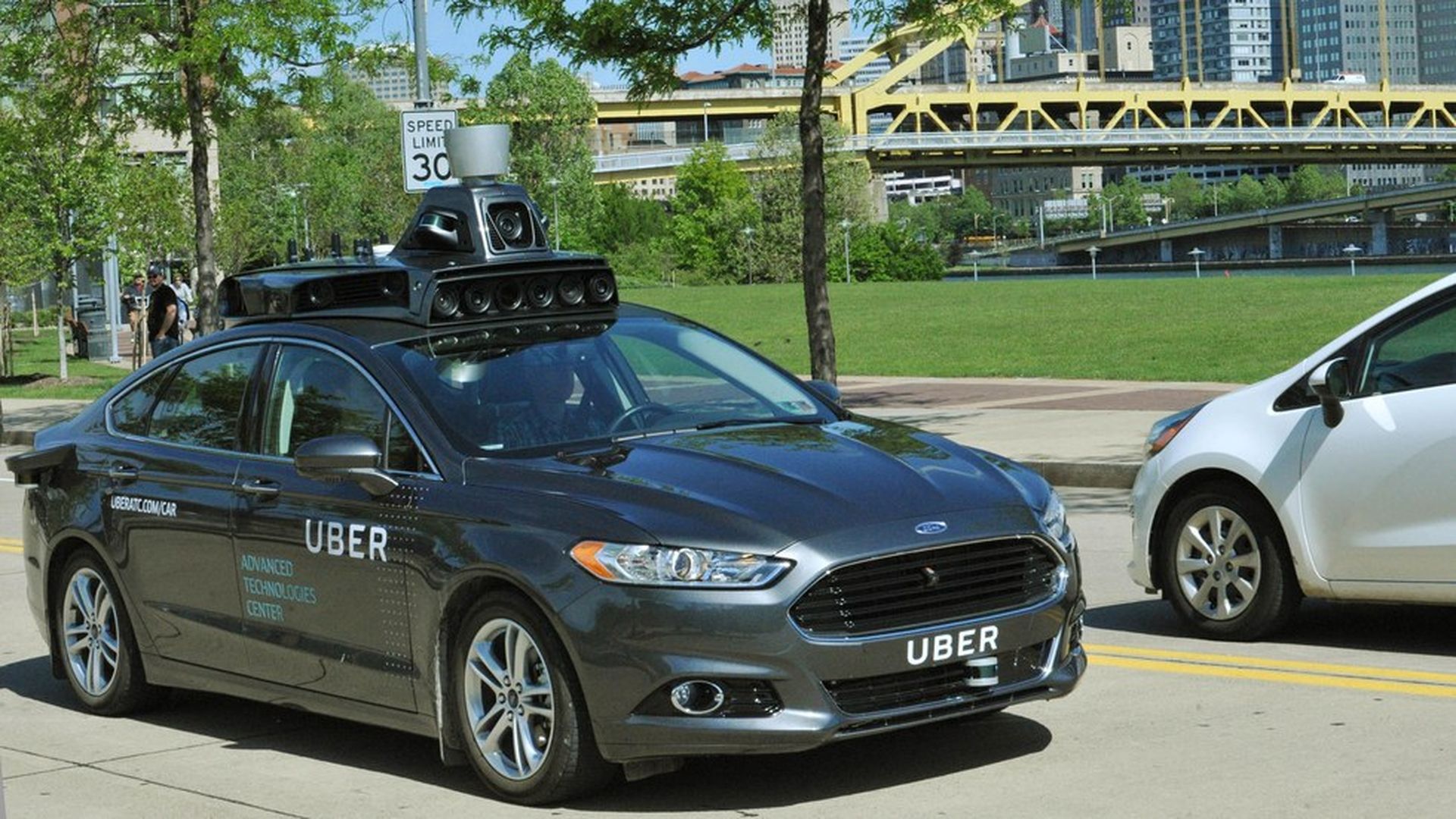
Win or lose, Uber had a rough day in court Wednesday, in its dispute with Waymo, the former Google self-driving car unit.
Judge William Alsup appears likely to grant some sort of injunction, though it may be narrower than Waymo would like and could even be as simple as codifying things that Uber has already agreed to do. Uber, for example, has already agreed to remove Anthony Levandowski from responsibility for the company's LiDAR work until the case is concluded.
And, while it may or may not help it win an injunction, Waymo provided more evidence to support its contention that Uber was in contact with Levandowski before he left the former Google self-driving car unit on Jan. 27, 2016.
Why it matters: Today Uber is all about matching riders with human drivers. But the economics of its service look a whole lot better if it doesn't need humans behind the wheel. A broad injunction could slow its shift to self-driving cars or force it to look to other companies for the technology.

Google ventures into DIY artificial intelligence

Google has been making its own artificial intelligence advancements, but now the Silicon Valley giant wants you to take control. They've teamed up with the UK's Raspberry Pi — a tech company with the eponymous credit-card sized computer — to introduce "Artificial Intelligence Yourself" projects, a spin on DIY for AI.
Why it matters: This is the first time Google has created and distributed something specifically for hobbyists and makers — DIY artificial intelligence engineers.
What they're doing: They're distributing kits, bundled for free with this month's issue of the Raspberry Pi magazine (The Mag Pi), that allow you to make your own version of Google Home or Amazon's Alexa.