After two years of supporting an in-house virtual reality movie company, Facebook's Oculus unit said Thursday it will shutter its Story Studio.
In a blog post, Oculus said it would continue to help finance outside production of VR content and will devote $50 million of its previously announced $250 million VR fund to support non-gaming creations.
This helps us turn our internal research, development, and attention towards exciting but unsolved problems in AR and VR hardware and software. We're still absolutely committed to growing the VR film and creative content ecosystem.
The upshot: On the one hand, the move means less internal support for VR production. But another way of looking at it is that Facebook believes the ecosystem is healthy enough that Oculus doesn't have to be the one making the content for its headsets, which is probably necessary for the long-term health of the industry.
Alphabet chairman Eric Schmidt falls into the camp that believes the benefits of automation from artificial intelligence will outweigh any jobs lost because of the technology.
"I've taken the position of 'job elimination denier,'" he said on Wednesday, per CNBC. "I've just decided I'm going to be contrarian, because the data supports me, and it's more fun to be in opposition anyway." He noted that economists "would say that you can see the job that's lost, but you very seldom can see the job that's created."
Why it matters: There's a huge public debate raging about the effect that rising automation will have on employment. Silicon Valley stands to gain a lot from the trend — given many companies are invested in A.I. and robotics — so it will be interesting to see how major tech execs approach the issue.
Unable to resolve its row with key customer Apple, British chip firm Imagination Technologies said Thursday that it has entered a formal dispute resolution process and is also looking to sell some of its assets.
Imagination disclosed last month that Apple had notified the company of plans to move to in-house graphics technology within two years. Imagination said it would take steps to either negotiate a new licensing deal with Apple or protect its intellectual property.
On Thursday, Imagination said that it has failed to make progress with Apple and will look to sell two of its non-graphics chip businesses. An Apple representative declined to comment.
Why it matters: Apple is a key customer for Imagination and its clear that the company's future is far bleaker without that business. For Apple, it's another sign the company is looking to wring out costs where it can. Apple is already in a dispute with Qualcomm over the amount of licensing payments it makes with that company.
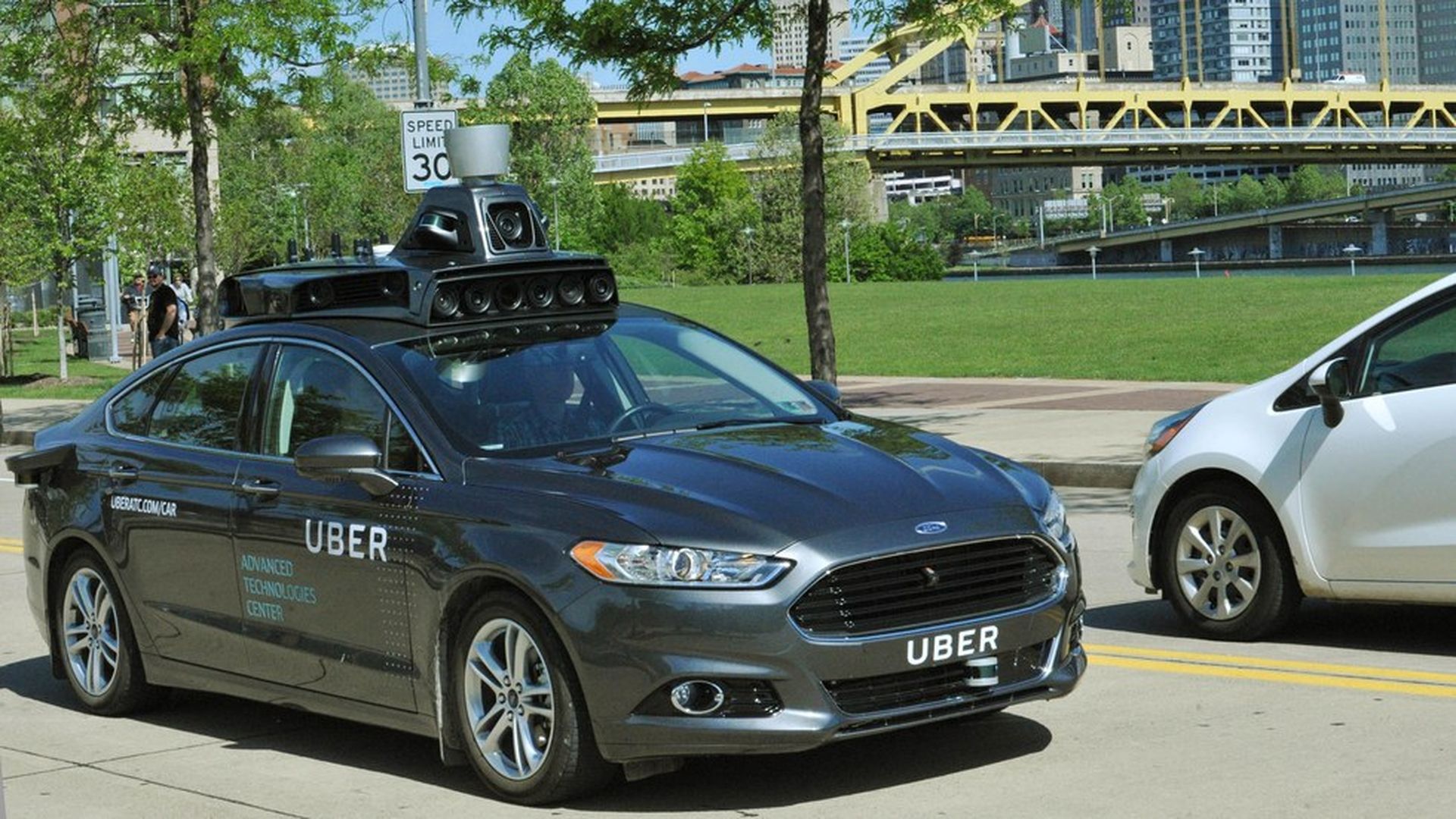
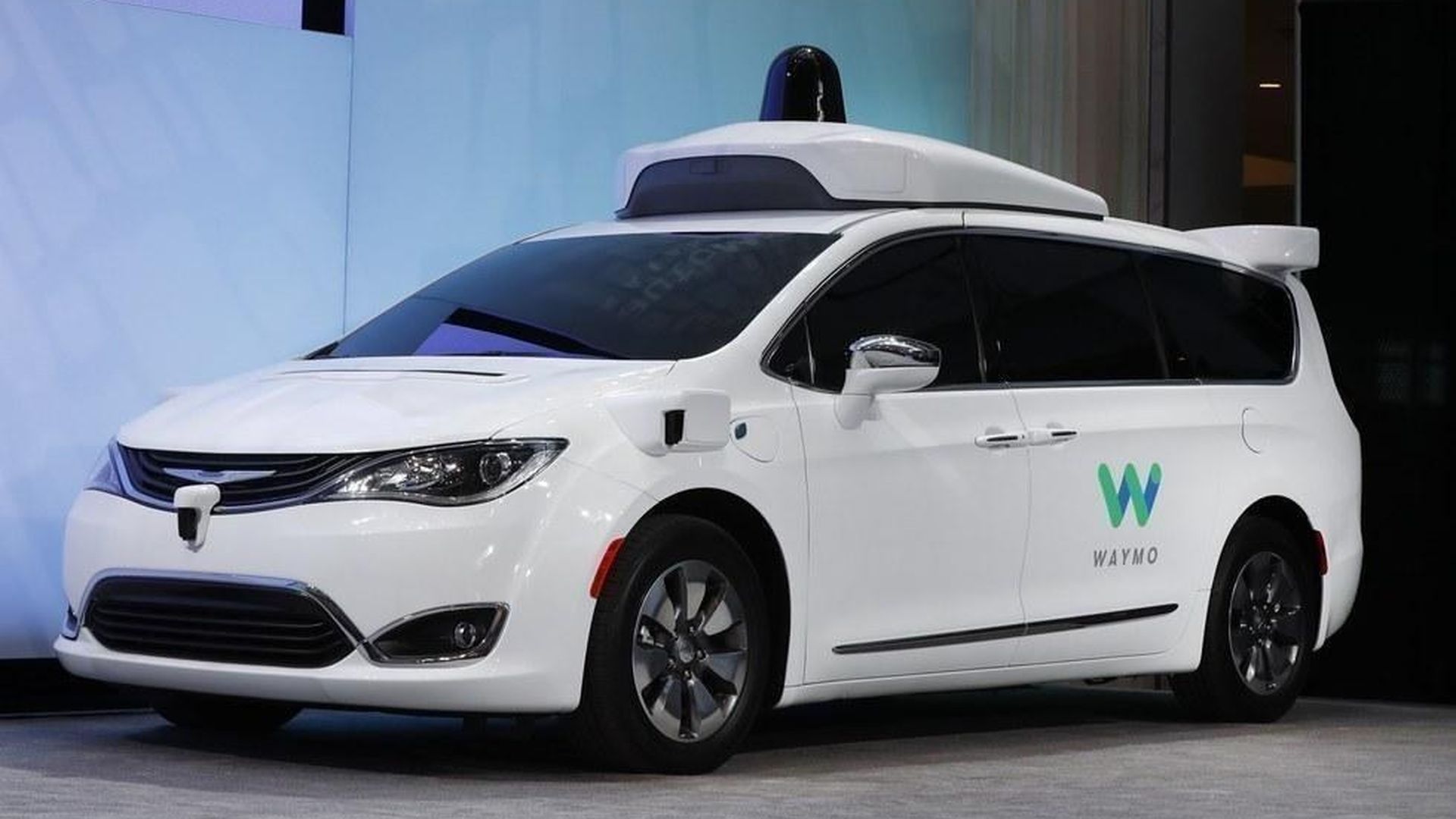
Win or lose, Uber had a rough day in court Wednesday, in its dispute with Waymo, the former Google self-driving car unit.
Judge William Alsup appears likely to grant some sort of injunction, though it may be narrower than Waymo would like and could even be as simple as codifying things that Uber has already agreed to do. Uber, for example, has already agreed to remove Anthony Levandowski from responsibility for the company's LiDAR work until the case is concluded.
And, while it may or may not help it win an injunction, Waymo provided more evidence to support its contention that Uber was in contact with Levandowski before he left the former Google self-driving car unit on Jan. 27, 2016.
Why it matters: Today Uber is all about matching riders with human drivers. But the economics of its service look a whole lot better if it doesn't need humans behind the wheel. A broad injunction could slow its shift to self-driving cars or force it to look to other companies for the technology.
Google has been making its own artificial intelligence advancements, but now the Silicon Valley giant wants you to take control. They've teamed up with the UK's Raspberry Pi — a tech company with the eponymous credit-card sized computer — to introduce "Artificial Intelligence Yourself" projects, a spin on DIY for AI.
Why it matters: This is the first time Google has created and distributed something specifically for hobbyists and makers — DIY artificial intelligence engineers.
What they're doing: They're distributing kits, bundled for free with this month's issue of the Raspberry Pi magazine (The Mag Pi), that allow you to make your own version of Google Home or Amazon's Alexa.
The Atlantic comes across a new analysis that details how automation is going to impact jobs in industries such as food preparation and office support and breaks down which metropolitan areas will be most impacted. It's not the expected Rust Belt manufacturing cities, but growing places in the Sun Belt like Las Vegas, El Paso and Orlando.
Why this matters: The study shows the massive impact automation will have. "[A]lmost all large American metropolitan areas may lose more than 55 percent of their current jobs because of automation in the next two decades," the study's authors conclude, according to the Atlantic.
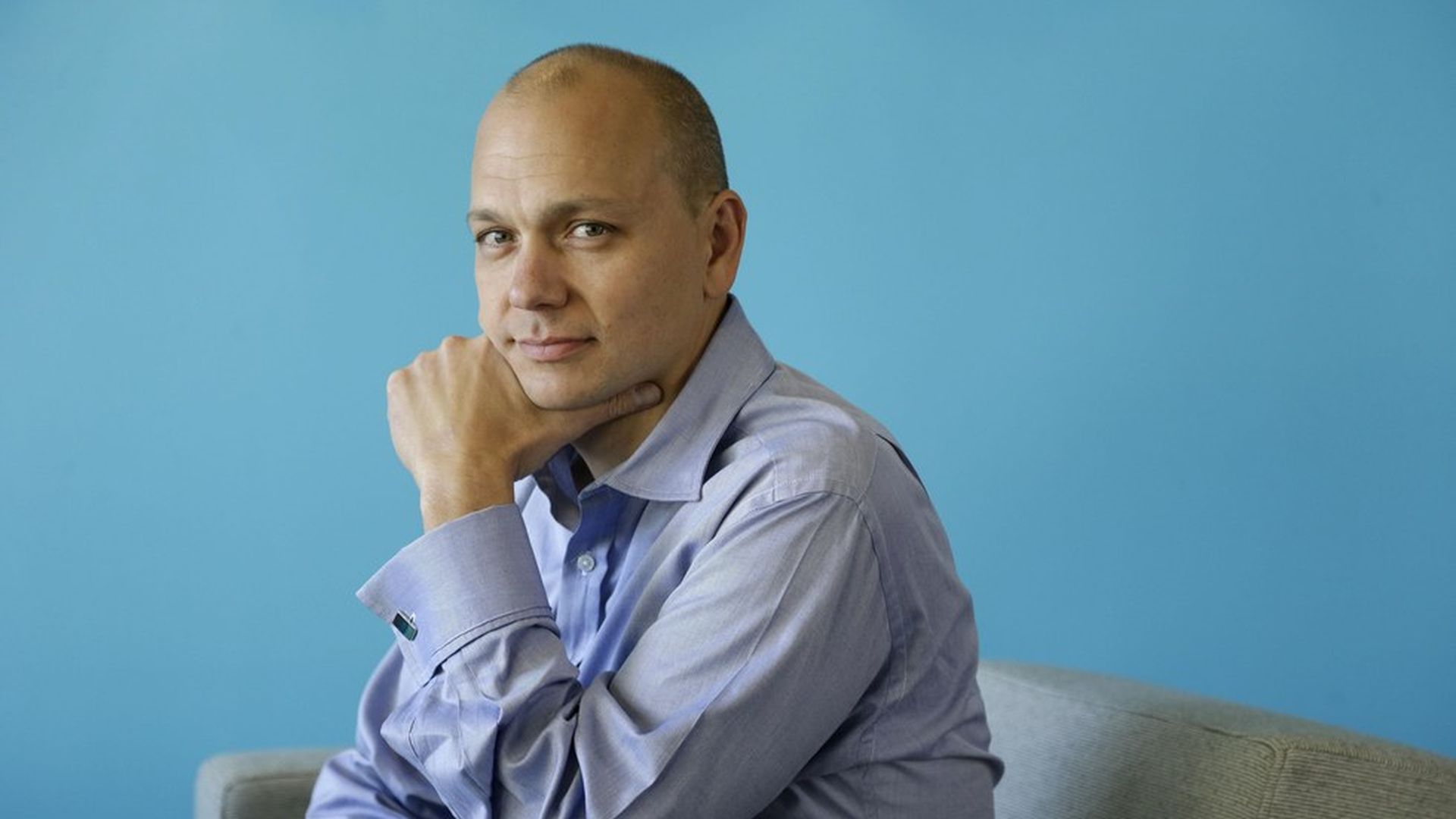
Tony Fadell, best known as one of the creators of the iPod and later co-founder and CEO of Nest, is joining the advisory council of Magna, a Canadian auto parts supplier and manufacturer, he told several mediaoutlets.
What it means: Over the last few years, there's been an increasing interest in the next generation of vehicles, including a boom in development of self-driving technology. And with Silicon Valley now in the race along established automakers, companies like Magna are looking to bring in the needed expertise.
Fadell will be joined by former Ford CTO Paul Mascarenas, and MIT mechanical engineering professor Ian Hunter, along with three others. Fadell has shown a growing interest in automotive in the last couple of years, quietly helping found Actev Motors, a startup that built an electric go-kart.
What policy challenges are posed by the rise of virtual reality? Republican Rep. Darrell Issa offered one answer at a Wednesday event in honor of the launch of a congressional caucus devoted to VR and its ilk:
"So, why do we need this caucus? Because we're going to start asking the question of, 'Can somebody get their pilot's license with 75, 80, 90 percent of the time being a virtual reality?' Can we in fact create better doctors with a lot less time over a human being and a lot more time … [using] a simulator as we would call it today? Government's going to have to be creative in understanding that."
There's more: Panelists at the event highlighted issues as wide ranging as privacy and how to regulate commerce in virtual worlds.
Snapchat has faced some skepticism from advertisers, especially after Instagram blatantly copied one of its main features. But it might have a new convincing argument: Its valuable young users can't be reached elsewhere.
Snapchat faithful: During the fourth quarter of last year, 35% of Snapchat's daily users in the U.S. don't check Facebook on that day, 46% can't be found on Instagram, and 61% aren't watching YouTube on a given day, according to data from mobile analytics company App Annie published by Bloomberg. During that quarter, Snapchat had 60 million daily active users in the U.S. and Canada.
Why it matters: Snapchat has faced a lot of criticism for not having as many users as Facebook, but this third-party report adds to its argument that its users are nevertheless incredibly valuable and engaged.
Lawyers for Google's former self-driving car unit showed internal Uber emails Wednesday that it says bolster its case that former executive Anthony Levandowski was conspiring to steal trade secrets before he left Waymo.
Why this matters: The parties are in court Wednesday trying to convince a federal judge to halt Uber's work on self-driving cars. In arguing for an injunction, Waymo lawyers argued that Uber and Levandowski devised a plan to come up with a company for Uber to later buy. Uber did later purchase Otto, a self-driving truck company where Levandowski was a founder.
Long gone are the days of unpaid internships, at least at these 25 companies who are paying interns more than what the average American earns. Tech and finance interns in particular — including at Google, Bloomberg, BlackRock, and Facebook — earn more per month than the average American, according to data released by Glassdoor Tuesday.
Data: Glassdoor; Chart: Andrew Witherspoon / Axios
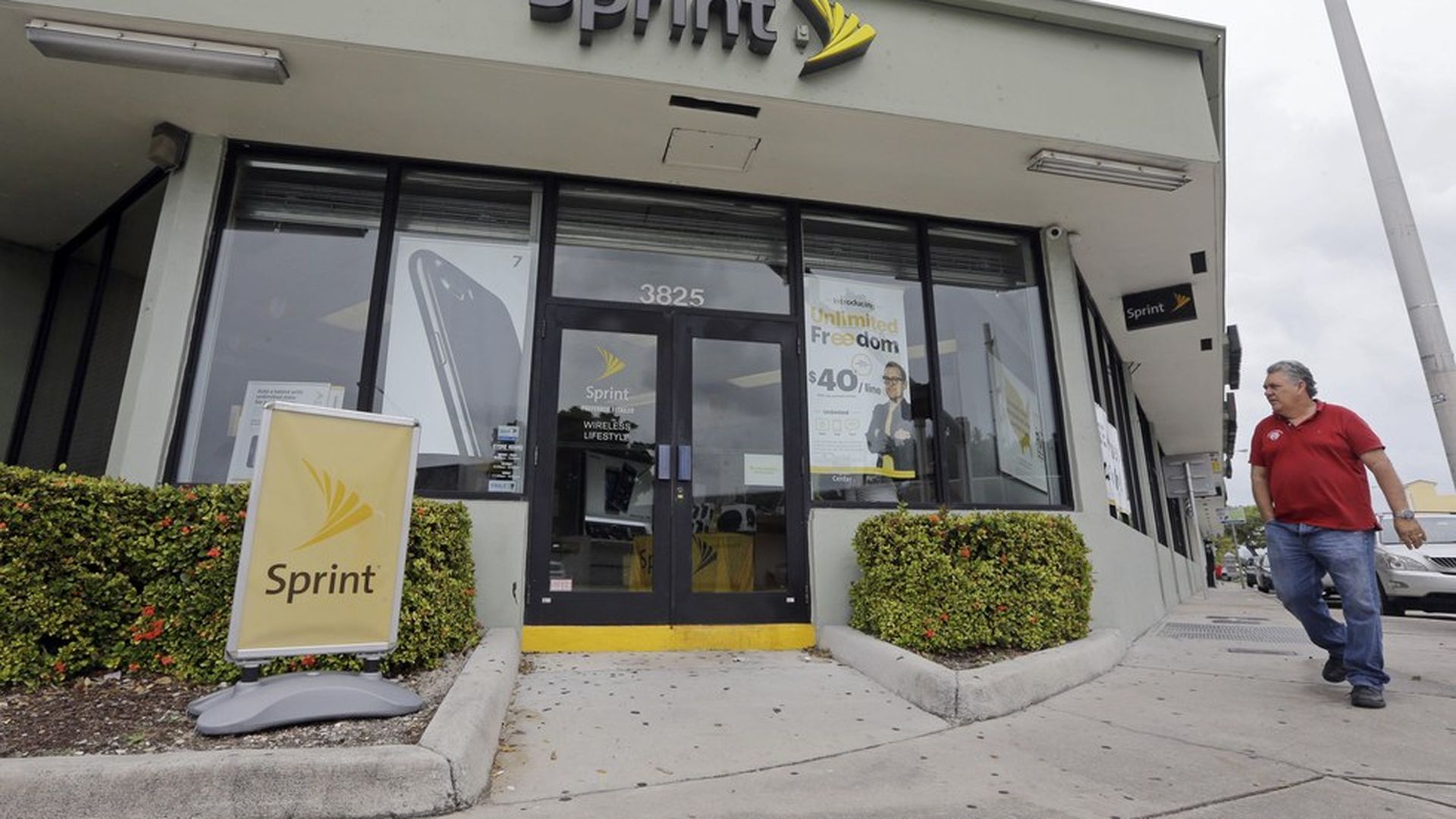
Sprint said it added 42,000 monthly subscribers in the first quarter of 2017 and continued to cut costs to narrow its losses, which it says gives the company the luxury of being patient when evaluating potential merger partners.
The No. 4 national wireless carrier has struggled to compete against larger rivals, fueling speculation that it will seek to merge with No. 3 carrier T-Mobile now that the FCC's quiet period for M&A discussions has ended.