Monday's technology stories

Microsoft says it has heard from Wikileaks
Microsoft said Monday it has indeed heard from Wikileaks, which had said it would contact the tech firms whose vulnerabilities were disclosed in a massive document dump on its site.
"WikiLeaks has made initial contact with us via [email protected]," a representative told Axios, adding that no information has yet been shared with the software maker.
Microsoft, Apple and Google scrambled to assess the Wikileaks data following the massive dump, but Apple and the others said they believe most of the holes mentioned have already been patched. Google and Apple representatives were not immediately available to say whether Wikileaks had been in direct contact.

Facebook to developers: don't use our data for "surveillance" tools
Facebook is underscoring that developers can't use the data they get from the company — and its subsidiary Instagram — "to provide tools that are used for surveillance." Rob Sherman, the company's Deputy Chief Privacy Officer, had this to say in a Facebook post announcing the policy change:
"Our goal is to make our policy explicit."
Why this matters: Advocates have condemned the use of data from social networks to assist law enforcement in surveillance. After the ACLU of Northern California highlighted the use of a tool called Geofeedia last year, Facebook and Instagram both moved to limit its access to their platform's data.

Coming soon: edible robots, moving around your insides
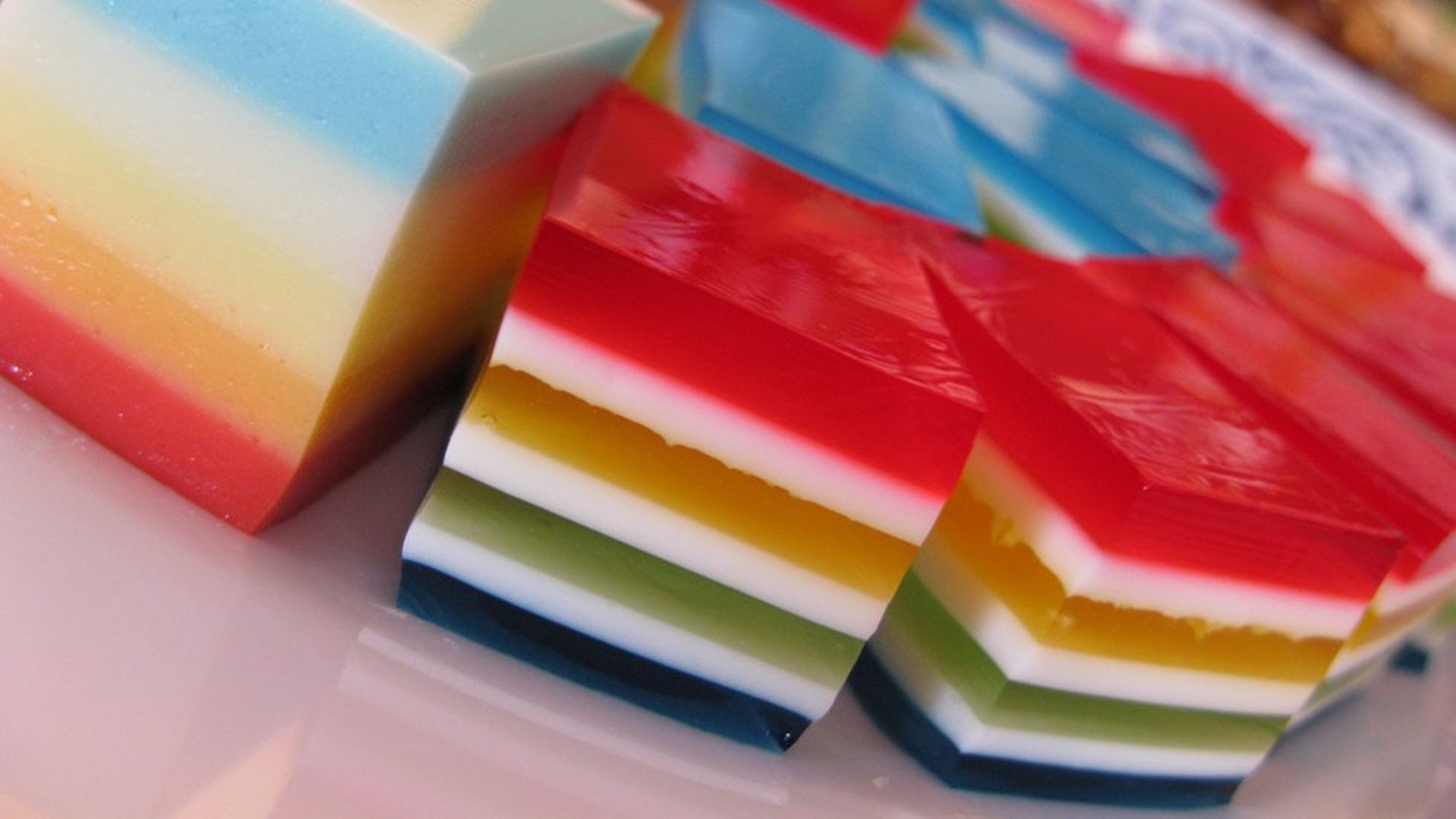
Researchers from Intelligent Systems Laboratory at Ecole Polytechnique Fédérale de Lausanne in Switzerland have been working on the creation of a tiny edible and digestible robotic actuator which may be used to deliver medicine in the intestinal track or help provide internal stability, reports Recode.
These edible actuators are covered in gelatin, which is already used safely as an outer layer in medicine capsules available over the counter, and filled with air or fluid that reacts to chemicals, causing them to move. The researchers at EPF told Recode that if you combine these gelatin actuators with other edible electronics — such as ingestible batteries, chips and cameras — you could one day have a fully edible robot.
Intel confirms $15 billion Mobileye deal
As earlier reported by Axios, Intel is paying $15.3 billion to acquire Israeli computer vision company Mobileye in an effort to boost the chipmaker's position in the autonomous car market.
That makes it the biggest deal of the year, the largest ever for an Israeli company and Intel's second largest deal ever, according to S&P Global Market Intelligence.
Intel is tapping its foreign cash, paying $63.54 per share in cash for the company and said it should be immediately a boost to its per-share earnings; it is expected to close late this year.
Here's Intel CEO Brian Krzanich's letter to employees (PDF), as well as a missive from Mobileye (PDF) in which CEO Ziv Amnon says he and co-founder Amnon Shashua will continue to run the business.
Why it matters: After dominating the computer chip business in the PC era, Intel largely missed the smartphone revolution. In an effort not to miss the next wave, Intel has spent heavily to acquire companies in virtual reality, machine learning and, now, autonomous cars.
Meanwhile: Wouldn't want to be these guys. Vetr cut its rating on Mobileye – from buy to hold – just hours before news of the deal broke.

SXSW is challenging Austin's ride-hailing options
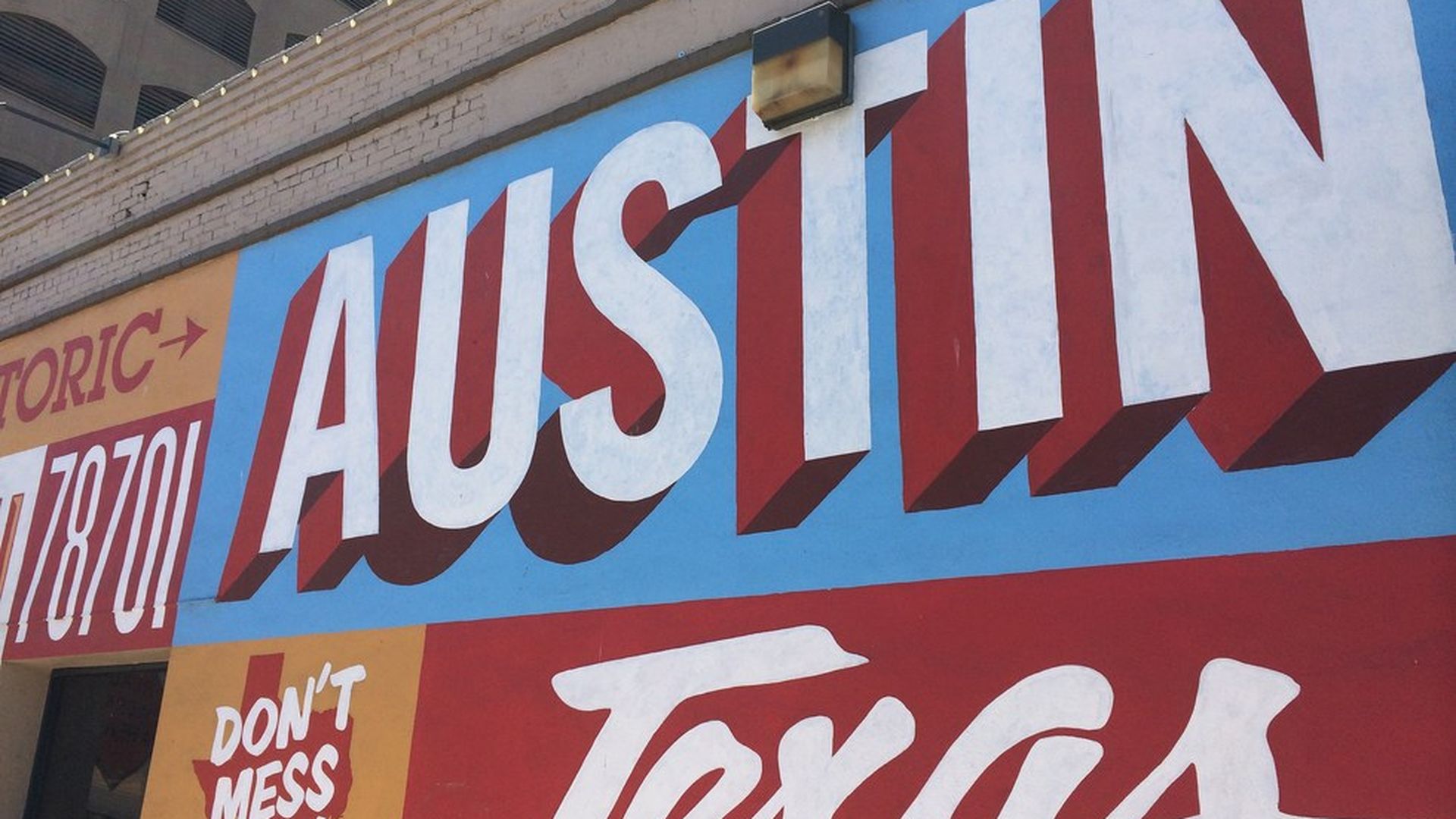
For the first time in in a couple of years, thousands of techies have had to get around Austin during South by Southwest without being able to hop in an Uber or Lyft ride—and the alternatives have had mixed success.
- Back story: Uber and Lyft packed up and left town last year after a failed campaign to reverse a new city requirement that drivers get fingerprinted. Fasten, Fare, and Ride Austin, among others, have since set up shop and won drivers over by charging them less while offering passengers a familiar service via mobile apps at reasonable prices.
- Stress test: While these alternatives seem to have generally done well for Austinites on average days, SXSW is no usual time. On Saturday night, many found themselves frustrated as they attempted to get a ride to avoid the rain, yet the apps weren't working.
- Counterpoint: Though seemingly a huge inconvenience, it may be much ado about nothing, as some on Twitter have argued. After all, Uber and Lyft have only existed for a few years, and festival-goers managed just fine before that. What's more, Uber and Lyft haven't been banned—they're simply choosing not to operate in Austin because it requires their drivers get fingerprinted.
Uber had a pretty good week, actually
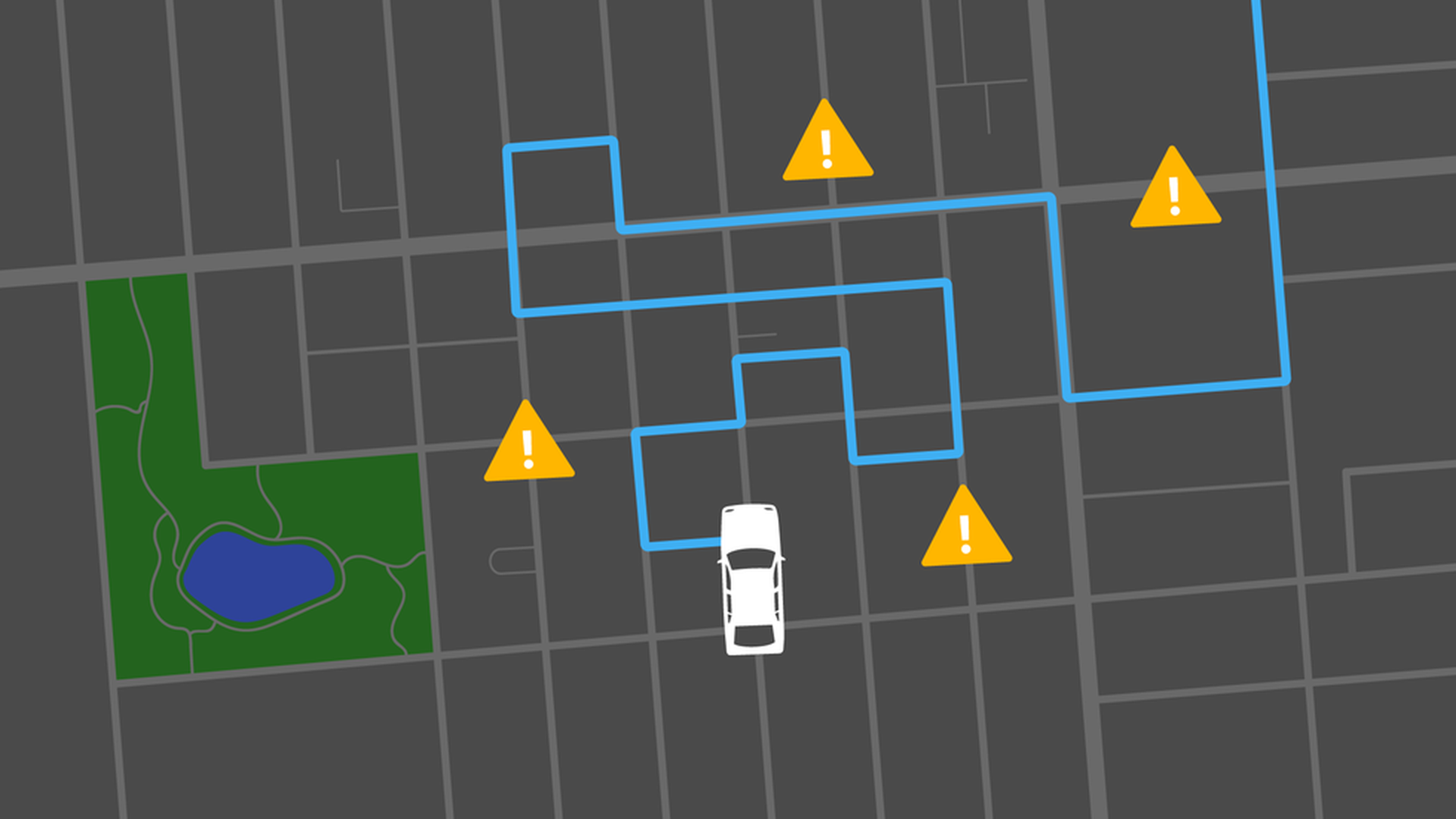
No, not when it comes to corporate stuff. That's all still a mess.
But Uber, the service, was firing on all cylinders. In fact, the week of February 27 set a record in terms of the number of Uber trips taken in the U.S., according to my sources.
Here are two big reasons why many riders are sticking with Uber:
1. Lyft is not a credible alternative in many Uber markets. That leaves people with the option of cabs or public transit, and it's fair to say those aren't beloved entities either.
2. Drivers are essentially Uber's customer relations department and people love their drivers. However bad things are at HQ in San Francisco, most people's interaction with Uber are via an app and with their drivers.
That's not to say Uber doesn't have long-term problems on its hands. It has been losing a lot of key talent which could hamper its long-term ambitions to morph from a driver-based service to an autonomous car company. And, as Business Insider pointed out Friday, the situation could get worse once Uber employees collect last year's bonus.

Almost 48 million Twitter accounts are bots
A new study from The University of Southern California and Indiana University finds that up to 15% of active Twitter accounts are bots with built-in retweet and mention strategies that target specific groups. With 319 million monthly active users, that equates to roughly 48 million active bot accounts on Twitter, more than the population of California.
While the study highlights the malicious applications of bots, like spurring fake grassroots political support, It's important to note that not all bots are bad, and many help to shape user experience. A Twitter spokesman tells CNBC that some bots in the study's calculation "are extremely beneficial, like those that automatically alert people of natural disasters…or from customer service points of view."
Why it matters: One could argue that the prevalence of bots calls into question the validity of Twitter's monthly active user base, which has basically plateaued over the last year, despite the prolific use of the platform by the President. But bot traffic is not unique to Twitter, as Facebook and Google's "good bots" make up 8% of all internet traffic. The real concern is whether audience measurement companies should take bots into consideration as part of user traffic numbers, which affect advertising potential, if their behaviors mimic that of real human users.

Uber fighting unionization efforts in Seattle
Uber drivers in Seattle are now prompted with the option to listen to a company podcast before picking up riders each day.
"Drivers are not required to listen to a podcast before accepting ride requests," an Uber spokesperson told Axios. "Like any content shown in the app, drivers can choose to engage with it or simply ignore it." The company says the messages are to fend off a union drive, the Wall Street Journal reports.
Why this matters: The WSJ calls the fight in Seattle the "first real unionization effort for app-based drivers" in the U.S. and is the latest threat to Uber's model that makes drivers take care of expenses like fuel, repairs and and insurance.
(The first sentence has been corrected to show drivers are not required to listen to podcasts before accepting ride requests, and Uber's comment has been added in second sentence.)