Sunday's technology stories

Almost 48 million Twitter accounts are bots
A new study from The University of Southern California and Indiana University finds that up to 15% of active Twitter accounts are bots with built-in retweet and mention strategies that target specific groups. With 319 million monthly active users, that equates to roughly 48 million active bot accounts on Twitter, more than the population of California.
While the study highlights the malicious applications of bots, like spurring fake grassroots political support, It's important to note that not all bots are bad, and many help to shape user experience. A Twitter spokesman tells CNBC that some bots in the study's calculation "are extremely beneficial, like those that automatically alert people of natural disasters…or from customer service points of view."
Why it matters: One could argue that the prevalence of bots calls into question the validity of Twitter's monthly active user base, which has basically plateaued over the last year, despite the prolific use of the platform by the President. But bot traffic is not unique to Twitter, as Facebook and Google's "good bots" make up 8% of all internet traffic. The real concern is whether audience measurement companies should take bots into consideration as part of user traffic numbers, which affect advertising potential, if their behaviors mimic that of real human users.

Uber fighting unionization efforts in Seattle
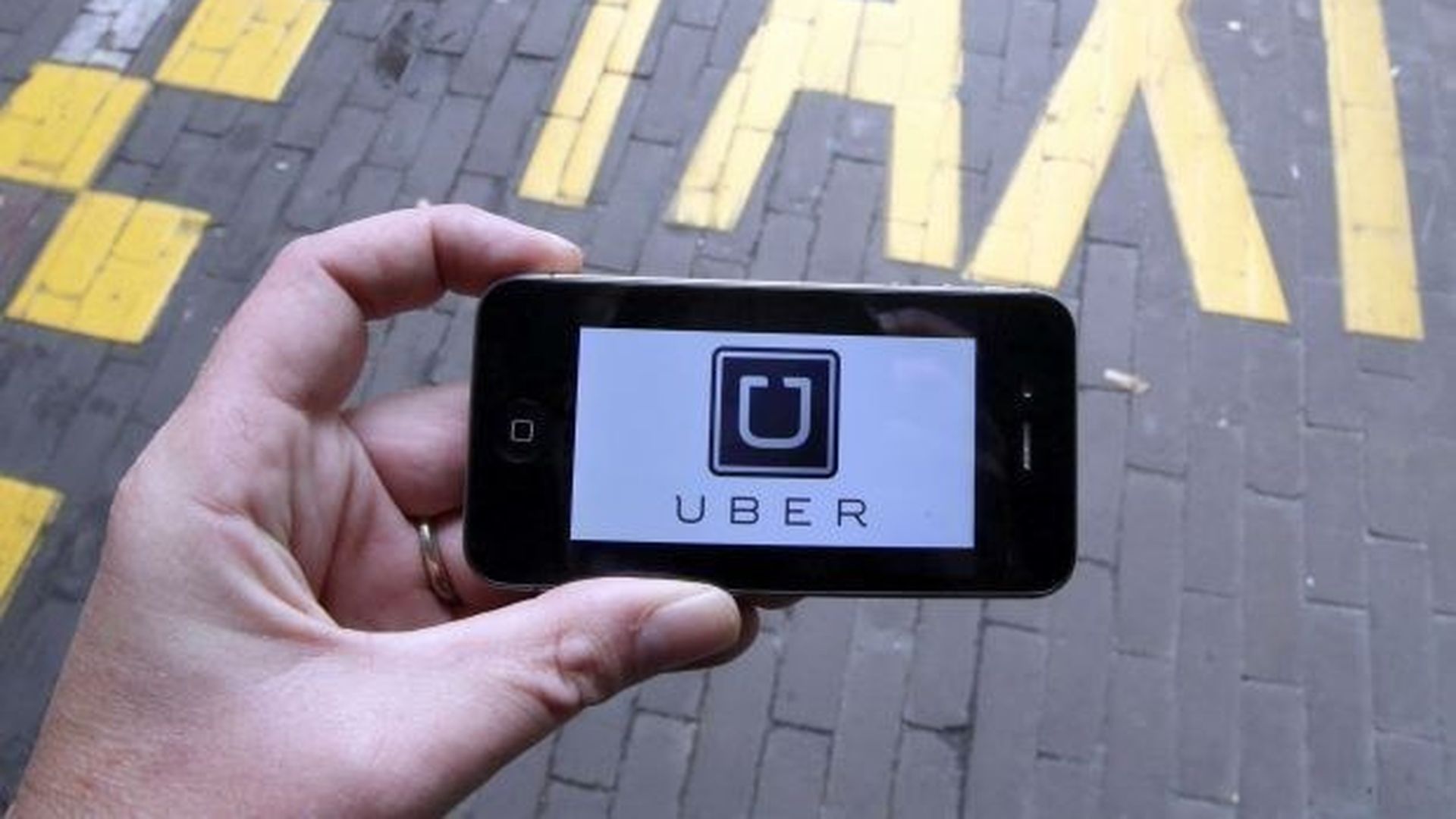
Uber drivers in Seattle are now prompted with the option to listen to a company podcast before picking up riders each day.
"Drivers are not required to listen to a podcast before accepting ride requests," an Uber spokesperson told Axios. "Like any content shown in the app, drivers can choose to engage with it or simply ignore it." The company says the messages are to fend off a union drive, the Wall Street Journal reports.
Why this matters: The WSJ calls the fight in Seattle the "first real unionization effort for app-based drivers" in the U.S. and is the latest threat to Uber's model that makes drivers take care of expenses like fuel, repairs and and insurance.
(The first sentence has been corrected to show drivers are not required to listen to podcasts before accepting ride requests, and Uber's comment has been added in second sentence.)

California prepares for fully driverless cars later this year
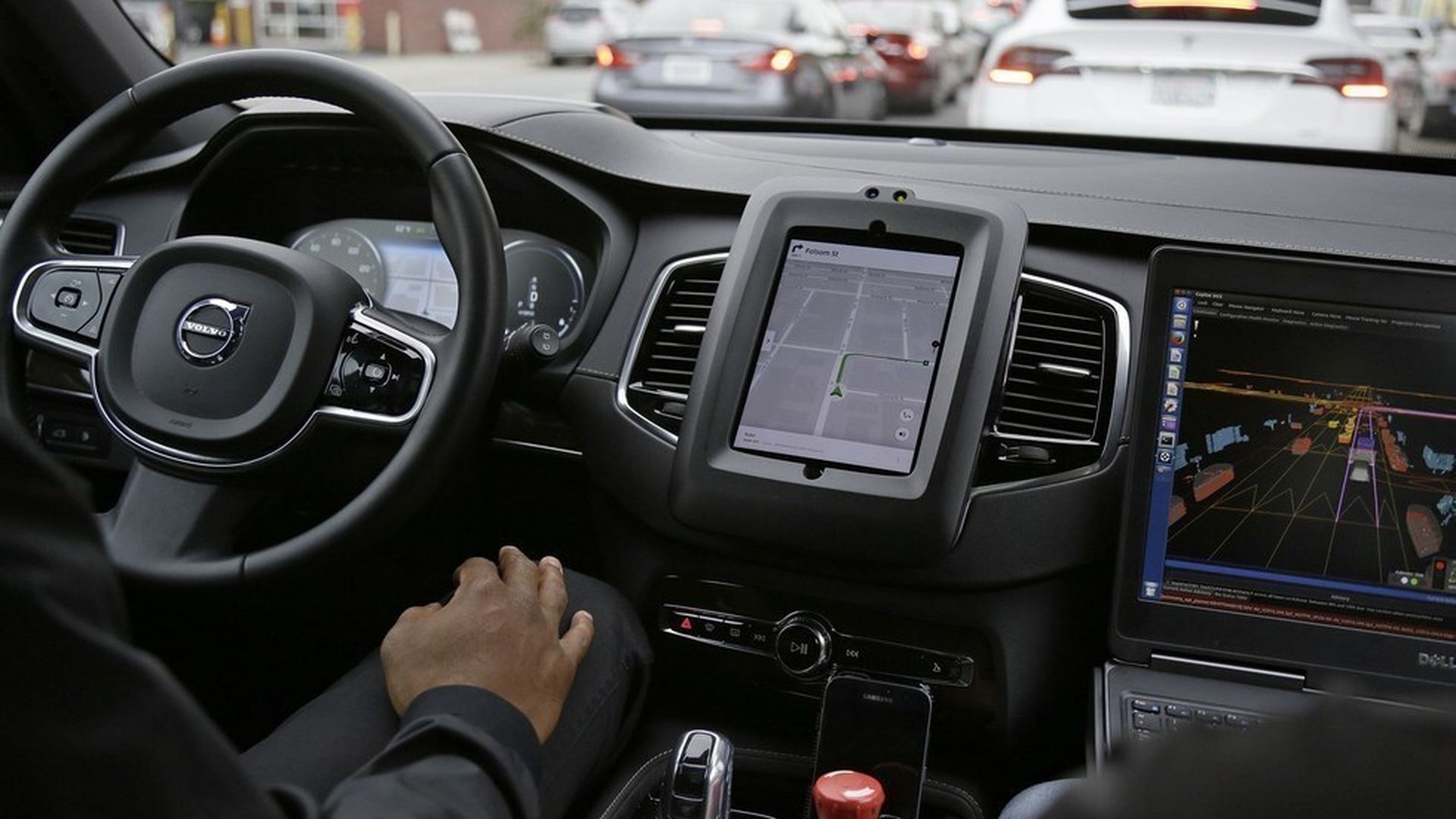
California is laying the groundwork to regulate self-driving cars, according to new regulations the state's DMV published on Friday.
The state plans to allow for testing of fully driverless cars on public road by the end of the year. Now vehicles need to have controls like a steering wheel and pedals and a safety driver who can take over when needed, but that will no longer be the case if manufacturers meet federal standards or get an exemption. Driverless cars will need a remote operator who can monitor their operation and communicate with passengers.
High demand: There are already more than two dozen companies testing self-driving technology in California, including Alphabet's Waymo, Tesla, and Uber, which obtained its permit this week after a disagreement with DMV.
Uber hires veteran headhunting firm to find COO
Uber, which earlier this week said it will seek to hire a COO to help chief executive Travis Kalanick steer the ship, has settled on headhunting firm Heidrick & Struggles for the job, as Business Insider reported and Uber confirmed to Axios.
Track record: Heidrick & Struggles is responsible for the hiring of several high-profile executives, including Eric Schmidt as CEO of Google in 2001, and Satya Nadella as CEO of Microsoft in 2014.
The story has been corrected to show that Business Insider, not CNBC, first reported the news.