Wednesday's technology stories

Slideshows are coming to Instagram
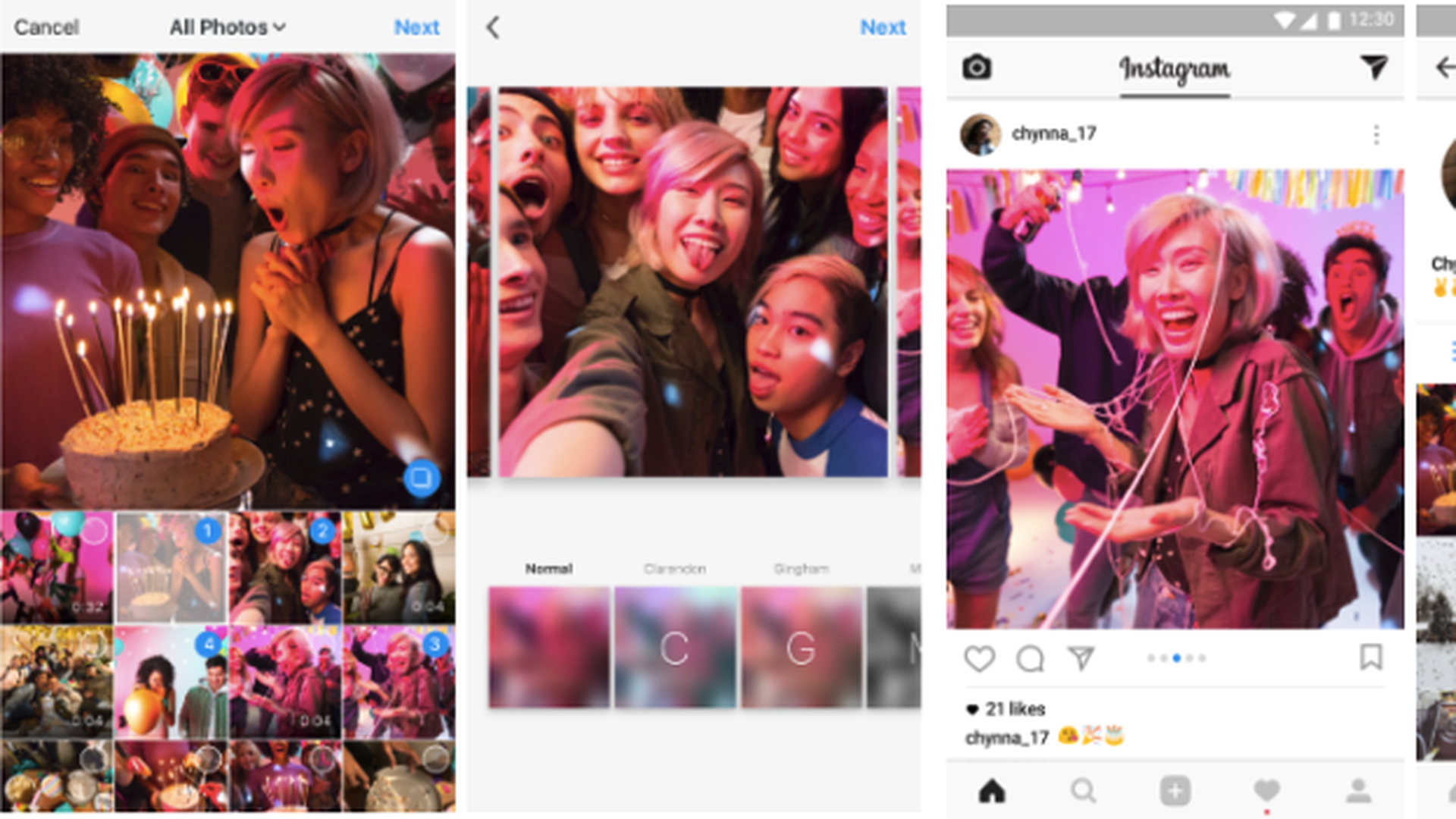
Instagram will now allow users to combine up to 10 photos and videos in one post and swipe through to see them all. Industry experts have anticipated the move for some time, especially after a blogger discovered a beta version of the feature on Android, but until now, only advertisers were allowed to use this format.
Why it matters: A study by data analytics firm Parse.ly shows that swipe-initiated slideshows can be very effective in increasing user engagement, an important metric for Instagram's advertisers. Parse.ly tells Axios that this Vogue Magazine slideshow of celebrities' outfits at the Met Gala last year was one of the most trafficked pieces of content on the internet in 2016.
Snapchat slow-down:
This is just the latest of steps Instagram has taken to slow Snapchat's growth ahead of its IPO. Today's announcement — the additional of a carousel feature to view photos and videos chronologically — mimics Snapchat's swipe format. Last year, Instagram launched a stories feature that mimics Snapchat's. They've also
copied
many of Snapchat's advertising features to win over ad dollars.

Verizon to launch 5G in 11 cities as home internet replacement
Get ready for 5G, or at least the 5G hype.
The next generation of mobile service won't be really ready until 2020, but to get their feet wet, AT&T, Verizon and others plan to use it to deliver an alternative to home broadband in select cities.
Verizon plans to offer service to some customers in 11 cities by the middle of this year. AT&T, meanwhile, has said it will use early 5G to deliver its DirecTV Now video-over-Internet service in Austin sometime in the first half of the year.
The 5G standards haven't even been fully set, so Verizon and AT&T will use pre-standard gear as network equipment makers such as Nokia and Ericsson also look to ramp up for the next generation of cell service.
What's next: Expect the 5G hype to continue to build, with the noise level set to rise next month as the cell phone industry gathers for the annual Mobile World Congress in Barcelona.

Waze is growing
Waze, a navigation app owned by Alphabet, plans to expand its carpooling service to several cities in the U.S. and Latin America in the coming months, the company told the Wall Street Journal. Waze began testing the service, which matches commuters with others near them going to a similar destination, in Tel Aviv and the Bay Area in 2015 and 2016 respectively.
How it works: Unlike ride-hailing services like Uber and Lyft, Waze offers true carpooling for commuters. Even its pricing structure—54 cents per mile—is designed to provide a simple compensation to the driver for gas, not a wage. Waze has also built a special app for the service, called Waze Rider. Waze eventually plans to start charging an additional fee to the rider.
Uber competition: In 2013, the same Alphabet acquired Waze for about $1 billion, the search giant also invested in Uber. Since then, the two companies have begun to compete increasingly, in areas such as self-driving cars, and now ride-sharing. Last year, Google executive David Drummond stepped down from Uber's board because of these growing conflicts of interests.
U.S. iPhone users are spending more on apps
U.S. iPhone users are increasing their spending on premium apps and in-app purchases, according to data from mobile analytics firm SensorTower. In 2016, they spent an average of $40, up from $35 the previous year.
Games rule the App Store: Gaming apps generated 80% of that revenue, according to the data. The average iPhone user spent $27 last year on games, versus only $3.60 on music apps—the second biggest category after games. And while entertainment apps like Hulu and Netflix saw a 130% bump, revenue from that category is still only $2.30 from the average U.S. iPhone user.
The flip side: In contrast with revenue, which is growing, SensorTower found that the average U.S. iPhone user installed 33 apps, down from 35 the previous year. The trend was present across all app categories, including games.
Why it matters: While this is good news for Apple, which has been touting its growing revenues from its services including its app store, this latest data also underscore the challenges it will have to push a subscription model for its apps. As the data shows, users mainly spend money on gaming apps, so they'll have to be convinced to spend money on other types of apps to begin with.

Google Site Search on its way out
Fortune reported that Google is planning to discontinue its business feature, Google Site Search (GSS), which — for a fee — provides web publishers with customizable search technology, making it easier for users to find the site. Existing users can keep using GSS for the allotted time under their current contract, but Google will stop selling new licenses and renewals on April 1.
Once a customer's GSS contract is up, the account will "automatically convert" to Google's free Custom Search Engine (CSE). If customers don't want to move to CSE they can choose to remove their existing search engine. Google described its plans to customers and partners in an email obtained by Fortune on Tuesday, but the news has yet to be publicly announced.
Uber CEO admits mistakes were made
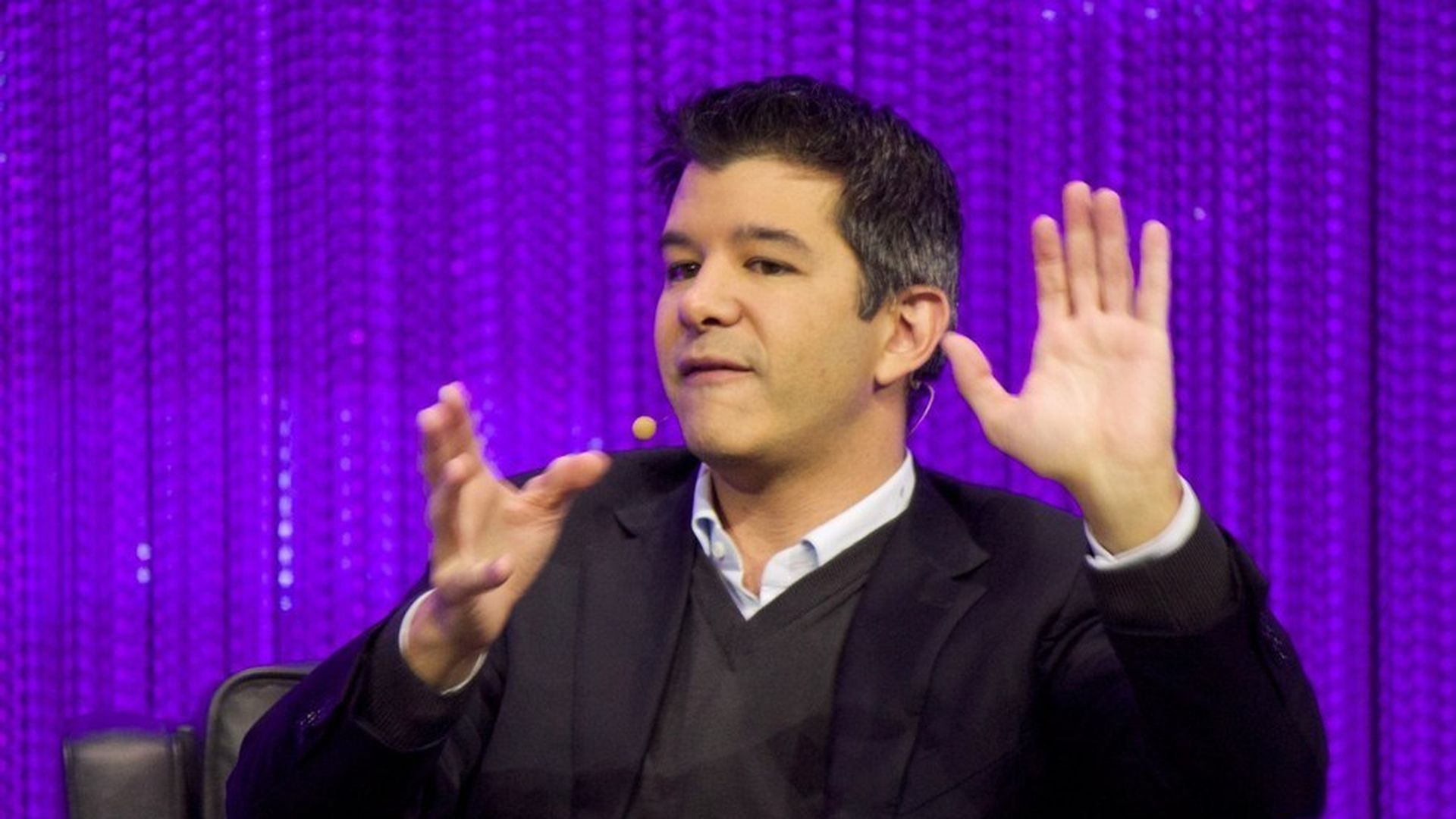
In a company-wide meeting two days after explosive allegations of sexual harassment and sexism from a former employee, Uber CEO Travis Kalanick "spoke very honestly about the mistakes he's made — and about how he wants to take the events of the last 48-hours to build a better Uber," according to a blog post from board member Arianna Huffington.
"It was great to see employees holding managers accountable. I also view it as my responsibility to hold the leadership team's feet to the fire on this issue," added Huffington, without providing further details of the conversations. The company spent more than an hour discussing women's experiences in the workplace, she said.
Why this matters: As a fast-growing company in the last few years, Uber chose not to focus its HR efforts on diversity and areas outside of hiring (and firing), as Recode recently noted and Axios has also heard. This is likely one of the mistakes Kalanick discussed during the meeting and where efforts after investigation of the allegations could focus.

Instagram snags former comms chief to Michelle and Hillary
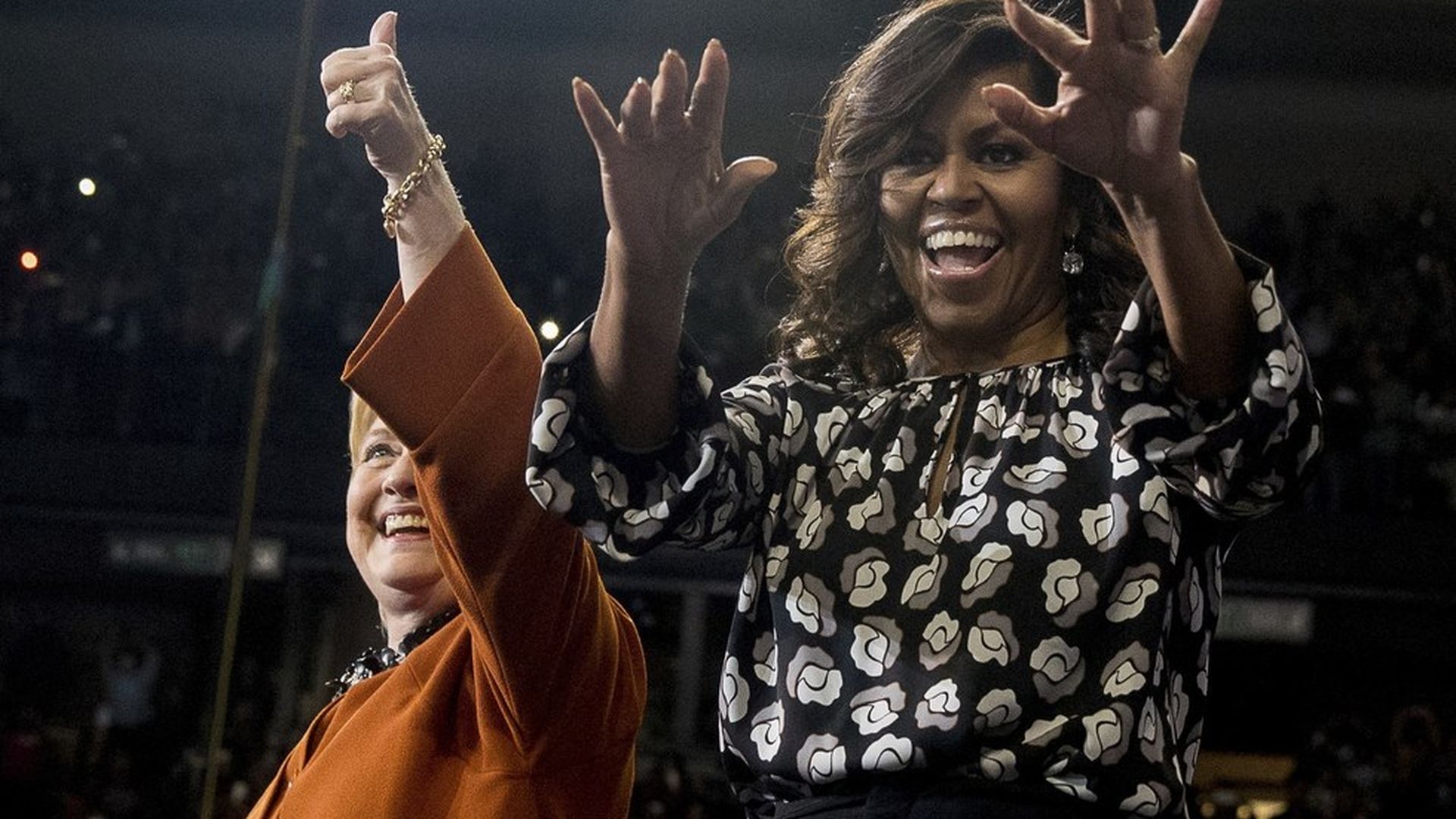
Kristina Schake, who served as communications chief for Hillary Clinton's presidential campaign and who was also communications chief for First Lady Michelle Obama, is joining Instagram. Schake is replacing David Swain, current head of communications who has been working at Facebook for a decade.
She will build Instagram's brand: Per ReCode, building Instagram's brand will be one of her main focuses. Instagram boasts 600 million users right now and is working to expand its advertising arm. The good news is Schake has some experience with branding: she encouraged Michelle Obama's dance with Jimmy Fallon on "The Tonight Show" and had her shop "undercover" at Target.
Why we're watching: Schake is joining Instagram at a crucial and fast-growing time for the company as it competes head-to-head with rival Snapchat for the coveted younger set.
Making sense of the iPhone 8 rumors
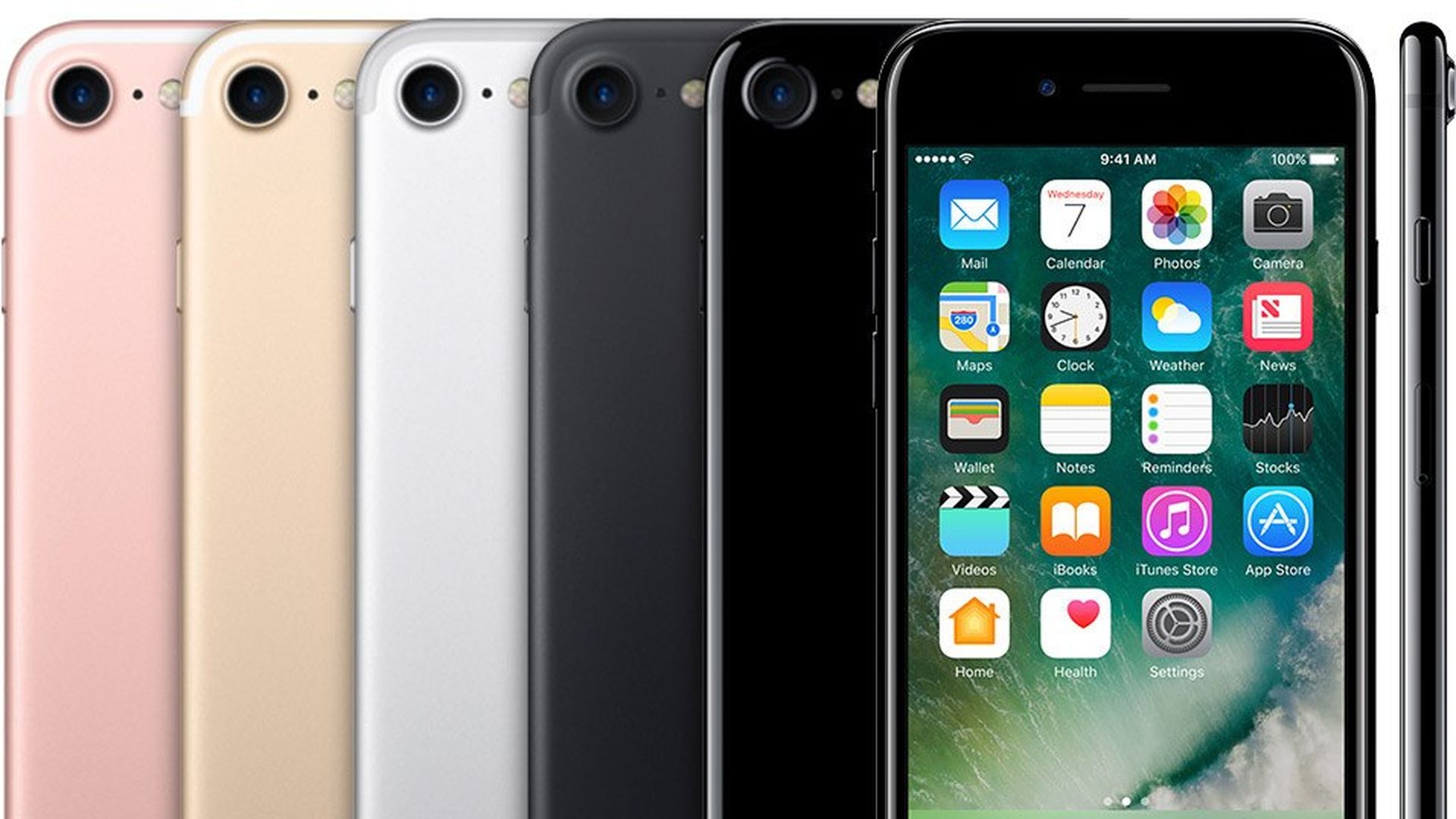
As the rumor mill heats up over what will be in Apple's next iPhone, it's good to have a strategy for making sense of the predictions. For me, that's focusing on consistency within all the speculation.
Verizon revises its deal with Yahoo (again)
The WSJ reports that Verizon will cut its $4.83 billion deal to buy Yahoo by as much as $350 million, and will evenly split the costs from Yahoo's two major data breaches. Verizon has also agreed to give up its right to sue over the idea that Yahoo covered up its hacks.
Note: Last week, Bloomberg reported that Verizon cut the deal price by $250 million, a great compromise for Yahoo after its messy data breaches. Even with the news that Verizon wants to lower the price by another $100 million, Yahoo is surely still breathing a sigh of relief that Verizon hasn't killed the deal entirely.

Silicon Valley's ugly secret exposed — again

A former Uber engineer's blog post documenting widespread sexism is the latest anecdotal evidence of the company's frat-house culture. But it's part of a larger long-term cultural crisis Silicon Valley has grappled with after several waves of criticism over the lack of women and minority employees at tech companies, start-ups and the firms that invest in them.
Hot in Silicon Valley: Zuck's thank you to local news
In a Facebook post, Mark Zuckerberg says it's "a good time to say thank you to all the journalists around the world," and that while he may not always agree with what they publish, "that's how democracy is supposed to work."
Why it matters: While Zuckerberg's comments are an obvious jab at Donald Trump's disdain for the press, they're also ironic given his company's massive impact on the media industry. Though Facebook refuses to call itself a "media company," it has not only drawn a huge portion of digital ad spend, but also become one of the main sources of news for its users. Following the recent U.S. election, it was left to grapple with its role in helping disseminate "fake news" articles.
Samsung's brand reputation takes a big hit: The Korean electronics manufacturer came in number 49 in this year's Reputation Quotient Ratings from Harris Poll, down from being at number seven last year. The massive fall in ranking is undoubtedly due to the Galaxy Note 7 battery fiasco, which forced the company to recall all devices.
Uber hires Eric Holder to lead sex harassment investigation
Uber has hired former U.S. Attorney General Eric Holder to lead an investigation into a former engineer's explosive allegations of gender discrimination and sexual harassment, according to a company-wide email sent on Monday by CEO Travis Kalanick. This comes less than 24 hours after Uber board member Arianna Huffington said that she and new HR chief Liane Hornsey would lead an "independent" investigation, which some quickly noted was hardly independent.
Huffington and Hornsey both will still be involved, as will Holder's law partner Tammy Albarran and Uber associate general counsel Angela Padilla. The group also will dig into Uber's overall workplace culture as it pertains to diversity and inclusion. In that vein, Kalanick pledged that Uber in the coming months will release its first workforce diversity report, something it hasn't done despite the example set by many of Silicon Valley's other large technology companies.
Why Holder? He's a respected outsider, although he has been publicly supportive of Uber in the past, such as arguing in favor of the company's background check practices. Holder also was hired last summer by Airbnb to craft an anti-discrimination policy, so he has some Silicon Valley experience.
What's next: Uber will be closely watched as it embarks on this investigation, and especially once the results are out. With a longstanding reputation for ignoring and excusing bad behavior, there will be a lot of pressure on the company to make bold moves if Holder finds the allegations to be truthful.