The Trump administration released a sweeping cache of government records and videos Friday that include colorful UFO-like orbs flying across the sky in seemingly impossible ways.
Why it matters: The disclosure is part of a wave of releases aimed at shedding light on the U.S. government's examination of such sightings, which have been the subject of many conspiracy theories.
U.S. health officials are deploying emergency measures against New World screwworm while monitoring other infectious disease risks ahead of the World Cup and America250 celebrations.
Why it matters: Health experts warn existing and proposed federal funding cuts could weaken disease surveillance and outbreak response ahead of major U.S. events.
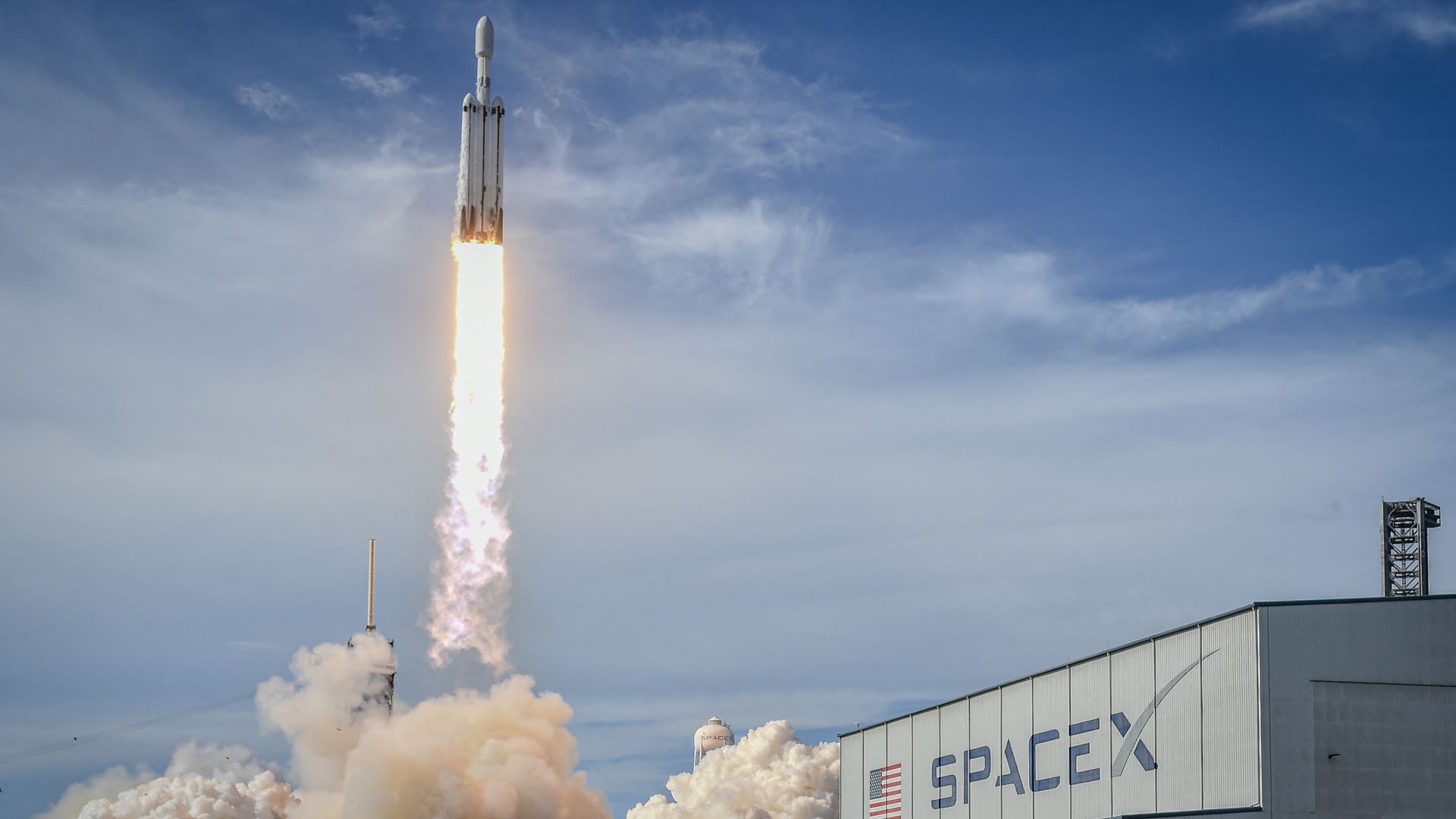
SpaceX on Thursday raised $75 billion in its IPO, valuing Elon Musk's company at around $1.77 trillion.
Why it matters: This is the largest U.S. IPO ever, at least until Anthropic and OpenAI go public later this year, and makes SpaceX one of the world's most valuable companies.
Most people worry that electric vehicles are going to further strain America's aging power grid, but the opposite is true, says the head of California's largest utility.
Why it matters: A parked EV can be an extension of the grid, a distributed energy storage asset that can send power back when it's needed most.
Prometheus, the industrial AI startup led by Jeff Bezos and former Google exec Vik Bajaj, today will announce that it's raised $12 billion in Series B funding at a $41 billion valuation.
Why it matters: It's a massive bet to rearchitect how physical things are made, from jet engines to medical devices to consumer electronics.
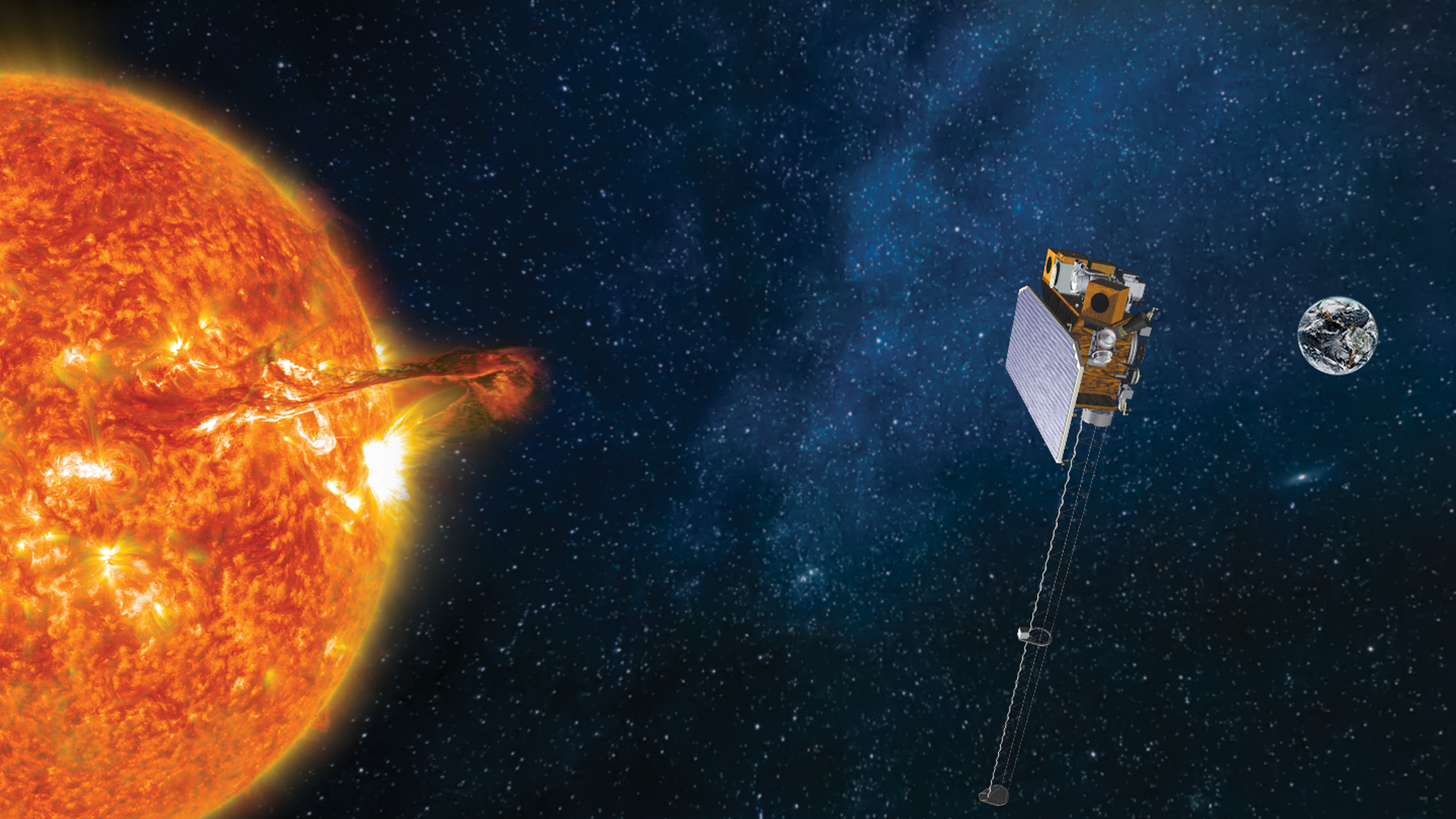
The first U.S. satellite designed for full-time space weather monitoring is now operational, NOAA says.
Why it matters: SOLAR-1 will keep an eye out for solar winds and coronal mass ejections (CMEs), which can wreck havoc on Earth's radio signals, GPS service, power grids, space launches and more.
CMEs can also trigger impressive aurora displays, like the incredible May 2024 show seen worldwide.
Driving the news: SOLAR-1 passed an eight-month testing process with flying colors after being launched last September.
It sits at a Lagrange point — an "orbital parking spot" nearly a million miles away between Earth and the Sun, where their gravitational pulls balance out with the centripetal force felt by a spacecraft.
That spot offers an uninterrupted view of the Sun, perfect for a satellite designed to keep watch on our solar system's nuclear engine.
By the numbers: SOLAR-1 can transmit CME images to forecasters at NOAA's Space Weather Prediction Center within 30 minutes, a huge boost compared to the eight hours from existing instruments.
What they're saying: "SOLAR-1 is a cornerstone of the nation's space weather early warning system, providing the observations needed to issue timely watches, warnings, alerts, and decision support before solar storms impact critical infrastructure and missions," NOAA says in a statement.
What's next: Data from SOLAR-1 could also prove invaluable to aurora hunters seeking their next glimpse of one of the world's most captivating natural phenomena.
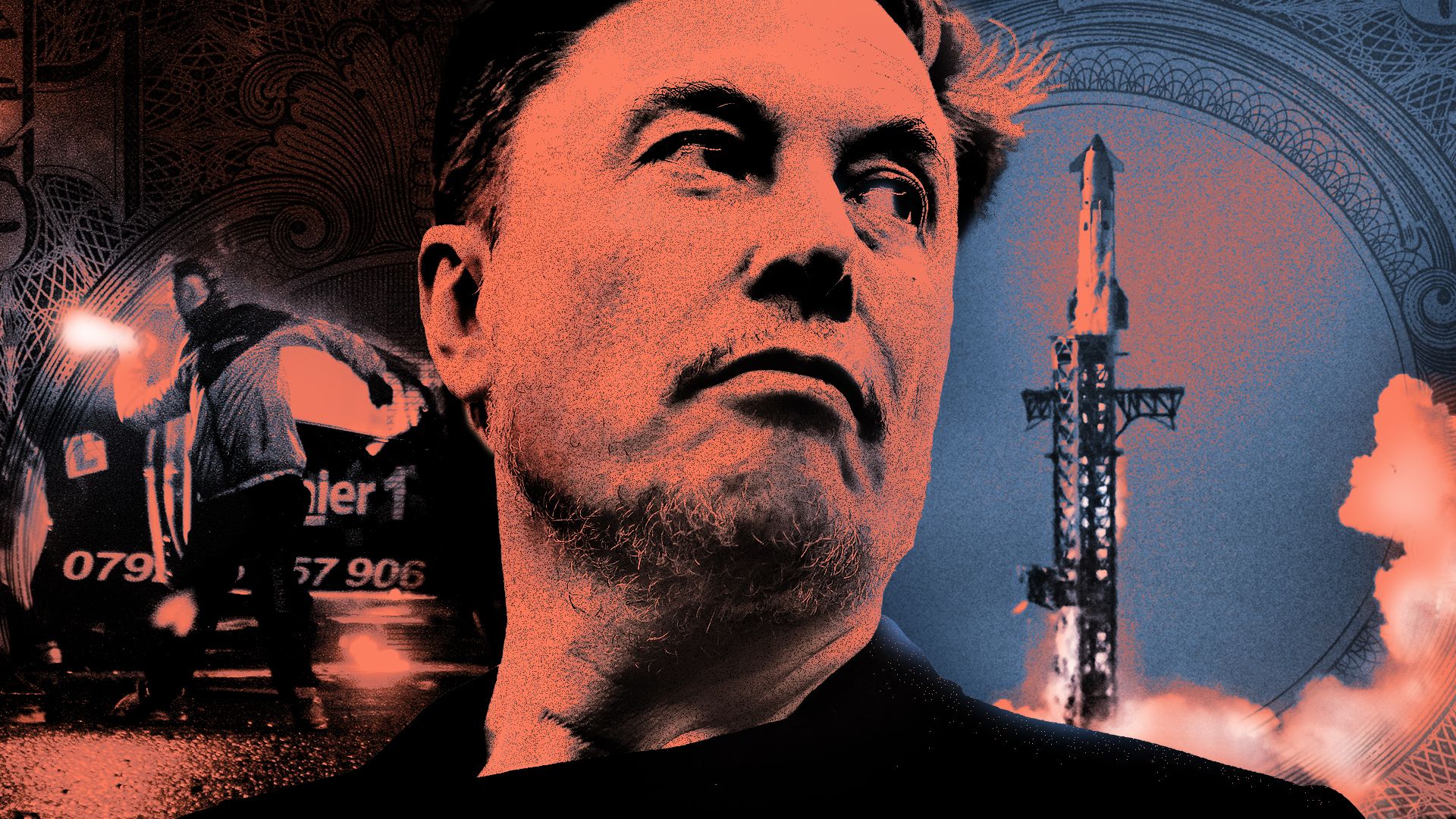
Elon Musk is on the verge of financial immortality: The world's richest man — and potentially its first trillionaire — has built a sovereign corporate kingdom that is too systemic to fail.
And yet, on the eve of SpaceX's monster IPO, its CEO was hunkered down in his digital fiefdom stoking far-right culture wars with an impunity unmatched in modern corporate history.
Why it matters: Musk's years in the public eye, marked by serial controversy and an accelerating embrace of white identitarian politics, have inured investors to conduct that would be disqualifying for almost any other CEO.