Thursday's science stories

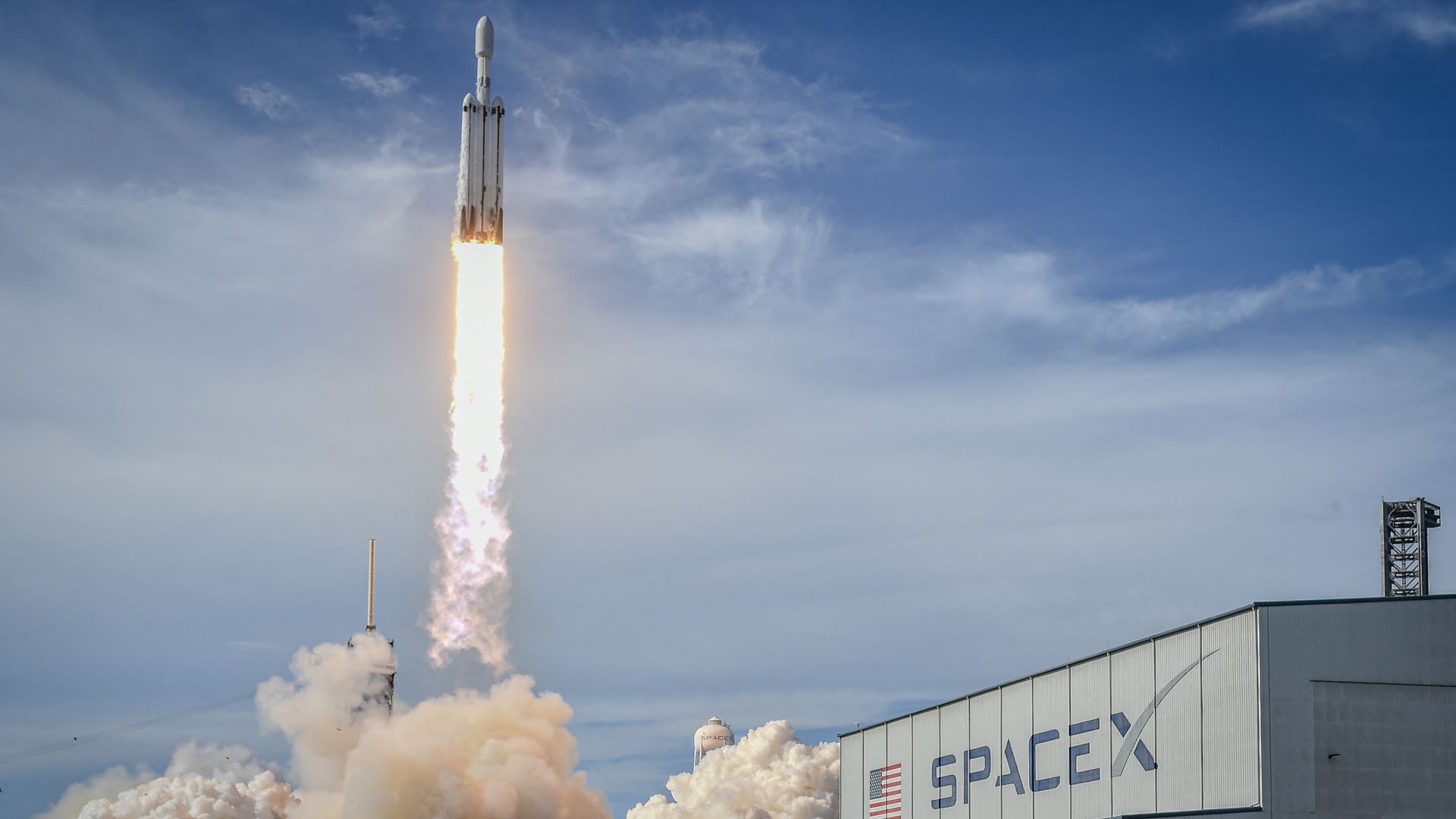
SpaceX raises $75 billion in its IPO
SpaceX on Thursday raised $75 billion in its IPO, valuing Elon Musk's company at around $1.77 trillion.
Why it matters: This is the largest U.S. IPO ever, at least until Anthropic and OpenAI go public later this year, and makes SpaceX one of the world's most valuable companies.

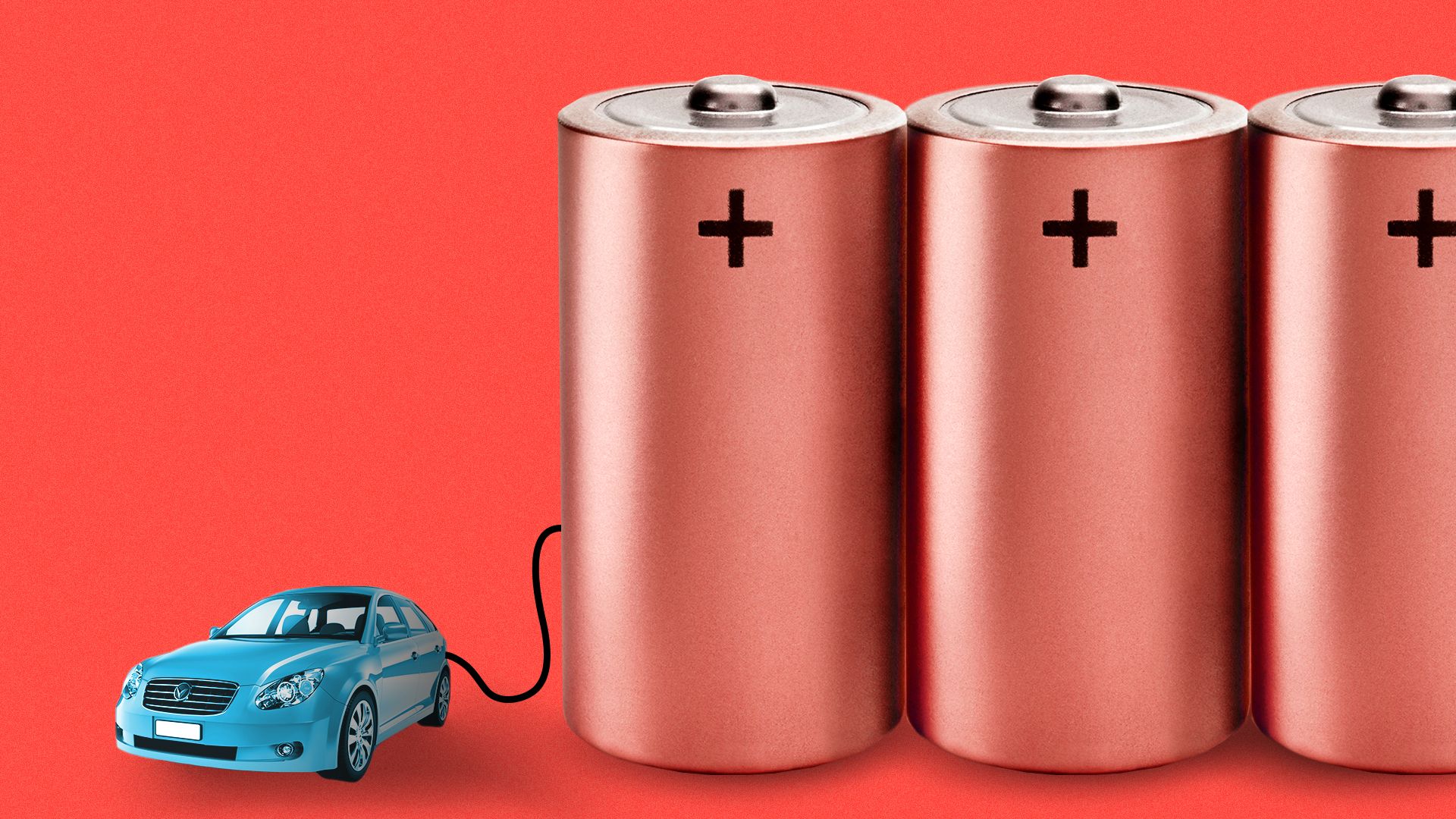
EVs might one day shore up the ailing power grid
Most people worry that electric vehicles are going to further strain America's aging power grid, but the opposite is true, says the head of California's largest utility.
Why it matters: A parked EV can be an extension of the grid, a distributed energy storage asset that can send power back when it's needed most.

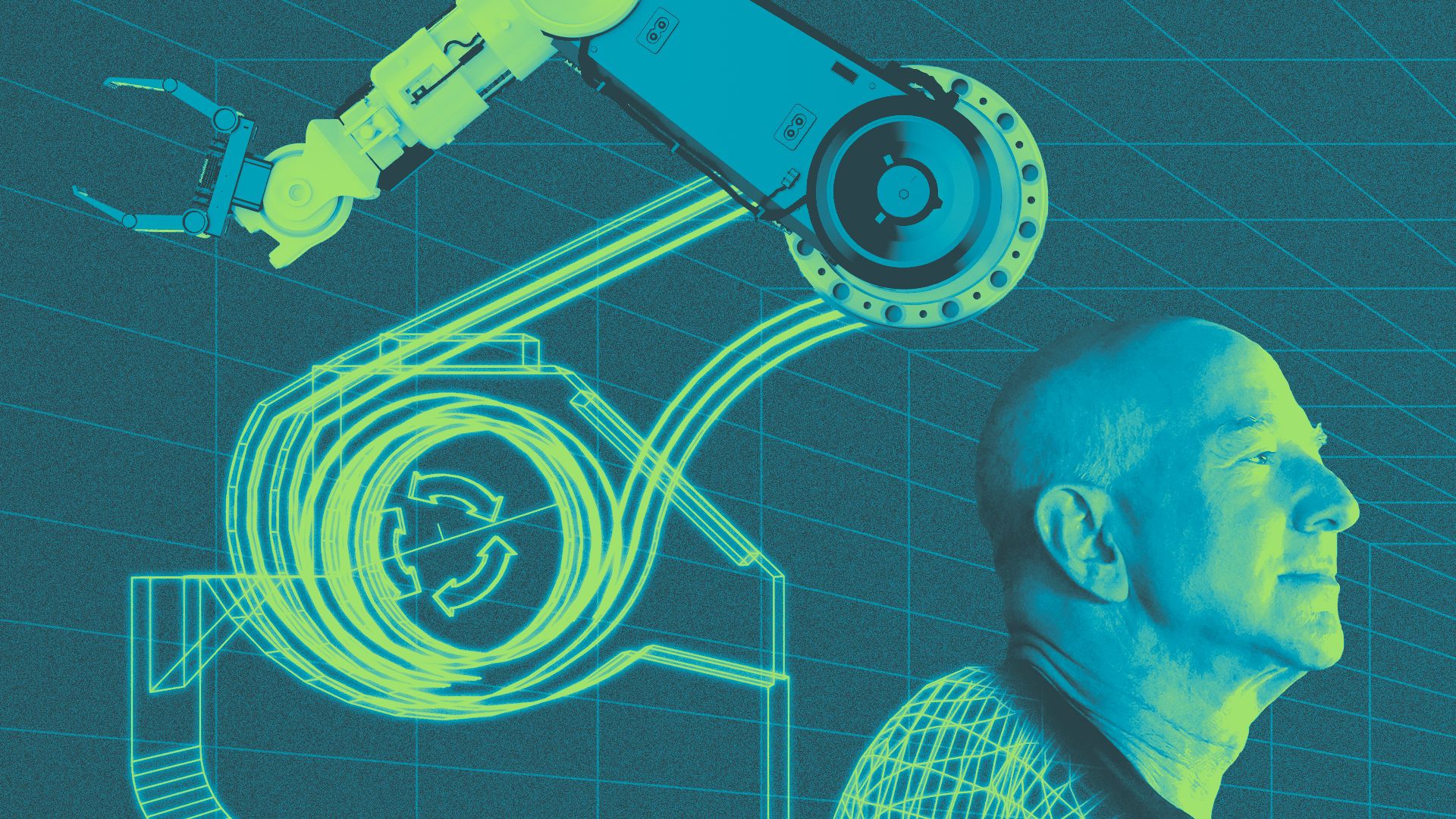
Prometheus, Jeff Bezos' AI startup, is now worth $41 billion
Prometheus, the industrial AI startup led by Jeff Bezos and former Google exec Vik Bajaj, today will announce that it's raised $12 billion in Series B funding at a $41 billion valuation.
Why it matters: It's a massive bet to rearchitect how physical things are made, from jet engines to medical devices to consumer electronics.

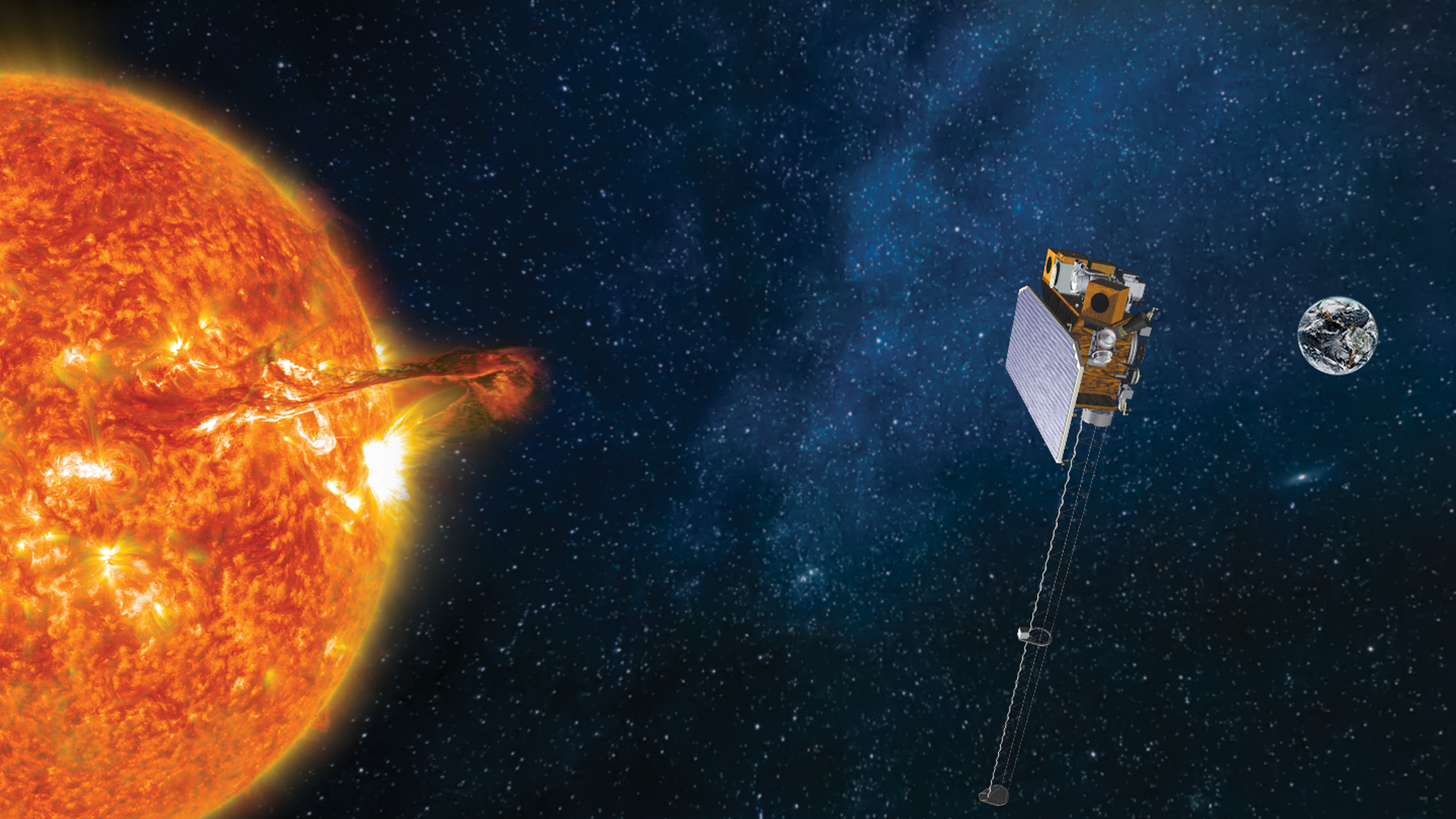
NOAA's new satellite could better predict aurora shows
The first U.S. satellite designed for full-time space weather monitoring is now operational, NOAA says.
Why it matters: SOLAR-1 will keep an eye out for solar winds and coronal mass ejections (CMEs), which can wreck havoc on Earth's radio signals, GPS service, power grids, space launches and more.
- CMEs can also trigger impressive aurora displays, like the incredible May 2024 show seen worldwide.
Driving the news: SOLAR-1 passed an eight-month testing process with flying colors after being launched last September.
- It sits at a Lagrange point — an "orbital parking spot" nearly a million miles away between Earth and the Sun, where their gravitational pulls balance out with the centripetal force felt by a spacecraft.
- That spot offers an uninterrupted view of the Sun, perfect for a satellite designed to keep watch on our solar system's nuclear engine.
By the numbers: SOLAR-1 can transmit CME images to forecasters at NOAA's Space Weather Prediction Center within 30 minutes, a huge boost compared to the eight hours from existing instruments.
What they're saying: "SOLAR-1 is a cornerstone of the nation's space weather early warning system, providing the observations needed to issue timely watches, warnings, alerts, and decision support before solar storms impact critical infrastructure and missions," NOAA says in a statement.
What's next: Data from SOLAR-1 could also prove invaluable to aurora hunters seeking their next glimpse of one of the world's most captivating natural phenomena.

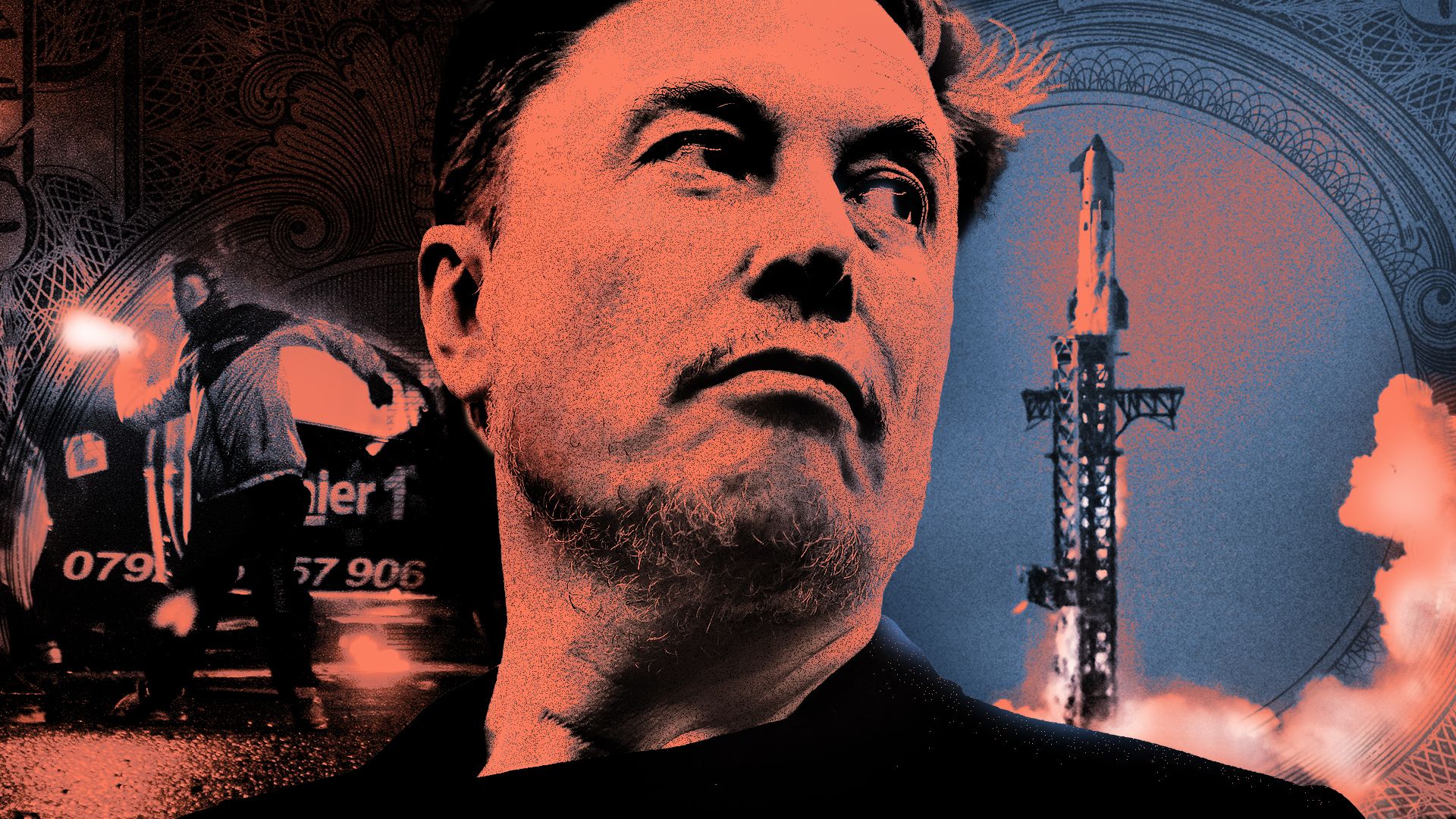
Elon Musk's age of impunity
Elon Musk is on the verge of financial immortality: The world's richest man — and potentially its first trillionaire — has built a sovereign corporate kingdom that is too systemic to fail.
- And yet, on the eve of SpaceX's monster IPO, its CEO was hunkered down in his digital fiefdom stoking far-right culture wars with an impunity unmatched in modern corporate history.
Why it matters: Musk's years in the public eye, marked by serial controversy and an accelerating embrace of white identitarian politics, have inured investors to conduct that would be disqualifying for almost any other CEO.

Axios AM Live Summit: Our institutions must adapt, government leaders say

WASHINGTON, D.C. — Officials from federal agencies and local governments at a June 9 Axios Live event said public-sector organizations should embrace nimbleness.
Why it matters: The rise of artificial intelligence and shifting economic conditions are putting pressure on leaders to innovate and support their workforces and communities.
- The summit was sponsored by Anthropic.
What they're saying:
- 10 years is "too slow" to build "our first AI supercomputer for science," U.S. Department of Energy undersecretary for science Dario Gil said.
- "We are growing at a rate less than inflation, so that necessitates different thinking," Washington, D.C. Mayor Muriel Bowser said.
- "I'm trying to introduce … measured risk" in decision-making, U.S. Office of Personnel Management director Scott Kupor said. "Let's at least have the conversation about, OK, what's the downside that might happen here?"
Threat level: Winning "the AI arms race" is crucial, U.S. Small Business Administration head Kelly Loeffler said.
- "If China wins, this is going to be really problematic for the entire country."
Yes, but: Some communities risk being left behind, said Rep. Adriano Espaillat (D-N.Y.).
- Advancement must be "democratized" and reach "every neighborhood, senior centers, after-school programs, churches [and] small businesses," he added.
The bottom line: "The most important thing … is to move with the speed that is commensurate with the technological revolution that is unfolding," Gil said.
Content from the sponsor's segment:
Anthropic is "an organization with a very clear mission, and that is to help humanity get through the AI transition as safely as we possibly can so that we can get to the benefits," said its head of North American government affairs, Brian Peters.
- The Trump administration and Congress should be focused on "urgency" and "oversight" when it comes to AI, Peters added.

Mercury, Venus, Jupiter: 3 planets visible this week
It's a good week to be a stargazer, with three planets visible in the Western sky.
Driving the news: Venus and Jupiter have been hanging out together this week in what's called a "conjunction" — when planets seem close to one another from our POV on Earth.
- They're reliable and gorgeous stargazing targets, each among the most visible planets in our night sky.
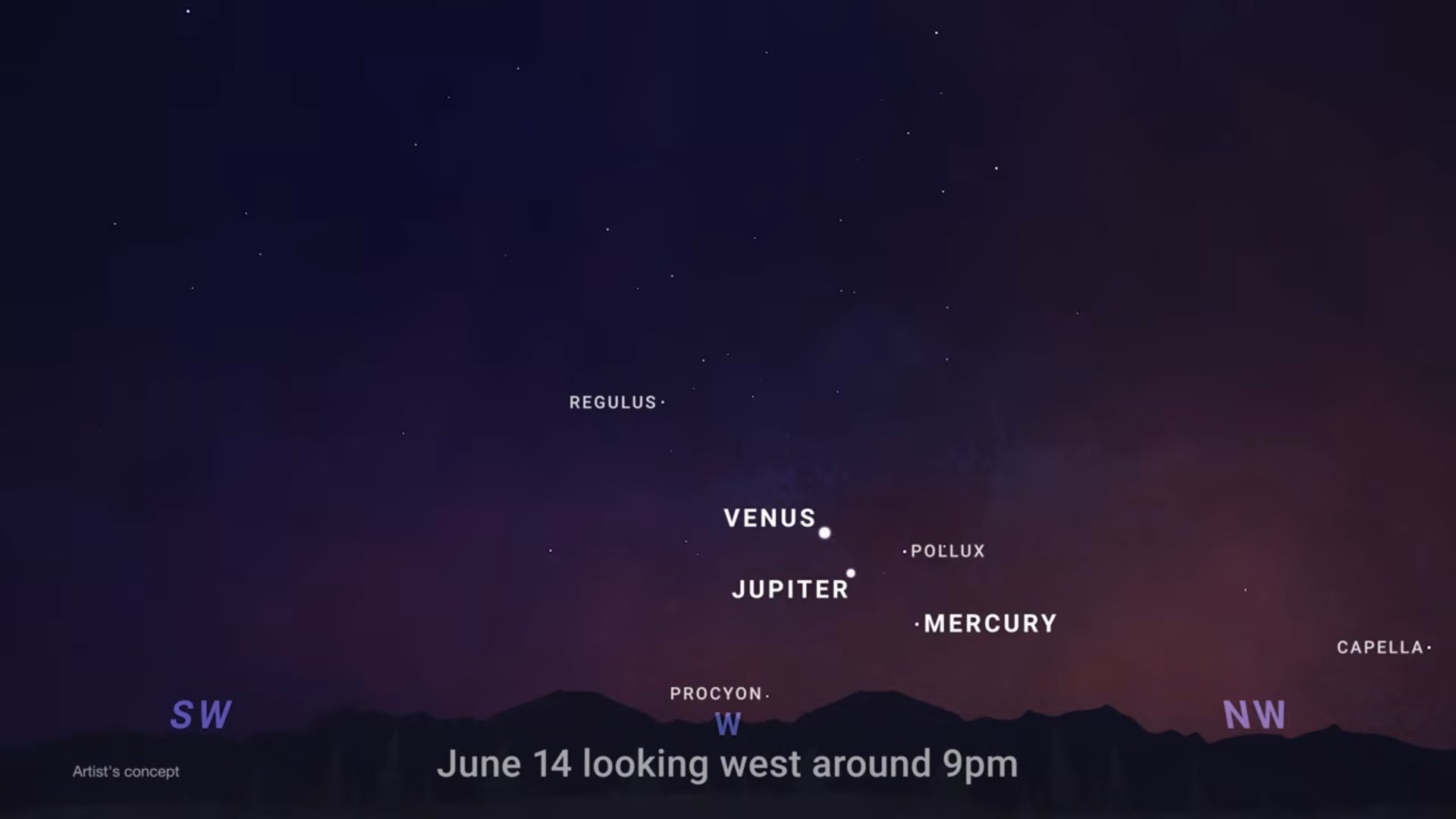
Starting Thursday night through Monday, Mercury will join them for what NASA calls a "mini parade of planets."
- The agency's advice: "Venus will be the brightest and easiest to spot with Jupiter nearby. Mercury will sit lower toward the horizon, so you will need a clear view to the west to catch it in the glow of twilight."
- A telescope or binoculars will improve your experience.
Mercury is sometimes hard to spot, especially for amateurs — so this is a good opportunity to get out and have a look at the Sun's closest companion.
- This month's "window of opportunity" to spot Mercury will last through at least June 22, Space.com reports.

The looming China pharma choke point
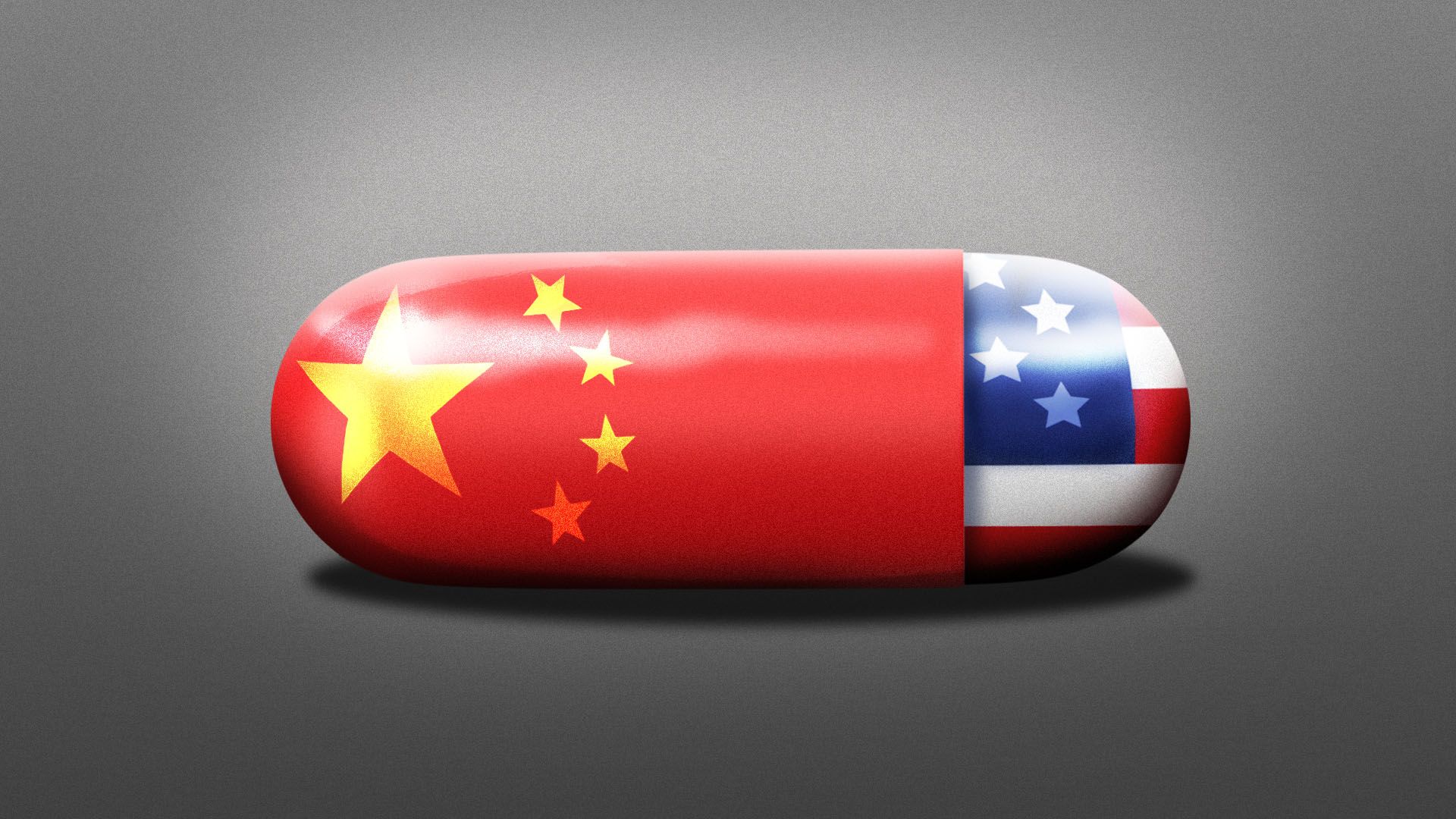
U.S. drug development is heavily dependent on China — and Washington is not keeping up with the whole-of-government response many experts say is needed to change that.
Why it matters: The U.S. is being held back by vulnerabilities like fragile supply chains for generic drugs and the lack of a cutting-edge biotech infrastructure.