Wednesday's science stories

Axios AM Live Summit: Our institutions must adapt, government leaders say

WASHINGTON, D.C. — Officials from federal agencies and local governments at a June 9 Axios Live event said public-sector organizations should embrace nimbleness.
Why it matters: The rise of artificial intelligence and shifting economic conditions are putting pressure on leaders to innovate and support their workforces and communities.
- The summit was sponsored by Anthropic.
What they're saying:
- 10 years is "too slow" to build "our first AI supercomputer for science," U.S. Department of Energy undersecretary for science Dario Gil said.
- "We are growing at a rate less than inflation, so that necessitates different thinking," Washington, D.C. Mayor Muriel Bowser said.
- "I'm trying to introduce … measured risk" in decision-making, U.S. Office of Personnel Management director Scott Kupor said. "Let's at least have the conversation about, OK, what's the downside that might happen here?"
Threat level: Winning "the AI arms race" is crucial, U.S. Small Business Administration head Kelly Loeffler said.
- "If China wins, this is going to be really problematic for the entire country."
Yes, but: Some communities risk being left behind, said Rep. Adriano Espaillat (D-N.Y.).
- Advancement must be "democratized" and reach "every neighborhood, senior centers, after-school programs, churches [and] small businesses," he added.
The bottom line: "The most important thing … is to move with the speed that is commensurate with the technological revolution that is unfolding," Gil said.
Content from the sponsor's segment:
Anthropic is "an organization with a very clear mission, and that is to help humanity get through the AI transition as safely as we possibly can so that we can get to the benefits," said its head of North American government affairs, Brian Peters.
- The Trump administration and Congress should be focused on "urgency" and "oversight" when it comes to AI, Peters added.

Mercury, Venus, Jupiter: 3 planets visible this week
It's a good week to be a stargazer, with three planets visible in the Western sky.
Driving the news: Venus and Jupiter have been hanging out together this week in what's called a "conjunction" — when planets seem close to one another from our POV on Earth.
- They're reliable and gorgeous stargazing targets, each among the most visible planets in our night sky.
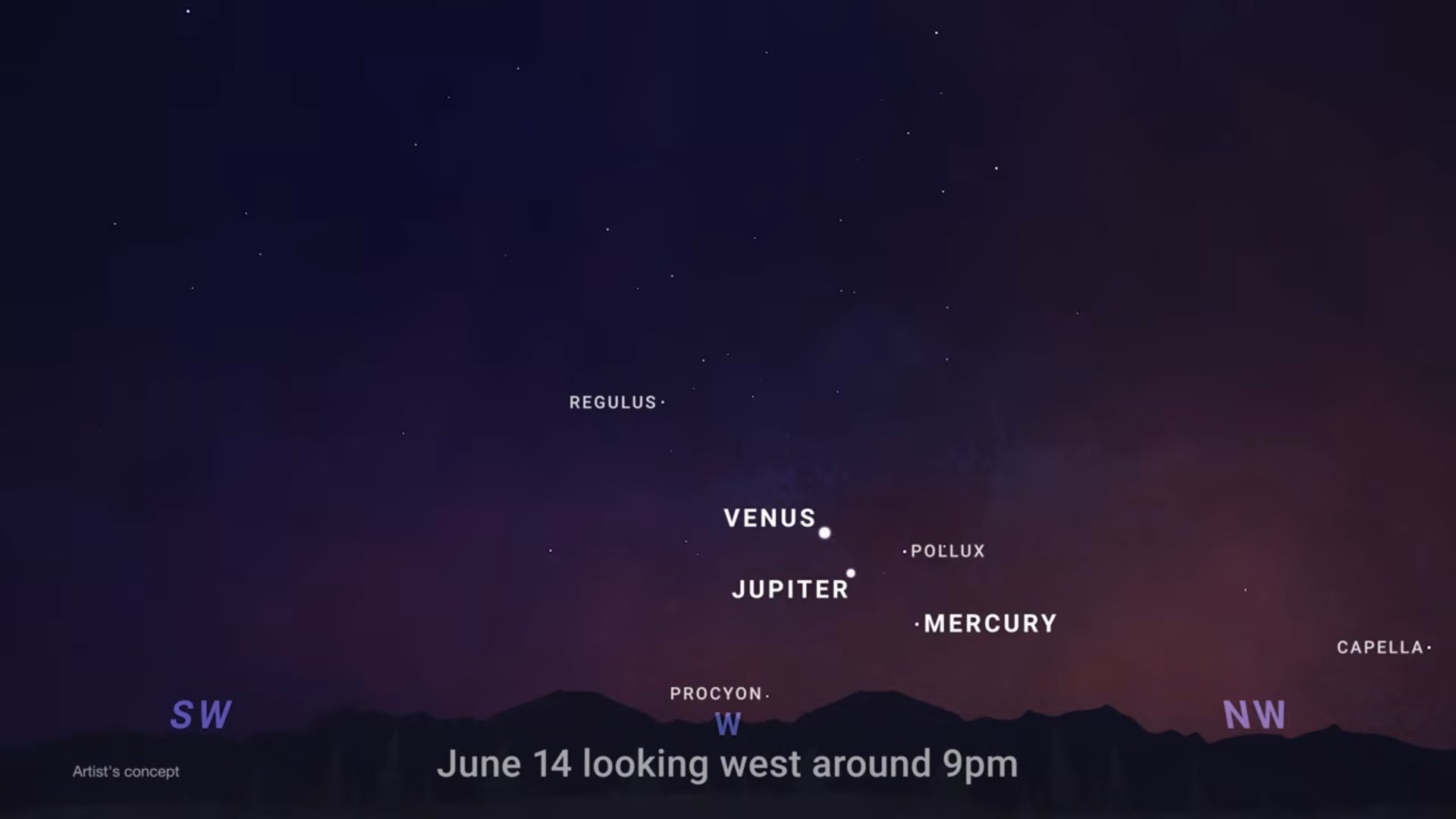
Starting Thursday night through Monday, Mercury will join them for what NASA calls a "mini parade of planets."
- The agency's advice: "Venus will be the brightest and easiest to spot with Jupiter nearby. Mercury will sit lower toward the horizon, so you will need a clear view to the west to catch it in the glow of twilight."
- A telescope or binoculars will improve your experience.
Mercury is sometimes hard to spot, especially for amateurs — so this is a good opportunity to get out and have a look at the Sun's closest companion.
- This month's "window of opportunity" to spot Mercury will last through at least June 22, Space.com reports.


The looming China pharma choke point
U.S. drug development is heavily dependent on China — and Washington is not keeping up with the whole-of-government response many experts say is needed to change that.
Why it matters: The U.S. is being held back by vulnerabilities like fragile supply chains for generic drugs and the lack of a cutting-edge biotech infrastructure.


Anthropic releases Mythos-level model for general use
Anthropic is releasing a safer, general-use Mythos-class model that exceeds the capabilities of all its prior releases, the company says.
Why it matters: Anthropic went from deeming this model so disruptive that no existing safeguards were sufficient and only a handful of organizations could access it, to releasing a public version less than three months later.

NASA reveals Artemis III astronaut crew
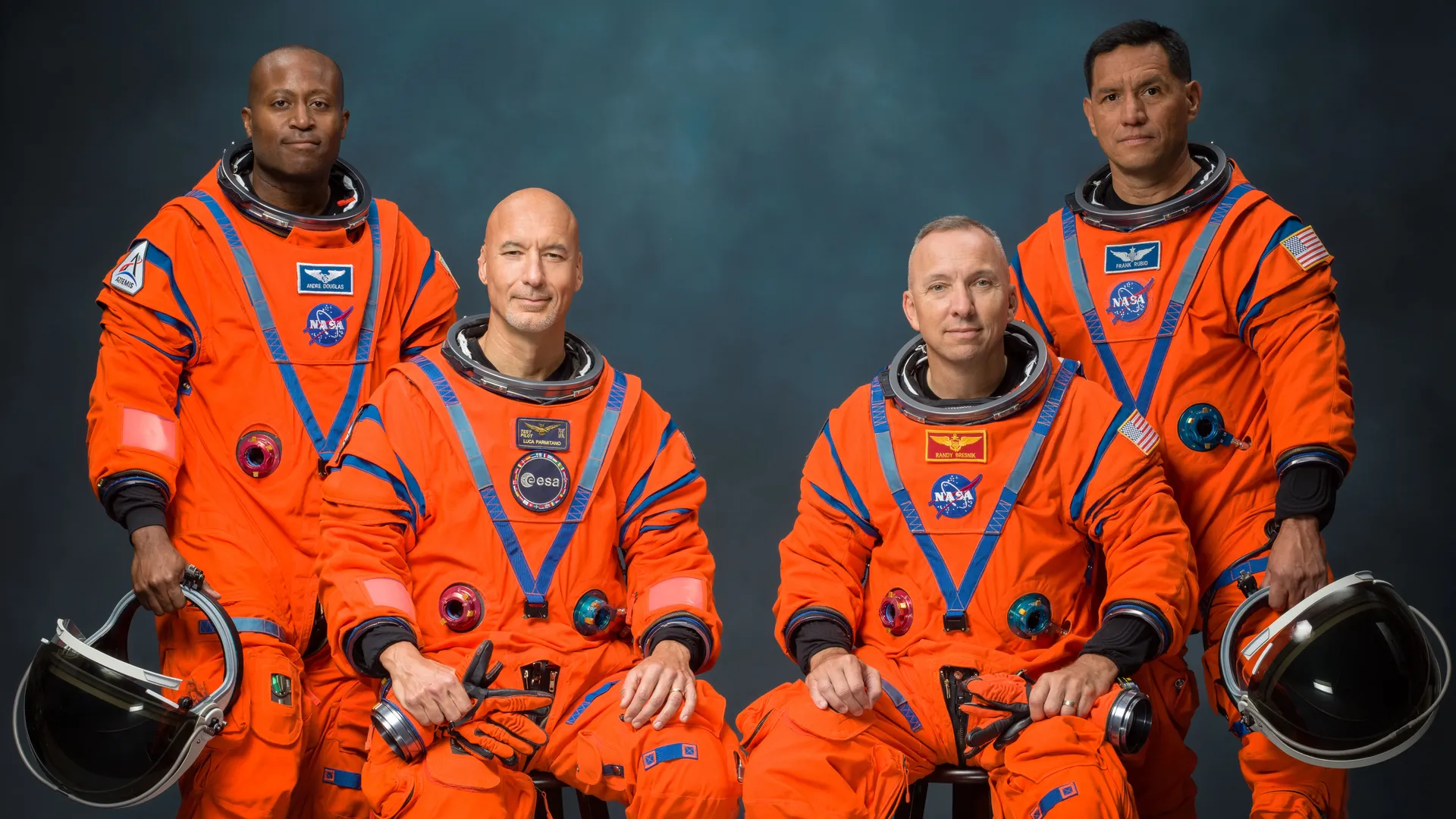
NASA on Tuesday revealed the four-person roster for Artemis III, the next mission in the space agency's quest to return humans to the Moon's surface.
Why it matters: Artemis III will involve key tests of one or both lunar landers from SpaceX and Blue Origin, in Earth orbit — similar to Apollo 9 before Apollo 11's historic Moon landing.
- That's after NASA changed Artemis III to a test flight for the landers before a planned Moon landing with Artemis IV.

The bull and bear cases for SpaceX
It's a foregone conclusion that SpaceX will raise at least $75 billion in its record-wrecking IPO, with pricing set for Thursday and first trades for Friday.
- The question, therefore, is what happens next.