The people who operate Bitcoin and secure it for posterity are in a debate over how much data can be stored on its blockchain.
Why it matters: It's an ideological battle over what Bitcoin should be used for, with a growing number of operators working to keep it just about money.
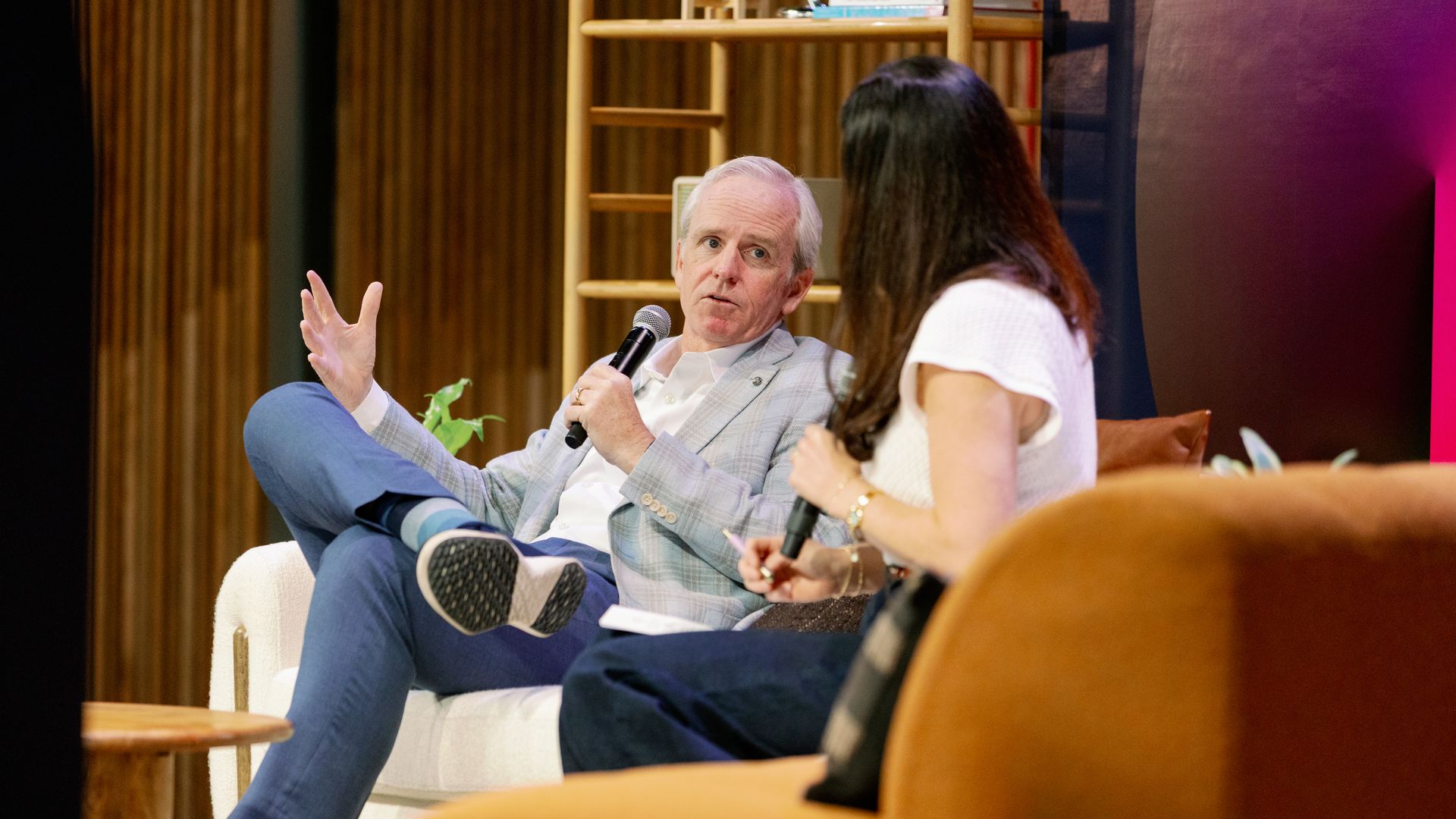
Sara Blask, Blue Origin'sformer principal of launch communications, referred to her team as the "Seal Team 6" of crisis communications during on an-stage interview at MB Live.
Why it matters: Space tourism is a highly technical, highly regulated industry that is viewed with skepticism by many — making proactive storytelling and crisis planning priorities for the comms teams.
Communicators tend to gripe about how they deserve to have a seat at the corporate leadership table. It's a tired trope that I'm, quite frankly, sick of writing about.
Yes, but: When Walmart executive vice president of corporate affairs Dan Bartlett told me the "public" has a seat at the table, it made me pause.
Why it matters: Corporate affairs and communications teams show their value by acting as strategic liaisons between a company and its most important audiences, namely the public.
Perplexity on Thursday is launching Perplexity Patents, an AI patent research agent, per an announcement shared first with Axios.
Why it matters: The AI-powered web browser wants to make it easier for people to look up patents so engineers, researchers and consumers can quickly find prior inventions.
Bill Gates' shift from "doomsday" climate warnings to a focus on improving human lives is triggering sharp reactions from scientists and activists.
Why it matters: As one of the world's most prominent funders of both climate and global health efforts, Gates' positioning influences the political and philanthropic center.
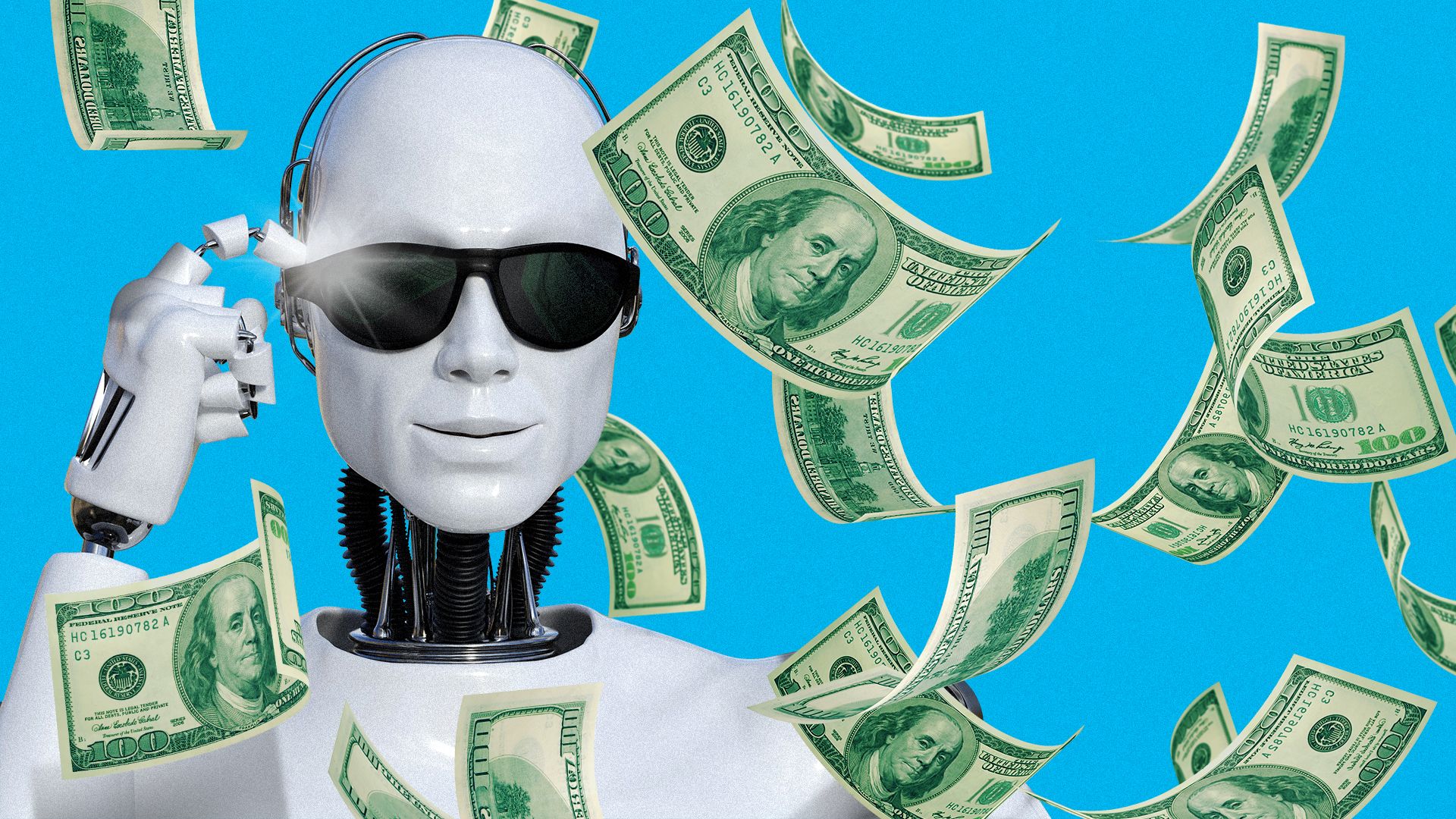
The AI spending spree continues. It's only getting bigger, in fact, and the sums more astronomical.
Why it matters: The longer the boom can keep carrying the economy, the more it can offset other structural changes, like a reordering of global trade and a transformation of the labor market.
What's good for a new-school company can also be good for an old-school one.
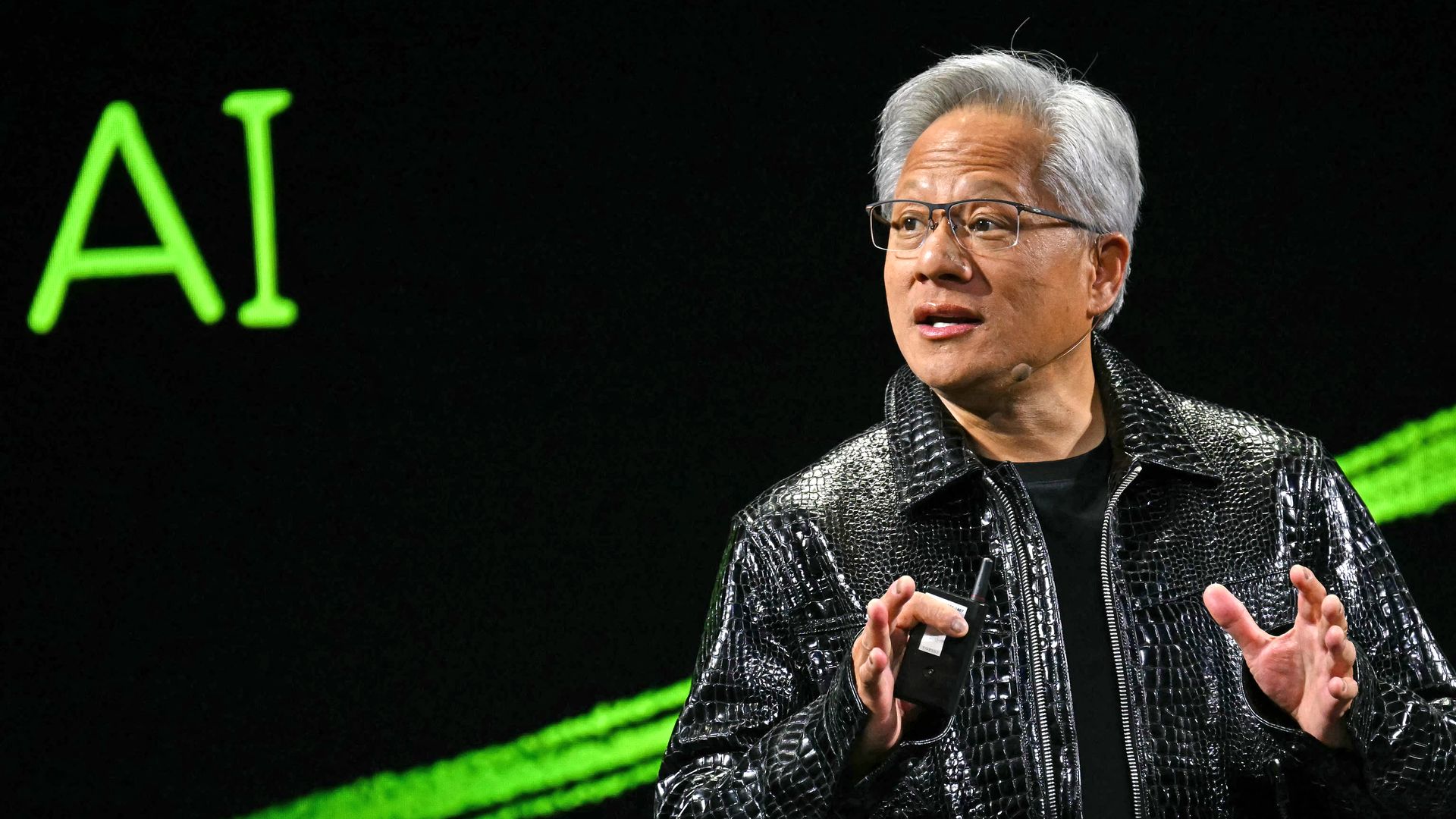
The big picture: Nvidia passed $5 trillion in value Wednesday, while Caterpillar's stock soared. The burgeoning AI economy is fueling insatiable demand for the modern form of picks and shovels — the types of AI chips that Nvidia designs — and for the actual picks and shovels needed to build that new capacity.
It's all hands on deck for LA's AI adoption as the city gears up to host a string of major sporting events.
Why it matters: LA faces a massive logistical challenge as it prepares to host three global sporting events in three years — and it's turning to AI to help the city cope.
The Food and Drug Administration on Wednesday unveiled steps to streamline the way it approves lower-cost versions of biologic drugs, in a bid to curb health costs.
Why it matters: After years of lagging uptake, biosimilars are gaining traction, especially for cancer and autoimmune conditions.
But manufacturers have had to conduct additional research, such as switching studies, in order to deem the treatments interchangeable with the brand-name product.
Driving the news: Federal regulators laid out conditions under which biosimilars can be brought to market without the need for such comparative effectiveness studies.
A streamlined approach can be considered when the brand-name product and proposed biosimilar are manufactured from clonal cell lines, are highly purified and can be well-characterized analytically, per the guidance.
There still are circumstances where added studies will be necessary, the agency said.
What they're saying: "Under this new framework, companies may not always need to conduct large, expensive human trials when advanced testing can already prove that biosimilars work just as effectively and just as safely as the original drug," Health Secretary Robert F. Kennedy Jr. said.
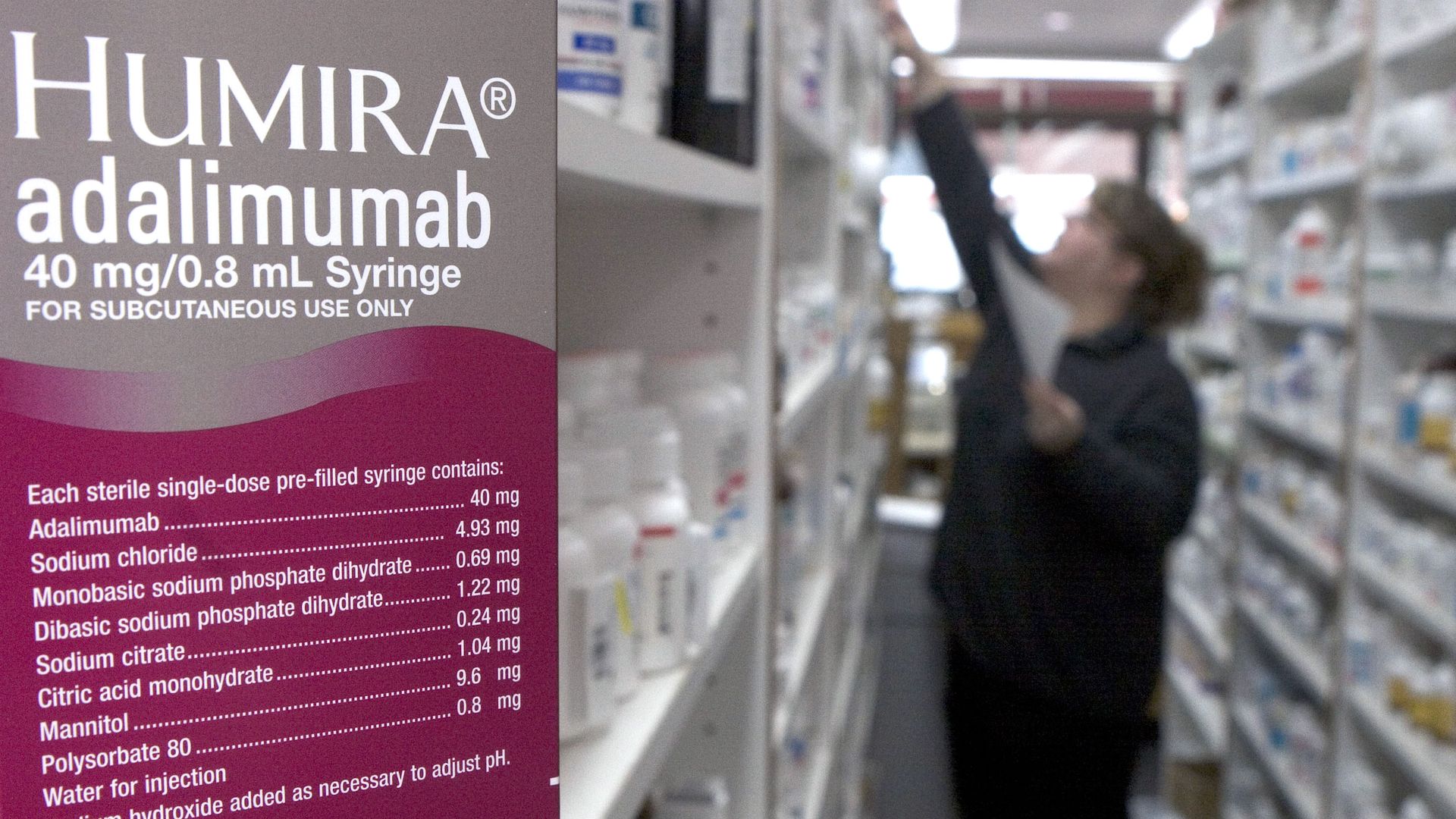
FDA commissioner Marty Makary pointed to red tape he said delayed for years biosimilars for AbbVie's blockbuster rheumatoid arthritis drug Humira.
The big picture: It's the latest administration move aimed at curbing drug costs and streamling approvals.
The FDA recently awarded priority reviews for nine drugs, though some are already FDA-approved, meaning the priority review is only for approval of a new use.
The other side: The drug industry has previously opposed efforts to make it easier to swap biosimilars for their brand-name counterparts.
OpenAI and Character.AI are tightening safeguards after increasing reports of adults and teens forming unhealthy attachments to chatbots.
Why it matters: A series of suicideslinked to users' emotional dependence on AI companions has prompted senators to propose regulation and AI companies to begin making changes.
For True Anomaly CEO Even Rogers, the future of defense conjures thoughts of "space warfare, flat out."
"Warfare is becoming autonomous. It's becoming multi-domain, and it's becoming an activity that happens in the gray zone," he told Axios in an interview.
"There's all this entanglement around economics, politics and warfare," he added, "and the battlefield just looks very, very different than it used to."
Why he matters: Rogers is — as he puts it — a former space operations officer, commercial fisherman and grease monkey.
His company in April announced a $260 million Series C.
The AI industry is preparing to launch a multimillion-dollar ad campaign through a new policy advocacy group, Axios has learned.
Why it matters: The new group — Build American AI — is the latest sign that the flush-with-cash AI industry is preparing to spend massive sums promoting its agenda, namely its push for federal, not state, regulation.
A slew of major companies announcing large-scale layoffs serves as a warning that the U.S. labor market, which has been in a prolonged-but-precarious balance, could be starting to tip over.
The big picture: Corporate psychology looks to be shifting, as the worker shortages of 2021 fade into memory and AI advances hold the promise of doing more with less.
A leading business group — in a report shared exclusively with Axios — is trying to jump-start efforts in Congress to cut red tape so that new AI and other projects can roll out more rapidly.
Why it matters: The National Association of Manufacturers (NAM) carries considerable clout with Republicans.