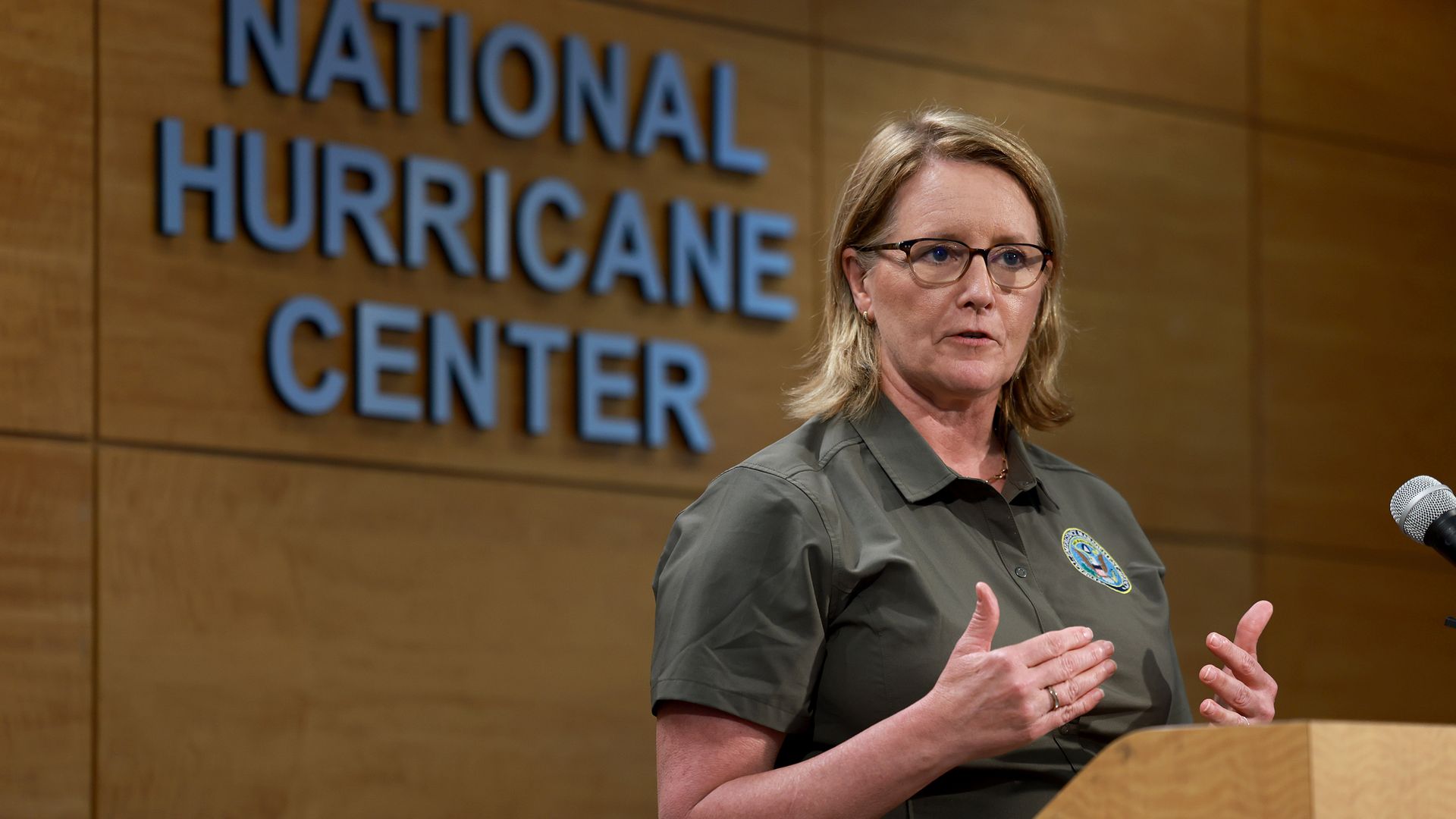
The federal government's disaster relief fund is on pace to run out of money at the height of both the hurricane and wildfire seasons, a top official warned this week.
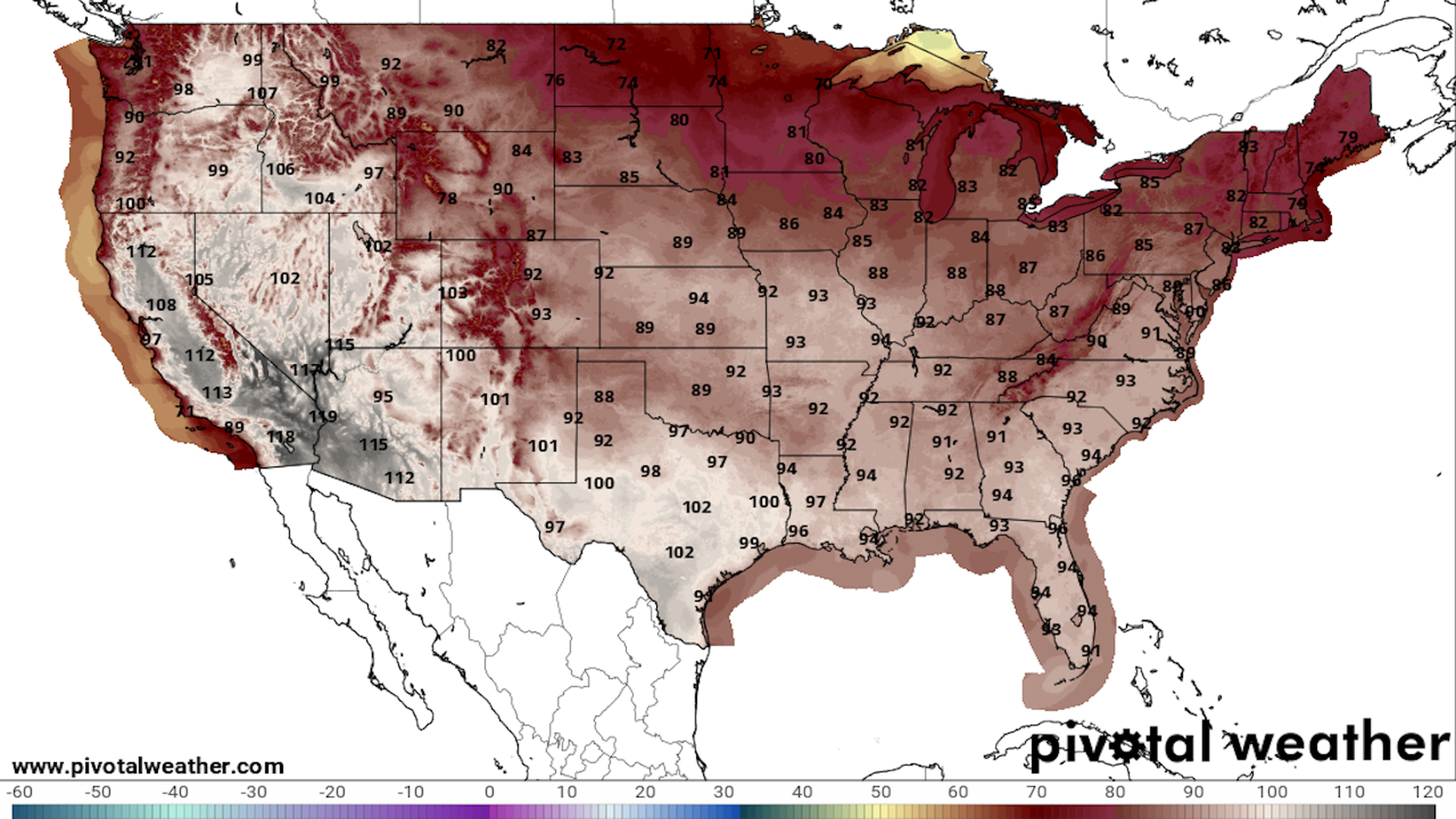
An expanding, intensifying heat wave prompted the National Weather Service to issue heat alerts for 115 million people on Friday in 15 states, with no letup in sight for some areas.
Why it matters: The heat will topple longstanding records, especially in the Southwest, and the duration of this event that's set to continue well into next week increases public health dangers.
Over 56% of the world's oceans have subtly changed color over the past 20 years and human-caused climate change is likely to blame.
Driving the news: That's according to a new study from scientists at the Massachusetts Institute of Technology and National Oceanography Centre in the U.K. that found the phenomena can't be explained by natural variability alone.
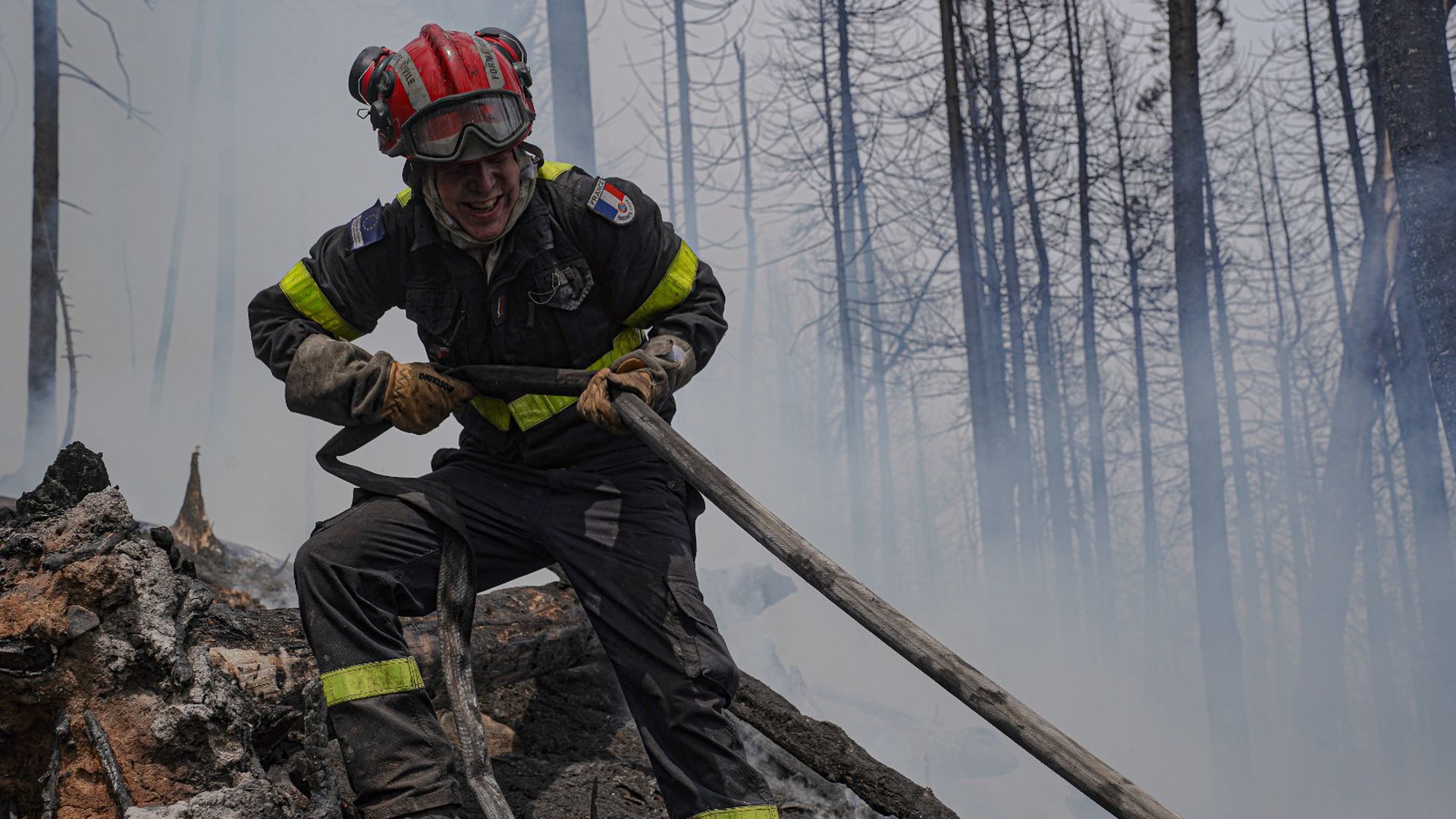
The extent of Canada's worst wildfire season on record continued to grow this week after a combination of extreme heat events, unusually dry weather and lightning strikes stoked hundreds of out of control wildfires across the country.
Scientists are beginning to understand how sex chromosomes and hormones affect people's risk for certain diseases — and whether the biology behind those differences can be harnessed to improve treatments.
El Niño conditions are only slowly gathering strength in the tropical Pacific Ocean, but the National Oceanic and Atmospheric Administration expects the event is likely to peak at a moderate to strong intensity by the fall and winter.