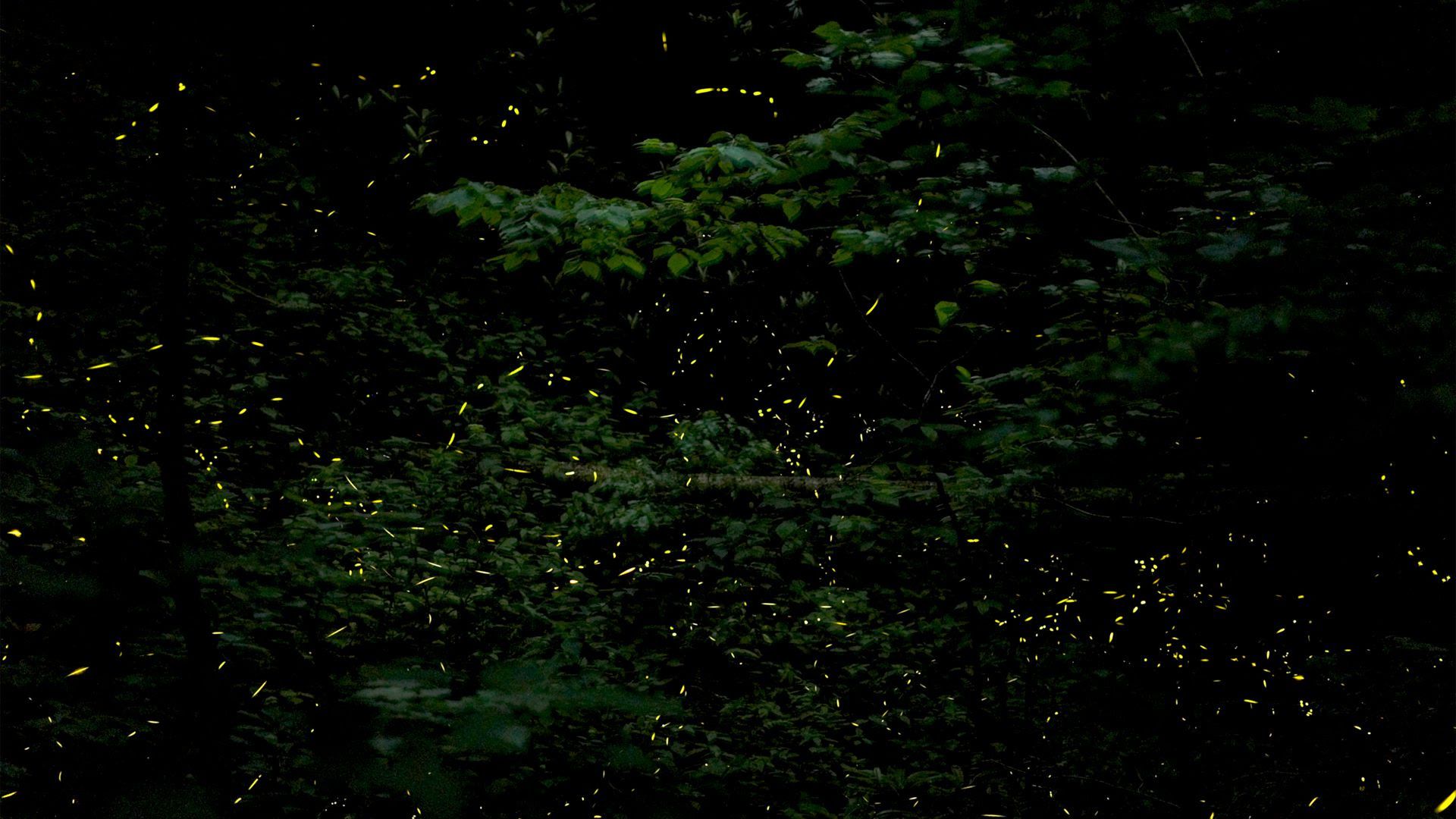
The synchronized flashing of fireflies is a summertime wonder — and a scientific mystery. New research maps the flashes in a swarm and suggests how these glowing displays are coordinated.
The big picture: Synchronization occurs in many systems — from the cells in our heart that contract at the same time to pump blood and neurons in the brain that synchronize at the onset of seizures.
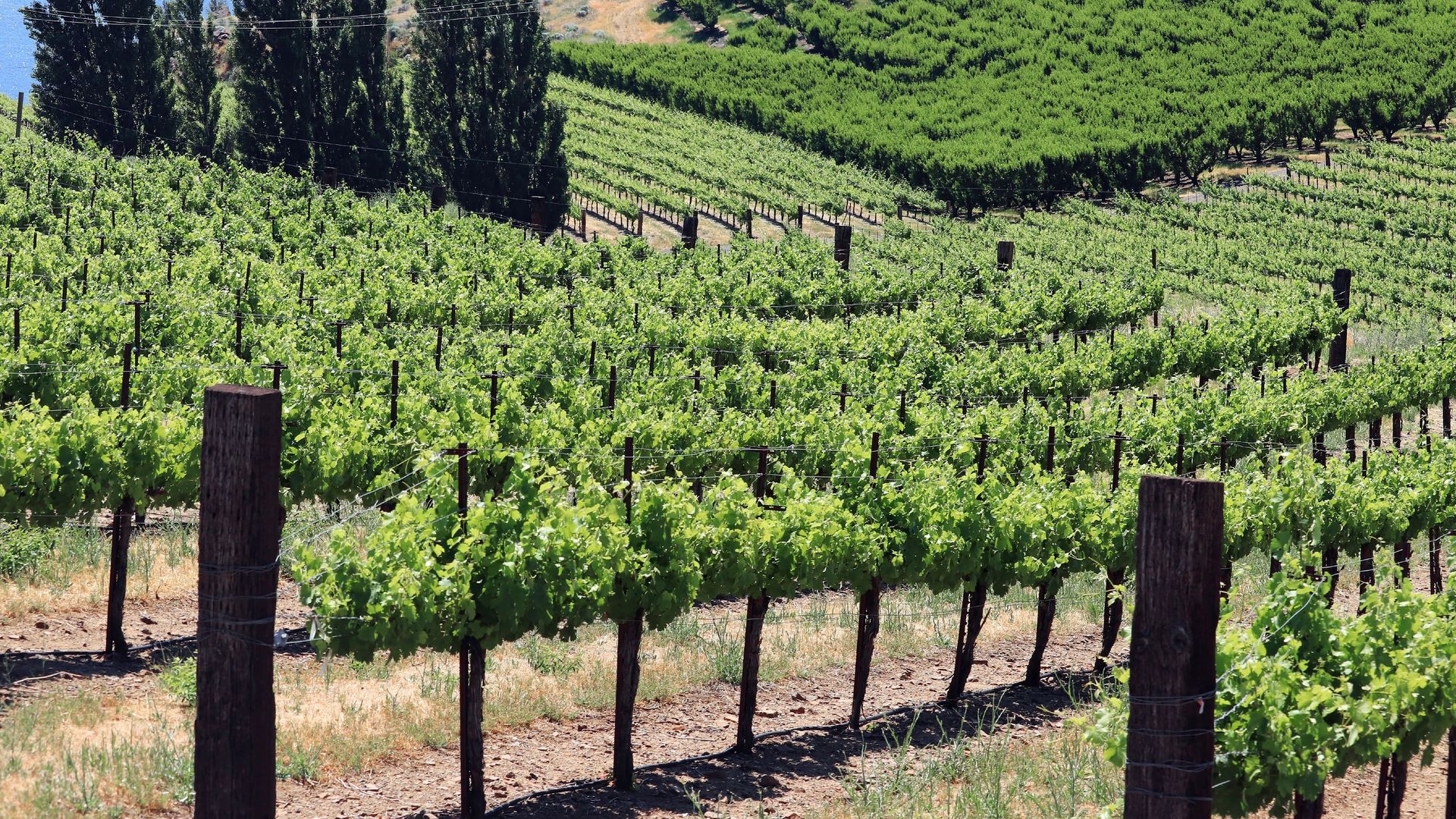
The heat wave that ravaged the Pacific Northwest signaled trouble for winemakers in Oregon and Washington, who fear the high temperatures could return and spur dangerous wildfires, AP reports.
Driving the news: The grapes suffered little, if any, damage in June, when temperatures hit 120 degrees Fahrenheit. "Earlier or later in the growing season, it could have been disastrous," AP writes. Wineries in the Pacific Northwest intend to shield their crops from being toasted.
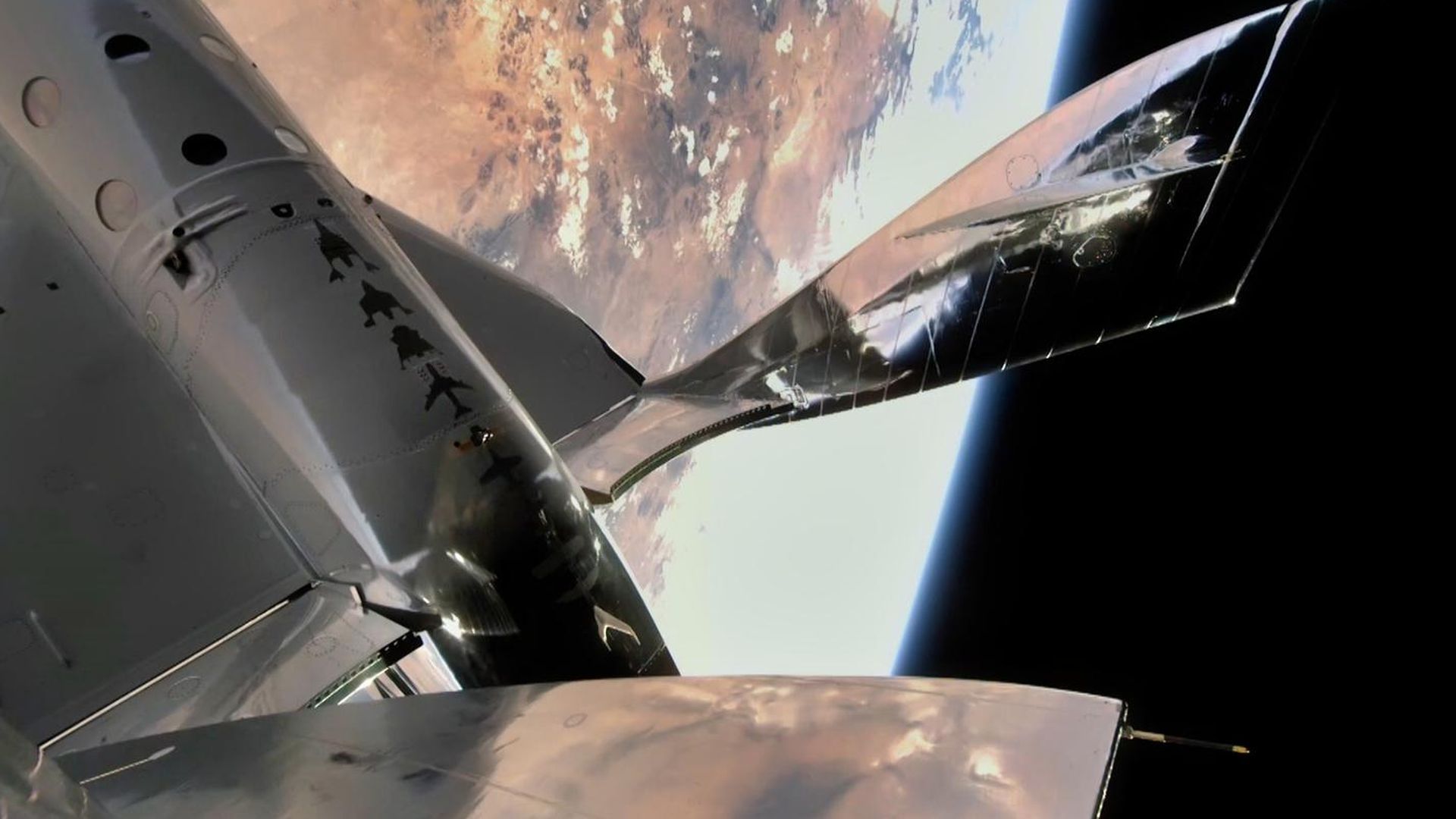
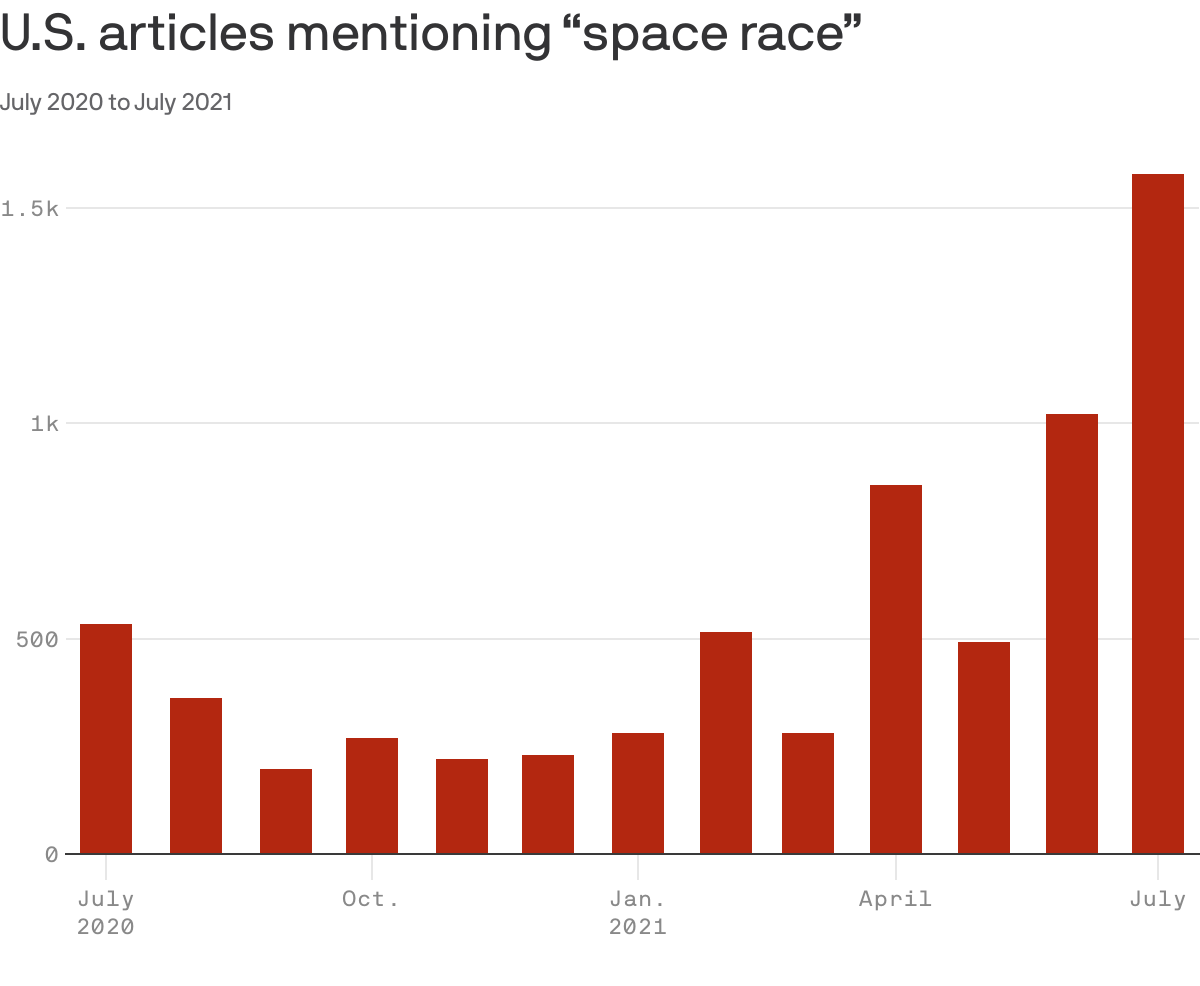
The public's interest in space coverage has exploded leading up to the historic space race between billionaire space entrepreneurs Richard Branson and Jeff Bezos.
Why it matters: Bezos and Branson are both hoping to make space tourism a big business, and their billionaire space race is sparking widespread interest in spaceflight that could ultimately translate into future customers.
Nights on average are heating up faster than days in most parts of the United States — a trend caused by climate change, according to the 2018 National Climate Assessment Report, newly cited by the New York Times.
Why it matters: Last month was the hottest June on record for the U.S., and more than 1,500 areas of the country logged new record-high overnight temperatures toward the end of the month.
Why it matters: The average temperature across the U.S. last month was 72.6°F, and eight states — Arizona, California, Idaho, Massachusetts, Nevada, New Hampshire, Rhode Island and Utah — saw their hottest June on record.
Giant pandas are no longer endangered after decades of conservation efforts, Chinese officials announced this week.
Why it matters: China's efforts over the last half-century to expand giant pandas' habitats helped drive their population in the wild up to 1,800, according to CNN.