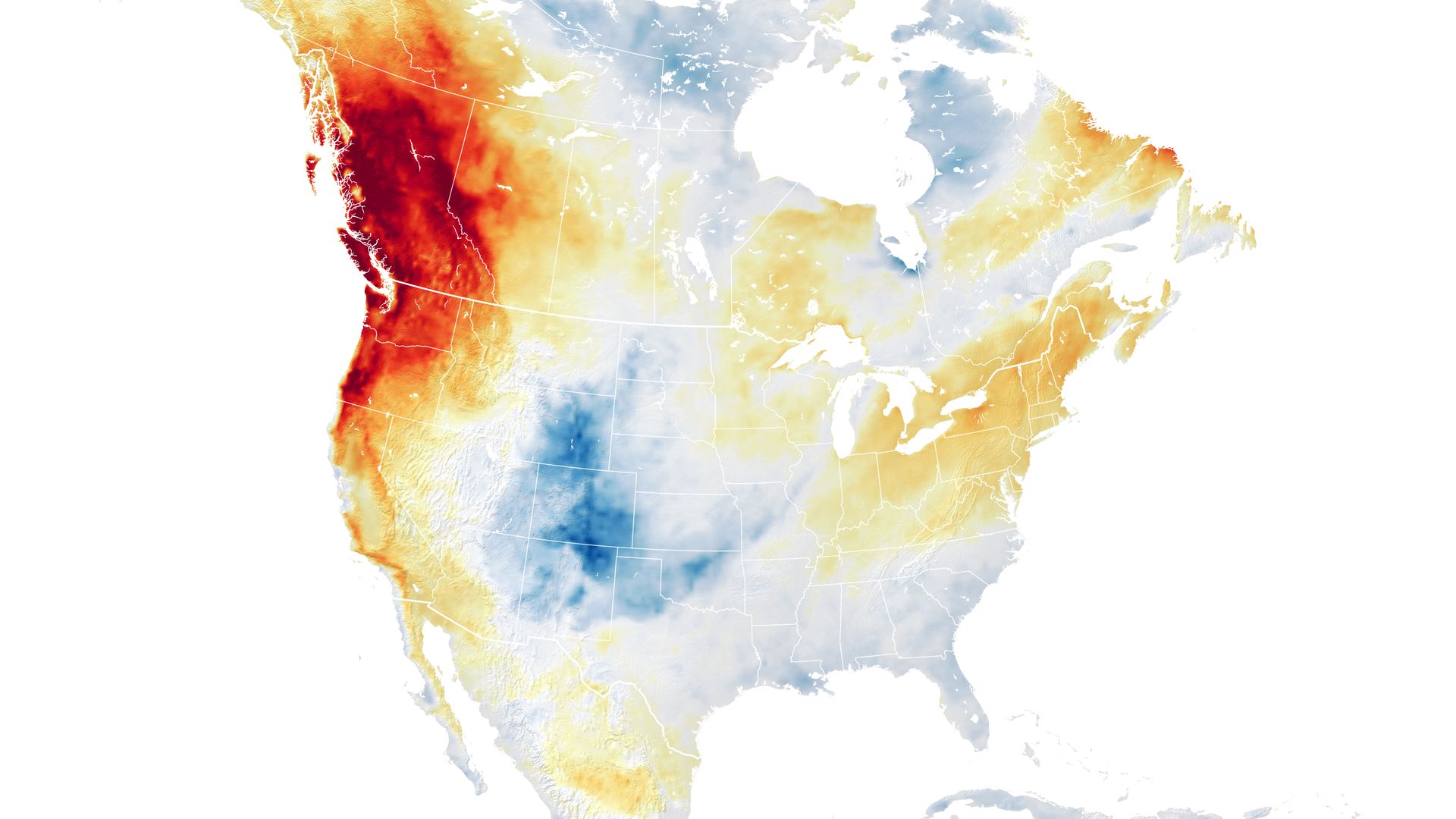
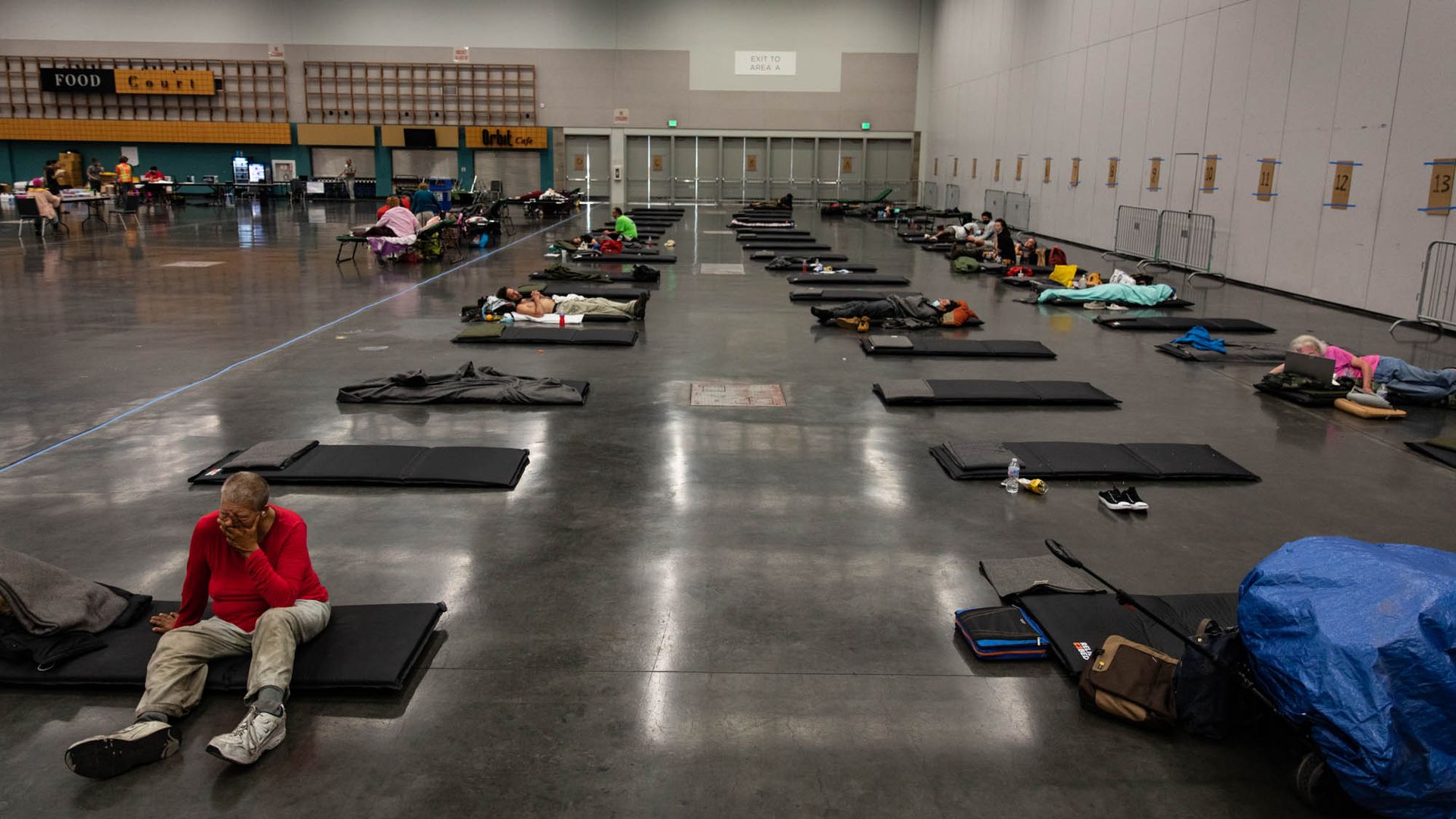
After reaching an unprecedented peak, the ferocious heat wave in the Pacific Northwest is retreating inland on Tuesday, sparing some of the biggest cities, including Seattle, from another day of record-breaking heat.
Why it matters: The worst heat wave on record in the Pacific Northwest has had a wide range of impacts, from damaging public transit infrastructure — rails failed and roads buckled — to public health issues. This event is not over, given the continued record high temperatures in areas further away from the coast.
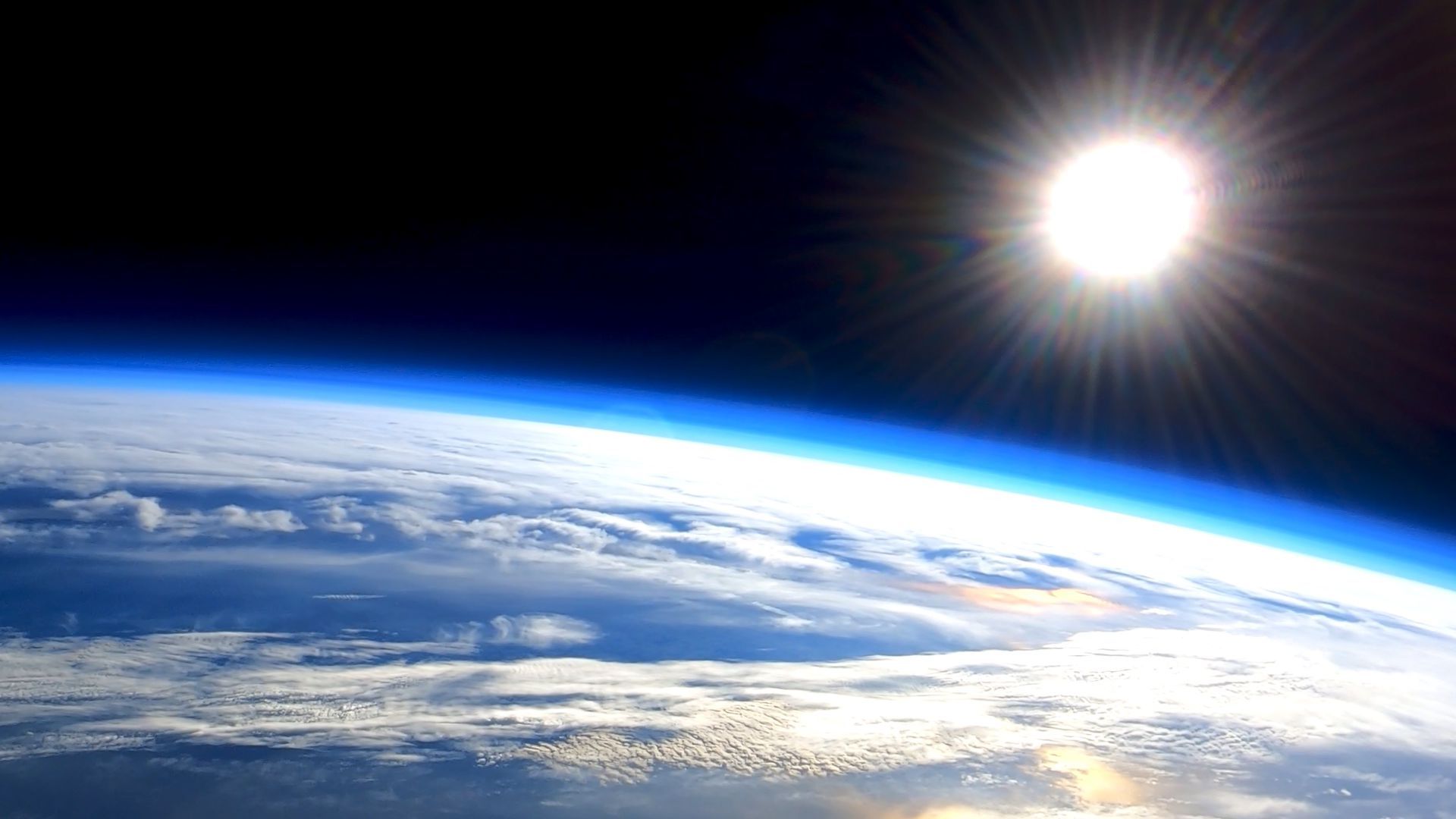
Space Perspective wants to take paying customers on flights into the upper atmosphere, 20 miles above the planet, and the company is ready to start selling tickets.
Why it matters: The company is stepping into an increasingly crowded market, with multiple space tourism companies — like Virgin Galactic and Blue Origin — expected to stage their first commercial flights with passengers this year.
Newly released videos reveal China's Mars rover roaming the world and the spacecraft's daring descent to the Red Planet's surface.
Why it matters: The rover — named Zhurong — is the China National Space Administration's first to explore Mars, making it the only other space agency aside from NASA to successfully operate a rover on the planet.
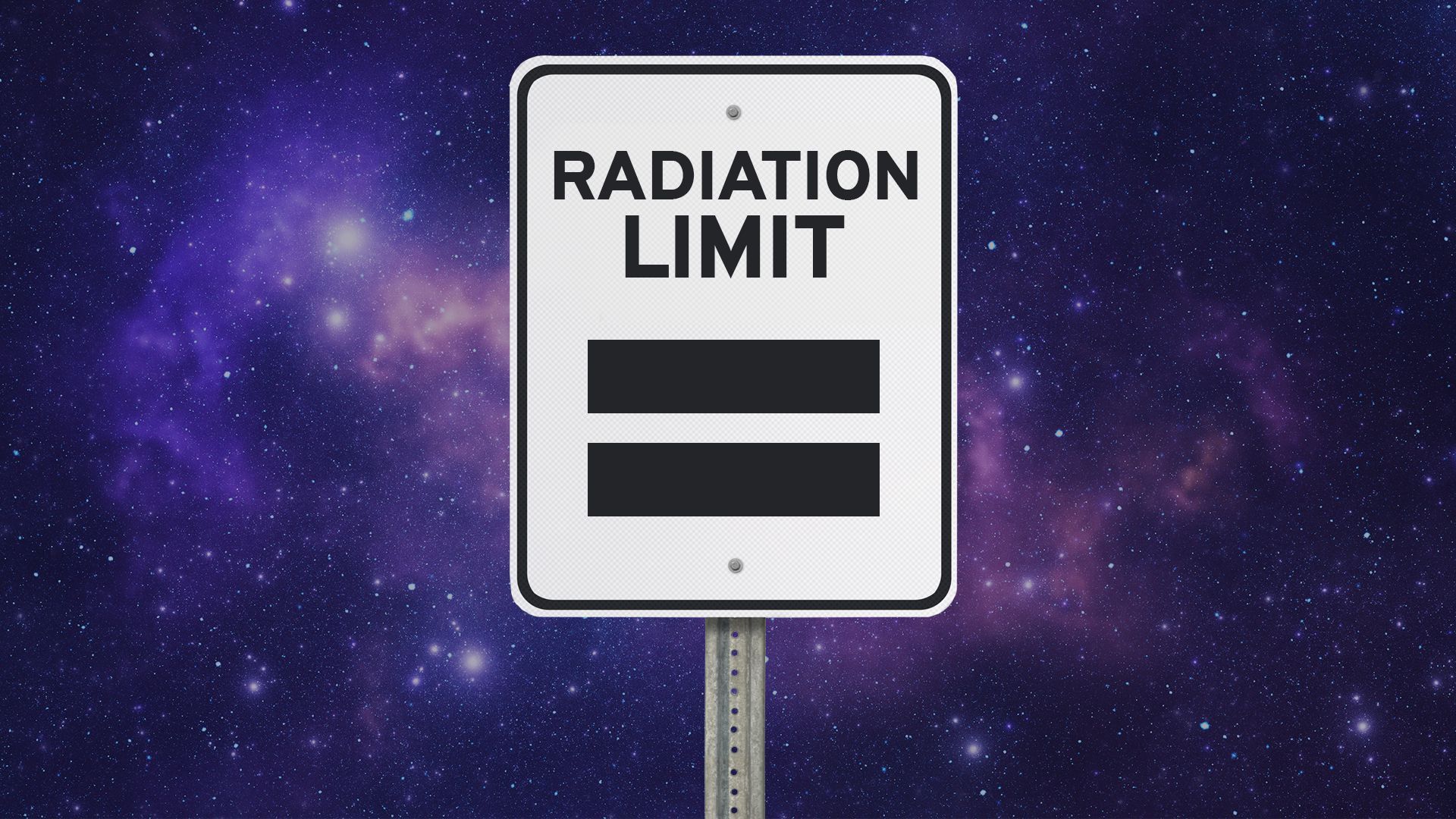
NASA's proposal to update its radiation limits for astronauts would make space a more equal place for women.
The big picture: Historically, female astronauts haven't been able to fly as often as their male counterparts, in part because of strict limits on the amount of radiation exposure NASA finds allowable.
Abu Dhabi will soon only allow adults vaccinated against COVID-19 in public places including schools, universities, shopping centers and gyms — banning anyone who hasn't been inoculated against the virus unless they've a valid reason.
The big picture: United Arab Emirates authorities said in a Twitter post Monday they're taking the action, effective Aug. 20, to "preserve public health" after vaccinating 93% of "target groups." Anyone in the UAE capital under 16 will be exempt from the rule, which doesn't apply to retailers selling essential goods, such as supermarkets and pharmacies.
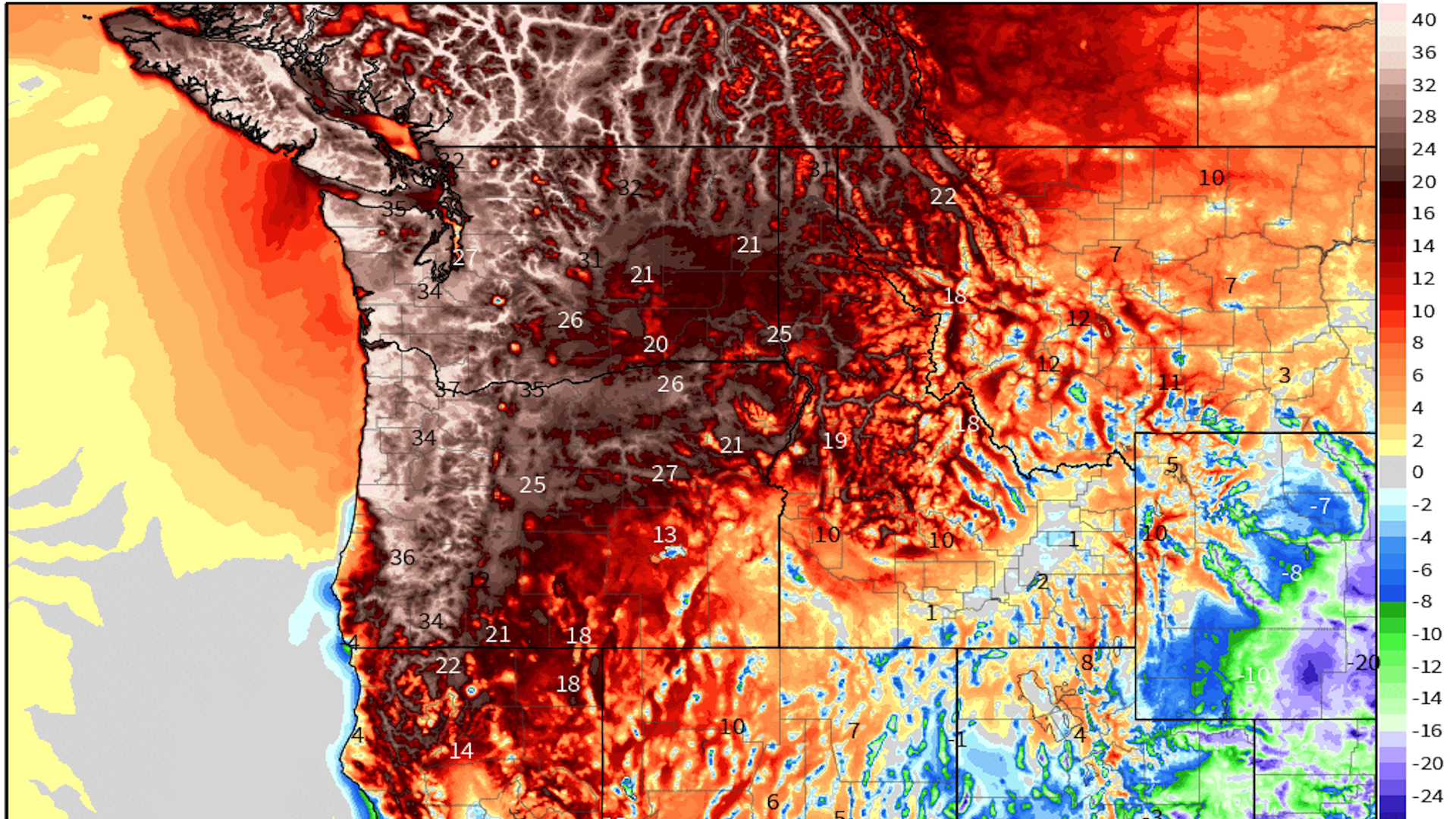
Of note: Seattle surpassed its record set Sunday by 4°F when it hit 108°F Monday evening and Portland for the third consecutive day recorded an all-time high temperature record high, reaching 116°F. The Canadian town of Lytton set a new national record for the second straight day when it hit 118.2°F.
The House passed two bills on Monday that would bolster scientific research in an effort to give the U.S. a competitive edge over China.
Why it matters: There have been concerns among lawmakers that the U.S. is being left behind in science and technology innovation as the Chinese Communist Party gains ground — something President Biden noted in his statement welcoming the House legislation Monday.
The extraordinary heat wave that's stifling the Pacific Northwest reached its peak in many areas on Monday. Seattle smashed its all-time high-temperature record, set just the day before, by 4°F.
Why it matters: After two days of oppressive heat and little relief at night, the extreme weather event, boosted by global warming, is moving into a more dangerous phase.
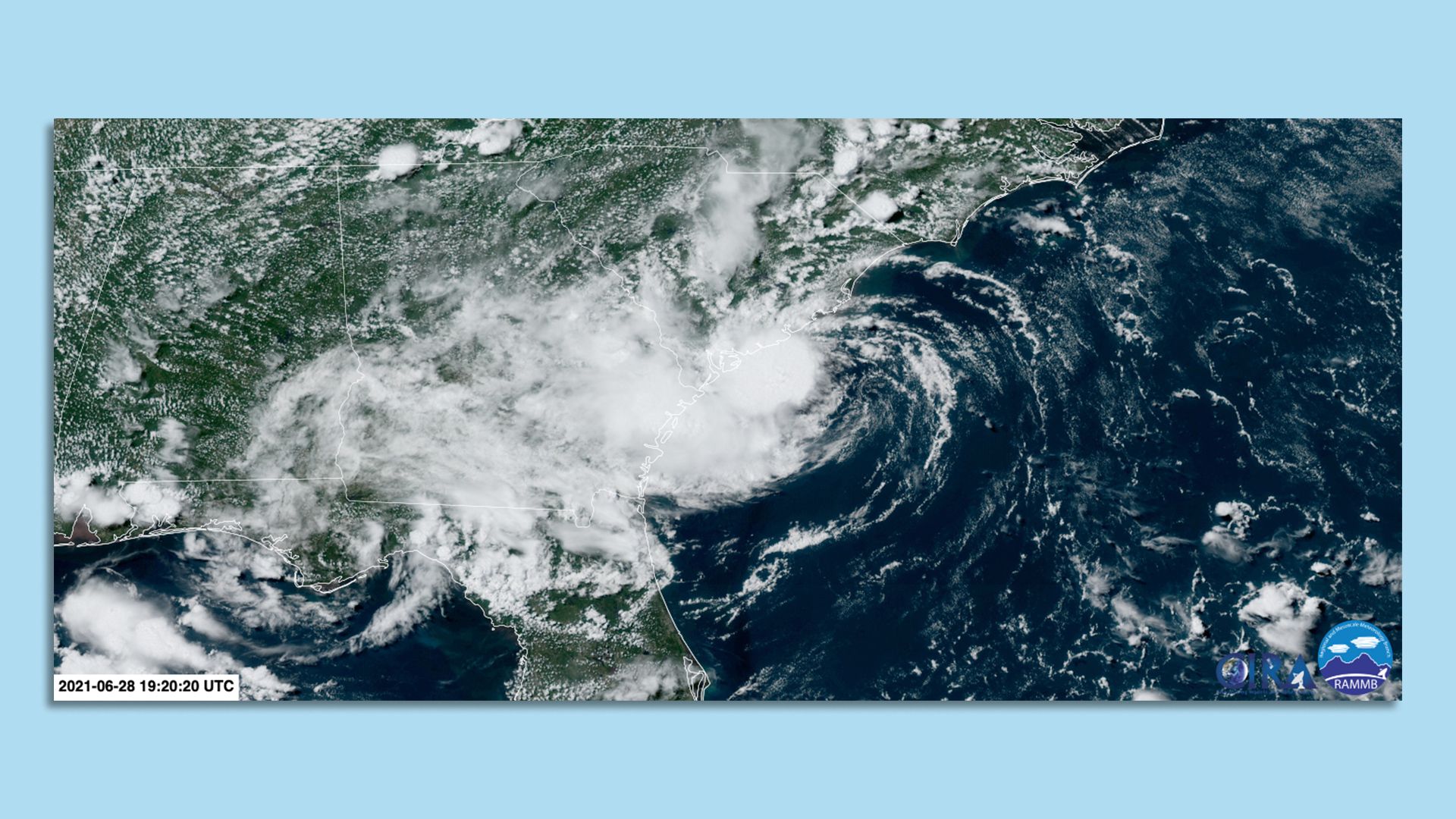
The fourth tropical storm of 2021, Tropical Storm Danny, formed off the coast of South Carolina Monday afternoon, according to the National Hurricane Center.
Why it matters: Tropical Storm Danny's arrival in June signals the season is off to an active start. On average, the fourth named storm arrives each year on Aug. 23.
The Pacific Northwest is experiencing record-high temperatures due to a “heat dome” that should be a once every-few-thousand-year event — but which could occur more often and with more severity due to climate change.
Axios Re:Cap goes deeper with Axios climate reporter Andrew Freedman, to better understand this weather event's science, the dangers posed to human health and infrastructure and how the definition of "normal climate" is changing.
The dangerous heat wave enveloping the Pacific Northwest is shattering weather records by such large margins that it is making even climate scientists uneasy.
Why it matters: Infrastructure, including heating and cooling, is built according to expectations of a "normal" climate. Human-caused climate change is quickly redefining that normal, while dramatically raising the likelihood of events that simply have no precedent.
A stifling "heat dome" is parked over the Pacific Northwest, bringing unprecedented heat to at least 25 million in the United States, and more in Canada. Temperatures are forecast to hit an apex Sunday and Monday in many areas.
Why it matters: Extreme heat threatens lives, ranking as the nation's top weather-related killer annually. In addition, extreme heat events such as this one are a clear manifestation of human-caused climate change, with numerous studies linking such events to the long-term increase in global average temperatures.