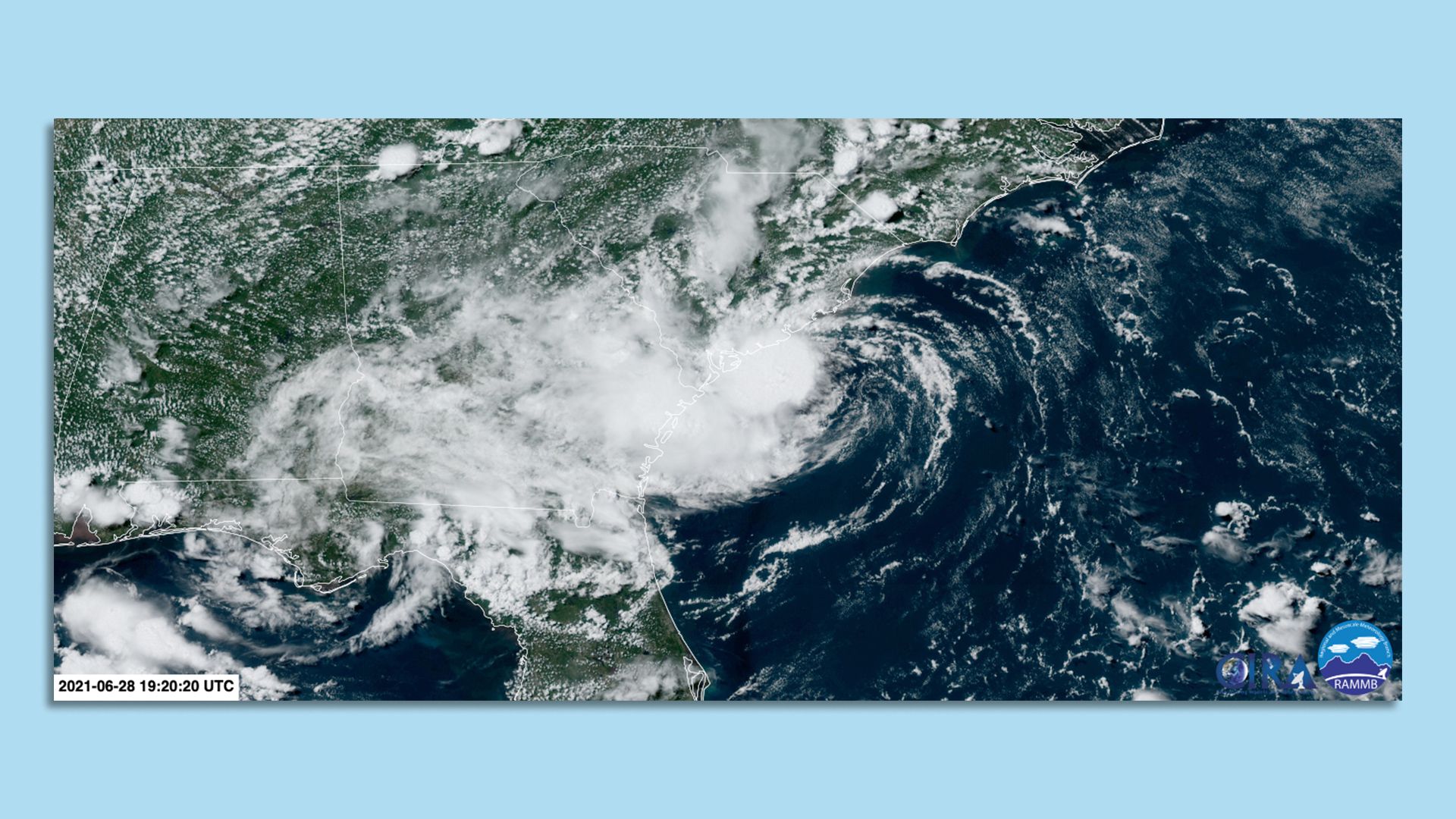
The fourth tropical storm of 2021, Tropical Storm Danny, formed off the coast of South Carolina Monday afternoon, according to the National Hurricane Center.
Why it matters: Tropical Storm Danny's arrival in June signals the season is off to an active start. On average, the fourth named storm arrives each year on Aug. 23.
The Pacific Northwest is experiencing record-high temperatures due to a “heat dome” that should be a once every-few-thousand-year event — but which could occur more often and with more severity due to climate change.
Axios Re:Cap goes deeper with Axios climate reporter Andrew Freedman, to better understand this weather event's science, the dangers posed to human health and infrastructure and how the definition of "normal climate" is changing.
The dangerous heat wave enveloping the Pacific Northwest is shattering weather records by such large margins that it is making even climate scientists uneasy.
Why it matters: Infrastructure, including heating and cooling, is built according to expectations of a "normal" climate. Human-caused climate change is quickly redefining that normal, while dramatically raising the likelihood of events that simply have no precedent.
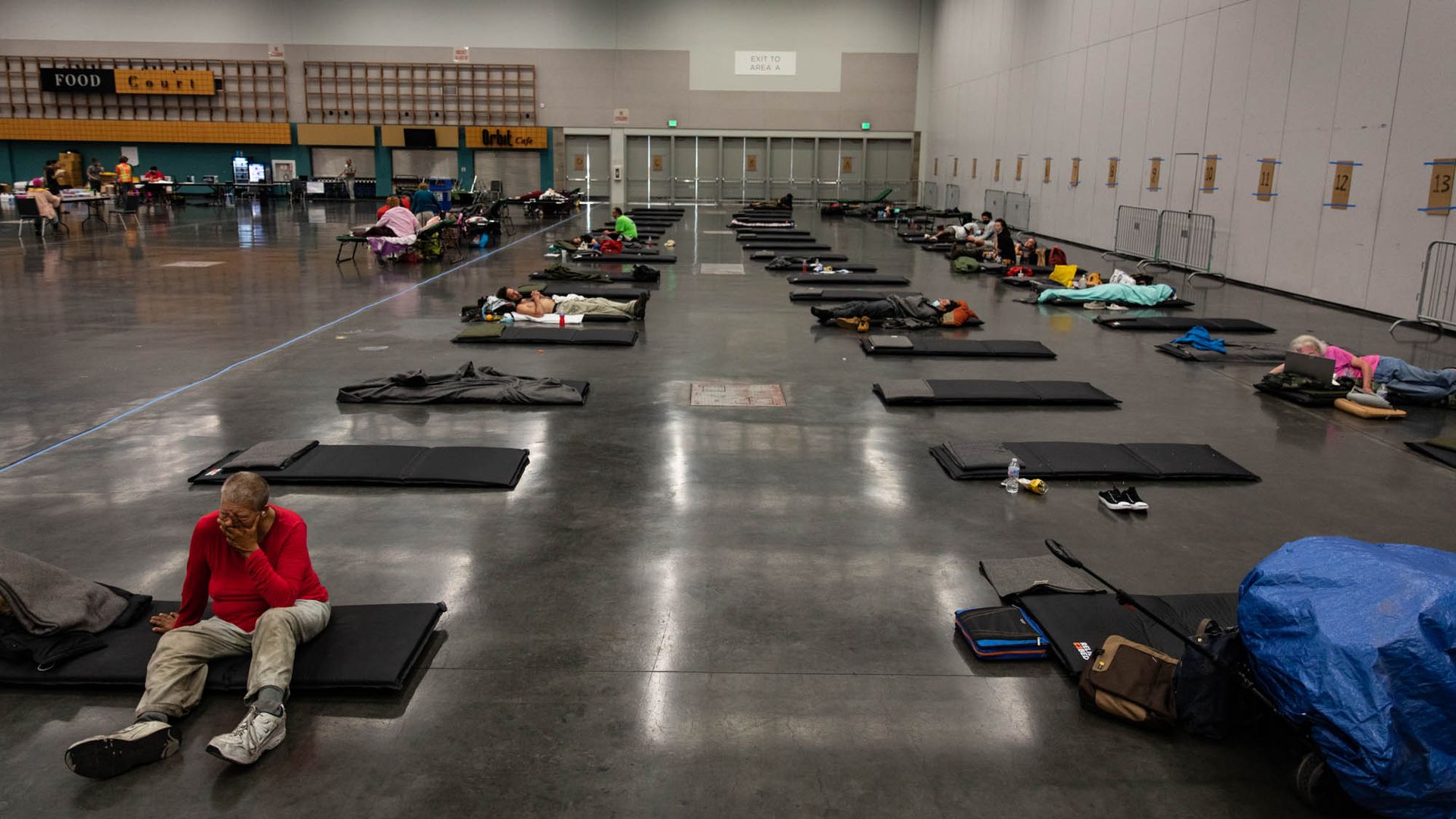
A stifling "heat dome" is parked over the Pacific Northwest, bringing unprecedented heat to at least 25 million in the United States, and more in Canada. Temperatures are forecast to hit an apex Sunday and Monday in many areas.
Why it matters: Extreme heat threatens lives, ranking as the nation's top weather-related killer annually. In addition, extreme heat events such as this one are a clear manifestation of human-caused climate change, with numerous studies linking such events to the long-term increase in global average temperatures.
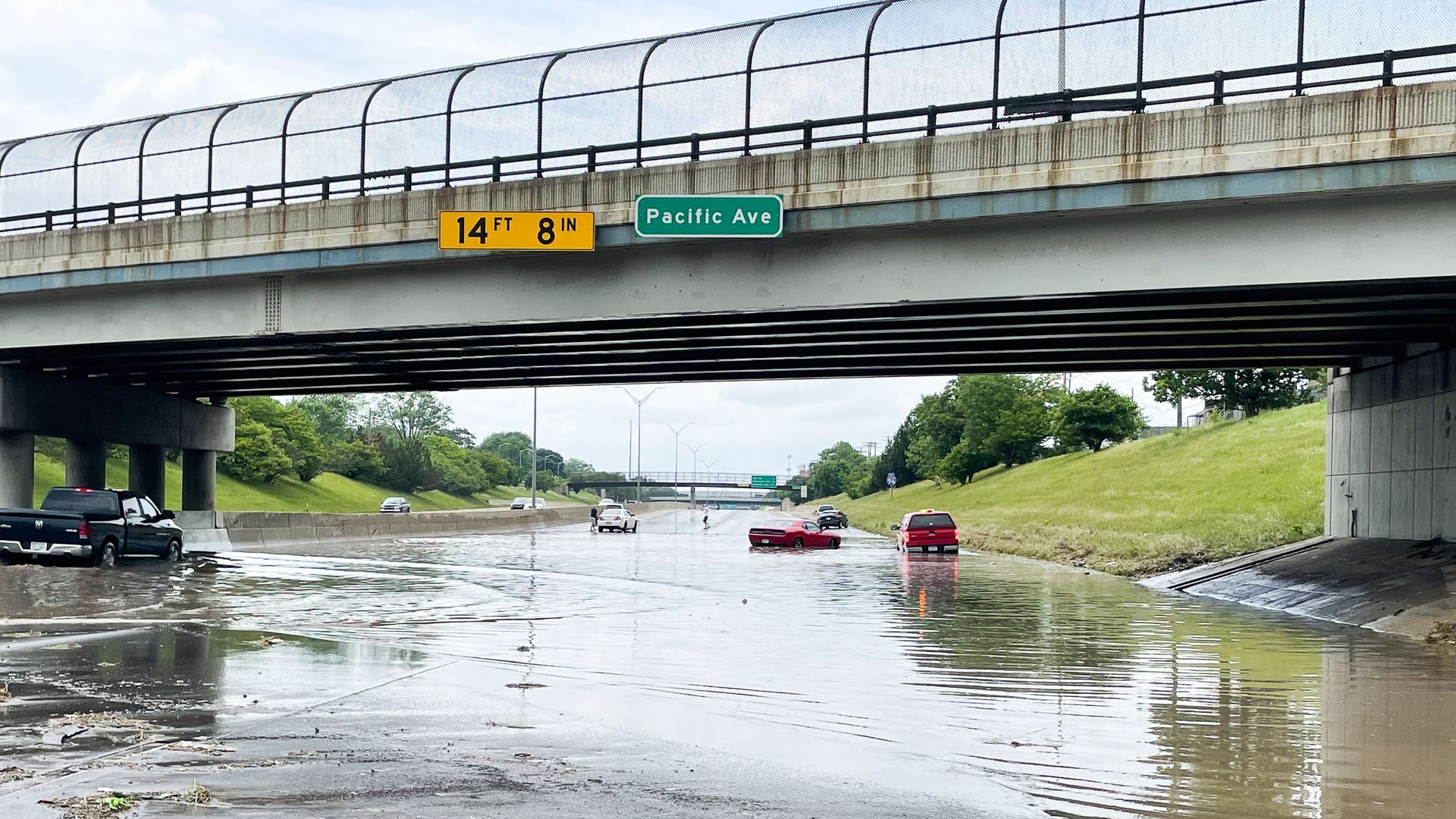
Gov. Gretchen Whitmer (D) declared a state of emergency Saturday over what she called "extraordinary flooding," which caused power outages, sewer backups and left dozens of drivers stranded.
Driving the news: Flood watches were in place through Sunday, after up to 7 inches of rain fell in some parts of the state over the past few days, per the National Weather Service.
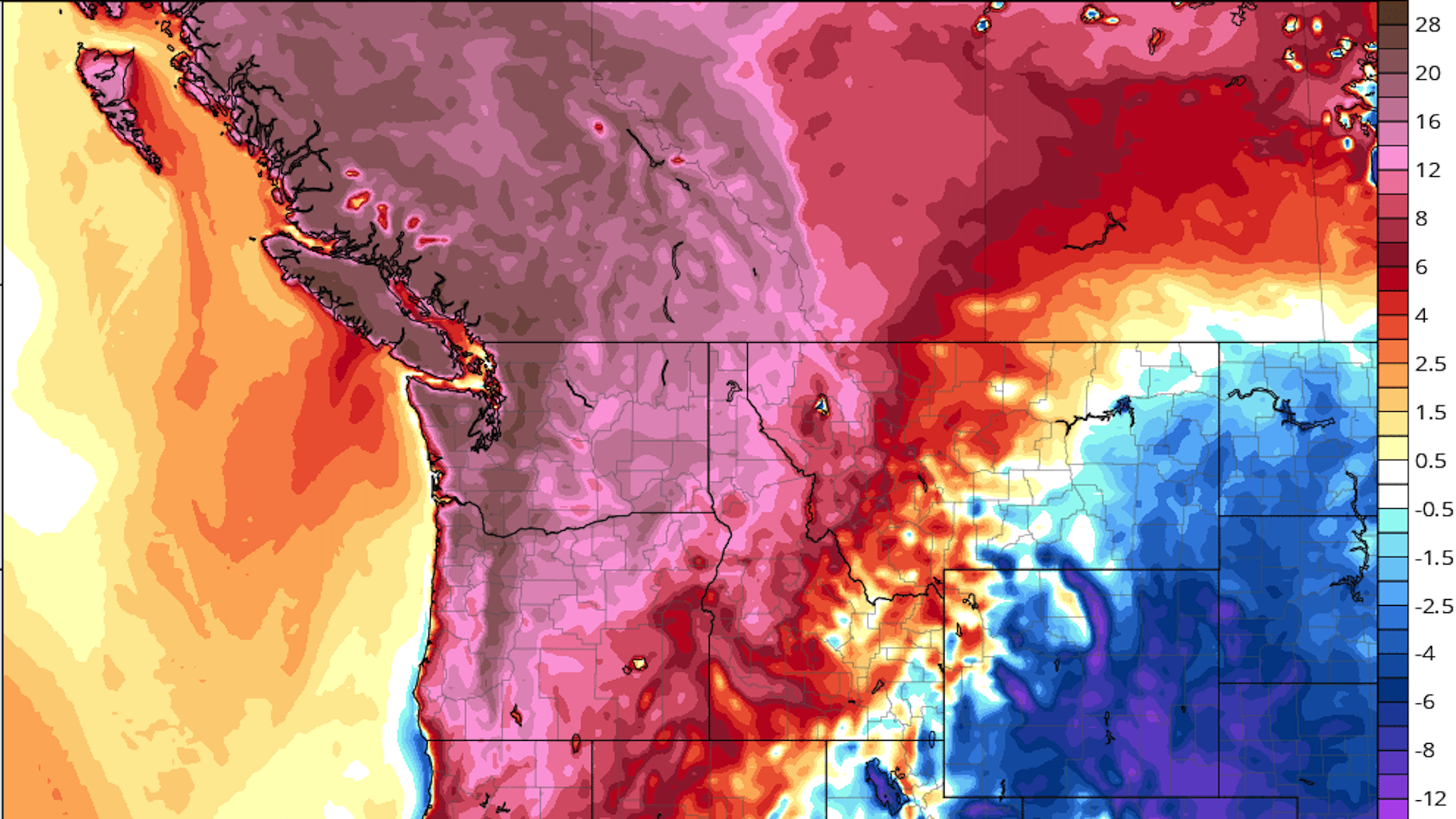
One of the worst heat waves on record to hit the Pacific Northwest and British Columbia is underway, with temperatures soaring into the triple digits Saturday before reaching unprecedented levels Sunday and Monday.
Why it matters: Extreme heat events are dangerous to public health, with heat ranking as the nation's top weather-related killer annually. In addition, extreme heat events such as this one are a clear manifestation of human-caused climate change.