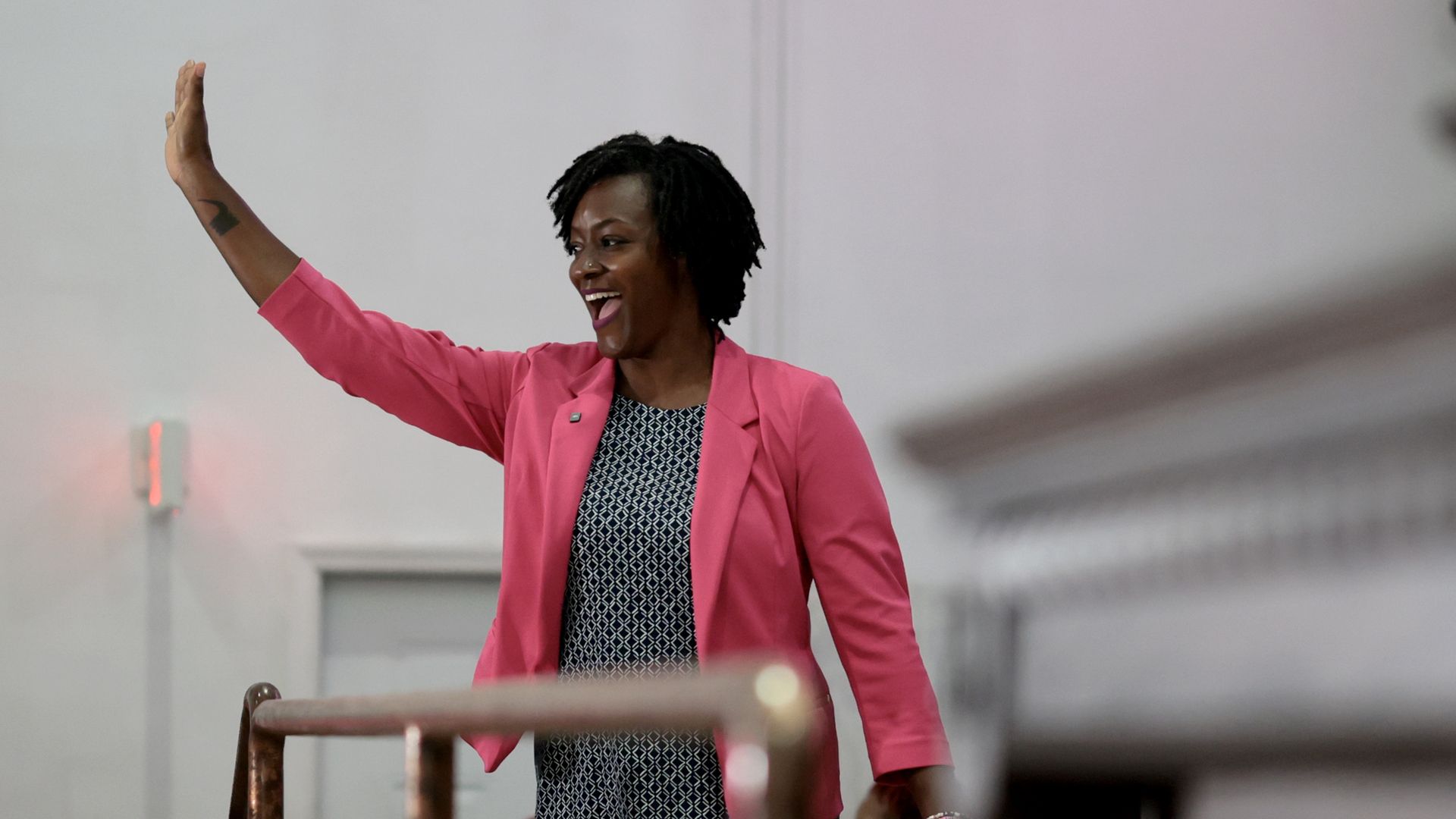
Florida's new Democratic Senate nominee, Angie Nixon, and the state party's chair had a heated conversation Friday that included a yelling match about the impact of socialism and the challenges of campaigning in a red state like Florida, three people familiar with the conversation tell Axios.
Why it matters: The conflict exposes the fault line in the party between the progressive base embodied by Nixon and the establishment represented by the state party's chair, Nikki Fried.
The Supreme Court ruled Friday that President Trump'ssprawling ballroom project can proceed for now, despite a lower court's ruling that halted the administration's plans.
Why it matters: The decision is a major win for the administration, which has argued that demolishing the White House's East Wing and building the ballroom are necessary for security.
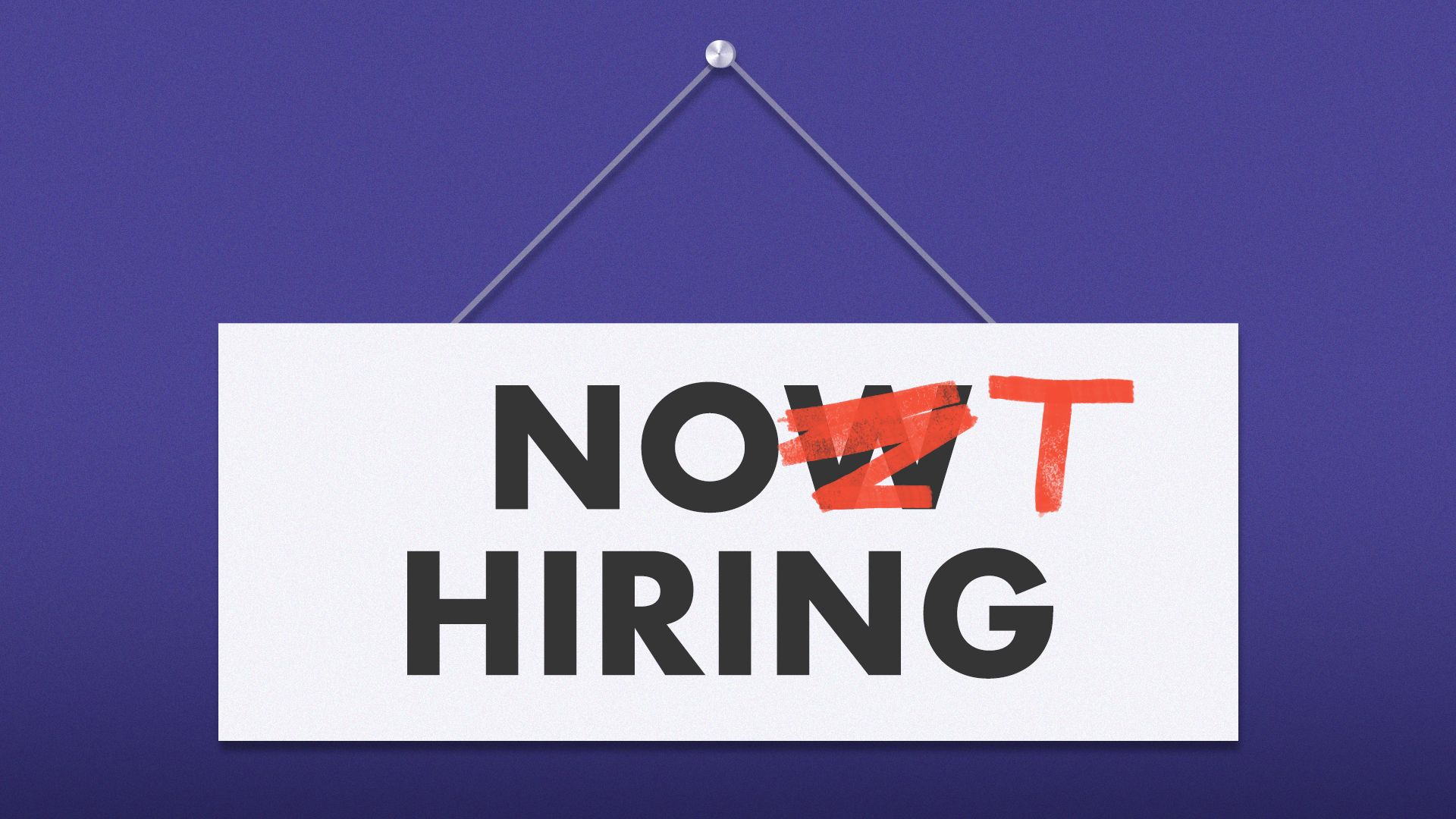
Job hunting in 2026 can mean chatting with a robot, getting rejected by AI, encountering ghost jobs and competing with a flood of applicants.
Why it matters: This isn't just candidates venting on LinkedIn or TikTok. The hiring process is increasingly taking longer and application apathy could be eroding trust in America's job market.
Students are returning to campus as the Trump administration continues to reshape American academia.
The big picture: The administration has leveraged federal educationfunding and threatened litigation against universities deemed misaligned with policy priorities — moves critics say subject academia to political whims.
The Justice Department and TikTok, along with parent company ByteDance, have reached a $400 million settlement to resolve allegations of violating children's online privacy laws, per an announcement first shared with Axios.
Why it matters: The Biden administration's DOJ first filed the suit in 2024. TikTok will clear the allegations it violated the Children's Online Privacy Act by paying a total of $400 million, without undergoing further litigation or admitting wrongdoing.
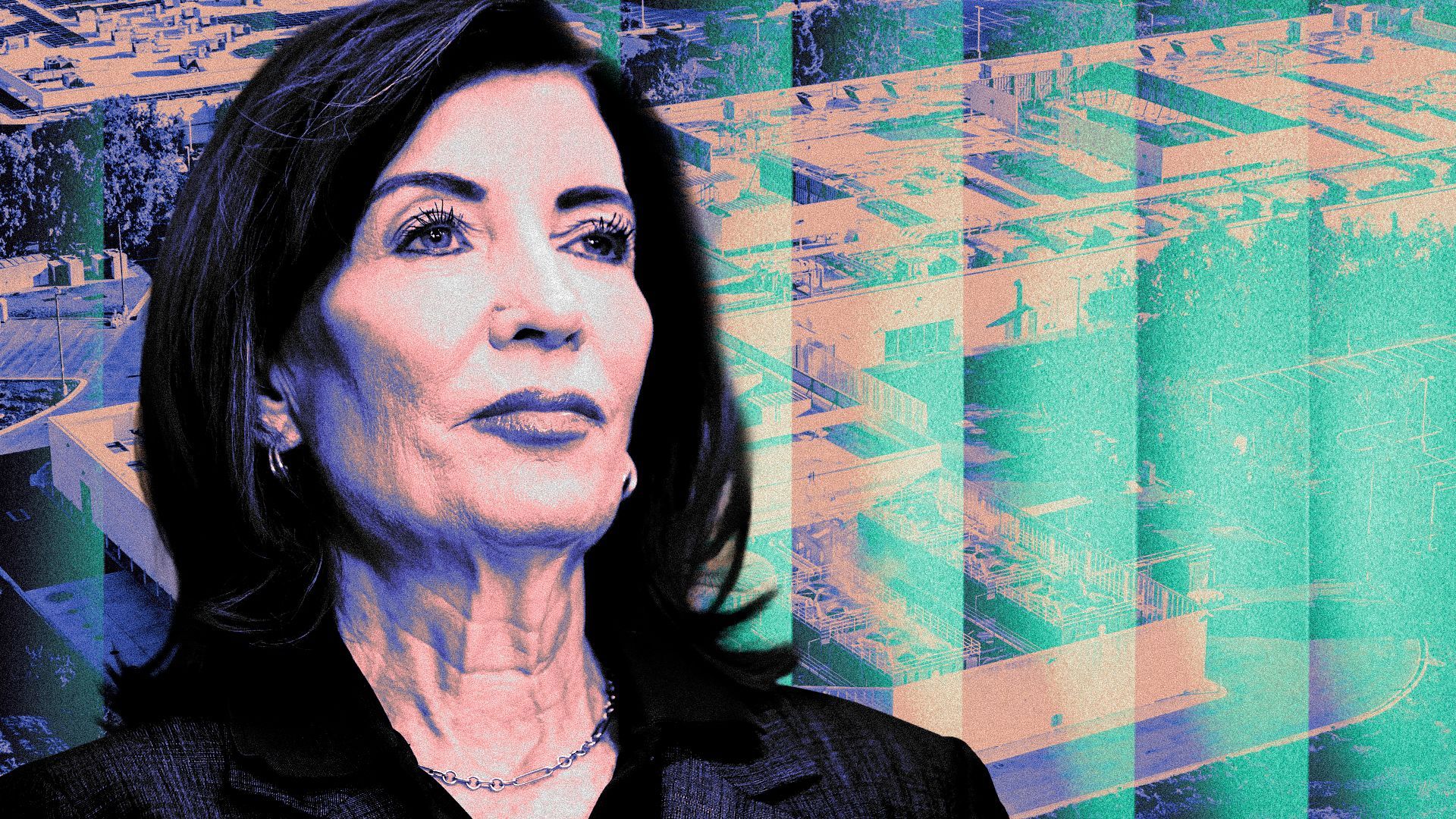
Prominent figures in the Make America Healthy Again movement are telling President Trump that "data centers should not become the justification for burning more coal."
President Trump said Friday that he would temporarily increase beef imports free of tariffs and that he had secured a commitment to sell the meat at 25% below current market prices.
Why it matters: A global shortage of cattle has driven up red-meat costs for processors and retailers, making burgers and steaks more expensive on menus and grocery shelves.
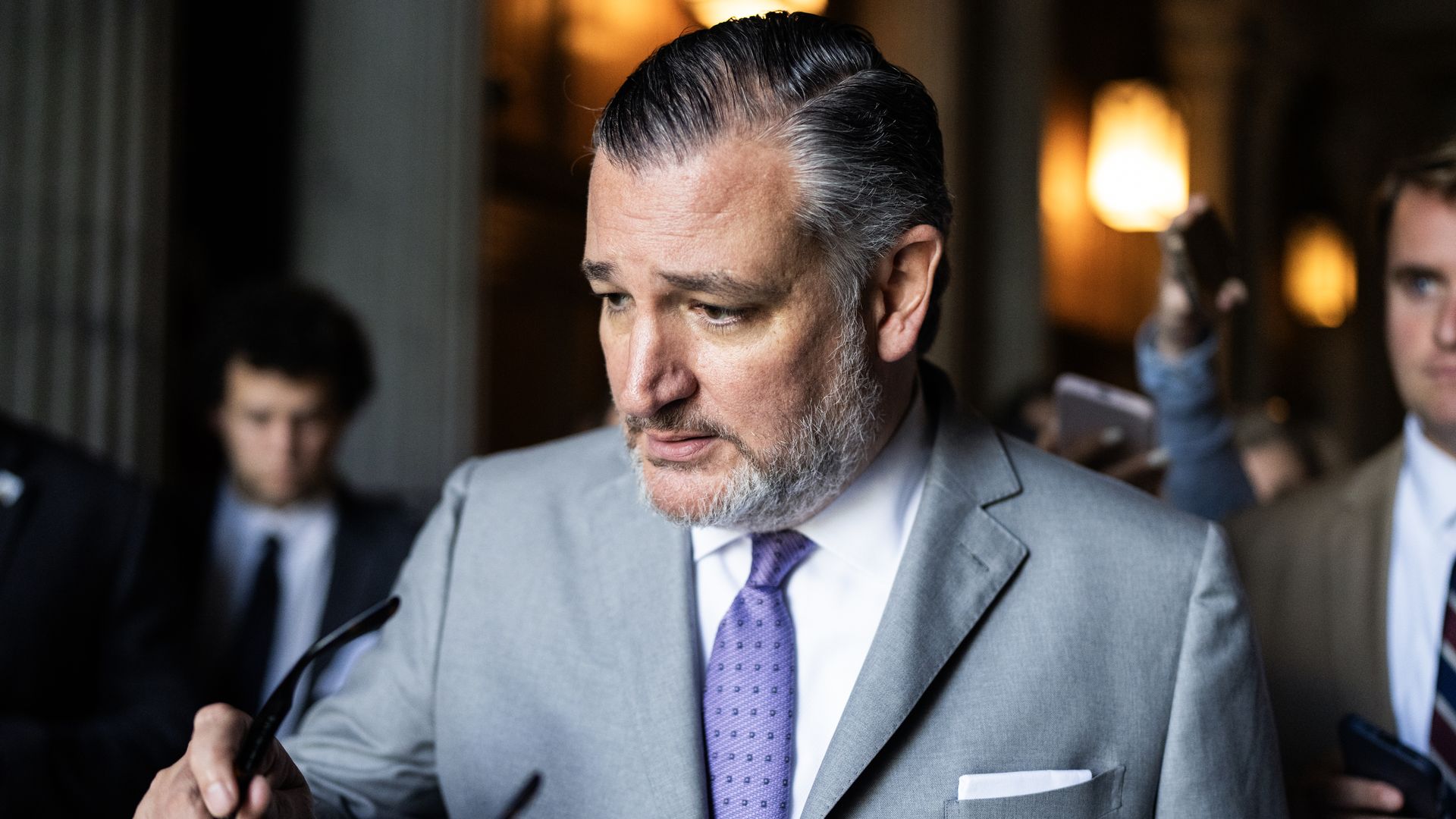
A super PAC linked to Sen. Ted Cruz is launching a more than $1.7 million ad campaign Friday to boost Republican Senate nominee Ken Paxton, Axios has learned.
Why it matters: Paxton needs the backup.The Texas Senate race is now rated a "toss-up," and Democratic nominee James Talarico keeps raking in the cash.
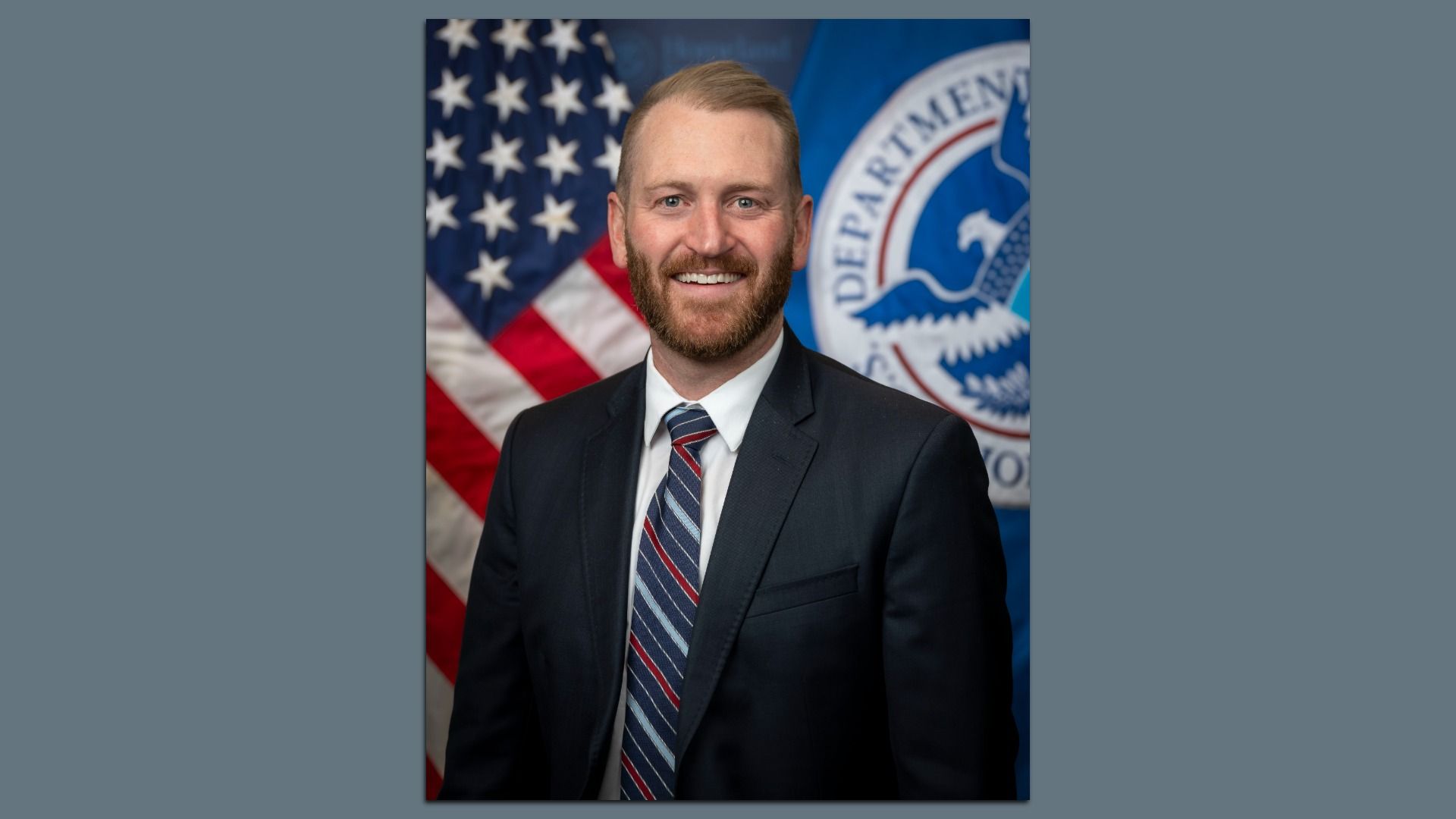
A top Department of Homeland Security attorney has repeatedly targeted sitting judges on social media over rulings against the Trump administration, according to a new ethics complaint.
Why it matters: Experts say the attacks mark a historic break from professional ethics expectations and could expose judges to violence while undermining public trust in the judiciary.
The Treasury Department's unusual bond market intervention Wednesday is prompting questions about its commitment to a longstanding cornerstone of American economic statecraft: the strong dollar policy.
Why it matters: The "strong dollar policy" is shorthand for the U.S. government's commitment to policies guided by economic orthodoxy — concern over debt and deficits, non-intervention in markets and central bank independence, among them — that have for the most part characterized both parties' management of the economy for decades.
The apparent goal of the Treasury Department's announcement on Wednesday — at least in Wall Street's estimation — was lowering long-term bond yields. It worked, but not for long.
Why it matters: Analysts believe that the Treasury's plan to boost its own bond-buying program is a risky undertaking. But has the juice been worth the squeeze?
Vectus Air Defense Systems launched Friday, led by Blackwater founder Erik Prince and backed by drone-collaboration specialist Swarmer.
Why it matters: The company is taking an unorthodox tack, applying the as-a-service model, often associated with software subscriptions, to overhead defenses, like jammers, cannons and interceptors seen on the battlefields of Ukraine and the Middle East.
"It's clear that the threat is evolving rapidly, and the demand for a private-sector solution is very strong," Prince said in a statement to Axios.
Immediately after her shocking upset in Florida's Democratic Senate primary, state Rep. Angie Nixon made clear she isn't really a socialist — even though she'd just joined the Democratic Socialists of America.
Why it matters: Nixon's win is being cast as a DSA victory, but the organization neither endorsed her nor saw it coming. She ran as a big-tent leftist, linking progressive movements and party institutions in unlikely alliances.
Why it matters: The next president will inherit a fiscal reckoning decades in the making. The price it exacts — on taxes, benefits, borrowing and investment — could shape America's prosperity and power for generations.
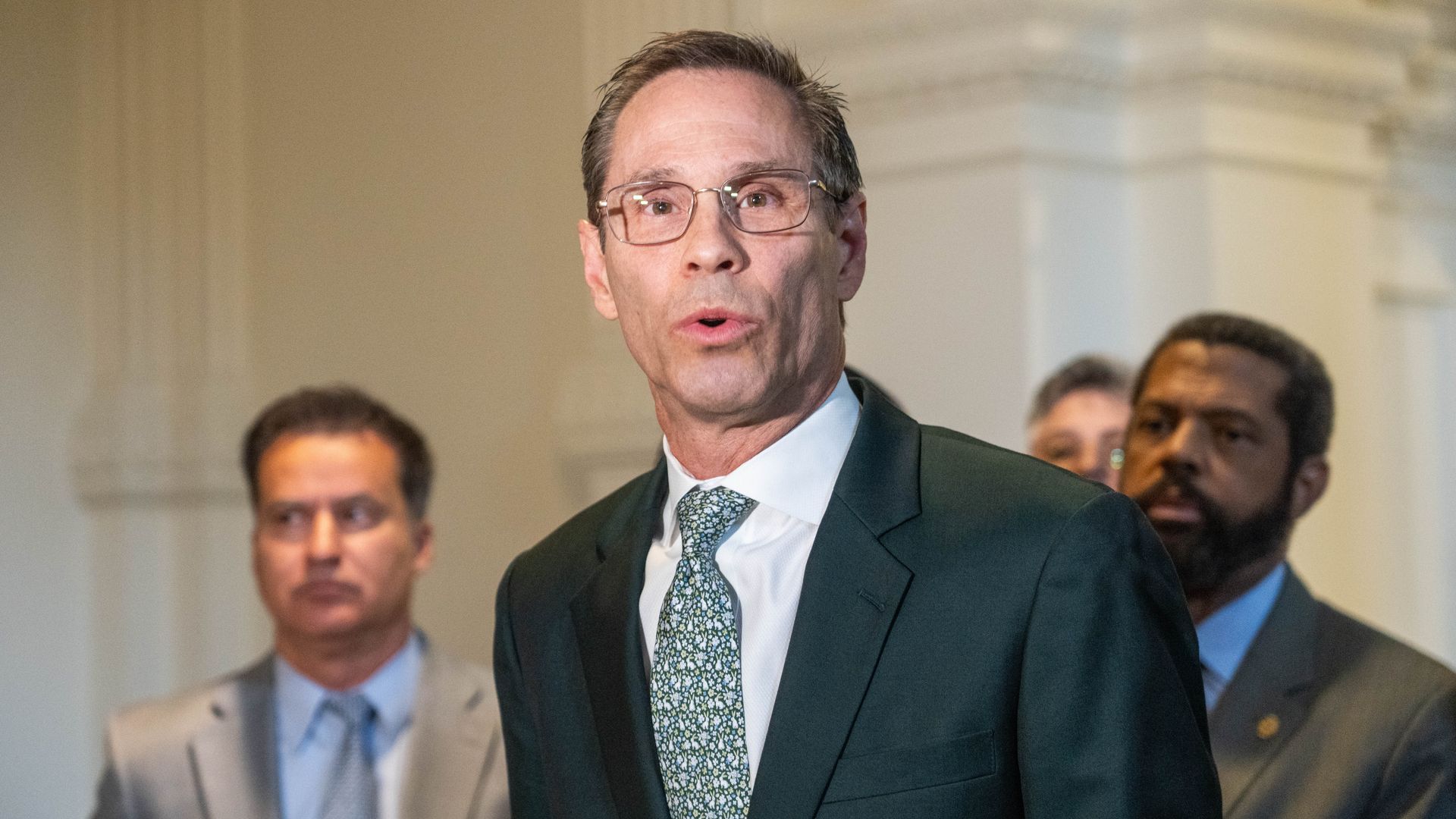
Nathan Johnson, the Democratic nominee for Texas attorney general, is pitching a plan to examine how existing state laws can be updated to protect constituents from AI harms.
Why it matters: State attorneys general have largely focused on wielding existing law to bring lawsuits against tech companies.
Johnson wants to go a step further and get the legislature to pass laws that account for the AI age.